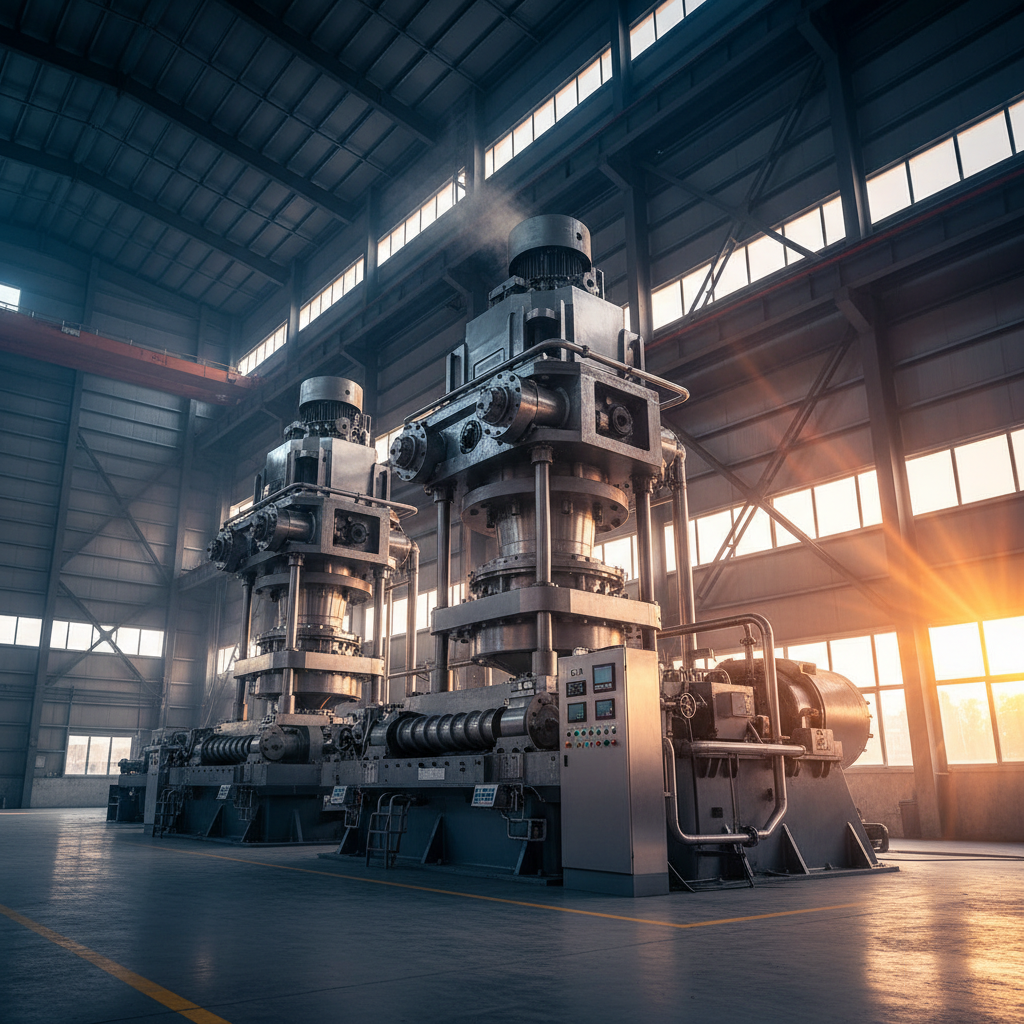
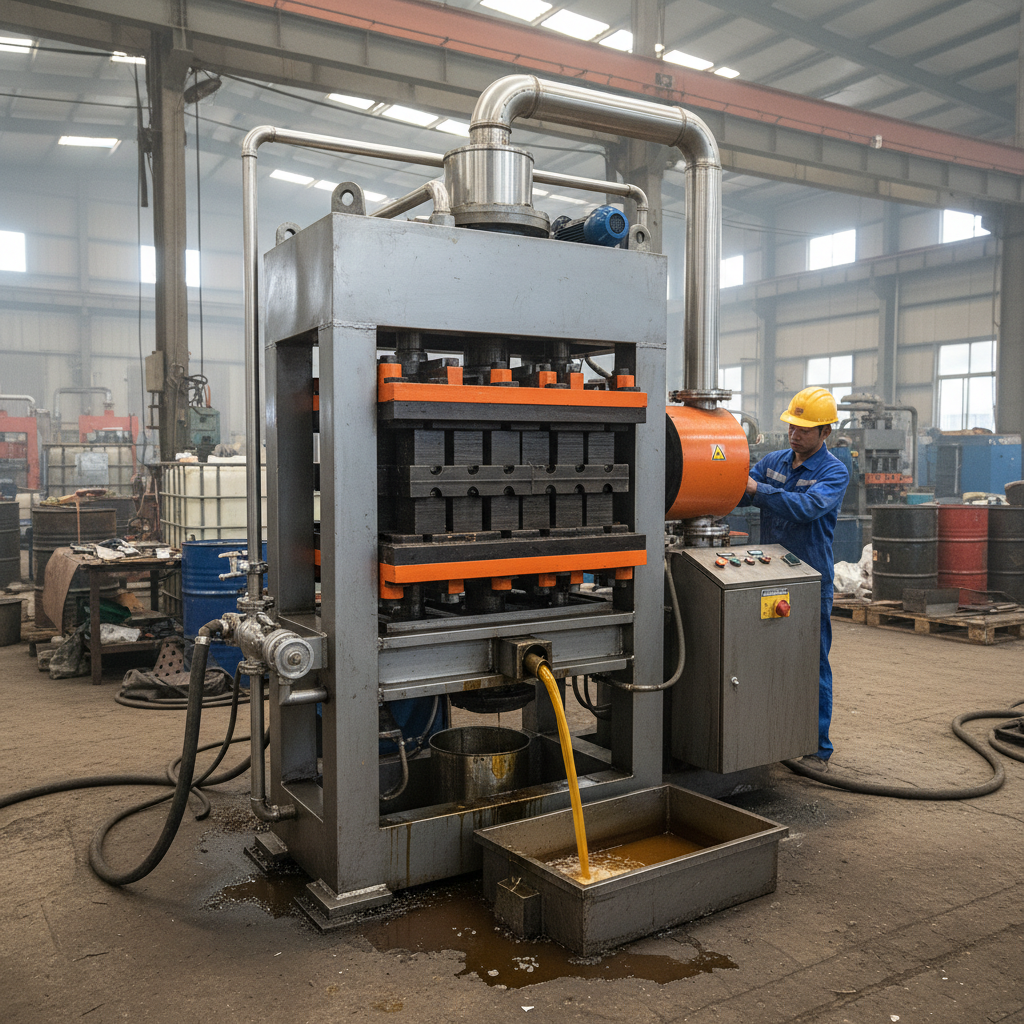
Honestly, things have been moving fast in the oil expeller world lately. Everyone's chasing higher efficiency, smaller footprints… and, of course, lower costs. It’s a constant balancing act. I was just at a factory in Shandong last month and they’re all talking about continuous processing – trying to squeeze every last drop out, you know? But it’s not always as simple as it sounds.
Have you noticed how everyone jumps on the ‘bigger is better’ bandwagon? They design these massive things, thinking they’ll handle more volume. But then you get into the field, and the infrastructure can’t support it. Lifting gear, foundations… it’s a headache. I encountered that at a palm oil mill in Malaysia last year. Spent a week just figuring out how to get the damn thing installed.
The core of it all, though, remains the same. Good steel. Seriously. You wouldn't believe the scrap metal some manufacturers try to pass off. It has to be high-carbon, properly heat-treated. You can smell the difference, almost. It’s a dull, metallic smell when it’s no good. The good stuff… it’s kinda reassuring, you know? Then there’s the shaft material, usually 40CrMo. Feels solid in the hand. It’s got to withstand some serious torque.
The Current Landscape of Oil Expellers
Strangely, a lot of the innovation isn’t in the expeller itself, it’s in the pre-processing. Cleaning the seeds, drying them properly… that's where the big gains are now. People are finally realizing you can't just throw anything in and expect good results. It’s all about maximizing oil yield. And, honestly, minimizing waste. Regulations are tightening up, you know?
There’s also a push for smaller, mobile units. Good for smaller farms, remote locations. But that introduces a whole new set of problems – vibration, stability, noise. It's a trade-off.
Common Design Pitfalls
I think the biggest mistake I see is over-engineering the drive system. They put these huge motors on there, thinking it’ll give them more power. But it just adds weight, cost, and complexity. A well-designed gearbox can do more with less, honestly.
Another one is neglecting the lubrication system. If you don’t get proper oil circulation, those bearings are going to fail, guaranteed. I've seen it happen way too many times. Simple things, you know? But people cut corners.
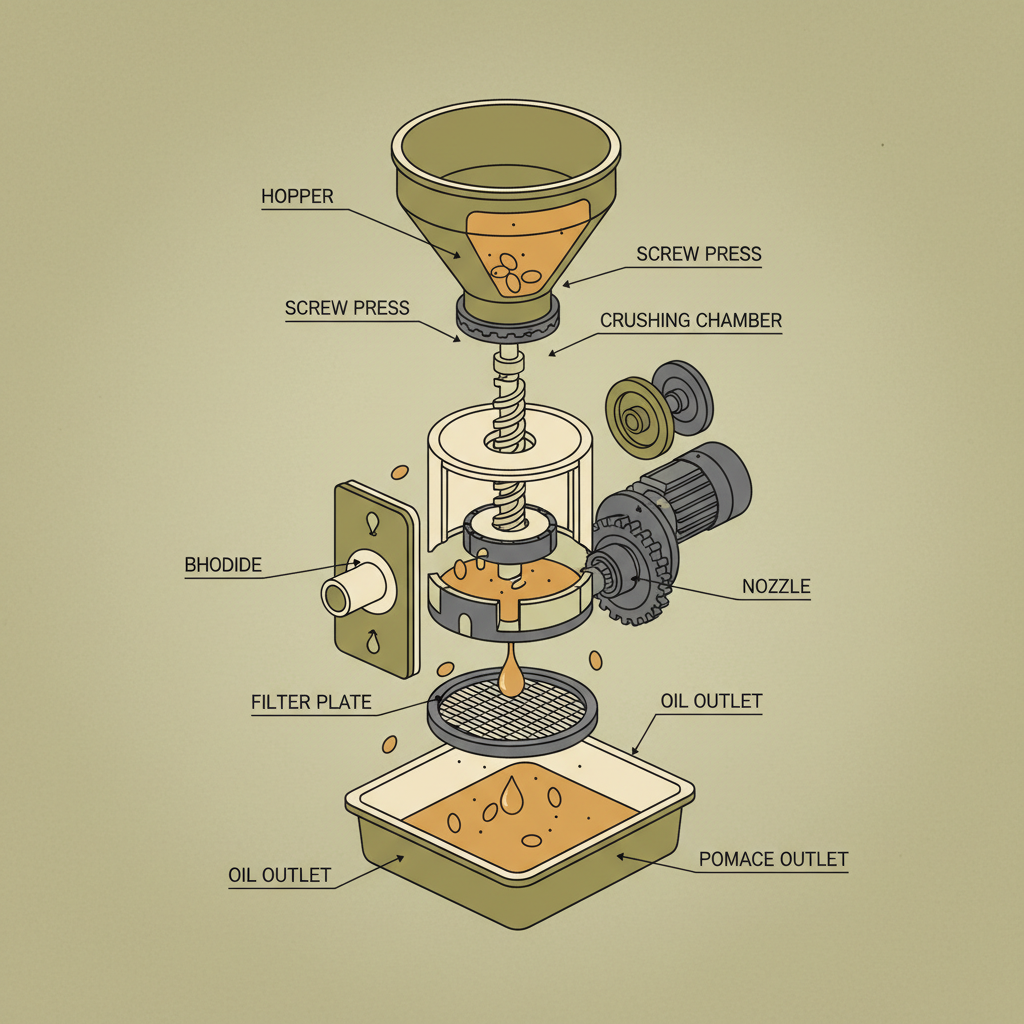
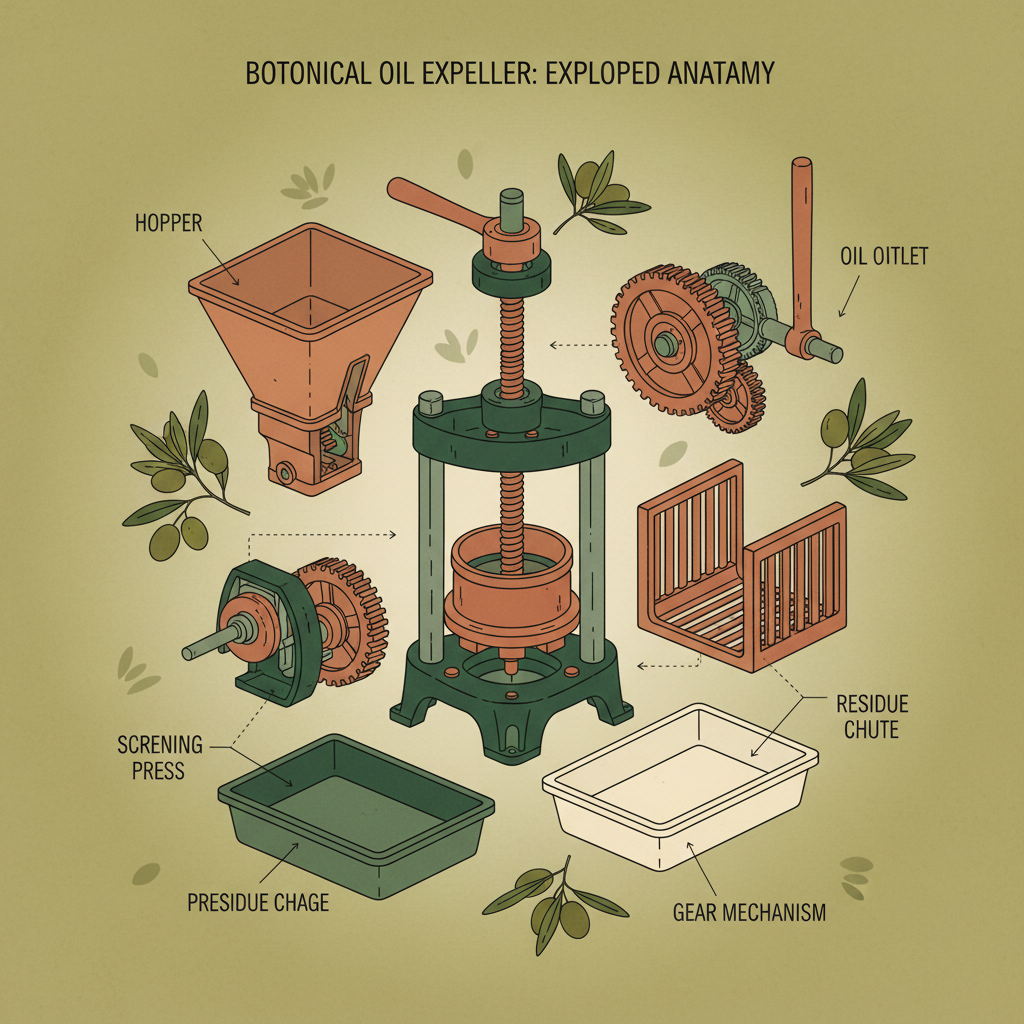
And the discharge chute! It’s always an afterthought. If it’s not designed correctly, you’re going to have oil leaking everywhere. It's messy, it's a safety hazard, and it's just… annoying.
Materials and On-Site Handling
Like I said, steel is king. But it’s not just about the grade, it’s about the finish. A rough surface will increase friction, wear down the components faster. We had a batch of machines delivered last year with really poor surface finishing. Took weeks to rectify it. The smell of grinding and polishing still haunts me...
The bearings… that’s another critical area. SKF, NSK, those are the brands you want. Don't even look at the cheap stuff. And they need to be properly shielded from dust and debris. Especially in dusty environments like sunflower seed processing. You get grit in there, you're done for. You can feel the grit, it’s like sandpaper between your fingers, horrible.
The seals… those are often overlooked. Viton seals are best for high temperatures and oil resistance. But they’re expensive. Lots of manufacturers try to use cheaper alternatives, and then they wonder why they’re getting leaks. Anyway, I think you get the idea. Quality matters.
Real-World Testing Procedures
Forget the lab tests. They're nice for getting baseline numbers, but they don't tell you anything about real-world performance. We test these things by running them hard. Continuous operation, varying seed qualities, different load conditions.
We also do vibration analysis. Too much vibration means something's out of balance or a bearing is wearing out. And we monitor the oil temperature. If it gets too high, it’s a sign of friction or insufficient lubrication. It’s simple stuff, but it works.
Oil Expeller Performance Metrics
Actual User Applications
Most of our customers are small to medium-sized farms, or cooperatives. They’re looking for a reliable way to process their own seeds and produce their own oil. It gives them more control over the quality and the price.
But we’ve also had some interesting applications in developing countries. Remote villages, where access to electricity is limited. These small, manual expellers can be a lifesaver.
Advantages and Disadvantages
The biggest advantage, obviously, is the independence. You’re not reliant on big oil companies. And you get a higher quality oil, fresher and with more nutrients. But it’s not without its drawbacks. It's not a 'set it and forget it' type machine. It requires maintenance, regular cleaning.
And the initial investment can be significant. A good oil expeller isn’t cheap. But it pays for itself over time, especially if you’re processing large volumes. You’re trading upfront cost for long-term savings and control.
Let's be real, it’s physically demanding work, too. Loading the seeds, monitoring the process, cleaning up afterwards. It's not glamorous, but someone's gotta do it.
Customization Capabilities
We can customize a lot of things. Hopper size, screw pitch, even the type of steel used. Last month, that small boss in Shenzhen who makes smart home devices insisted on changing the interface to . Said it was for ‘brand consistency’. Seemed a bit ridiculous to me, but hey, it's their money. It caused a major headache for the assembly team, though. A complete redesign of the wiring harness.
We can also add features like automatic temperature control, or remote monitoring. But those add cost and complexity, so you have to weigh the benefits carefully.
Sometimes, the simplest solution is the best. A good, solid, reliable machine that does its job without any fuss. That’s what most people really want.
Summary of Oil Expeller Performance Parameters
| Parameter |
Units |
Typical Range |
Impact on Oil Quality |
| Seed Moisture Content |
% |
8-12% |
High moisture = increased acidity |
| Screw Rotation Speed |
RPM |
400-600 |
Higher speed = increased heat, potential degradation |
| Pressing Chamber Temperature |
°C |
60-80 |
Optimal temp = higher yield, avoid overheating |
| Oil Cake Thickness |
mm |
1-3 |
Thicker cake = less oil extracted |
| Bearing Lubrication Frequency |
Hours |
50-100 |
Insufficient lubrication = increased wear & tear |
| Material Purity |
% |
99% |
Impurity results in degraded quality of the oil. |
FAQS
We’ve seen great results with sunflower, rapeseed, soybean, and palm kernels. But honestly, it depends on the pre-treatment. Proper cleaning and drying are key, regardless of the seed type. Some seeds require pre-heating, and that makes a huge difference. It's about getting the oil to flow freely. You need to know your seed!
Daily cleaning is essential - removing seed residue. Monthly, you'll want to check the bearings, lubricate moving parts, and inspect the screw for wear. Then, every six months, a full overhaul is recommended – replacing seals, checking the gearbox, and ensuring everything is properly aligned. Don't skip the maintenance! It will save you headaches down the road.
Yield varies significantly based on seed quality, moisture content, and the expeller’s settings. But you can generally expect between 70-90% oil extraction. Higher quality seeds, properly prepared, will give you better results. Don’t expect miracles with low-grade stuff. It’s simple physics, really.
Absolutely. But you need to ensure the machine is thoroughly cleaned before processing organic seeds to avoid contamination. We recommend a dedicated expeller for organic processing if you're doing it regularly. It’s all about maintaining certification.
Our standard models typically require a 3-phase electrical connection. We also offer diesel-powered options for remote locations where electricity isn't readily available. We can adapt it to different voltages. It's usually not a problem, but we need to know your requirements upfront.
We offer a one-year warranty on all our expellers, covering defects in materials and workmanship. It doesn’t cover wear and tear from normal use, or damage caused by improper operation or maintenance. Read the fine print, honestly. We're fair, but we need to protect ourselves, too.
Conclusion
So, yeah, oil expellers. They're not magic boxes. They're complex machines that require knowledge, skill, and a willingness to get your hands dirty. But when they're set up right, they can be a game-changer for small farmers and entrepreneurs. They offer independence, control, and access to a higher quality product.
Ultimately, whether this thing works or not, the worker will know the moment he tightens the screw. If it feels solid, if it runs smooth, if the oil flows freely... then you know you’ve got a good machine. And that's all that really matters.
If you'd like to explore our range of oil expellers and discuss your specific needs, visit our website: www.oilmillchina.com