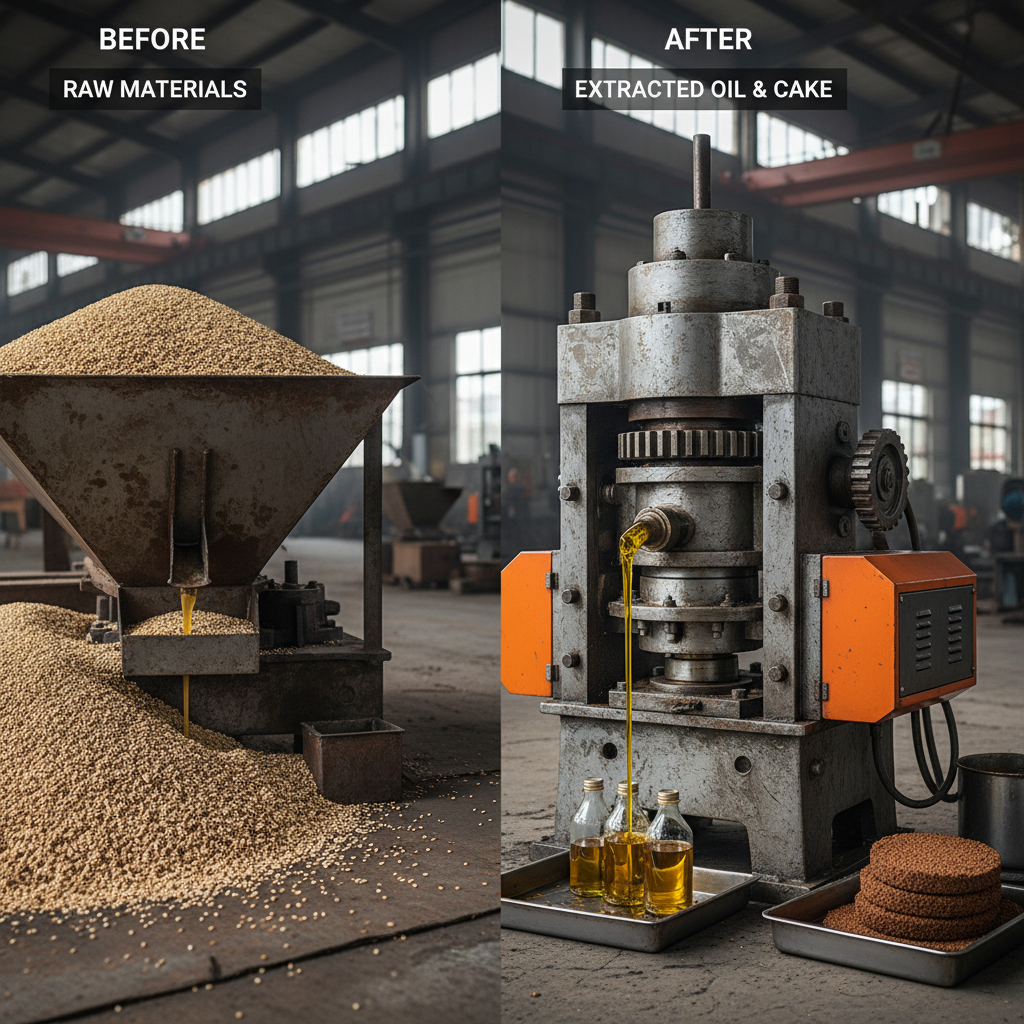
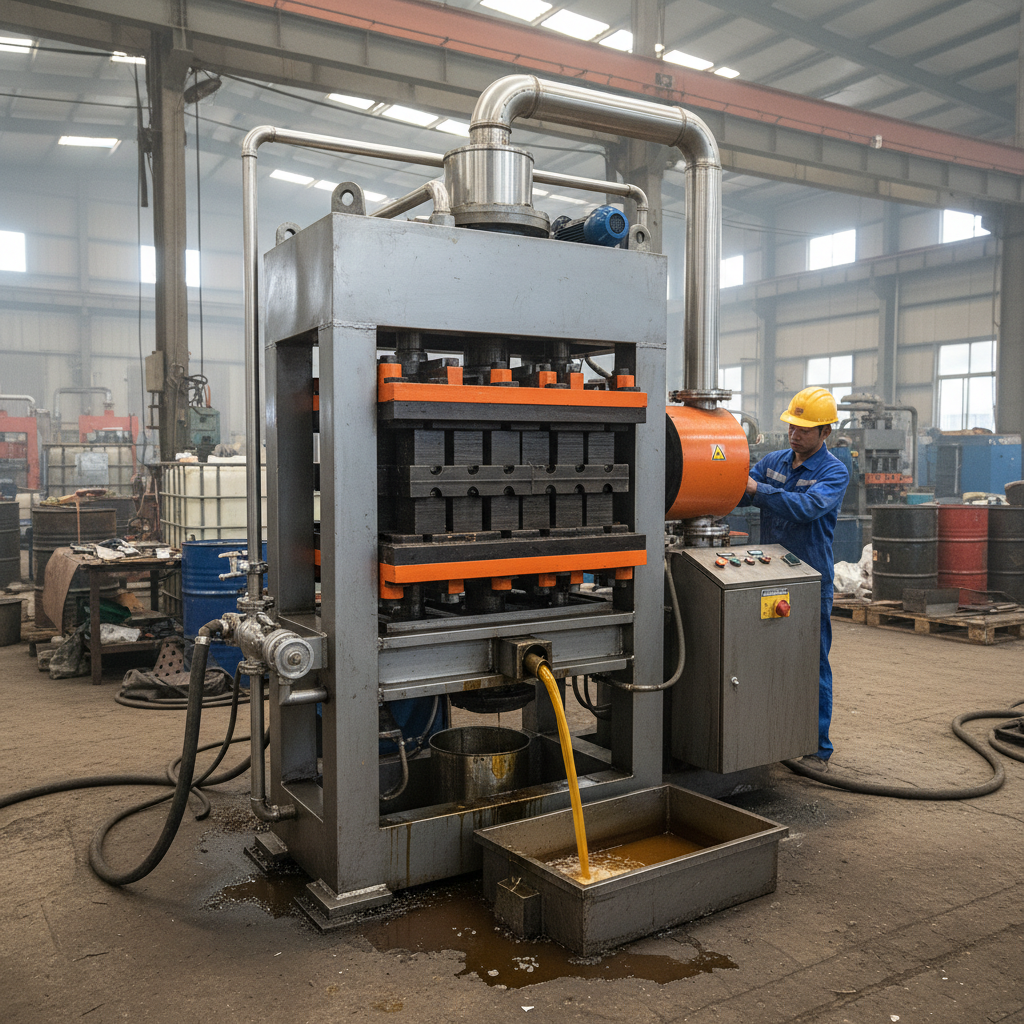
You know, lately everyone’s talking about miniaturization, right? Smaller, lighter, more efficient. It’s all well and good in the boardroom, but I’m telling you, trying to handle tiny components on a windy construction site? A nightmare. Seriously.
I spend, honestly, most of my time just trying to keep dust out of things. People think product design is all CAD drawings and simulations. It’s not. It’s figuring out how to stop concrete dust from wrecking everything. Have you noticed how much dust there is on a construction site? It gets everywhere.
And the interfaces… don’t even get me started.
The Current Landscape of Oil Press Technology
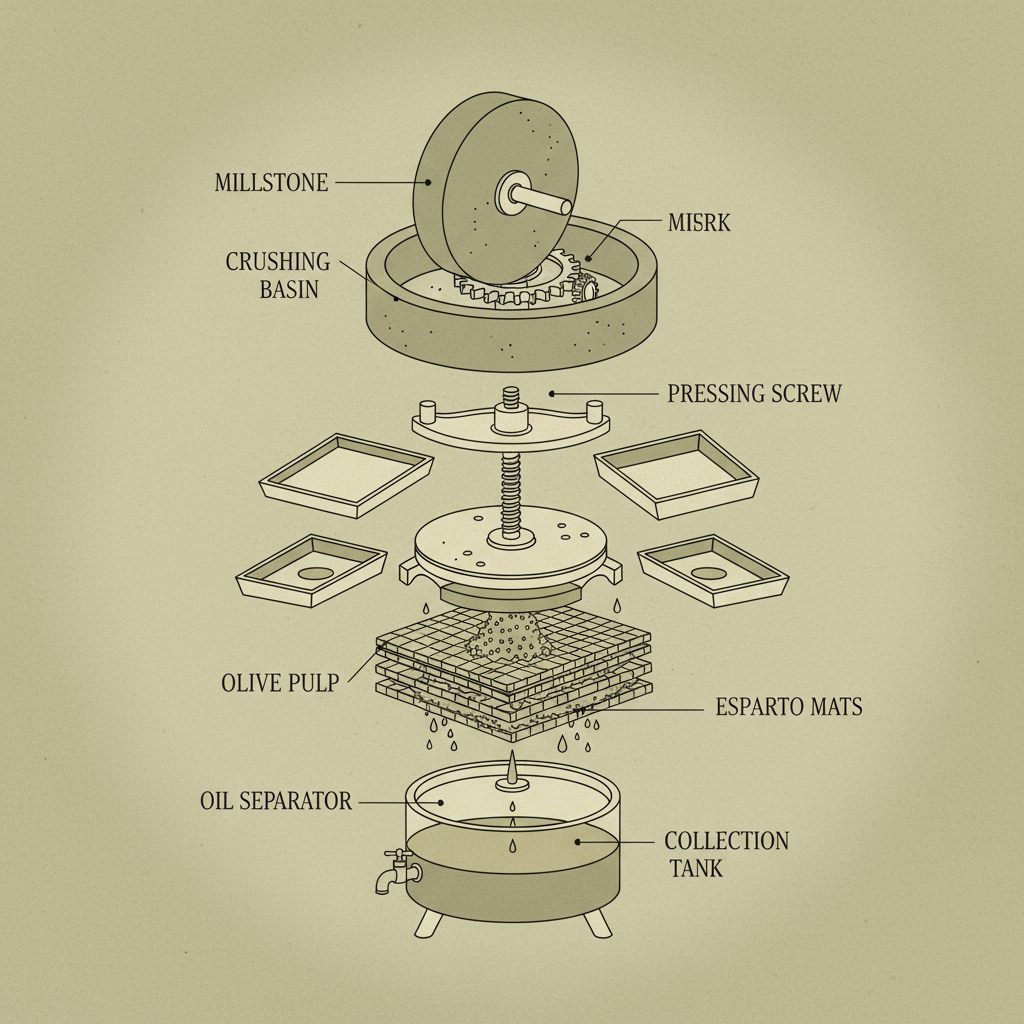
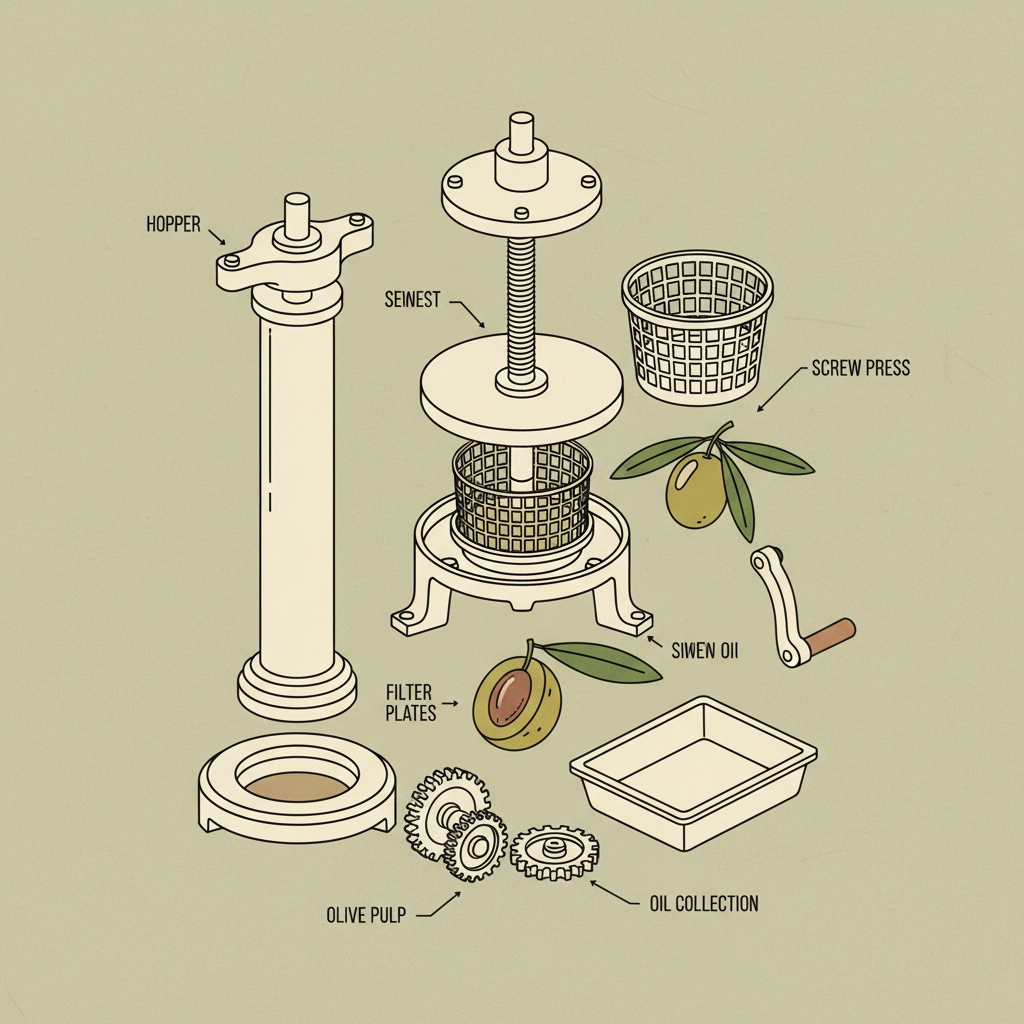
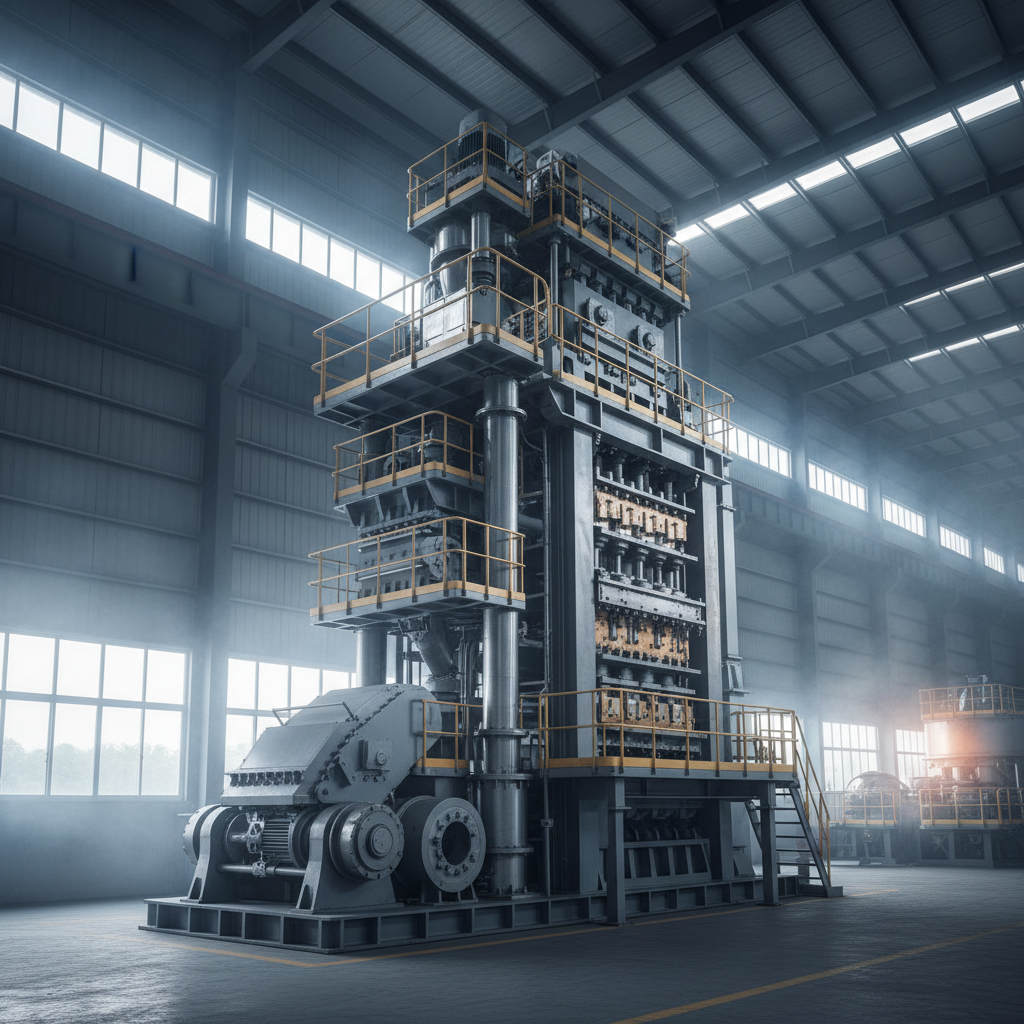
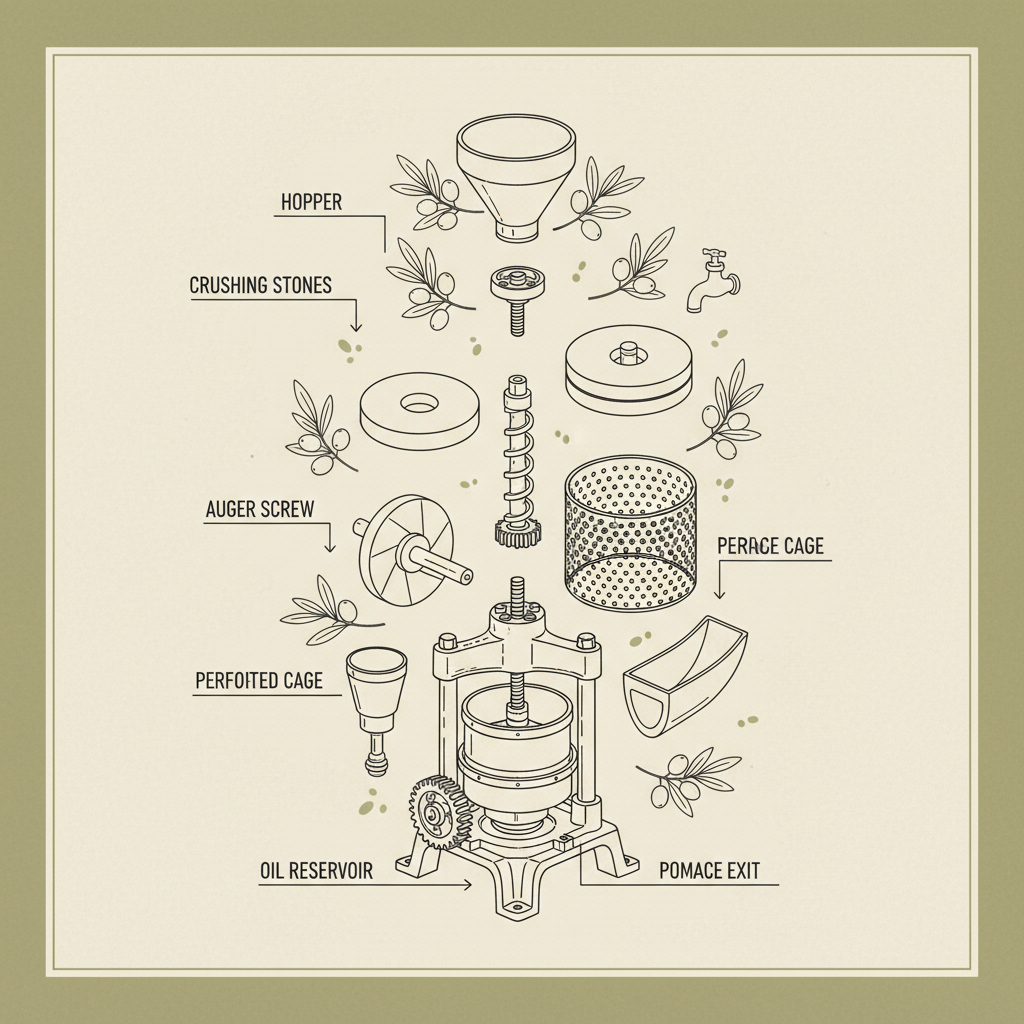
The whole industry’s shifting towards hydraulic presses, you see. Less manual labor, obviously. But that means more reliance on consistent oil quality, seals… It's a trade-off. We're seeing a lot of focus on cold-pressing too, apparently, for 'healthier' oils. Honestly, I think it’s mostly marketing, but who am I to say?
What I do know is that anything that reduces downtime on site is gold. Because when a press goes down, everything stops. And nobody likes a stalled production line. Nobody.
Common Design Pitfalls in Oil Press Manufacturing
Look, one thing I’ve noticed—and I encountered this at a factory in Jiangsu province last time—is that people overcomplicate things. They try to add features nobody asked for, or use materials that are just… not suited for the environment. Simple, robust design is king. I always tell the engineers: “If it ain't broke, don’t fix it, and if it is broke, fix it with something you understand!”
Another issue? Access for maintenance. I’ve seen presses where you need a contortionist to get to the grease points. It’s ridiculous. It's supposed to be a machine, not a puzzle!
And strangely enough, a lot of designs ignore the fact that the operators aren't going to read the manual. They just...do things. You’ve got to design for the lowest common denominator, you know?
Material Selection: A Hands-On Perspective
The steel—that’s crucial, obviously. You want something with a good yield strength, but also good weldability. I prefer 45 steel, personally. It’s got a good balance. It smells… well, like steel. You know that metallic tang? It feels solid in your hand.
The seals are a headache, though. Nitrile rubber is common, but it degrades with heat and certain oils. Viton is better, but it's expensive. And then there's the issue of sourcing genuine parts. Too many cheap knock-offs out there. Later… forget it, I won't mention it.
And the casting? Don't even get me started on porosity. You spend ages grinding that stuff out.
Rigorous Testing Protocols for Oil Press Reliability
Lab tests are fine, I guess. Stress tests, fatigue tests… But honestly, the real test is putting the thing in a workshop with a bunch of guys who are actively trying to break it. Seriously.
We used to run a test where we’d just run the press continuously, 24/7, with different types of seeds. Sunflower, rapeseed, peanuts… whatever they threw at it. We'd measure oil output, temperature, and look for any signs of wear and tear.
And we'd intentionally sabotage things. Overload it, run it dry, spill oil on it… see what happens. You learn a lot that way.
Oil Press Component Failure Rates
Real-World Applications and User Behavior
I’ve seen these presses used for everything from small-scale sunflower oil production to extracting oil from coconuts in Southeast Asia. The users aren’t always engineers, you know? They’re farmers, small business owners… people who just need to get the job done.
And they don’t always use them as intended. I’ve seen guys trying to press olives with a press designed for rapeseed. It doesn’t work well, but they try. They're resourceful, these folks.
Advantages, Disadvantages, and the Search for Improvement
The advantage, obviously, is efficiency. You can get a lot more oil out of the seeds with a good press. And the oil quality is generally better, especially with cold-pressing. But they’re complex machines. Lots of moving parts, lots of potential failure points.
And they’re noisy. Seriously noisy. Ear protection is a must.
Anyway, I think the biggest area for improvement is automation. Automating the seed feeding process, automating the cleaning process… that would save a lot of labor.
Customization Options and Practical Examples
We did a project last year for a client in Shenzhen who makes smart home devices. He wanted a miniature oil press for extracting oil from walnut kernels for a fancy aromatherapy diffuser. Seriously.
He insisted on a interface for the power supply. Said it was ‘more modern.’ It was a nightmare to implement, and it added a significant cost, but he was adamant. And guess what? The diffuser ended up getting terrible reviews because the press couldn't handle the walnut shells properly.
So, customization is possible, but you've gotta be careful. Sometimes, ‘modern’ isn’t ‘better.’
Oil Press Performance Comparison
| Press Type |
Oil Yield (%) |
Maintenance Difficulty (1-10) |
Initial Cost ($) |
| Screw Press |
75-85 |
6 |
500-1500 |
| Hydraulic Press |
80-90 |
8 |
1000-3000 |
| Cold Press |
70-80 |
7 |
800-2000 |
| Manual Lever Press |
60-70 |
3 |
100-500 |
| Pneumatic Press |
85-95 |
9 |
2000-5000 |
| Automated Press |
90-98 |
5 |
5000+ |
FAQS
Honestly? Seals. They’re always the first to go. Heat, pressure, different types of oils… they take a beating. Keep a good stock of replacements on hand, and learn how to change them quickly. It'll save you a lot of headaches. Proper lubrication is also key - don't skimp on the oil!
Very. Different seeds have different oil content, different moisture levels, and different abrasive properties. What works for sunflower seeds won't necessarily work for olives. You need to adjust the pressure, speed, and sometimes even the press components based on the seed type. Ignoring this leads to lower yields and faster wear and tear.
It varies wildly, depending on how well it’s maintained and how heavily it’s used. A well-maintained hydraulic press could last 10-15 years, maybe more. A cheap manual lever press? Maybe a couple of seasons. But generally, plan on replacing parts – pumps, motors, seals – every few years.
Technically, yes. But it's not ideal. Oil presses are designed for extracting edible oils, which are generally higher in volume and less delicate than essential oils. You'll likely get a lower yield and potentially damage the essential oil compounds with the heat and pressure. A dedicated essential oil extractor is a better choice.
Good ventilation is crucial. Make sure the press is in a well-ventilated area, and consider adding a fan to help dissipate heat. Also, avoid overloading the press – processing too much material too quickly will generate more heat. Regularly check the oil levels and cooling system, if applicable.
Absolutely. Cleaning is the most tedious and time-consuming part of operating an oil press. An automated cleaning system will save you hours of labor and improve hygiene. It's a worthwhile investment if you're running a high-volume operation or prioritize cleanliness.
Conclusion
So, yeah, oil presses. They're complicated machines, full of potential problems. But they're also essential for getting oil out of seeds, and frankly, that's a pretty important job. From choosing the right materials to understanding how people actually use them, there's a lot to consider.
Ultimately, whether this thing works or not, the worker will know the moment he tightens the screw. That's what it all comes down to. Visit our website for more information and quality presses: www.oilmillchina.com