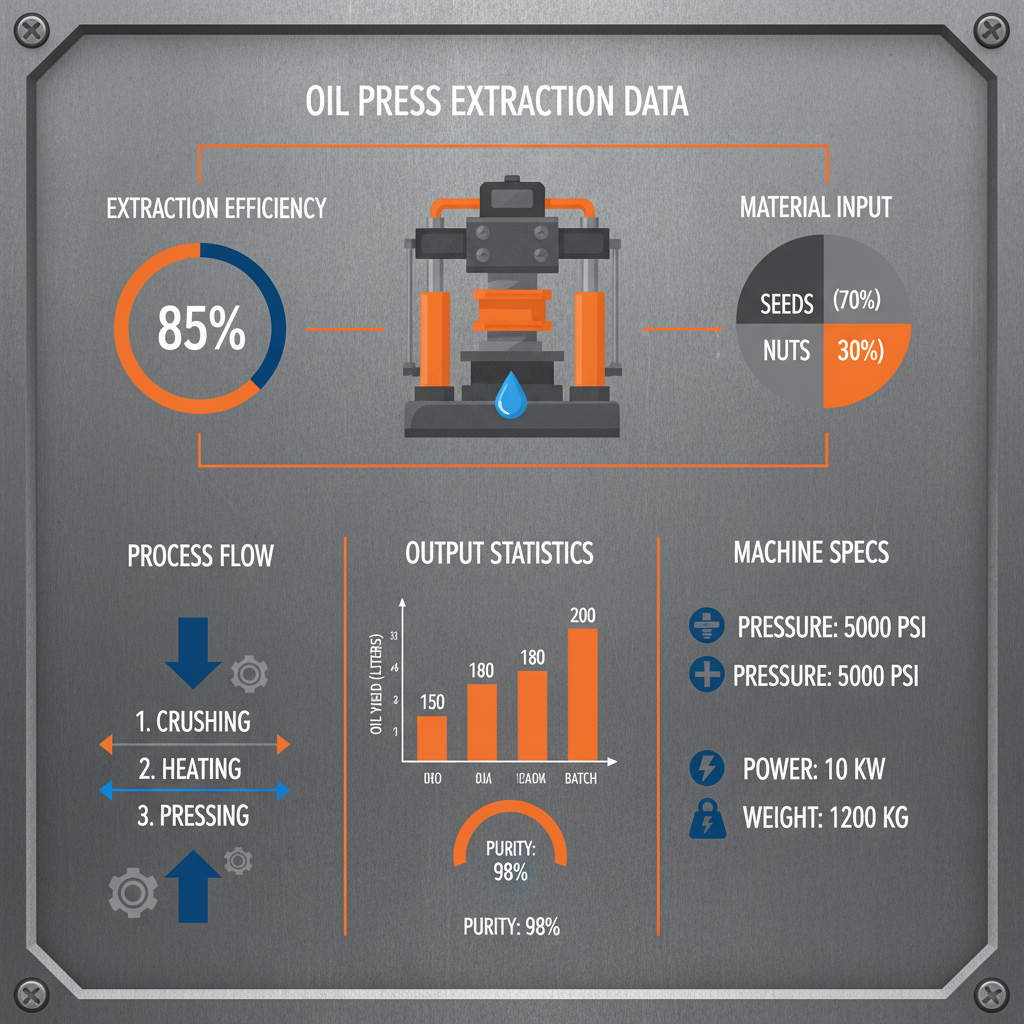
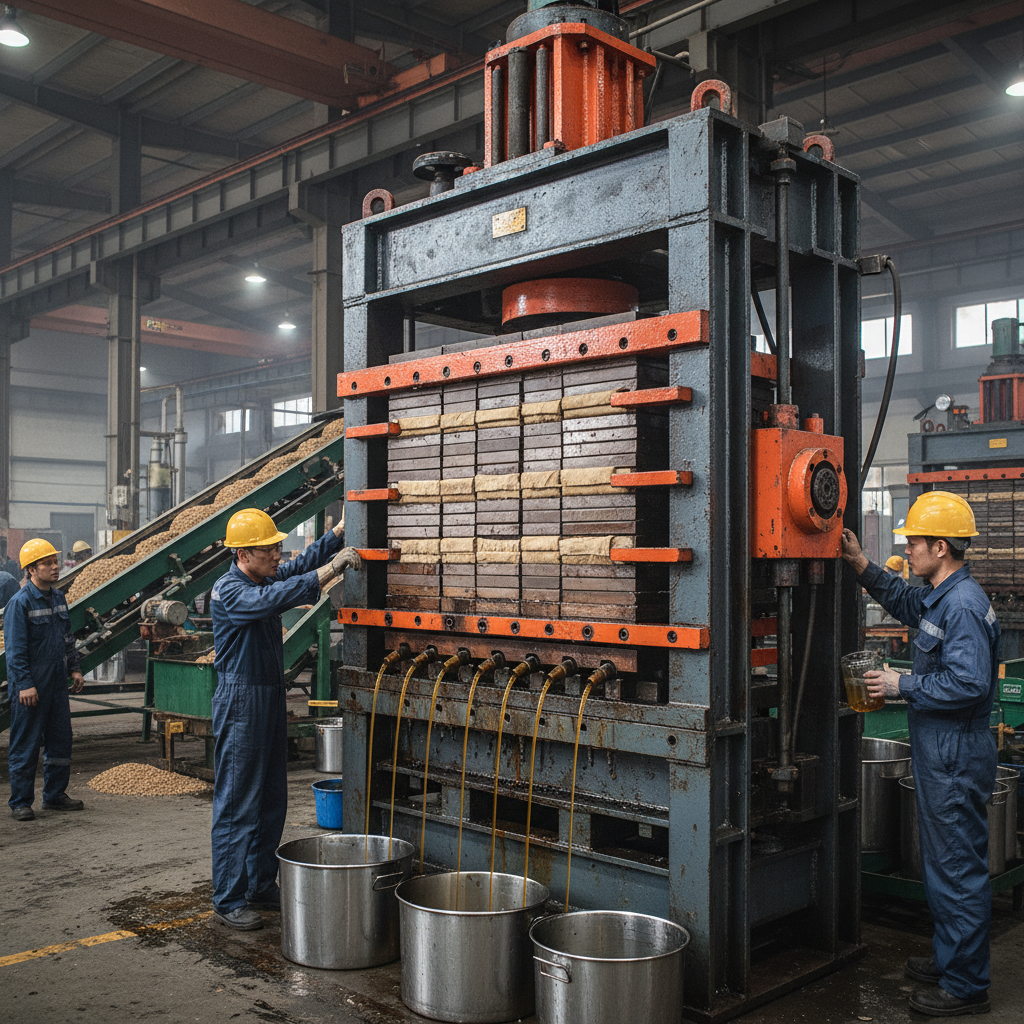
The automatic cold oil press machine represents a significant advancement in oil extraction technology, offering a sustainable and efficient alternative to traditional methods. Its ability to process a wide variety of seeds and nuts without the use of heat preservation crucial oil quality, appealing to health-conscious consumers and industries. Understanding the principles and applications of this technology is increasingly vital in a world seeking environmentally responsible and economically viable solutions for oil production.
Globally, the demand for high-quality, naturally processed oils is on the rise, fueled by increasing awareness of health and wellness. The automatic cold oil press machine addresses this demand by providing a method for producing oils rich in nutrients and flavor. The UN Sustainable Development Goals, particularly those related to responsible consumption and production (Goal 12), directly align with the benefits offered by this technology.
The integration of automation in cold pressing further enhances efficiency and reduces labor costs, making it accessible to a wider range of businesses and communities. From small-scale farmers to large industrial operations, the automatic cold oil press machine is becoming a cornerstone of modern oil production.
Introduction to Automatic Cold Oil Press Machines
Automatic cold oil press machines have revolutionized the oil extraction process, providing a streamlined and efficient solution for businesses of all sizes. These machines utilize mechanical pressure to extract oil from seeds and nuts, preserving the natural flavor, aroma, and nutritional value that can be lost through heat-based methods. This has made them increasingly popular in the production of premium oils.
The rise in demand for organic and natural products has directly fueled the growth of the automatic cold oil press machine market. Consumers are actively seeking healthier alternatives, and cold-pressed oils are perceived as a superior choice due to their minimal processing. This trend is expected to continue driving innovation and adoption of this technology.
Defining Automatic Cold Oil Press Machines
An automatic cold oil press machine is a device that extracts oil from oil-bearing materials – like seeds, nuts, and kernels – without using heat. The “cold-pressed” designation signifies that the temperature during extraction remains below a certain threshold (typically around 120°F or 49°C), preserving the integrity of the oil's chemical composition. Automation allows for continuous operation with minimal manual intervention.
Unlike traditional methods, which often involve chemical solvents or high temperatures, automatic cold oil press machines rely solely on mechanical pressure. This results in a cleaner, more natural oil that retains its beneficial properties. The machine's automation features, such as automated feeding and oil collection, significantly increase efficiency and throughput.
This technology connects directly to modern industry needs for sustainable and high-quality food production, as well as humanitarian efforts to provide nutritional resources in resource-limited settings. The ability to process diverse seeds locally contributes to food security and economic empowerment within communities.
Key Components and Operational Factors
Several factors contribute to the effective operation of an automatic cold oil press machine. These include the quality of the raw materials, the pressure applied during extraction, and the machine’s overall design. A well-designed machine will feature robust components and precise controls for optimal performance.
Key components typically include a hopper for feeding the raw material, a screw press (or expeller) that applies pressure, a filtration system to remove impurities, and a motor to power the operation. The screw press is central to the process, gradually compressing the material and forcing the oil to separate from the solids. Regular maintenance and timely replacement of wear parts are essential for consistent oil quality and operational longevity.
Durability, scalability, cost-efficiency, and maintenance are core aspects. Durability ensures long-term reliability, reducing downtime and operational costs. Scalability allows businesses to adjust production capacity as needed. Cost-efficiency minimizes the overall investment and running expenses. Simple and accessible maintenance protocols contribute to minimizing disruptions.
Global Applications and Diverse Use Cases
Automatic cold oil press machines have a wide range of applications across the globe. In agriculture, they are used to process seeds like sunflower, rapeseed, soybean, and flaxseed into high-quality oils for cooking, cosmetics, and industrial purposes. The machines are increasingly being deployed in rural communities to promote local oil production and economic self-sufficiency.
In post-disaster relief operations, portable automatic cold oil press machines can provide a vital source of nutrition by processing locally available seeds into edible oils. In remote industrial zones, these machines can enable on-site oil production for various applications, reducing transportation costs and ensuring a reliable supply.
The European Union is a significant market for cold-pressed oils, driven by consumer demand for healthy and sustainable products. Africa is seeing increased adoption of these machines to support smallholder farmers and promote local processing. North America experiences growing popularity in specialty oil markets, necessitating advanced automation in processing techniques.
Comparative Efficiency of Automatic Cold Oil Press Machine Methods
Advantages and Long-Term Value Proposition
The advantages of utilizing an automatic cold oil press machine extend beyond just producing high-quality oil. Reduced operating costs, minimal waste generation, and increased product shelf life are significant benefits. The absence of chemical solvents contributes to a safer and more environmentally friendly process.
Long-term value is derived from the machine's reliability and longevity, reducing the need for frequent replacements. The ability to produce oils with a distinct flavor profile and nutritional content enhances marketability and command premium pricing. Investing in an automatic cold oil press machine offers a sustainable and profitable solution for businesses seeking to capitalize on the growing demand for natural and healthy oils.
Future Trends and Technological Innovations
Future trends in automatic cold oil press machine technology will focus on increased automation, improved energy efficiency, and integration with digital technologies. The use of advanced sensors and data analytics will enable real-time monitoring of oil quality and process optimization.
Innovations in materials science will lead to the development of more durable and corrosion-resistant machine components. Furthermore, the incorporation of renewable energy sources, such as solar power, will further enhance the sustainability of oil production. These advancements will result in even more efficient and environmentally responsible oil extraction processes.
Challenges and Potential Solutions
Common challenges associated with automatic cold oil press machines include managing variations in raw material quality, maintaining consistent oil yield, and ensuring efficient waste disposal. Addressing these challenges requires careful monitoring of the process, appropriate pre-treatment of the raw materials, and implementation of effective waste management strategies.
Potential solutions include developing automated systems for raw material sorting and cleaning, optimizing the screw press design for different types of seeds, and exploring innovative methods for utilizing oilcake as animal feed or fertilizer. Investing in research and development is crucial for overcoming these hurdles and unlocking the full potential of this technology.
Furthermore, regular maintenance schedules and operator training are vital to maximize the efficiency and longevity of the equipment. Adapting to the specific characteristics of different oil-bearing materials will be crucial for widespread adoption and success.
Overview of Key Considerations for Maintaining Automatic Cold Oil Press Machine Performance
| Maintenance Schedule |
Raw Material Quality |
Oil Yield Optimization |
Waste Management Strategies |
| Daily cleaning and lubrication of key components. |
Maintaining consistent moisture content and purity levels. |
Adjusting pressure and speed based on seed type. |
Utilizing oilcake as animal feed or fertilizer. |
| Weekly inspection of wear parts and replacement as needed. |
Removing foreign materials and damaged seeds. |
Optimizing pre-heating temperature (within cold-press limits). |
Implementing composting or anaerobic digestion systems. |
| Monthly deep cleaning and calibration of sensors. |
Ensuring proper storage conditions to prevent spoilage. |
Analyzing oil quality to identify areas for improvement. |
Exploring partnerships for waste valorization. |
| Annual professional maintenance and inspection. |
Sourcing high-quality seeds from reputable suppliers. |
Fine-tuning screw press parameters for optimal extraction. |
Adhering to environmental regulations for waste disposal. |
| Regular software updates (for automated machines). |
Implementing quality control procedures for incoming materials. |
Utilizing data analytics to track performance metrics. |
Investing in closed-loop waste management systems. |
| Maintaining a detailed maintenance log. |
Testing seed oil content before processing. |
Conducting periodic oil quality assessments. |
Promoting circular economy principles within the supply chain. |
FAQS
The oil yield percentage varies depending on the type of seed, its quality, and the machine's settings, but generally ranges from 60% to 90%. Factors such as pre-treatment of the seed (cleaning, drying) and proper machine calibration play a significant role. Higher quality seeds and optimized settings will result in greater oil yields. Regular maintenance of the screw press is also critical.
Cold pressing preserves more of the natural vitamins, antioxidants, and essential fatty acids present in the seeds. Heat extraction can degrade these beneficial compounds. Cold-pressed oils also retain their natural flavor and aroma. This makes cold-pressed oil a healthier and more desirable option for consumers seeking premium quality products.
Regular maintenance includes daily cleaning, weekly inspection of wear parts (like the screw press), monthly calibration, and annual professional servicing. Lubrication is essential. Prompt replacement of worn components prevents breakdowns and ensures consistent oil quality. Following the manufacturer's guidelines is crucial for longevity and optimal performance.
Many automatic cold oil press machines are designed to handle a variety of seeds, including sunflower, rapeseed, soybean, flaxseed, and more. However, some adjustments may be needed for different seed types, such as changing the pressure setting or screw press speed. Some machines are specifically designed for single seed types, offering increased efficiency for that particular application.
Power consumption varies depending on the machine's size and capacity, typically ranging from 2.2kW to 7.5kW. Energy-efficient models are available, and using renewable energy sources can further reduce the environmental impact. Optimizing processing parameters and reducing idle time can also minimize power consumption.
The oilcake is a valuable byproduct. It can be used as animal feed, as a fertilizer, or even processed further for other applications. Depending on the seed type, it’s a protein-rich and fiber-rich source for livestock. Composting or anaerobic digestion are also sustainable options for managing oilcake.
Conclusion
The automatic cold oil press machine represents a significant leap forward in oil extraction technology, offering a sustainable, efficient, and high-quality alternative to traditional methods. From preserving the nutritional value of oils to promoting local economies and reducing environmental impact, the benefits are far-reaching. The ability to produce premium oils directly from seeds, with minimal processing, is driving its growing adoption across diverse industries and communities.
Looking ahead, continued innovation in automation, materials science, and energy efficiency will further enhance the capabilities of these machines. Embracing this technology is not just an investment in oil production; it’s an investment in a healthier, more sustainable future. Explore the possibilities and discover how an automatic cold oil press machine can benefit your business. Visit our website: www.oilmillchina.com