The global demand for vegetable oils is consistently high, with sunflower oil holding a significant share due to its health benefits and versatile applications in food, cosmetics, and even biofuel. Understanding the processes involved in extracting this valuable oil, particularly through the use of a sunflower oil press, is crucial for entrepreneurs, agricultural businesses, and those involved in food security initiatives worldwide. Advances in sunflower oil press technology are driving efficiency and sustainability within the industry.
The efficiency and accessibility of sunflower oil production are critical, especially in regions with limited infrastructure. A reliable sunflower oil press enables localized processing, reducing transportation costs and ensuring a fresh, high-quality product. Furthermore, the byproducts of oil pressing can be utilized as animal feed or fertilizer, contributing to a circular economy and minimizing waste. This local processing capability is becoming increasingly important in strengthening regional food systems.
Investing in understanding the nuances of a sunflower oil press – from its mechanical components to its operational parameters – is an investment in future-proofing food production, promoting economic development, and supporting sustainable agricultural practices. As global demand for sunflower oil continues to rise, a comprehensive grasp of this technology will prove invaluable.
The Global Relevance of Sunflower Oil Press
Sunflower oil is a major player in the global vegetable oil market, with production concentrated in countries like Ukraine, Russia, Argentina, and Hungary. According to the USDA, global sunflower oil production exceeded 22 million metric tons in 2023, demonstrating its significant contribution to the world's edible oil supply. The efficiency of sunflower oil press technology is paramount to meeting this demand.
Geopolitical events and supply chain disruptions have underscored the importance of diversified oilseed sources and localized processing capabilities. A sunflower oil press allows for greater control over production, reducing dependence on volatile international markets and strengthening food security within individual regions. This is especially critical for developing nations reliant on oil imports.
Defining Sunflower Oil Press Technology
A sunflower oil press is a mechanical device used to extract oil from sunflower seeds. The process involves applying pressure to the seeds, separating the oil from the solid residue (known as sunflower meal). Different types of presses exist, ranging from manual, low-capacity models suitable for small-scale operations to large, automated industrial systems capable of processing tons of seeds per day. The choice of press depends on the scale of production and the desired level of automation.
The core principle behind all sunflower oil presses is the efficient application of pressure. Modern presses often utilize screw pressing technology, where a rotating screw compresses the seeds within a cylindrical chamber, forcing the oil out through small openings. The extracted oil is then filtered to remove impurities, resulting in a clear, refined product. Understanding this process is key to optimizing performance.
This technology isn't just limited to sunflower seeds; many sunflower oil press models can also process other oilseeds like rapeseed, soybean, and palm kernel, providing versatility for agricultural businesses seeking to diversify their product offerings.
Key Components and Operational Principles
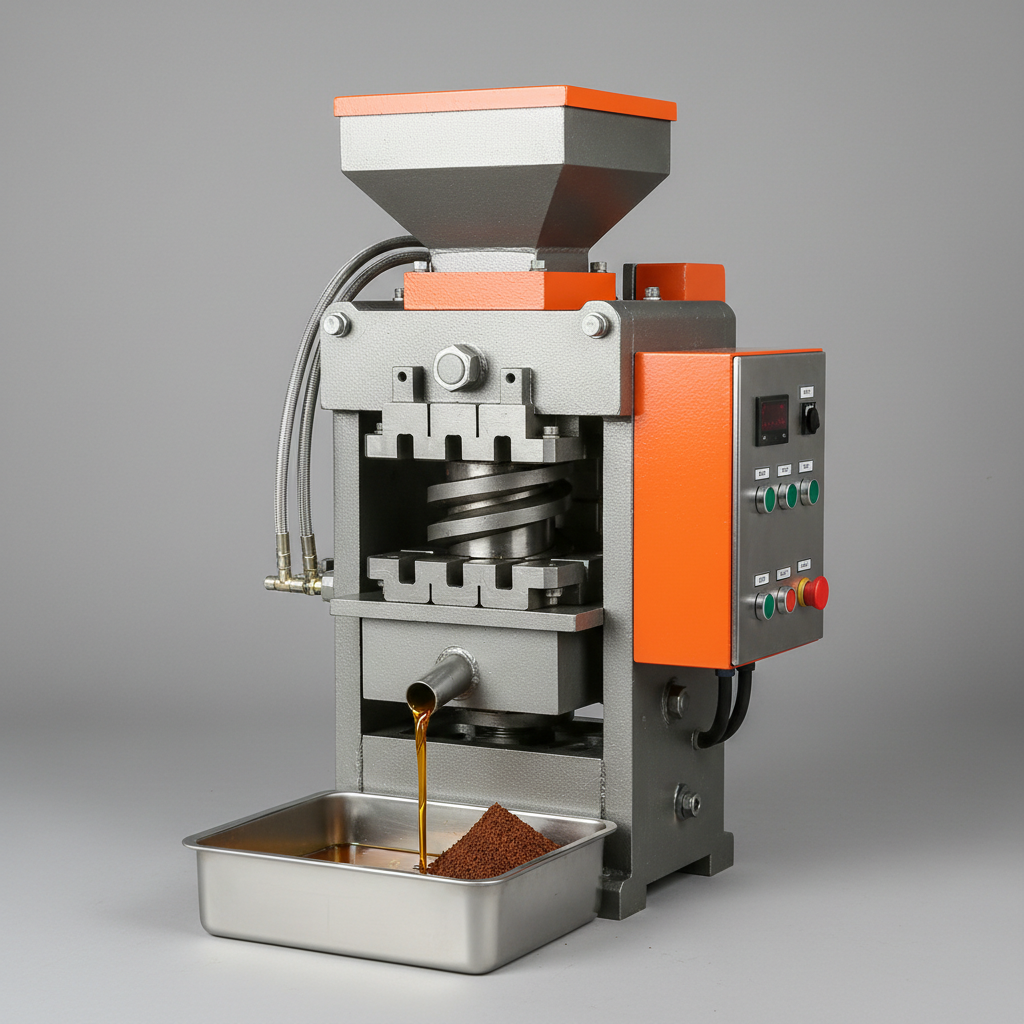
A typical sunflower oil press consists of several key components: the feed hopper, the pressing chamber, the screw (or expeller), the oil collection system, and the cake discharge mechanism. The feed hopper regulates the flow of seeds into the pressing chamber, while the screw applies continuous pressure to extract the oil. The oil collection system filters and stores the extracted oil, and the cake discharge mechanism removes the spent seed cake.
Operational principles center around maintaining optimal pressure, temperature, and seed moisture content. Proper seed preparation, including cleaning and drying, is crucial for maximizing oil yield and minimizing wear and tear on the press. Regular maintenance, including lubrication and component replacement, is also essential for ensuring long-term reliability and efficiency.
The efficiency of a sunflower oil press is directly related to the precision of its components and the consistency of its operation. Modern presses often incorporate sophisticated control systems to monitor and adjust these parameters in real-time, optimizing performance and minimizing waste.
Performance Metrics of Sunflower Oil Presses
Evaluating the performance of a sunflower oil press requires considering several key metrics. Oil yield – the percentage of oil extracted from the seeds – is arguably the most important, typically ranging from 60% to 80% depending on the seed quality and press efficiency. Residual oil content in the seed cake is another crucial indicator, signifying how thoroughly the oil has been extracted.
Throughput, measured in tons per hour, determines the press’s processing capacity. Energy consumption, expressed in kilowatt-hours per ton of seeds processed, reflects the operational cost. Finally, maintenance requirements and downtime contribute to the overall cost of ownership.
Sunflower Oil Press Performance Comparison
Global Applications and Industry Impact
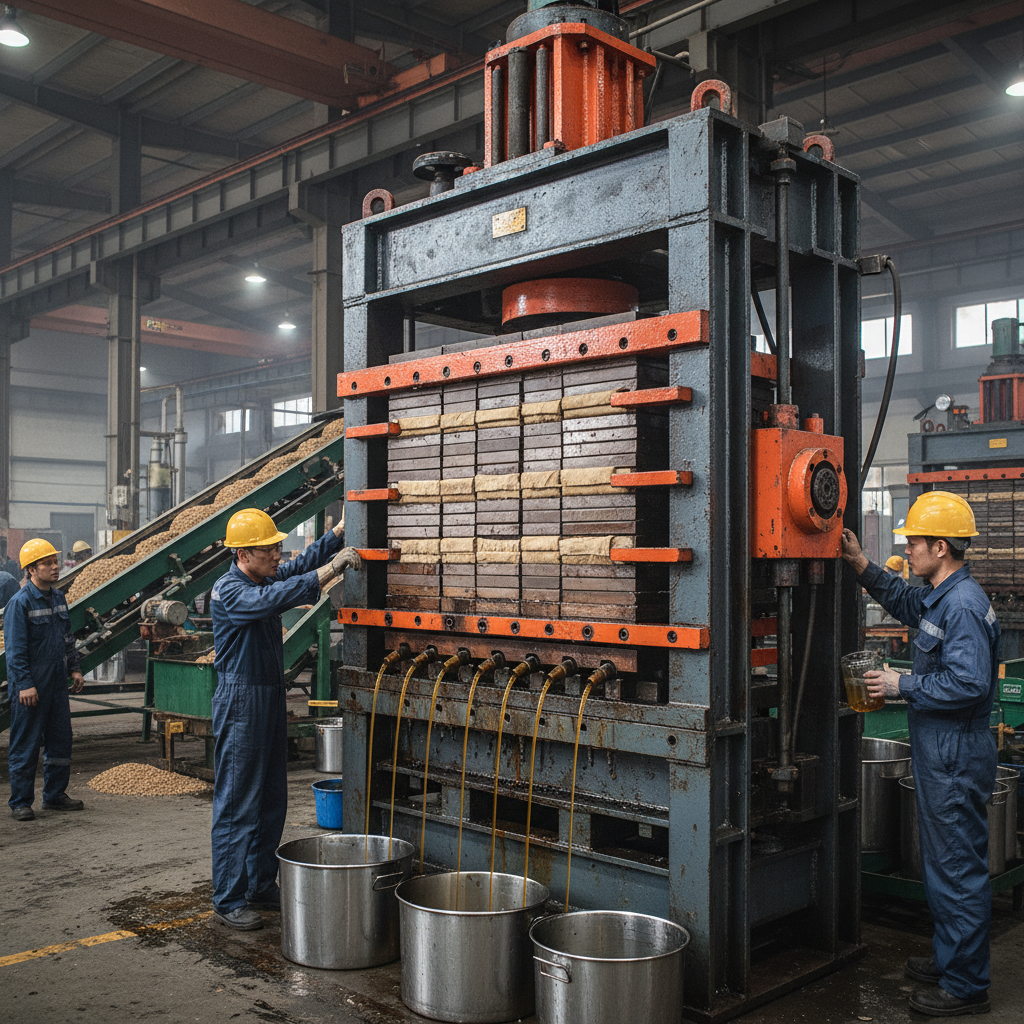
Sunflower oil press technology is widely applied across various sectors. Large-scale industrial facilities use automated presses to meet the demands of the food industry, supplying sunflower oil for cooking, margarine production, and salad dressings. Smaller, semi-automatic presses are commonly found in rural communities and small farms, enabling local oil production and supporting livelihoods.
In post-disaster relief operations, portable sunflower oil press units can provide a vital source of nutrition and income for affected populations. These presses allow for the rapid processing of locally sourced seeds, reducing reliance on external aid and promoting self-sufficiency.
Advantages and Economic Considerations
The advantages of utilizing a sunflower oil press are multifaceted. Economically, it offers a viable business opportunity for farmers and entrepreneurs, allowing them to add value to their crops and capture a larger share of the market. The production of sunflower meal as a byproduct also generates additional revenue streams, enhancing the overall profitability of the operation.
From a sustainability perspective, local oil pressing reduces transportation costs and associated carbon emissions. It also promotes the use of renewable resources and minimizes waste through the utilization of sunflower meal as animal feed or fertilizer. The enhanced control over the production process contributes to food security and supports sustainable agricultural practices.
Furthermore, the reliability of modern sunflower oil press machines contributes to peace of mind for operators, ensuring consistent production and minimizing downtime. The investment in quality equipment is often offset by long-term savings and increased profitability.
Future Trends and Technological Advancements
The future of sunflower oil press technology is focused on enhancing efficiency, reducing energy consumption, and improving automation. Research and development are underway to explore new pressing methods, such as supercritical fluid extraction, which offer higher oil yields and reduced environmental impact.
Digital transformation plays a crucial role, with the integration of sensors and data analytics enabling real-time monitoring of press performance and predictive maintenance. This allows for optimized operation and minimizes downtime. Automated control systems are becoming increasingly sophisticated, reducing the need for manual intervention and improving overall efficiency.
Sustainable practices are also driving innovation, with a focus on utilizing renewable energy sources to power sunflower oil press operations and developing biodegradable materials for press components.
Trends in Sunflower Oil Press Technology
| Technology Category |
Current Status |
Potential Impact |
Adoption Rate |
| Automated Press Control |
Increasingly Common |
Improved Efficiency & Reduced Labor |
65% |
| Sensor-Based Monitoring |
Emerging Technology |
Predictive Maintenance & Optimized Performance |
40% |
| Supercritical Fluid Extraction |
Research & Development Stage |
Higher Oil Yield & Reduced Solvent Use |
15% |
| Renewable Energy Integration |
Growing Trend |
Reduced Carbon Footprint & Lower Energy Costs |
50% |
| Biodegradable Press Components |
Early Development |
Reduced Environmental Impact & Sustainable Manufacturing |
20% |
| Remote Diagnostics & Support |
Expanding Availability |
Faster Issue Resolution & Reduced Downtime |
35% |
FAQS
The oil yield from a sunflower oil press varies depending on several factors including seed quality, moisture content, press type, and operational settings. However, a well-maintained press operating with high-quality seeds can typically achieve an oil yield of between 65% and 80%. Lower yields may indicate issues with seed preparation or press maintenance, while higher yields suggest optimal conditions and efficient processing.
Regular maintenance is crucial for ensuring the longevity and efficiency of a sunflower oil press. This includes daily cleaning to remove seed debris, regular lubrication of moving parts, and periodic inspection and replacement of worn components such as the screw, bearings, and filters. Following the manufacturer's maintenance schedule is highly recommended to prevent breakdowns and maximize performance.
While designed primarily for sunflower seeds, many sunflower oil presses can also process other oilseeds, including rapeseed, soybean, flaxseed, and palm kernel. However, it’s important to consider the seed characteristics, such as oil content and hardness, as these can affect the press’s performance and may require adjustments to operational parameters.
Power consumption varies significantly depending on the size and capacity of the press. Smaller, manual presses require minimal power, while larger, automated industrial presses can consume several kilowatts per hour. Factors like seed moisture content and pressing speed also influence energy usage. Considering energy efficiency is crucial when selecting a sunflower oil press.
Ensuring oil quality starts with using high-quality seeds that are clean, dry, and free from contaminants. Proper seed preparation is also crucial. The oil should be filtered immediately after extraction to remove any remaining seed particles or impurities. Storing the oil in airtight, dark containers at a cool temperature will help preserve its flavor and nutritional value.
Operating a sunflower oil press involves potential hazards such as moving parts, high temperatures, and electrical components. Always follow the manufacturer's safety guidelines, wear appropriate personal protective equipment (PPE) like safety glasses and gloves, and ensure the press is properly grounded. Never attempt to repair or modify the press while it is running.
Conclusion
In conclusion, the sunflower oil press represents a vital technology for unlocking the potential of sunflower seeds and meeting the growing global demand for vegetable oils. From small-scale rural operations to large-scale industrial facilities, these presses play a crucial role in food security, economic development, and sustainable agricultural practices. Understanding the principles, components, and advancements in sunflower oil press technology is essential for maximizing efficiency and optimizing production.
Looking ahead, continued innovation in areas like automation, energy efficiency, and sustainable materials will further enhance the value of sunflower oil press technology. Investing in research and development, promoting best practices, and fostering collaboration within the industry will be key to unlocking its full potential and ensuring a secure and sustainable future for sunflower oil production.