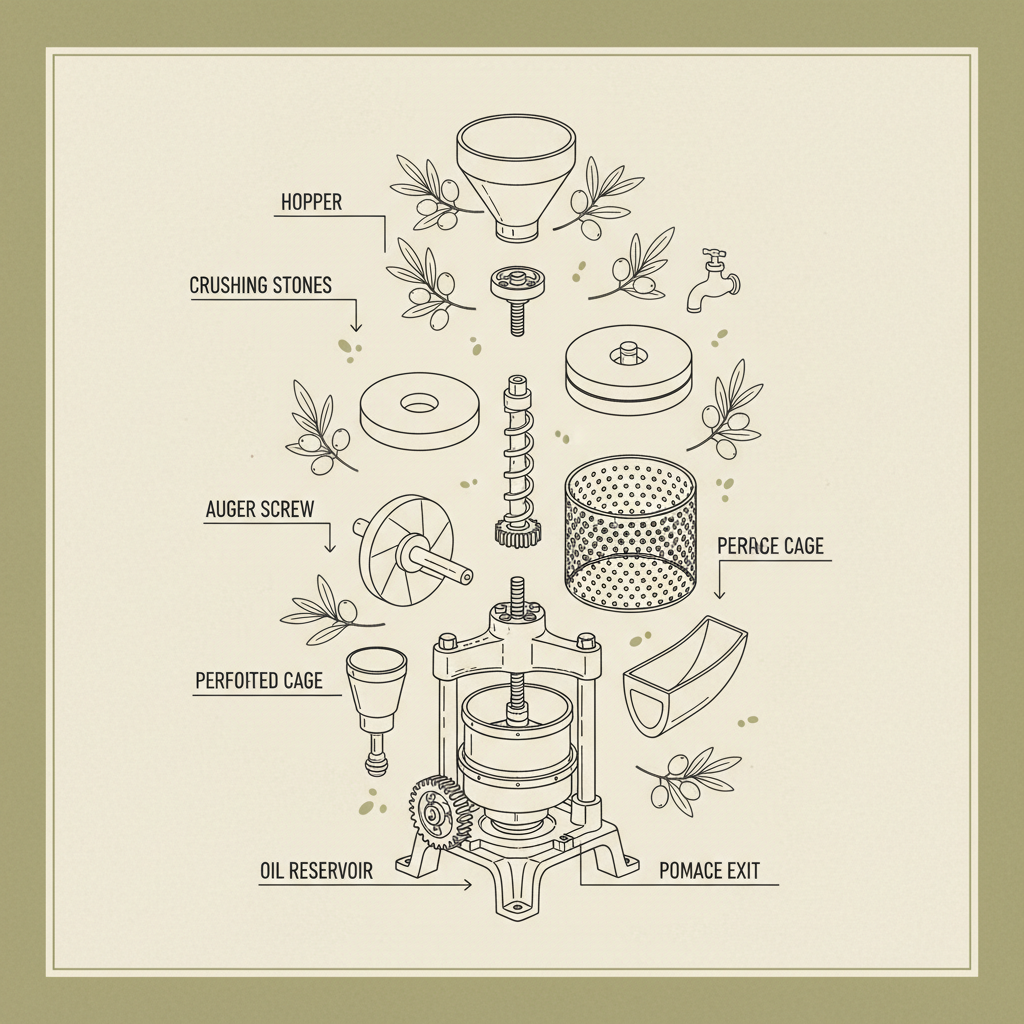
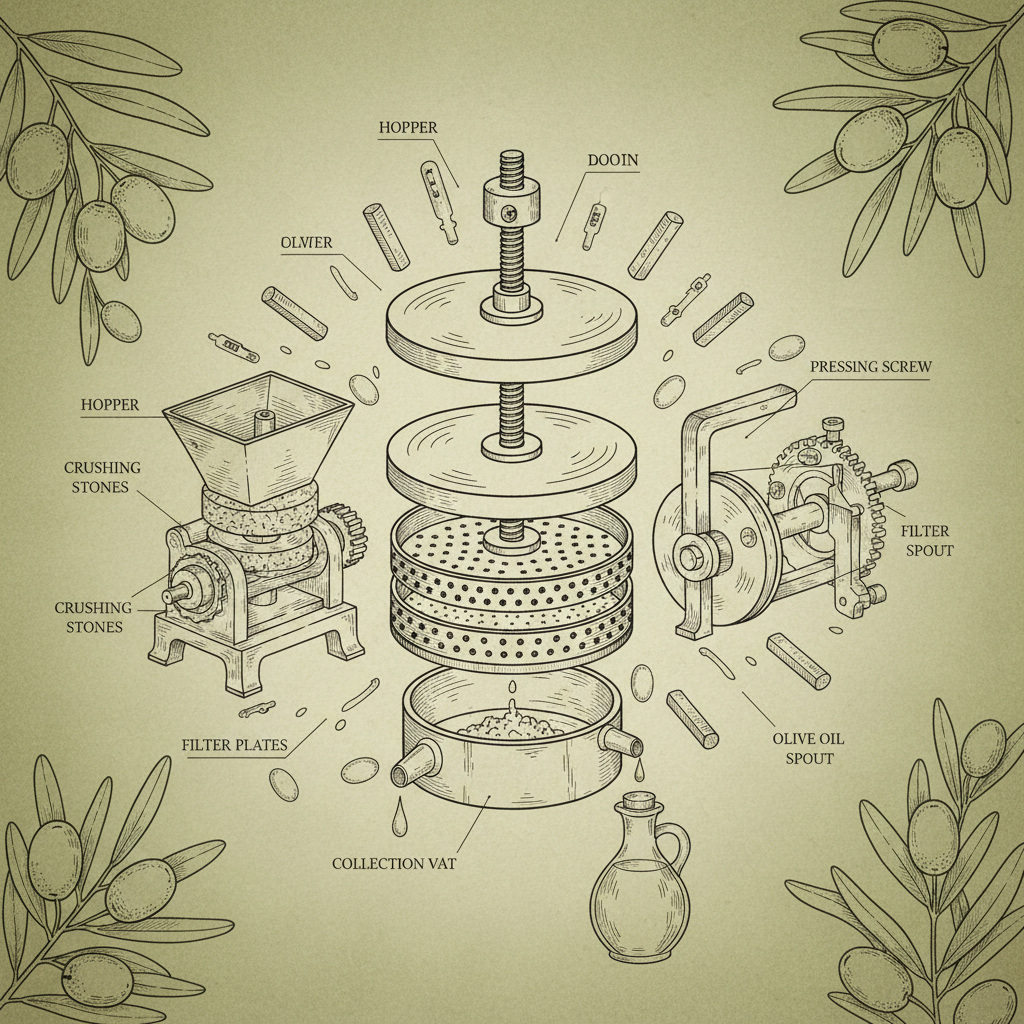
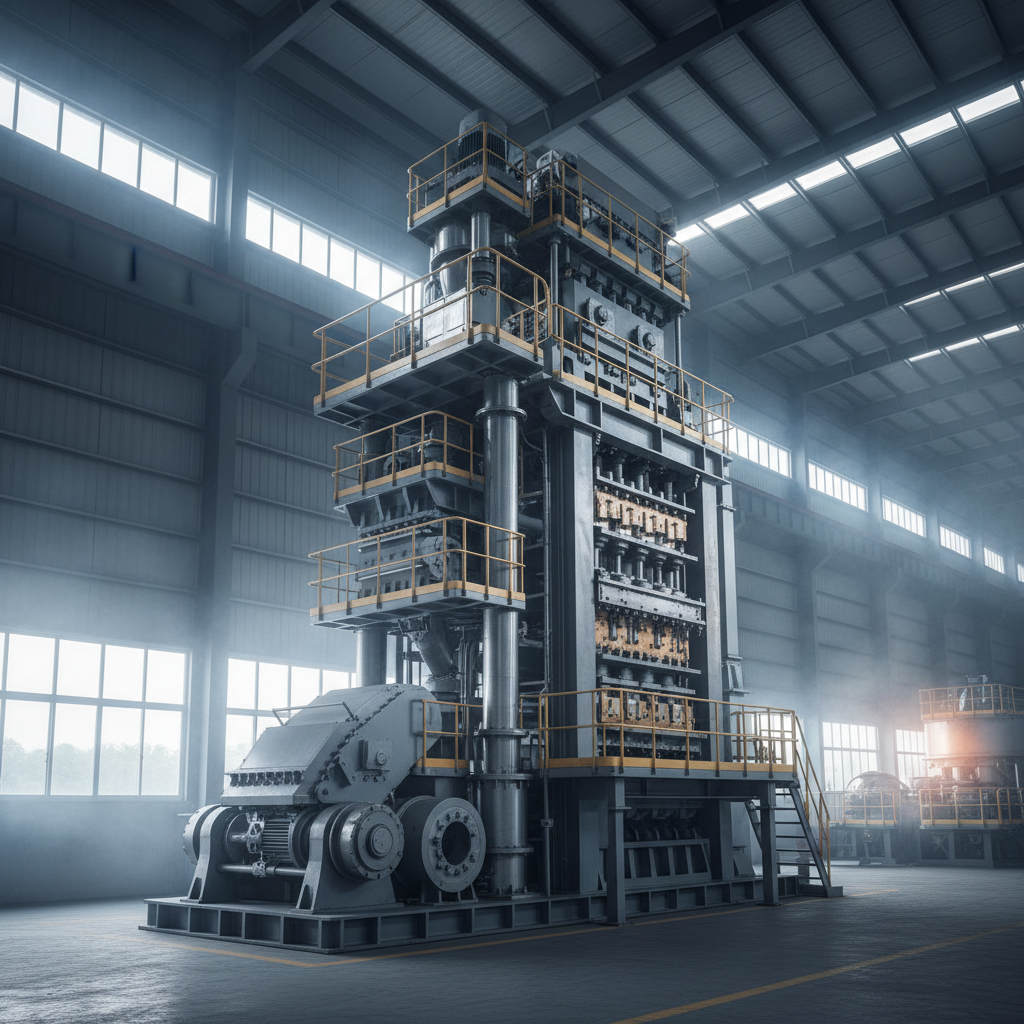
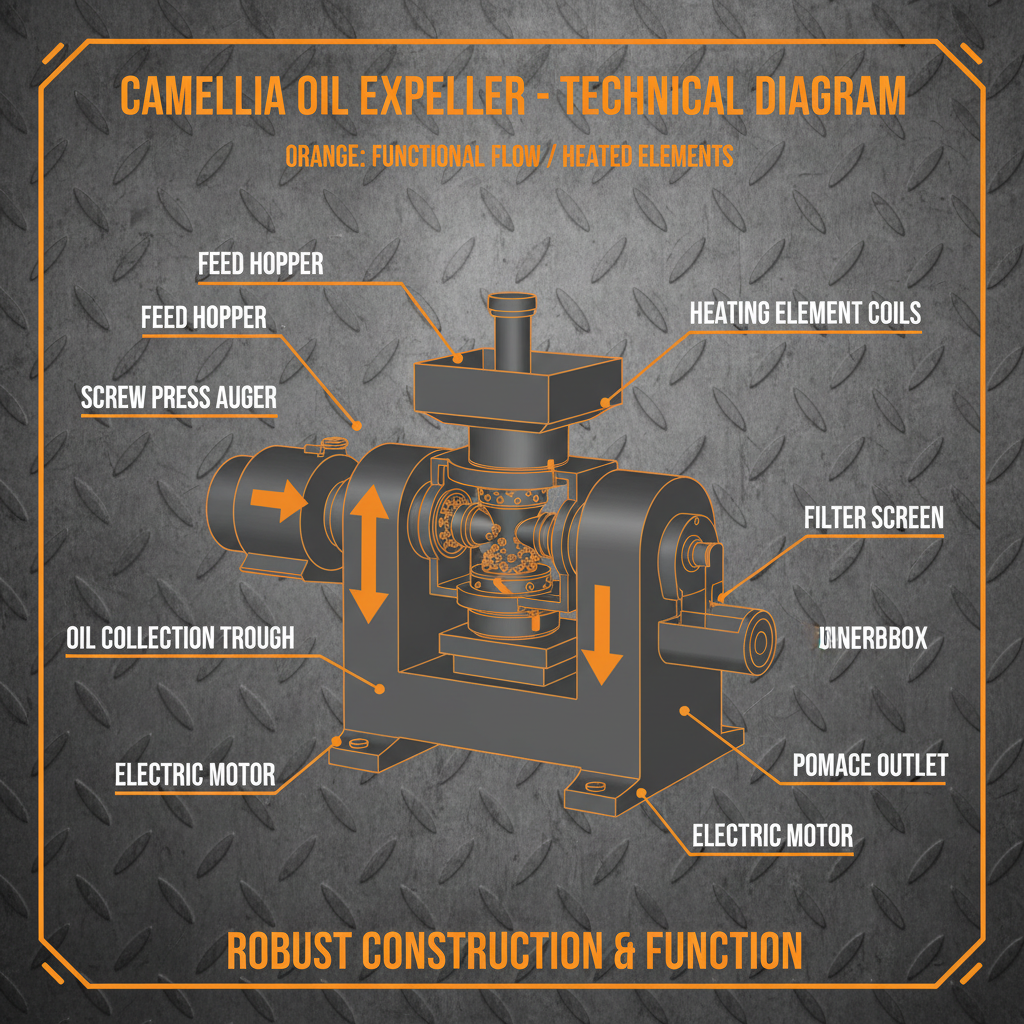
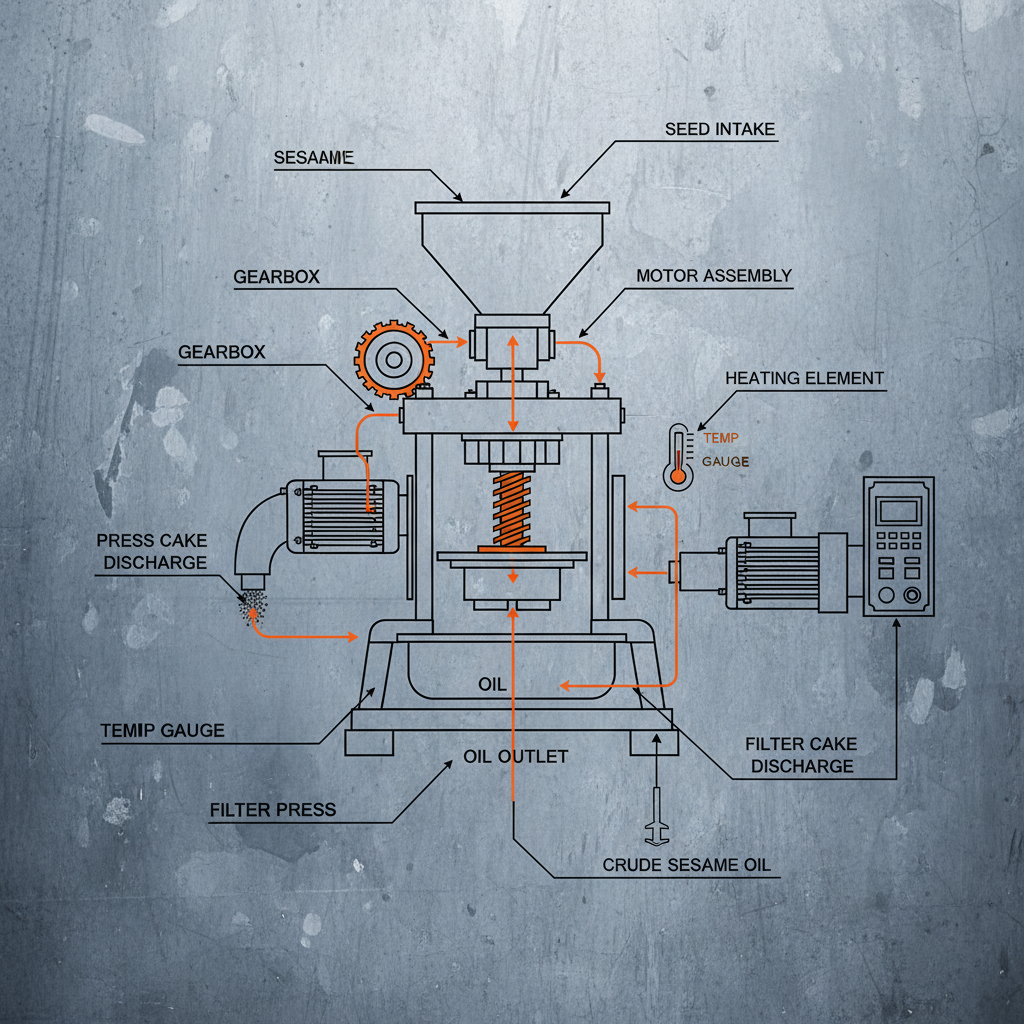
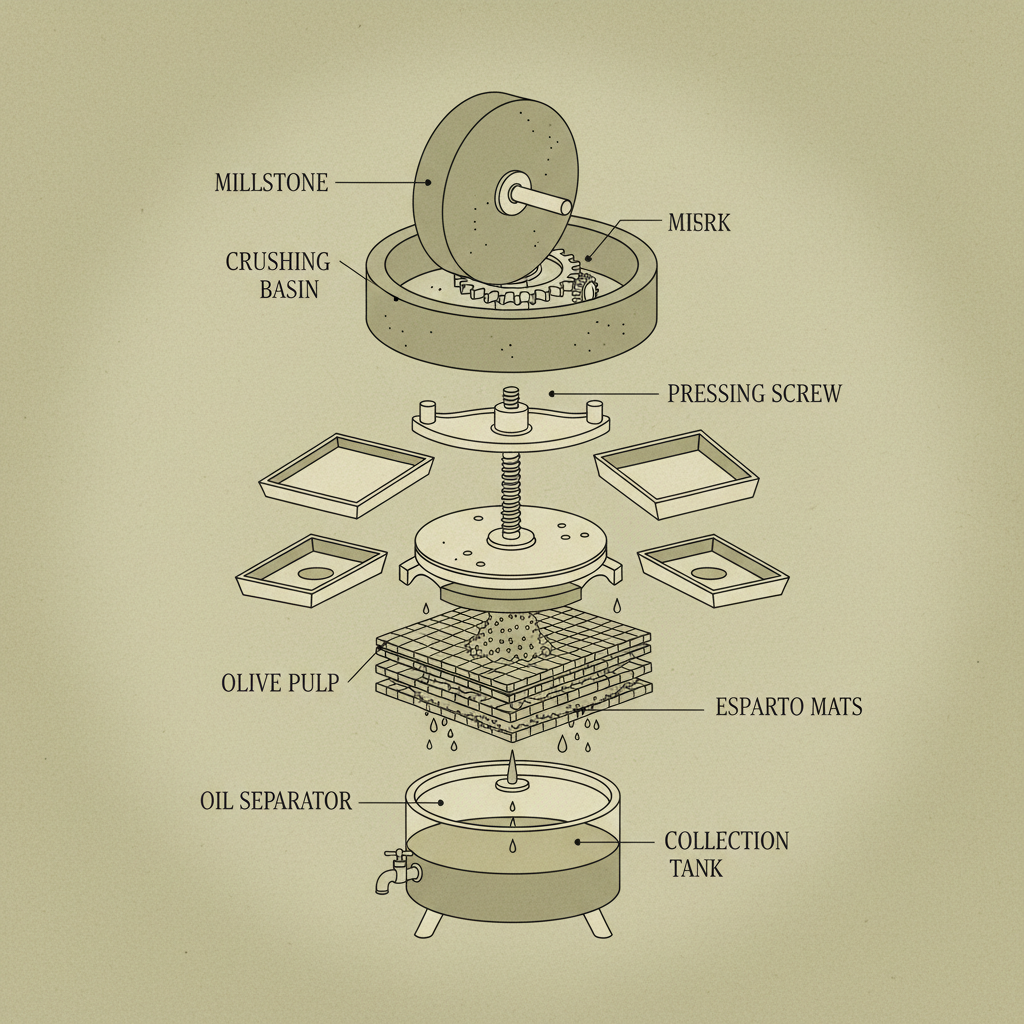
You know, I’ve been running around construction sites all year, getting dust in my teeth, and honestly, the biggest buzz right now is about energy efficiency. Everyone's obsessed with it. Not just for saving money, but because regulations are getting tighter, and nobody wants to deal with the headaches later. It’s all about squeezing every bit of performance out of everything, and that’s where a good oil press machine comes in. It’s not glamorous, but it's essential, especially when you're trying to power remote operations.
The funny thing is, people often get hung up on the fancy specs – the throughput, the pressure, all that. But they forget the basics. I’ve seen so many designs that look great on paper, but are a nightmare to actually maintain in the field. You need something robust, something a guy with greasy hands can fix with a wrench, not a PhD in engineering. Simplicity, that’s key.
And let’s talk materials. It's not just about stainless steel. You need to think about the grade, the weld quality, even the finish. I encountered this at a factory in Zhejiang last time; they were using a cheaper grade, and it was rusting through in a matter of weeks. The smell alone was enough to make you want to hold your breath. Good steel…it’s got a weight to it, a solid feel. And the rubber seals? Forget the cheap stuff; you need Viton or something comparable, otherwise, it’ll crumble under pressure and you'll be dealing with leaks.
The Current Landscape of Oil Press Machine Technology
To be honest, everyone's chasing automation. I've seen machines that practically run themselves, with sensors and microprocessors controlling everything. But strangely, the older, simpler models are still incredibly popular. Why? Because they’re reliable. They don't rely on a bunch of fancy electronics that can fail in the middle of nowhere. It’s about striking a balance.
The shift towards smaller, portable units is also big. People need something they can toss in the back of a truck and set up on-site quickly. The demand for these self-contained oil press machine setups, coupled with renewable energy sources like solar, is growing rapidly. It makes a lot of sense when you're talking about remote locations.
Common Design Pitfalls in Oil Press Machine Manufacturing
Have you noticed how many manufacturers skimp on the bearings? Seriously, that's a major point of failure. Cheap bearings mean constant breakdowns and downtime. It's a classic case of penny-wise, pound-foolish. And the cooling systems... a lot of them are inadequate, especially for extended use. The machine overheats, parts warp, and you're left with a mess.
Another thing: the oil filtration system. If it’s not effective, you end up with contaminated oil, which reduces efficiency and damages the internal components. It's like not changing the oil in your car - eventually, it's going to seize up.
Then there’s the control panel. Too many buttons, too many confusing settings. A good control panel should be intuitive, even for someone who's never used a machine before. I saw one the other day that looked like a spaceship console! Who needs all that?
Materials Used in Oil Press Machine Construction
Like I was saying earlier, the steel is critical. You want a high-carbon alloy, something that can withstand immense pressure and resist wear and tear. And the surface treatment matters too – a good coating can prevent corrosion and extend the lifespan of the machine. I encountered a supplier that was trying to pass off galvanized steel as high-carbon… don’t even get me started. It felt flimsy, sounded hollow when you tapped it, and smelled like… well, disappointment.
The seals are another area where material quality is paramount. Viton, as I mentioned, is a good choice because it's resistant to oil, heat, and abrasion. But there are other options too, like Teflon, depending on the application. You’ve also got to think about the hoses and fittings – they need to be able to handle high pressure and resist leaks. I’ve seen so many cheap hoses burst under pressure, sending oil spraying everywhere. Not a pretty sight.
And don’t forget the lubricants! A high-quality oil is essential for reducing friction and extending the life of the moving parts. You want something that can withstand high temperatures and pressures, and won't break down over time. Anyway, I think the little things are often overlooked, but they make all the difference.
Rigorous Testing Procedures for Oil Press Machine Reliability
Testing? Forget the lab. I need to see these things run in the real world. We set up trials at construction sites, in workshops, even in the middle of the desert. We push them to their limits – long hours, extreme temperatures, dirty conditions. That’s the only way to truly assess their reliability.
We look for things like leaks, overheating, and component failures. We measure the oil output, the energy consumption, and the overall efficiency. And we talk to the operators – they’re the ones who really know how the machine performs. They’ll tell you what works and what doesn’t, without holding back.
Oil Press Machine Performance Metrics
Real-World Applications of Oil Press Machine
It’s not always about big construction projects, you know? I’ve seen these used in everything from small workshops to mobile food vendors. Especially for biofuel production, people are realizing they can make their own fuel on-site. It cuts costs and reduces their carbon footprint.
And the demand is really taking off in disaster relief. Having a portable oil press machine allows you to generate power in areas where the grid is down. It’s a lifesaver.
Advantages and Disadvantages of Oil Press Machine
Okay, the advantages are pretty clear. Reliability, portability, efficiency, and the ability to operate off-grid. You can’t argue with that. They’re also relatively easy to maintain, assuming you use quality parts.
But let's be real, they're not perfect. They can be noisy. They require regular maintenance. And they're not ideal for processing large volumes of oil. I’ve also noticed that some models can be surprisingly sensitive to the quality of the input material. You give it dirty seeds, you get dirty oil. Simple as that.
Later... Forget it, I won't mention the guy who tried to run one on seawater. It wasn’t pretty.
Customization Options and Case Studies for Oil Press Machine
Customization? Absolutely. Last month, that small boss in Shenzhen who makes smart home devices insisted on changing the interface to . He said it "looked more modern." It created a whole headache with the power supply, but hey, he was the customer. We also do a lot of work on the filtration systems, tailoring them to the specific type of oil being processed.
We had a guy in Australia who needed a machine that could run on solar power. We modified the motor and added a battery storage system. It worked perfectly. He was thrilled.
Another customer wanted a machine with a built-in sensor that automatically adjusted the pressure based on the oil content of the seeds. A bit over the top, maybe, but it worked. The key is to listen to what the customer needs and find a way to make it happen.
Summary of Oil Press Machine Customization Details
| Customization Type |
Application Scenario |
Technical Difficulty |
Estimated Cost (USD) |
| Interface Modification |
Aesthetic Preferences |
Low |
$50 - $200 |
| Filtration System Upgrade |
Specific Oil Type Requirements |
Medium |
$300 - $800 |
| Solar Power Compatibility |
Remote Off-Grid Locations |
High |
$1000 - $2500 |
| Automatic Pressure Adjustment |
Optimizing Oil Yield |
Very High |
$2000+ |
| Material Upgrade (Stainless Steel) |
Corrosive Environments |
Medium |
$500 - $1500 |
| Noise Reduction |
Residential Areas |
Low - Medium |
$200 - $600 |
FAQS
That depends on how well it’s maintained, but a good machine should last at least 5-7 years, even with heavy use. The key is regular lubrication, cleaning, and replacing worn parts. I've seen some that are still going strong after 10 years, but those have been meticulously cared for. It's like any other piece of machinery; if you treat it right, it'll treat you right.
Most machines can handle a wide variety of seeds – sunflower, rapeseed, soybeans, peanuts, even palm kernels. But it’s important to check the manufacturer's specifications, as some seeds are harder to process than others. And the quality of the seeds matters too. Dirty or damaged seeds will reduce efficiency and can even damage the machine.
Regular maintenance is crucial. You'll need to lubricate the moving parts, clean the filters, and check the seals for wear and tear. Depending on usage, you might need to replace the bearings or other components every year or two. It’s not rocket science, but it does require a bit of attention.
Energy consumption varies depending on the size and type of machine. Smaller, manual models obviously use very little energy. Larger, electric models can consume several kilowatts per hour. But the good thing is, you can often offset this cost by using renewable energy sources like solar or wind power.
The portability varies. Some are designed to be easily moved, with wheels and handles. Others are larger and require a forklift or crane. It’s important to consider the transportation requirements when choosing a machine, especially if you need to move it frequently.
Safety is paramount. Always wear appropriate personal protective equipment, like gloves and safety glasses. Make sure the machine is properly grounded. And never attempt to repair or modify the machine while it’s running. It's common sense, but you'd be surprised how many people ignore these basic precautions.
Conclusion
So, there you have it. The oil press machine market is evolving, with a focus on efficiency, portability, and customization. Choosing the right machine isn't just about specs; it’s about understanding your needs, considering the operating environment, and prioritizing reliability. It's about finding the right balance between technology and practicality.
Ultimately, whether this thing works or not, the worker will know the moment he tightens the screw. They'll feel the resistance, hear the sound, and know if it's solid or if something's off. That’s the real test, and that's what I trust. Check out our range at www.oilmillchina.com – we've got a machine for almost every situation.