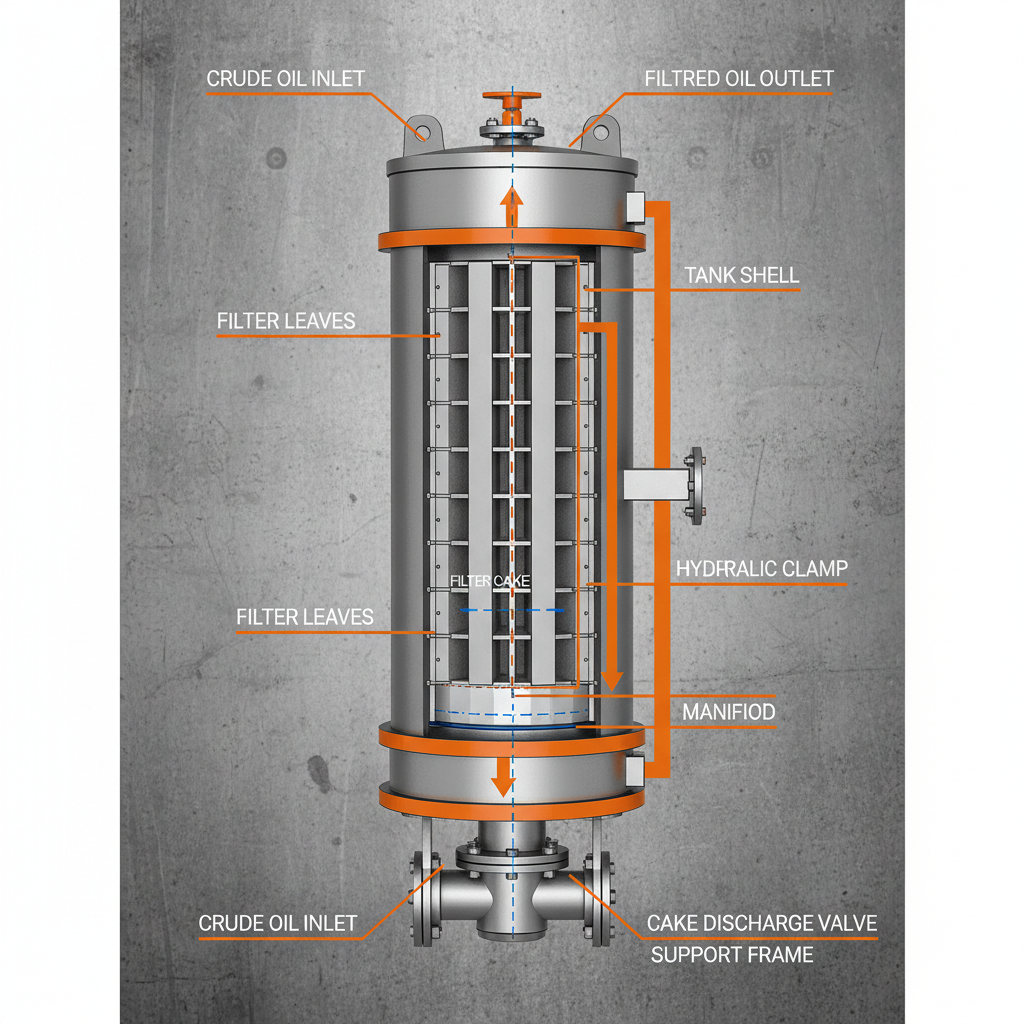
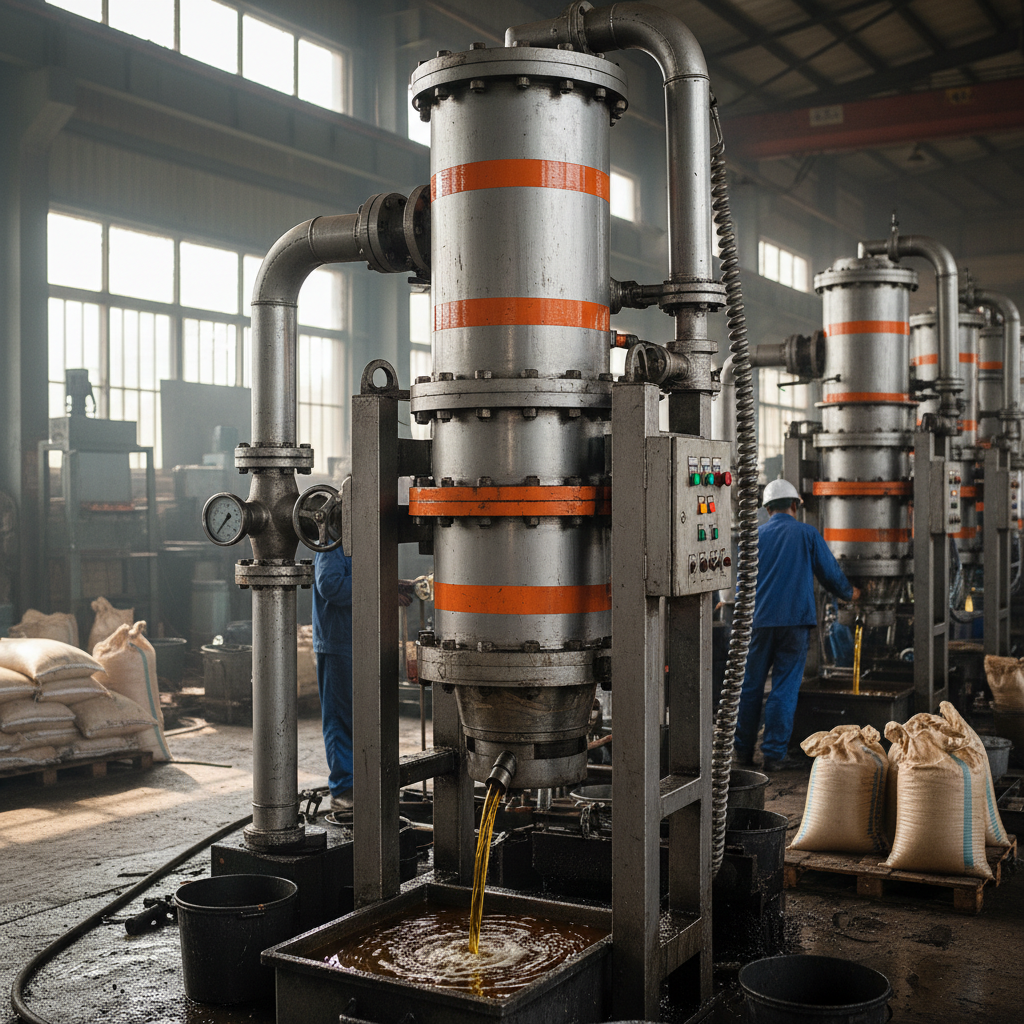
The global food processing industry relies heavily on efficient and reliable filtration systems. Among these, the vertical blade vibration filter stands out as a crucial component in ensuring the quality and purity of edible oils and other processed food products. Its ability to effectively remove impurities, enhance product clarity, and extend shelf life makes it an indispensable asset for manufacturers worldwide. Understanding the intricacies of this technology is vital for optimizing production processes and meeting stringent industry standards.
The demand for high-quality food processing equipment is steadily increasing, driven by a growing global population and evolving consumer preferences. Within this landscape, the vertical blade vibration filter plays a key role in addressing challenges related to food safety, consistency, and yield. As manufacturers strive for greater efficiency and sustainability, innovative filtration solutions like this become increasingly important for maintaining a competitive edge.
Investing in the right filtration technology isn’t just about improving product quality; it’s also about optimizing operational costs and minimizing environmental impact. The vertical blade vibration filter offers a compelling solution for companies looking to enhance their production capabilities while adhering to responsible manufacturing practices.
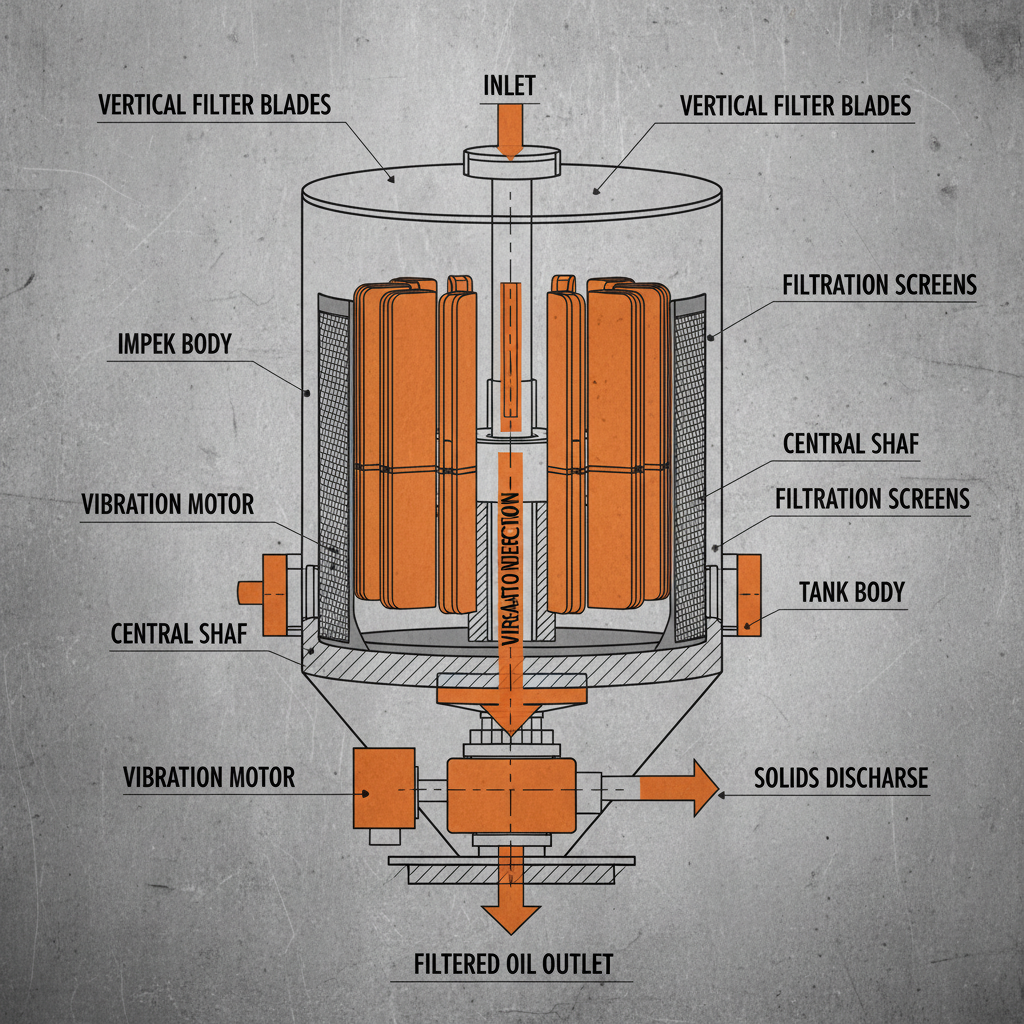
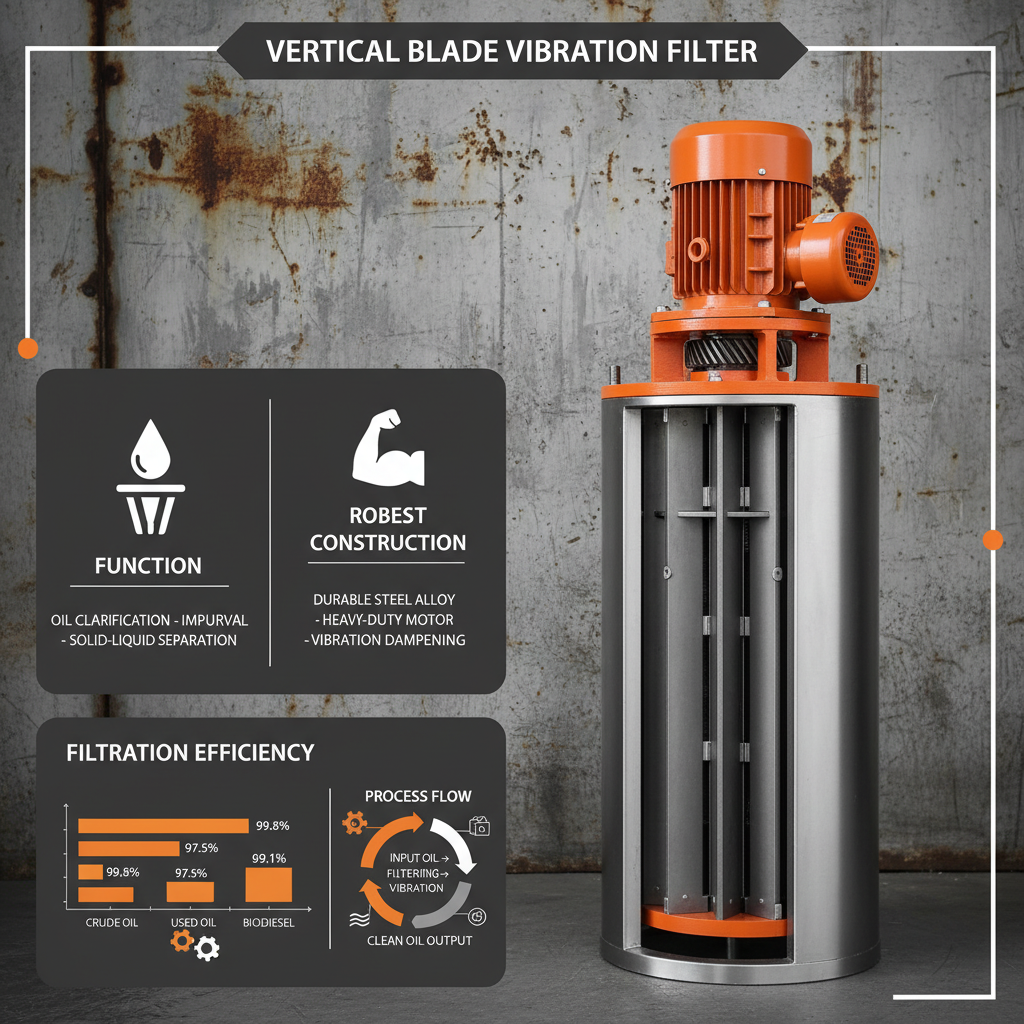
Vertical blade vibration filters represent a significant advancement in solid-liquid separation technology, particularly within the edible oil and food processing industries. Unlike traditional filtration methods, these systems utilize a vibratory action coupled with strategically positioned blades to efficiently remove particulate matter from liquids. This method minimizes clogging, reduces downtime, and enhances overall filtration performance.
The core principle behind these filters is the creation of a controlled vibration that facilitates the settling of solids while allowing the clarified liquid to pass through. The vertical blade design maximizes surface area and ensures even distribution of the vibration, resulting in consistent and reliable filtration results. This is especially crucial in applications where maintaining product purity and clarity is paramount.
The lifespan of the filter mesh varies depending on the type of fluid being filtered, the concentration of solids, and the operating conditions. Generally, a high-quality stainless steel mesh can last between 6 months to 2 years with proper maintenance, including regular cleaning and inspection. Nylon or polypropylene meshes may have a shorter lifespan, typically ranging from 3 to 9 months. Regular monitoring is crucial for optimal performance.
Vertical blade vibration filters are designed for relatively easy cleaning and maintenance. The filter housing typically features quick-access panels for removing the mesh and blades. Cleaning involves rinsing the components with appropriate solvents or detergents, followed by thorough drying. Regular inspection of the vibratory motor and control system is also recommended to ensure proper operation. Detailed cleaning procedures are usually outlined in the manufacturer’s manual.
Vertical blade vibration filters excel at processing a wide range of liquids, including edible oils, fruit juices, wines, beers, dairy products, and sugar syrups. They are particularly effective at removing suspended solids, sediment, and particulate matter. However, the specific filter mesh and vibration parameters should be carefully selected based on the characteristics of the liquid being filtered to ensure optimal performance.
Power consumption varies depending on the filter's size, capacity, and vibration frequency. Smaller filters may consume around 0.5 to 1 kilowatt (kW) of power, while larger industrial-scale filters can require up to 5 kW or more. Modern filters often incorporate energy-saving features, such as variable frequency drives, to optimize power consumption and reduce operating costs.
Compared to plate and frame filters, vertical blade vibration filters offer several advantages, including continuous operation, reduced downtime, and the ability to handle higher solids concentrations. Plate and frame filters require periodic disassembly and cleaning, whereas vibration filters can operate continuously for extended periods. They also tend to be less prone to clogging and offer better filtration efficiency for certain applications.
Safety is paramount when operating any industrial equipment. Ensure the filter is properly grounded to prevent electrical hazards. Always follow the manufacturer's instructions for operation and maintenance. Implement lockout/tagout procedures during maintenance to prevent accidental start-up. Wear appropriate personal protective equipment (PPE), such as safety glasses and gloves, when handling filter components or cleaning agents.
In conclusion, the vertical blade vibration filter represents a sophisticated and highly effective solution for solid-liquid separation in a wide range of food processing applications. Its ability to enhance product quality, reduce operating costs, and promote sustainable practices makes it an invaluable asset for manufacturers seeking to optimize their operations. Understanding the core principles, key components, and future trends of this technology is crucial for maximizing its benefits.
As the food processing industry continues to evolve, driven by increasing consumer demands and stricter regulatory standards, the role of advanced filtration technologies like the vertical blade vibration filter will only become more significant. Investing in this technology isn’t just about improving current processes; it's about preparing for a future where efficiency, sustainability, and product quality are paramount. Visit our website to learn more about our range of vertical blade vibration filters and how we can help you optimize your food processing operations.