Look, I've spent the last fifteen years knee-deep in concrete dust and grease, watching things get built – and things not get built. You quickly learn what actually solves problems on a job site, and what’s just marketing hype. And let me tell you, efficient filtration is absolutely critical. We’re talking about protecting equipment, ensuring product quality, and frankly, keeping people from getting sick. The vertical leaf filter is one of those pieces of kit that quietly makes everything run smoother. It’s not glamorous, but it's the backbone of so many processes.
It’s not just about the obvious stuff either – preventing clogging and downtime. It's about reducing waste, minimizing environmental impact, and ultimately, hitting project deadlines. I've seen projects grind to a halt because of filtration issues, and the cost isn't just in lost time. It's in damaged reputations and frustrated crews. A good vertical leaf filter system is an investment, plain and simple.
We’ve moved past the days of constantly babysitting filters, constantly cleaning screens. Modern vertical leaf filters are designed for reliability, and that translates directly into cost savings and a more predictable workflow. You need equipment that you can trust to perform day in and day out, especially when you’re working against the clock. And that’s where these systems really shine.
The Core Functionality of vertical leaf filter
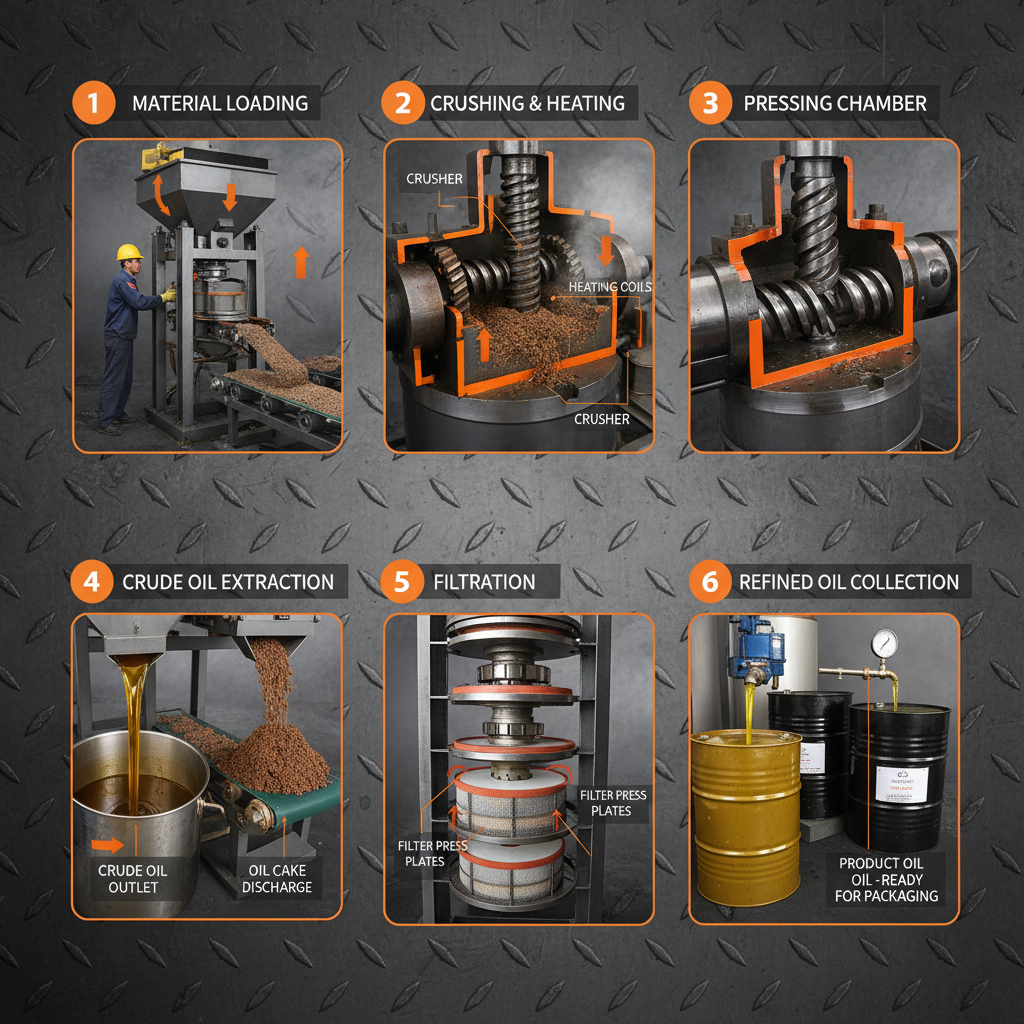
At its heart, a vertical leaf filter is designed to separate solids from liquids efficiently. But it’s not just about removing the solids; it's about doing it consistently, reliably, and with minimal interruption to the process. We're talking about anything from removing particulate matter from oils and lubricants to clarifying process water. It’s about keeping things flowing.
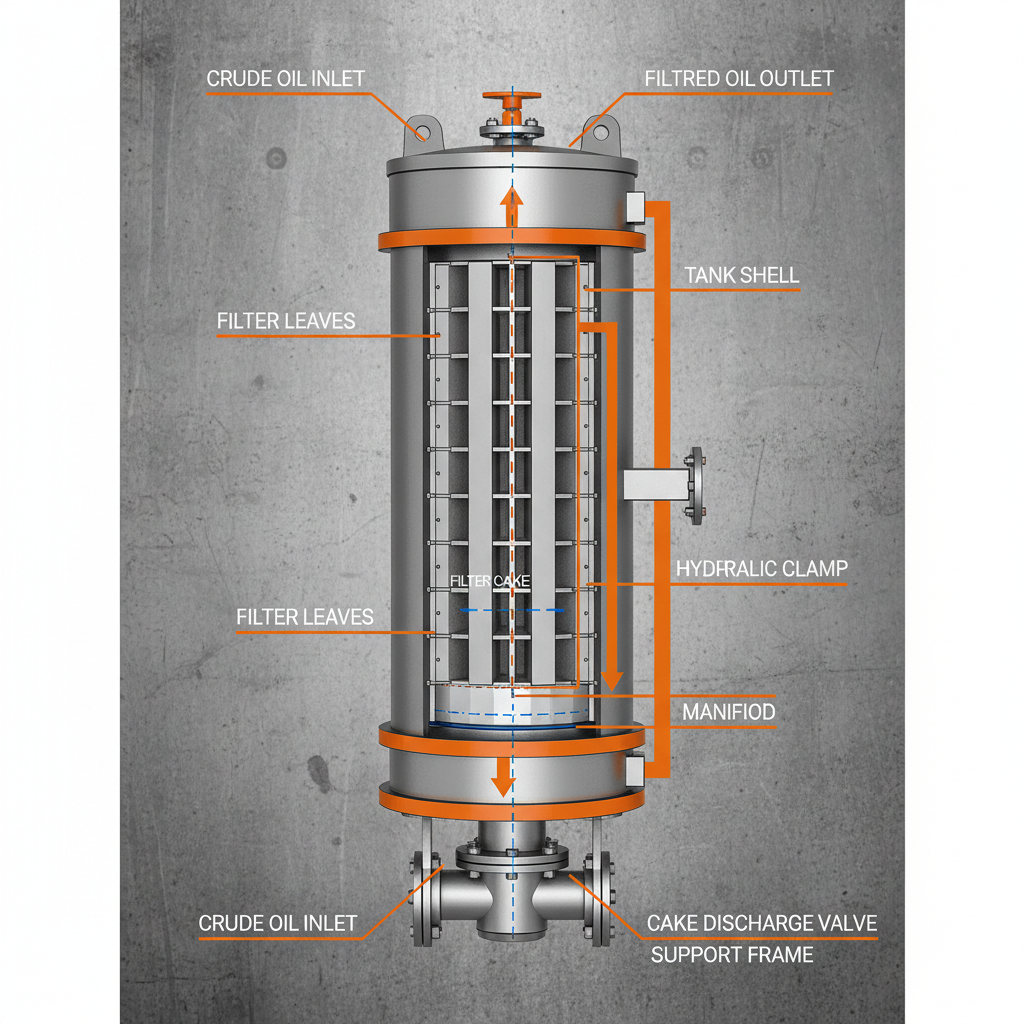
The “vertical leaf” part is key. Those leaves – the filter media – are arranged vertically, which means gravity assists with the separation process. This design helps prevent clogging and makes the system easier to clean and maintain, especially in high-solids applications. Believe me, on a busy site, you need something that doesn’t demand constant attention.
Industry Relevance and Global Impact
You’ll find vertical leaf filter systems in practically every industry you can imagine. Oil and gas, chemical processing, food and beverage, pharmaceuticals, even wastewater treatment – they all rely on effective filtration. And it’s a global need. I’ve worked on projects in South America, the Middle East, and Southeast Asia, and the demand for reliable filtration is universal.
The impact isn't just economic, either. Clean water is fundamental to public health, and efficient filtration plays a crucial role in ensuring access to safe drinking water. Minimizing industrial waste reduces environmental pollution. These systems contribute to sustainable practices, which is becoming increasingly important. The UN Sustainable Development Goals, for instance, directly address the need for clean water and sanitation, and vertical leaf filters can be a part of the solution.
The ISO standards surrounding filtration systems are getting stricter, too. That’s a good thing. It forces manufacturers to prioritize quality and performance, which ultimately benefits everyone on the job site. It’s no longer enough to just say a filter works; you need to be able to prove it.
Defining vertical leaf filter: A Practical Perspective
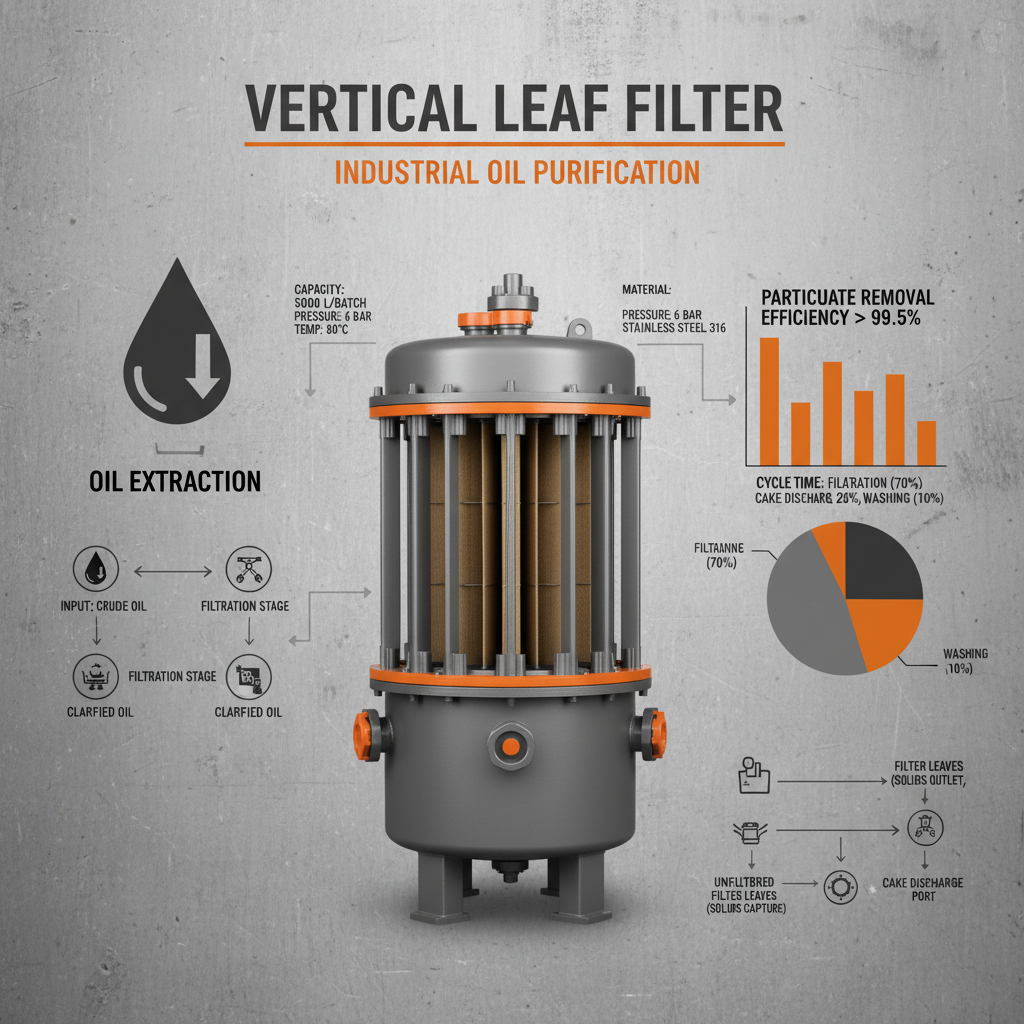
Forget the technical jargon. A vertical leaf filter, in the simplest terms, is a system that uses a series of vertically oriented filter leaves to separate solid particles from a liquid. Those leaves are typically made of a woven mesh or a specialized fabric, and they act like a sieve, trapping the solids while allowing the liquid to pass through. It's all about surface area – maximizing the filtration area within a given footprint.
What really sets these filters apart is their ability to handle high solids loads. Unlike some other filtration methods, they don’t clog up easily. The vertical arrangement and the backwashing capabilities – where you essentially reverse the flow of liquid to flush out the trapped solids – allow them to operate continuously for extended periods. That’s crucial on a job site where downtime is expensive.
They connect directly to modern industrial processes, removing the need for constant manual intervention. And with automation becoming more prevalent, they integrate seamlessly into larger control systems, providing real-time data on filter performance and alerting operators when maintenance is required. It’s about working smarter, not harder.
Key Characteristics of Effective vertical leaf filter Systems
Let’s talk about what makes a vertical leaf filter system good. It’s not just about the initial price tag.
First, durability. These systems need to withstand harsh operating conditions – high pressures, corrosive fluids, and the general wear and tear of a construction site. You want a robust construction and high-quality materials. Second, filtration efficiency. The system needs to effectively remove the target contaminants without compromising flow rate. Third, ease of maintenance. The less time you spend cleaning and repairing, the better. A well-designed system should be easy to access and service.
Performance Metrics for Different vertical leaf filter Methods
Real-World Applications of vertical leaf filter
I’ve seen these systems used in everything from municipal water treatment plants to oil refineries. In post-disaster relief operations, they're crucial for providing clean drinking water. They're also essential in the food and beverage industry for clarifying juices, wines, and beers.
We use them frequently in remote industrial zones where access to maintenance crews is limited. You need something that’s going to run reliably with minimal supervision. I’ve seen them deployed on offshore oil platforms, in chemical processing facilities in the desert, and even in large-scale aquaculture operations.
The Long-Term Value Proposition of vertical leaf filter
The initial investment in a quality vertical leaf filter system is often offset by long-term cost savings. Reduced downtime, lower maintenance requirements, and improved product quality all contribute to a better bottom line.
Beyond the financial benefits, there’s the sustainability aspect. By reducing waste and minimizing environmental impact, these systems help companies meet their environmental goals. And that’s becoming increasingly important for attracting customers and investors. It’s a win-win.
You’re also building trust with your clients. When they know you’re using reliable, high-quality equipment, they’re more likely to rely on you for future projects. That reputation is invaluable.
Future Trends and Innovation in vertical leaf filter Technology
We’re seeing a lot of innovation in materials science right now. New filter media are being developed that offer higher filtration efficiency and longer lifespans. There's also a growing trend towards automation and remote monitoring.
Digital sensors and data analytics are being integrated into these systems, providing real-time insights into filter performance. This allows operators to proactively identify and address potential issues before they lead to downtime. Predictive maintenance is the name of the game.
And with the increasing focus on sustainability, we're seeing the development of more energy-efficient filtration systems. These systems use less power and generate less waste, contributing to a more environmentally friendly operation.
Summary of Key Challenges and Potential Solutions in vertical leaf filter Implementation
| Challenge |
Impact on vertical leaf filter Performance |
Potential Solution |
Implementation Cost (1-10) |
| High Solids Loading |
Reduced Filter Lifespan, Frequent Backwashing |
Optimized Backwash Cycles, Pre-Filtration Systems |
6 |
| Corrosive Fluids |
Material Degradation, Filter Failure |
Use of Corrosion-Resistant Alloys |
8 |
| Filter Clogging |
Reduced Flow Rate, Increased Pressure Drop |
Automated Cleaning Systems, Filter Media Selection |
5 |
| Energy Consumption |
Increased Operating Costs |
Energy-Efficient Pump Technology |
7 |
| Lack of Monitoring |
Reactive Maintenance, Potential Downtime |
Real-Time Data Analytics, Remote Monitoring |
4 |
| Improper Installation |
Leaks, Reduced Efficiency, System Failure |
Certified Installation Technicians |
3 |
FAQS
In a tough environment, a well-maintained vertical leaf filter can last 10-15 years, maybe even longer. It really comes down to the quality of the materials, how often you perform preventative maintenance like cleaning and inspections, and the types of fluids it’s handling. Corrosive fluids will shorten the lifespan, obviously. But a robust system, built to spec, can be a workhorse for a decade or more.
Upfront, a vertical leaf filter is usually more expensive than bag or cartridge filters. But you have to look at the total cost of ownership. Bag and cartridge filters need to be replaced constantly. Vertical leaf filters have a much longer lifespan and require less frequent media replacement. Plus, the reduced downtime and increased efficiency often offset the higher initial cost within a few years.
Modern vertical leaf filters are designed to be fairly user-friendly. Basic operation – starting, stopping, and monitoring – doesn't require a highly skilled engineer. However, proper maintenance, like backwashing and filter media replacement, does require some training. Most manufacturers offer training programs for your operators. It's an investment worth making.
That's a good question. They can handle viscosity changes, but it's something to consider during the design phase. Highly viscous fluids can create higher pressure drops, potentially reducing flow rates. The system needs to be sized appropriately, and you might need to adjust the backwashing frequency. Some systems also incorporate variable-speed pumps to compensate for viscosity fluctuations.
The filter media is critical. You need to consider the particle size you’re trying to remove, the chemical compatibility of the fluid, and the operating temperature. Different materials—like polypropylene, stainless steel, or specialized polymers—offer different levels of filtration efficiency and resistance to corrosion. It’s often a trade-off between performance and cost.
Yes, absolutely. Retrofitting is common. However, it requires a careful assessment of the existing piping, space constraints, and power requirements. You’ll need to ensure that the new filter can be integrated seamlessly into the existing system without disrupting operations too much. A site survey by a qualified engineer is essential.
Conclusion
So, there you have it. The vertical leaf filter isn’t the flashiest piece of equipment, but it’s a workhorse. It's about reliable performance, long-term cost savings, and contributing to a more sustainable and efficient operation. It’s a solution that’s proven itself time and again on sites around the world.
If you’re facing filtration challenges, don’t underestimate the value of a well-designed vertical leaf filter system. Take the time to assess your needs, consult with experienced professionals, and invest in a quality system that will deliver results for years to come. And don’t hesitate to reach out to the team at Oilmill China – they know their stuff.