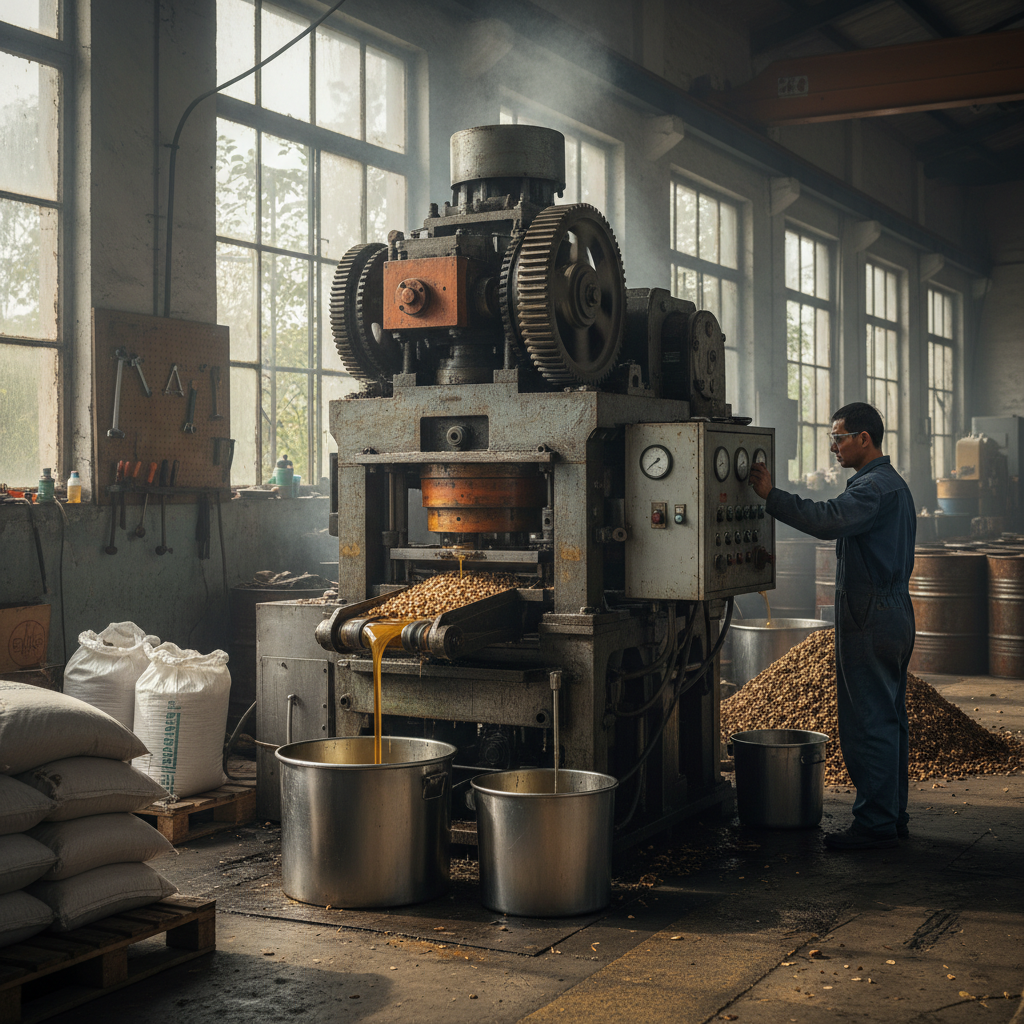
The global food processing industry relies heavily on efficient and reliable equipment to ensure product quality, safety, and yield. Central to this is the need for robust oil filtration systems, specifically the oil filter machine. These machines aren’t just about removing impurities; they’re integral to enhancing oil clarity, extending shelf life, and meeting stringent regulatory standards worldwide. Investing in a high-quality oil filter machine is no longer a luxury but a necessity for businesses striving for competitiveness in the modern food market.
The demand for edible oils continues to rise globally, driven by population growth and changing dietary habits. This increased demand necessitates advanced processing technologies to maximize output while minimizing waste. An oil filter machine addresses this need by streamlining the purification process, reducing operational costs, and contributing to a more sustainable food supply chain. From small-scale producers to large industrial plants, effective oil filtration is paramount.
Furthermore, advancements in filtration technology are continually improving the efficiency and versatility of oil filter machine. Modern designs focus on automation, energy efficiency, and ease of maintenance, making them increasingly attractive to businesses seeking long-term operational benefits. Understanding the nuances of oil filtration is therefore crucial for anyone involved in the edible oil industry.
Understanding the Core Principles of oil filter machine
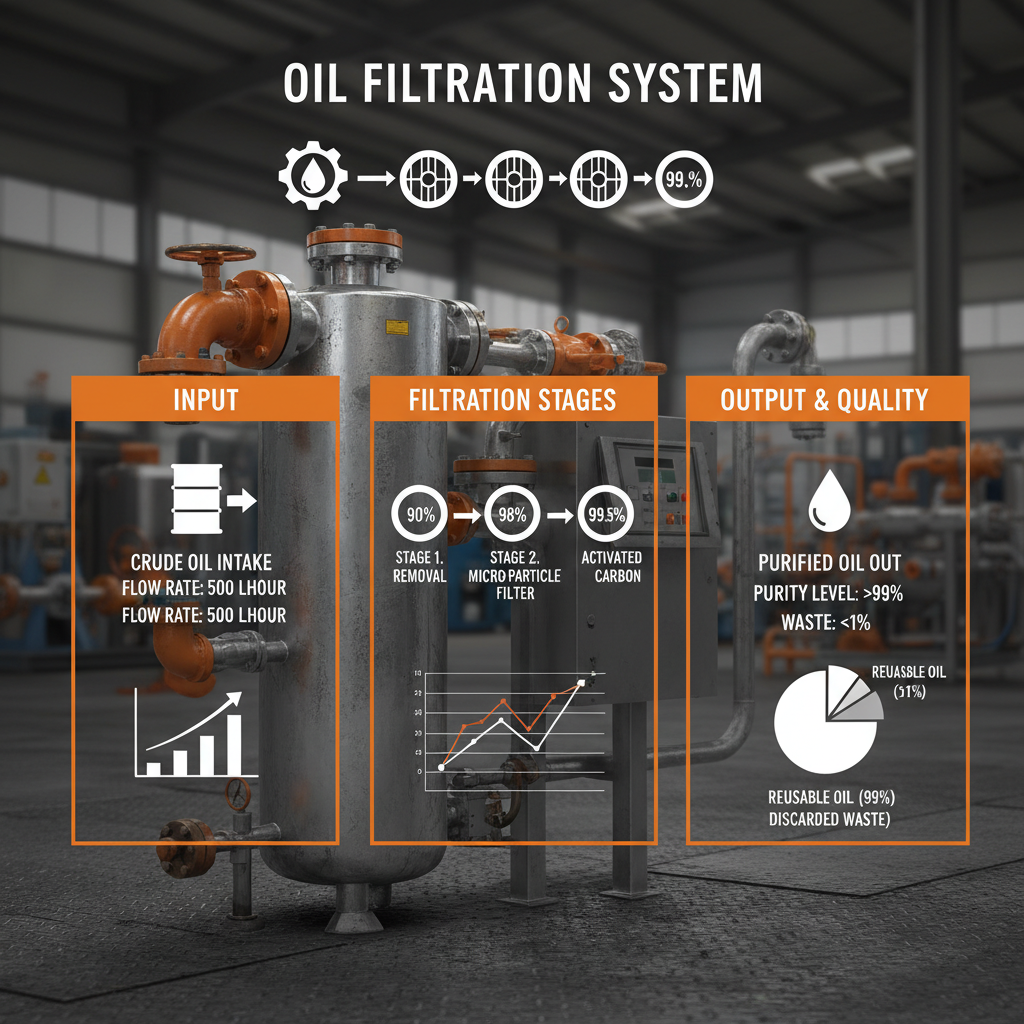
The fundamental principle behind an oil filter machine lies in the separation of solid impurities, gums, and other unwanted materials from the liquid oil. This is achieved through various filtration media, ranging from simple cloth filters to advanced diatomaceous earth and activated carbon systems. Understanding the size and characteristics of the contaminants is crucial for selecting the appropriate filtration method.
The efficiency of an oil filter machine isn’t solely determined by the filter media; factors like pressure, flow rate, and temperature also play a significant role. Optimizing these parameters ensures maximum contaminant removal while maintaining oil quality and preventing filter clogging. Properly maintained equipment is therefore essential for optimal performance and longevity.
Defining the oil filter machine and its Role
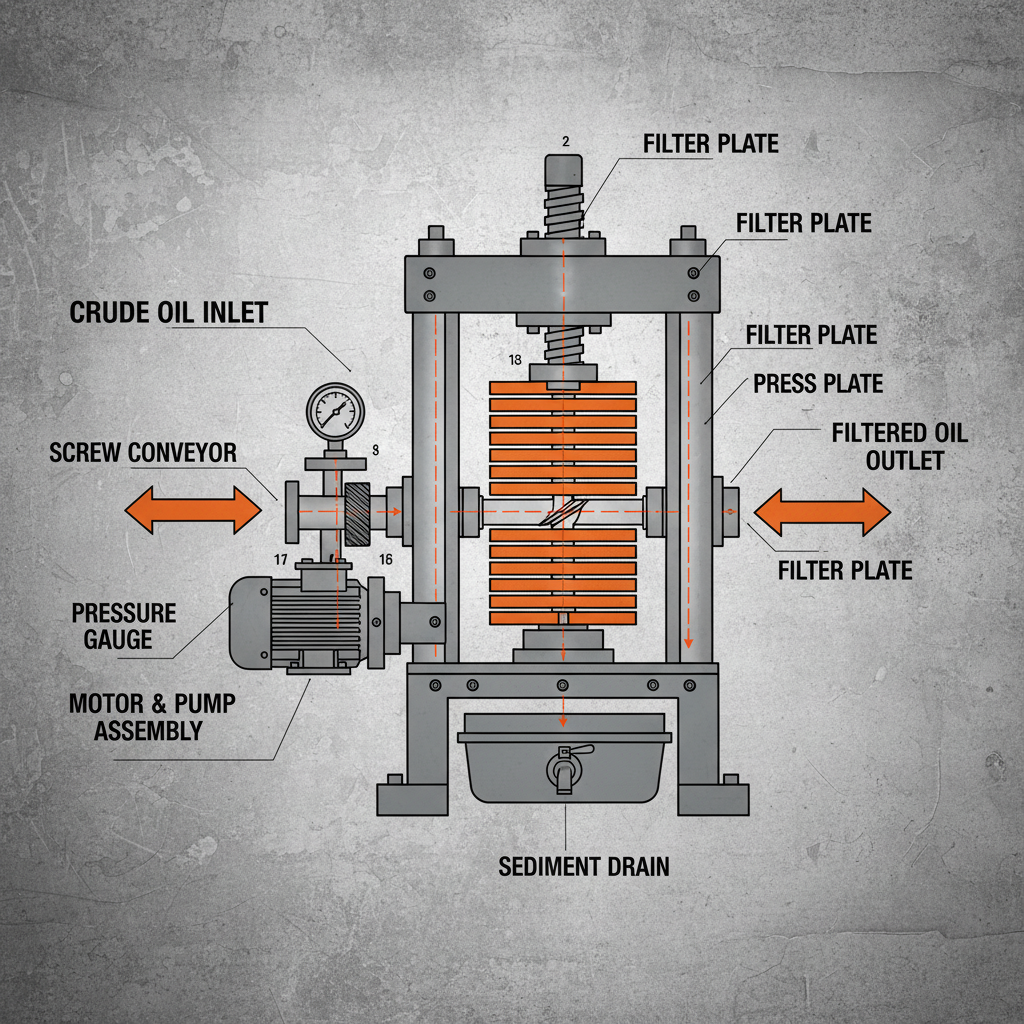
An oil filter machine is a specialized piece of equipment designed to purify crude or used edible oils by removing suspended solids, sediments, and other contaminants. It plays a vital role in the production of high-quality cooking oils, biodiesel, and other oil-based products. The machine typically consists of a filtration chamber, a pump, and various filter elements.
Its connection to modern industry extends beyond food processing. In the context of biodiesel production, efficient oil filtration is crucial for ensuring the fuel meets stringent quality standards and prevents damage to engine components. Furthermore, the increasing emphasis on waste oil recycling relies heavily on the effectiveness of these machines to repurpose used cooking oil into valuable resources.
The role of the oil filter machine is increasingly important in the context of global food security and sustainable practices. By enhancing oil quality and reducing waste, it contributes to a more efficient and responsible food supply chain.
Key Components and Operational Factors
Several key components define the performance of an oil filter machine. These include the filter media (such as filter cloths, filter papers, or activated carbon), the pump responsible for circulating the oil, the filtration chamber where the separation process occurs, and a control system for monitoring and adjusting operational parameters. The quality and configuration of these components significantly impact the machine’s efficiency and lifespan.
Operational factors also exert a considerable influence. Maintaining the correct oil temperature, pressure, and flow rate is vital for optimal filtration. Regular cleaning and replacement of filter media are crucial to prevent clogging and ensure consistent performance. Furthermore, proper operator training is essential for safe and efficient operation of the machine.
The selection of the appropriate oil filter machine depends on the specific type of oil being processed, the desired level of purity, and the production volume. Considerations should also be given to energy efficiency, ease of maintenance, and compliance with relevant safety regulations.
Global Applications Across the Edible Oil Industry
The applications of an oil filter machine are widespread across the global edible oil industry. From palm oil refineries in Southeast Asia to soybean oil processing plants in South America, these machines are integral to producing refined oils for various culinary and industrial purposes.
In Europe and North America, oil filter machines are commonly used in the production of olive oil, sunflower oil, and canola oil. The demand for high-quality, clarified oils in these regions drives the need for advanced filtration technologies. Furthermore, they’re increasingly vital in small-scale and artisanal oil production, ensuring product consistency and appealing to health-conscious consumers.
Oil Filter Machine Performance Metrics
Advantages and Long-Term Value Proposition
Investing in a high-quality oil filter machine yields numerous advantages. Tangible benefits include reduced operational costs through minimized oil waste, increased product yield due to improved purity, and extended shelf life of the final product. These factors translate directly into higher profitability.
The long-term value extends beyond financial gains. Implementing an effective filtration system demonstrates a commitment to quality and safety, enhancing brand reputation and building customer trust. Moreover, modern oil filter machine designs often prioritize energy efficiency and reduced environmental impact, contributing to a more sustainable operation.
Future Trends and Innovation in oil filter machine Technology
The future of oil filter machine technology is geared towards greater automation, improved filtration efficiency, and enhanced sustainability. We can expect to see more machines incorporating advanced sensor technologies for real-time monitoring of oil quality and filter performance.
Developments in membrane filtration, utilizing materials like ceramic membranes, promise even finer filtration capabilities and reduced energy consumption. The integration of digital systems and remote monitoring will also become increasingly prevalent, allowing for proactive maintenance and optimized operation.
Furthermore, the trend toward circular economy principles will drive innovation in waste oil recycling and the development of closed-loop filtration systems, minimizing environmental impact and maximizing resource utilization.
Challenges and Solutions in Oil Filtration Processes
Despite advancements, challenges remain in oil filtration processes. Common issues include filter clogging, high energy consumption, and the disposal of spent filter media. Addressing these challenges requires a multi-faceted approach.
One solution is the implementation of pre-filtration stages to remove larger particles and reduce the burden on the primary filter. Utilizing energy-efficient pump designs and optimizing flow rates can minimize energy consumption. Furthermore, exploring sustainable alternatives for filter media, such as biodegradable materials, can mitigate environmental concerns.
Regular maintenance, proper operator training, and the adoption of advanced monitoring systems are also crucial for overcoming these challenges and ensuring optimal performance of the oil filter machine.
Summary of Factors Influencing Oil Filter Machine Performance
| Filter Media Type |
Oil Temperature |
Flow Rate (L/hr) |
Maintenance Frequency |
| Cloth Filter |
60-80°C |
500 |
Daily Cleaning |
| Diatomaceous Earth |
40-60°C |
800 |
Weekly Replacement |
| Activated Carbon |
25-45°C |
400 |
Monthly Replacement |
| Membrane Filter |
50-70°C |
1000 |
Semi-Annual Cleaning |
| Multi-Layer Paper Filter |
70-90°C |
600 |
Bi-Weekly Replacement |
| Stainless Steel Mesh Filter |
30-50°C |
700 |
Regular Backwashing |
FAQS
An oil filter machine primarily removes suspended solids like sediment, rust, and debris, as well as gums, waxes, and other unwanted impurities that affect oil clarity, taste, and shelf life. The specific contaminants removed depend on the filter media used, with finer filters capable of capturing smaller particles. Effective filtration is crucial for maintaining oil quality and preventing equipment damage.
The frequency of filter media replacement depends on several factors, including the type of oil being filtered, the level of contamination, and the machine’s operating hours. Generally, disposable filter media like paper or diatomaceous earth should be replaced after each batch or according to the manufacturer’s recommendations. Reusable media, such as stainless steel mesh, can be cleaned and reused, but requires regular inspection and maintenance.
Determining the appropriate size oil filter machine involves considering your oil processing volume, the initial level of contamination, and the desired filtration rate. Larger operations typically require machines with higher flow rates and larger filtration capacities. A thorough assessment of your specific needs is crucial for selecting a machine that meets your production demands efficiently.
Energy consumption varies depending on the machine’s design and operating parameters. Modern oil filter machine designs often incorporate energy-efficient pumps and motors to minimize electricity usage. Optimizing flow rates and utilizing pre-filtration stages can also help reduce energy consumption. Consider machines with variable speed drives for enhanced control and efficiency.
Regular maintenance is vital for optimal performance. This includes daily cleaning of the filtration chamber, periodic inspection of seals and connections, and timely replacement of filter media. Lubricating moving parts and monitoring pressure gauges are also essential. Following the manufacturer’s guidelines for maintenance schedules will extend the machine’s lifespan and prevent costly breakdowns.
Always disconnect the power supply before performing any maintenance or repairs. Wear appropriate personal protective equipment, such as gloves and eye protection, when handling oil or filter media. Ensure the machine is properly grounded and that all safety guards are in place. Follow all manufacturer’s safety instructions and adhere to relevant industry regulations.
Conclusion
In conclusion, the oil filter machine is an indispensable component of modern oil processing, contributing significantly to product quality, safety, and efficiency. Understanding its core principles, operational factors, and future trends is vital for businesses operating in the edible oil industry. Investing in a reliable and well-maintained filtration system not only enhances profitability but also promotes sustainability and builds consumer trust.
As the demand for high-quality edible oils continues to grow, the importance of effective filtration will only increase. Embracing innovative technologies and adopting best practices in maintenance and operation will be key to maximizing the value of these machines and ensuring a sustainable future for the oil processing industry. For premium oil filter machine solutions, visit our website: www.oilmillchina.com.