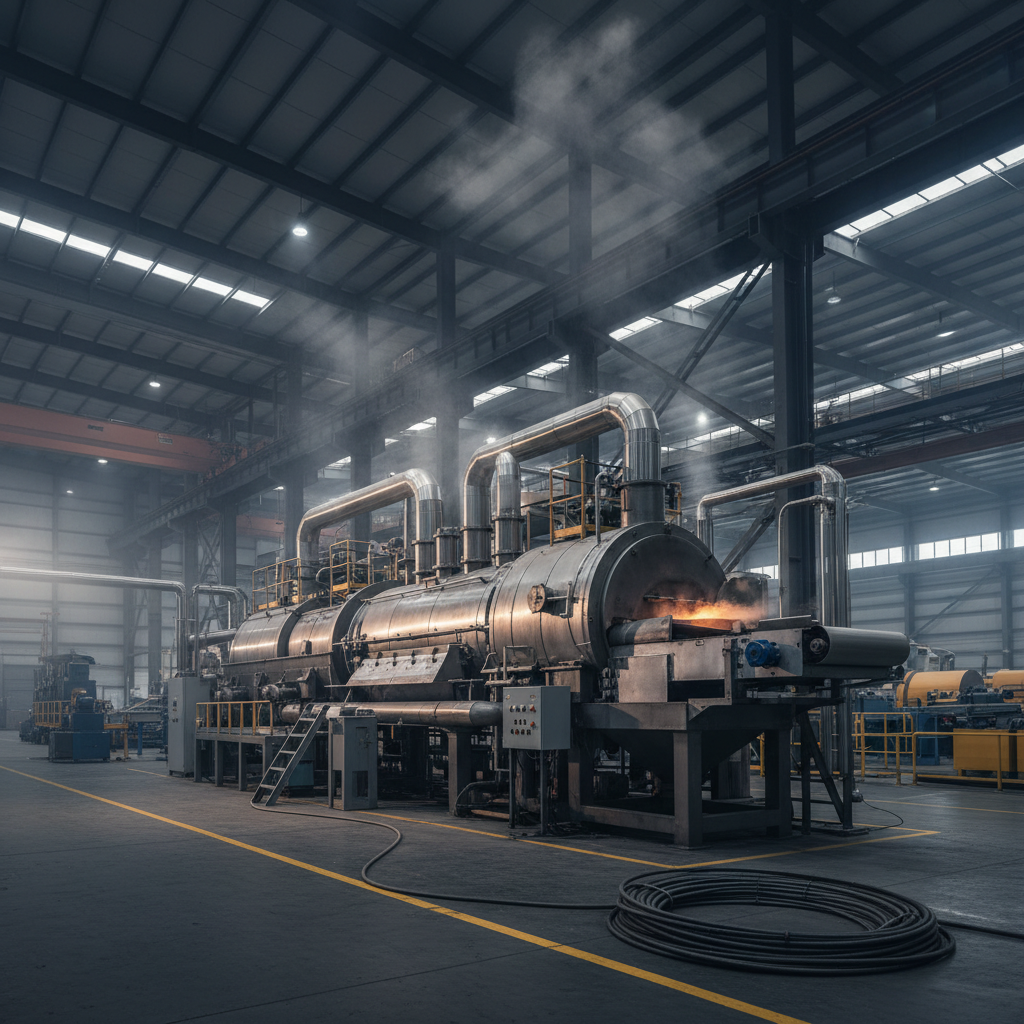
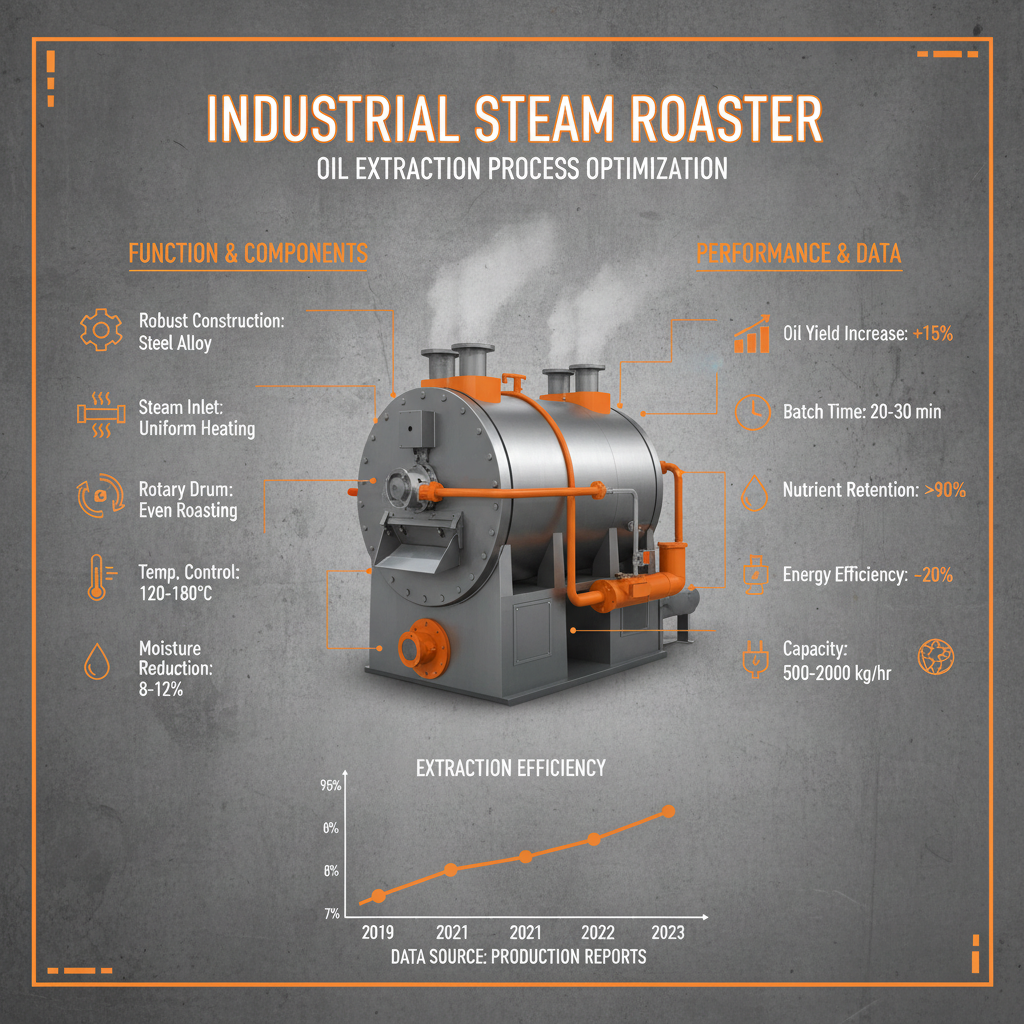
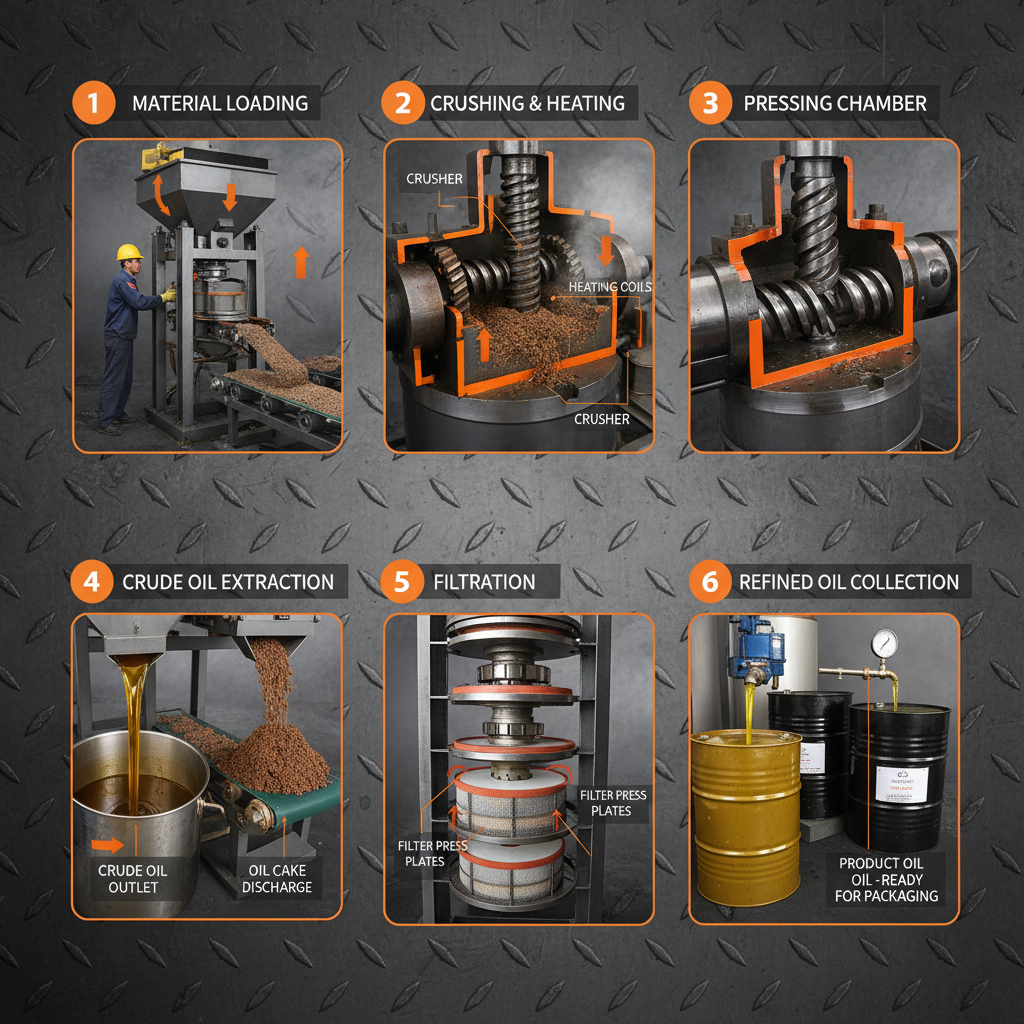
In the sophisticated world of oilseed processing, the steam roaster stands as a critical juncture between raw material harvesting and efficient oil extraction. By utilizing controlled thermal energy and moisture, this equipment optimizes the cellular structure of seeds, ensuring that the maximum amount of oil can be recovered during the pressing stage while enhancing the aromatic profile of the final product.
Globally, the demand for high-quality vegetable oils is surging, driven by health-conscious consumer trends and the expansion of the food processing industry. The integration of a high-performance steam roaster allows producers to standardize their output, reducing the variability inherent in natural raw materials and ensuring a consistent grade of edible oil that meets international quality standards.
Understanding the technical nuances of steam roasting is not merely about machinery; it is about maximizing resource efficiency and sustainability. By precisely managing temperature and steam distribution, manufacturers can lower energy consumption and minimize waste, making the steam roaster an indispensable asset for any modern, medium-to-large capacity oil processing plant.
Global Industry Context of Steam Roasting
The global edible oil market is currently undergoing a transition toward higher efficiency and lower environmental impact. According to industrial benchmarks and ISO standards for food safety, the pretreatment of oilseeds is the most volatile stage of production. A steam roaster addresses this by replacing erratic direct-fire heating with the stable, conductive heat of saturated steam, which is essential for processing oilseeds like soybeans, rapeseed, and sunflower seeds.
In regions such as Southeast Asia and South America, where oilseed production is concentrated, the challenge has always been the high moisture variability of raw crops. Without a professional steam roaster, plants often face excessive oil loss in the cake or burnt seeds that ruin the oil's organoleptic properties. The adoption of steam-based roasting has become the industry standard for those aiming for "zero-waste" extraction.
Technical Definition and Industrial Meaning
At its core, a steam roaster is a specialized thermal processing vessel designed to heat oilseeds using pressurized steam. Unlike dry roasting, which can lead to uneven heat distribution and "hot spots," steam roasting ensures that heat penetrates the seed core uniformly. This process disrupts the oil cells and reduces the viscosity of the oil, allowing it to flow more freely during the subsequent expulsion process.
In the context of modern industrialization, the steam roaster serves as a bridge between raw agricultural output and refined industrial ingredients. It is not merely a heater but a biochemical reactor that manages the denaturation of proteins and the inactivation of anti-nutritional factors, which is particularly crucial for producing protein-rich oil cakes used in animal feed.
Furthermore, the industrial meaning of this technology extends to humanitarian and economic stability. By increasing the yield per ton of raw seed, the steam roaster helps local economies in developing regions maximize their agricultural value, reducing the reliance on expensive imports of refined oils and enhancing local food security.
Core Components for Operational Excellence
The effectiveness of a steam roaster depends heavily on its structural integrity and thermal precision. The heating jacket, typically constructed from high-grade carbon steel or stainless steel, must withstand constant pressure cycles without fatigue, ensuring that steam is distributed evenly across the internal roasting chamber to prevent localized overheating.
Another pivotal element is the agitation system. A high-torque stirring mechanism within the steam roaster ensures that seeds are constantly moved, preventing the buildup of "dead zones" where seeds could overcook. This mechanical movement, combined with precise steam injection valves, allows the operator to control the moisture content to within 0.5% accuracy.
Finally, the insulation layer is what separates a professional steam roaster from a basic boiler. High-density mineral wool or ceramic fiber insulation minimizes heat radiation loss, significantly reducing the steam consumption per batch. This focus on thermal retention is what drives the overall cost-efficiency of the oil processing line.
Practical Performance Metrics and Efficiency
When evaluating a steam roaster, engineers look beyond simple capacity. The real value lies in the "thermal efficiency ratio"—the amount of energy required to raise the temperature of the seed to the optimal pressing point. Modern systems have optimized this process to ensure that the energy spent on roasting is offset by the increased oil yield during pressing.
Operational scalability is also a key metric. Whether integrated into a small-capacity oil expeller setup or a massive vegetable oil processing plant, the steam roaster must maintain a linear relationship between throughput and quality, ensuring that a 10-ton batch has the same consistency as a 100-ton batch.
Comparative Efficiency of Roasting Methods
Global Applications and Diverse Use Cases
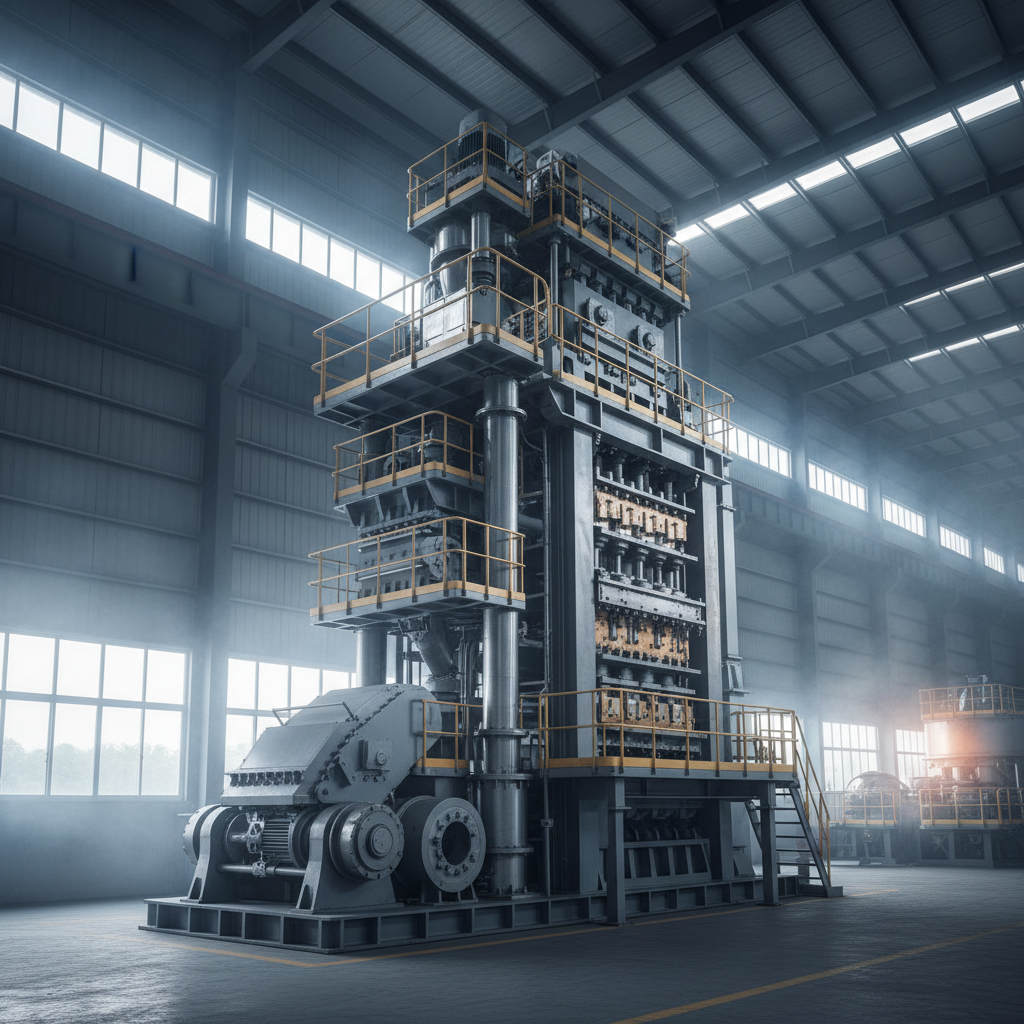
The application of the steam roaster varies significantly across different agricultural landscapes. In the vast soybean belts of North America and Brazil, these machines are integrated into massive, automated lines where they operate 24/7, ensuring that raw beans are conditioned perfectly before entering high-capacity centrifuges.
In contrast, in remote industrial zones of Africa and Asia, smaller, modular steam roaster units are used to empower local cooperatives. Here, the technology allows small-scale farmers to process their own groundnuts or sunflower seeds into high-value oil and meal, bypassing expensive middlemen and increasing the dignity and income of rural communities.
Long-term Value and Economic Advantages
Investing in a high-quality steam roaster provides a tangible return on investment (ROI) through three main channels: increased yield, reduced energy cost, and improved product quality. By lowering the oil content remaining in the press cake, producers can sell more oil per ton of seed, directly impacting the bottom line.
Beyond the balance sheet, there is a profound logical and emotional value in the reliability of these systems. Plant managers gain peace of mind knowing that their production is not subject to the whims of raw material moisture levels. This trust in the process allows for more aggressive market expansion and the ability to guarantee delivery schedules to demanding B2B clients.
Sustainability also plays a role in long-term value. Because a steam roaster utilizes steam—which can be generated from biomass boilers using the husks of the seeds themselves—it creates a circular energy economy. This reduces the carbon footprint of the factory and aligns the business with global green energy policies.
Future Innovations in Roasting Technology
The future of the steam roaster is being shaped by the "Industry 4.0" movement. We are seeing the integration of IoT sensors that monitor the core temperature of the seed bed in real-time, automatically adjusting steam flow via AI algorithms to ensure perfect roasting regardless of the input material's moisture content.
Materials science is also evolving, with the introduction of nano-ceramic coatings for the interior of the steam roaster. These coatings reduce seed adhesion and friction, further increasing throughput and reducing the need for downtime for cleaning, which is a major pain point in current industrial practices.
Moreover, the shift toward hybrid heating—combining steam with microwave or induction technology—promises to reduce the "warm-up" time of the equipment. This will allow factories to be more flexible, switching between different types of oilseeds with minimal transition time, thus optimizing the entire vegetable oil processing plant solution.
Technical Comparison of Steam Roaster Configurations
| Roaster Model |
Heat Distribution Score |
Energy Efficiency |
Maintenance Cycle |
| Entry-Level Steam Roaster |
6/10 |
Moderate |
Quarterly |
| Industrial Std Roaster |
8/10 |
High |
Semi-Annual |
| AI-Integrated Roaster |
10/10 |
Ultra-High |
Annual |
| High-Capacity Hybrid |
9/10 |
High |
Semi-Annual |
| Modular Small-Scale |
7/10 |
Moderate |
Quarterly |
| Custom Heavy-Duty |
9/10 |
High |
Semi-Annual |
FAQS
A steam roaster uses moist heat to penetrate the seed's cellular structure more effectively than dry air. This softens the oil-bearing cells and reduces the viscosity of the oil, allowing the press to extract a higher percentage of the available oil while leaving less residue in the cake. Typically, steam roasting can increase oil recovery by 1-3% depending on the seed type.
Yes, the versatility of the steam roaster is one of its main advantages. By adjusting the steam pressure, temperature, and roasting duration, the same machine can be used for soybeans, rapeseed, sunflower seeds, and peanuts. However, each seed has a specific "thermal profile" that must be calibrated to avoid over-processing.
The primary energy requirement is a consistent source of saturated steam, usually provided by an industrial boiler. Many plants use biomass boilers that burn the shells or husks from the oilseed pretreatment equipment to generate this steam, making the process highly cost-effective and carbon-neutral.
Routine maintenance typically involves checking the steam valves and seals weekly and inspecting the agitation blades and bearing housings quarterly. A full system overhaul, including the inspection of the heating jacket for corrosion, is generally recommended every 12 to 24 months to ensure operational safety.
Absolutely. Modern steam roasters can be integrated with PLC (Programmable Logic Controller) systems that automatically manage steam injection based on real-time temperature and moisture sensors. This removes human error and ensures a consistent product quality regardless of the operator's experience level.
Steam roasting not only aids oil extraction but also "cooks" the protein in the oil cake. This process destroys harmful enzymes and anti-nutritional factors (like trypsin inhibitors in soy), making the resulting cake a safe, high-protein feed for livestock and poultry.
Conclusion
The steam roaster is far more than a simple heating tool; it is the cornerstone of an efficient, high-yield oil extraction process. By balancing thermal precision, mechanical agitation, and energy efficiency, it enables producers to maximize their raw material value while ensuring a consistent, high-quality end product. From the technical benefits of reduced viscosity to the economic gains of lower waste, the strategic implementation of steam roasting technology is essential for any competitive oil mill.
Looking forward, the integration of AI and green energy will continue to elevate the steam roaster from a mechanical asset to a smart system. For businesses aiming to scale their production or improve their sustainability footprint, investing in advanced roasting solutions is the most effective path to long-term viability. We invite you to explore how our integrated solutions can transform your production line. Visit our website: www.oilmillchina.com