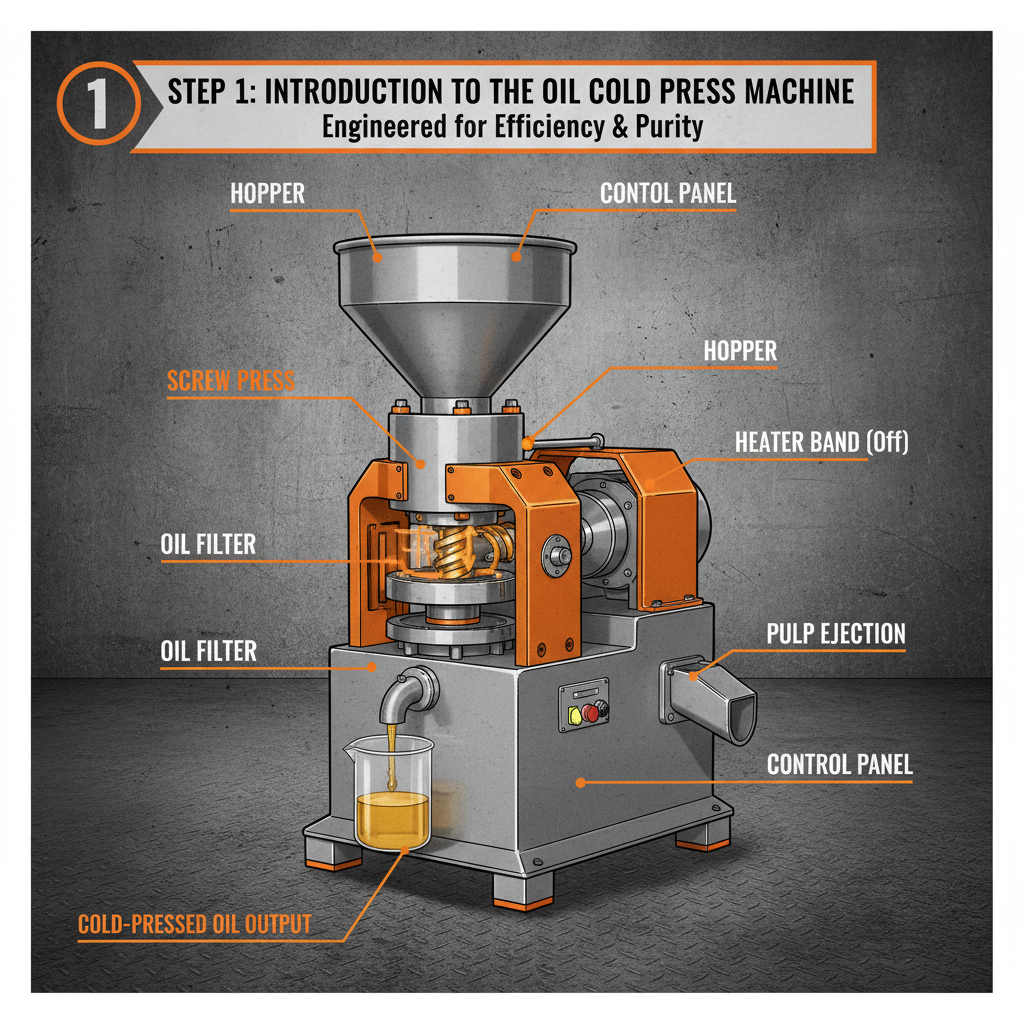
The camellia oil press, a cornerstone of efficient oil extraction, has a rich history and increasingly relevant global presence. From traditional, manually operated models to modern, automated systems, this technology plays a crucial role in food production, industrial applications, and sustainable agriculture. Understanding the nuances of camellia oil presses – their functionality, advancements, and diverse implementations – is vital for businesses, researchers, and anyone involved in the oilseed processing industry.
Globally, the demand for vegetable oils continues to rise, fueled by population growth and changing dietary habits. Camellia oil, known for its health benefits and culinary qualities, is gaining prominence as a premium oil source. The camellia oil press, therefore, represents more than just a mechanical device; it's a key component in fulfilling this demand and supporting local economies, particularly in regions where camellia plants thrive.
This technology is experiencing a resurgence due to the increasing focus on sustainable practices and locally sourced products. Modern camellia oil presses offer enhanced efficiency, reduced environmental impact, and the ability to cater to various scales of production, from small-scale artisanal operations to large-scale industrial facilities. The versatility and adaptability of the camellia oil press are key drivers of its ongoing relevance.
Introduction to the camellia oil press
The camellia oil press stands as a pivotal technology in the extraction of camellia oil, a highly valued edible oil known for its health benefits and distinct flavor. These presses range from simple, manually operated designs utilized in small-scale artisanal production to sophisticated, automated systems employed in large industrial settings. The selection of a suitable camellia oil press depends on various factors, including production volume, desired oil quality, and budgetary constraints.
Historically, camellia oil production was a labor-intensive process. Traditional presses required significant manual effort, limiting output and efficiency. However, modern engineering has revolutionized the camellia oil press, incorporating advancements in materials, mechanics, and automation to significantly enhance performance and reduce operational costs. This evolution has opened up new opportunities for camellia oil producers worldwide.
Defining the camellia oil press
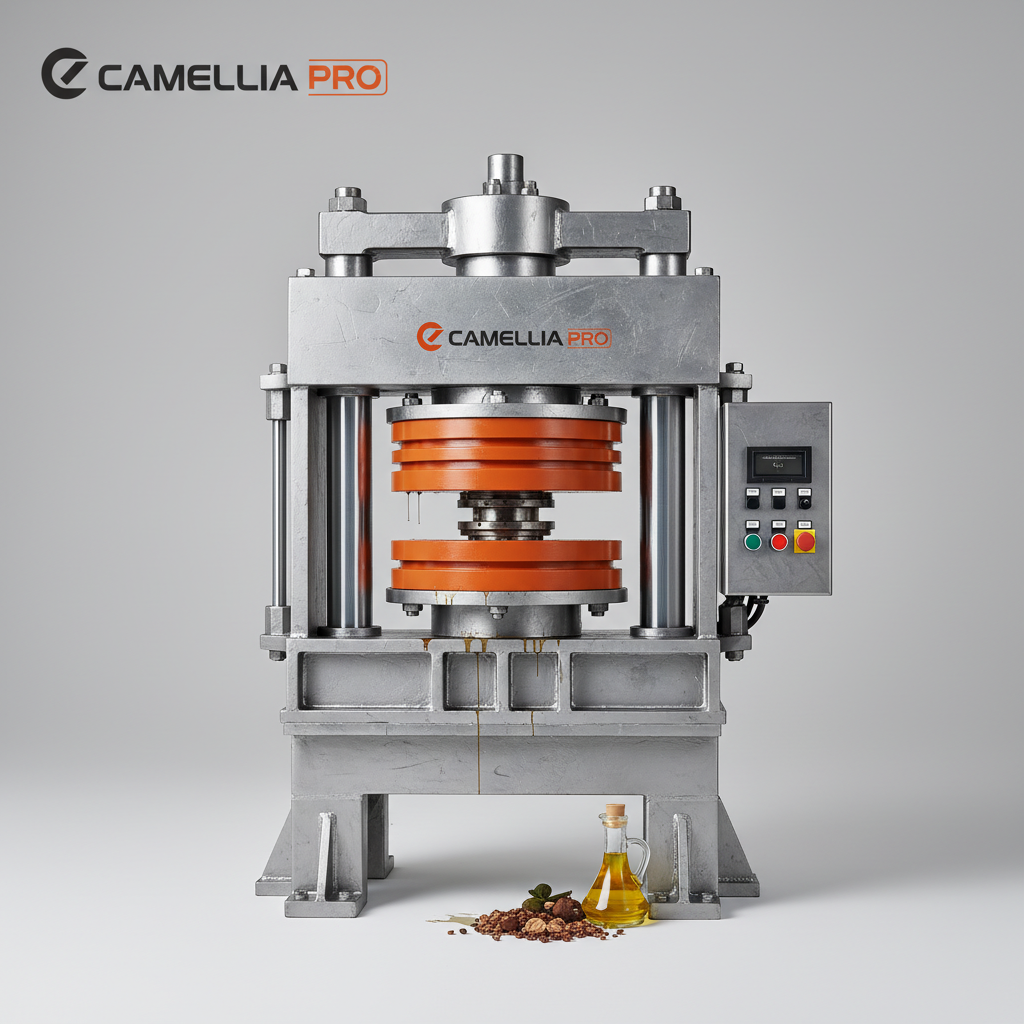
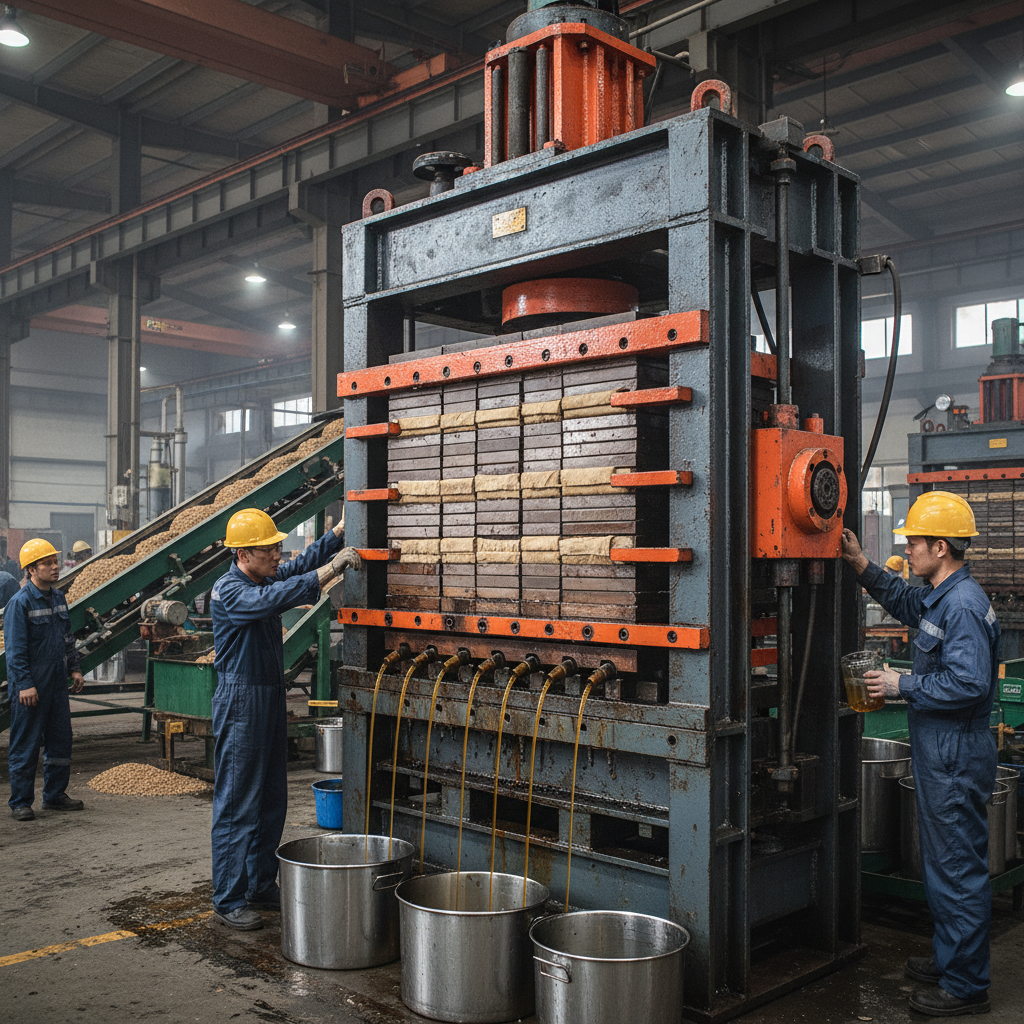
A camellia oil press is a mechanical device specifically designed to extract oil from camellia seeds. It works by applying pressure to the seeds, rupturing their oil-containing cells and releasing the oil. The extracted oil is then typically filtered to remove any remaining seed particles, resulting in a clear, high-quality oil. These presses are essential for transforming raw camellia seeds into a commercially viable product.
The connection to modern industry extends beyond just food production. Camellia oil finds applications in cosmetics, pharmaceuticals, and even as a biofuel component. Therefore, the camellia oil press serves as a critical link in a diverse supply chain, contributing to multiple sectors of the global economy. Efficient and reliable oil extraction is paramount to meeting the growing demand across these industries.
Furthermore, the use of a camellia oil press often supports local agriculture and provides economic opportunities for communities where camellia trees are cultivated. By enabling small-scale producers to process their own seeds, it fosters self-sufficiency and reduces reliance on large corporations, contributing to a more sustainable and equitable food system.
Core Components and Factors
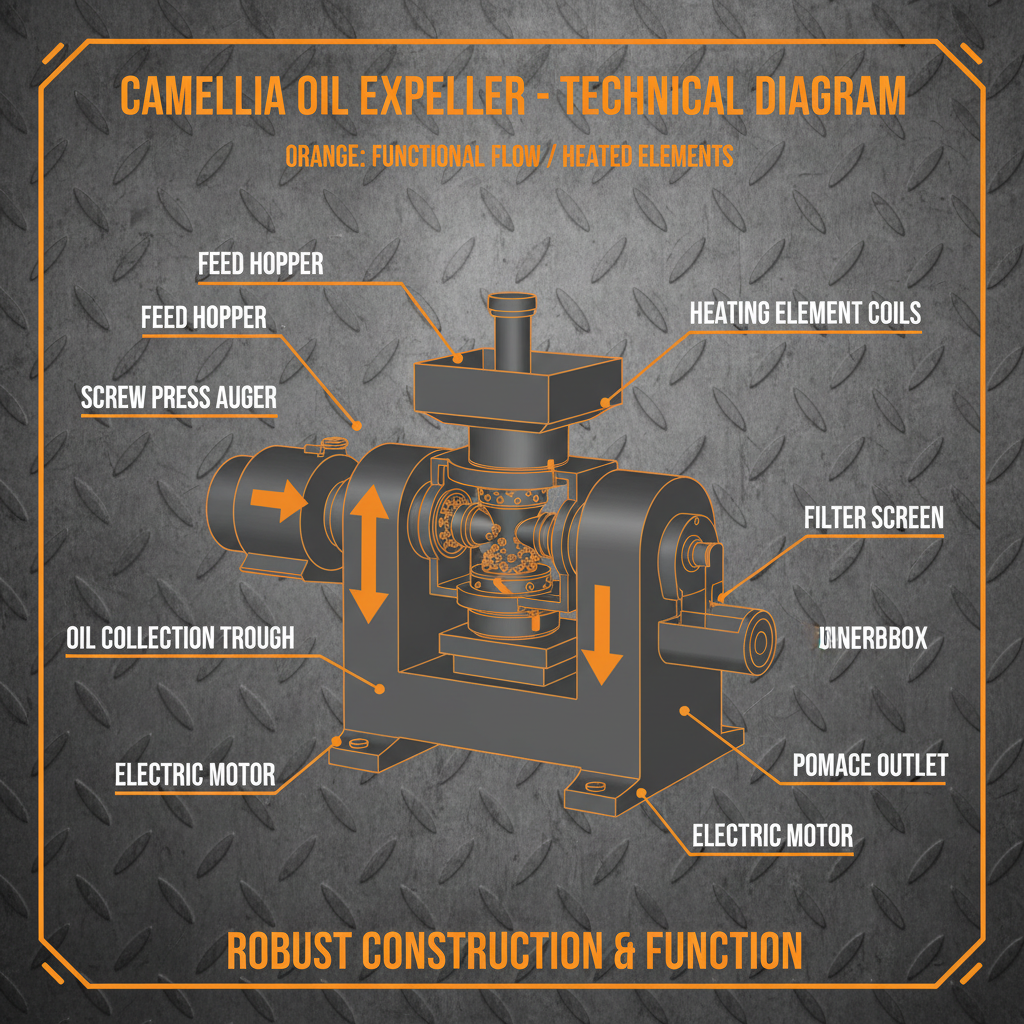
Several key factors determine the effectiveness and longevity of a camellia oil press. Durability is paramount, as these machines operate under significant pressure and require robust construction materials to withstand continuous use. High-quality steel alloys and proper engineering design are essential for minimizing wear and tear.
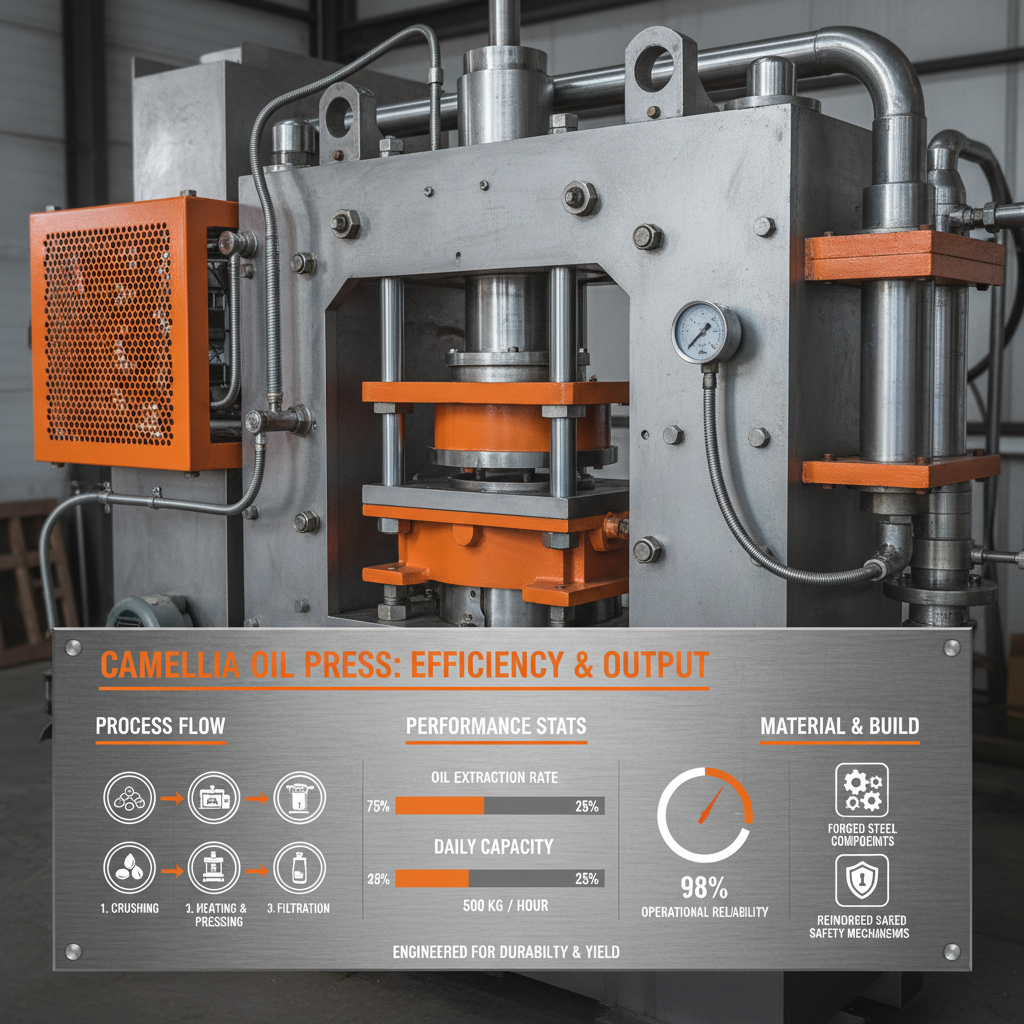
Efficiency is another critical aspect. Modern presses are designed to maximize oil yield from each batch of seeds, reducing waste and increasing profitability. This involves optimizing pressure levels, temperature control, and the design of the pressing chamber. Advances in pressing technology directly translate into increased output and reduced operational costs.
Scalability refers to the press's ability to adapt to varying production needs. Some presses are designed for small-batch processing, ideal for artisanal producers, while others are capable of handling large-scale industrial volumes. A versatile press can accommodate fluctuating demand and support business growth. Cost Efficiency, including initial investment, maintenance costs, and energy consumption, also heavily influences decision-making. Automation levels, ranging from manual to fully automated, are a defining feature. Finally, Oil Quality and the press’s ability to maintain the integrity of the oil during extraction are vital for producing a premium product.
Global Applications of camellia oil presses
Camellia oil presses are utilized across several regions renowned for camellia cultivation, primarily in East Asia. China, Japan, and Korea have long traditions of camellia oil production, with presses ranging from small-scale village operations to large, modern facilities. These presses cater to both domestic consumption and export markets, satisfying the demand for this unique and healthy oil.
Beyond Asia, interest in camellia oil is growing in Europe and North America, driving demand for camellia oil presses in these regions as well. Small-scale producers are increasingly adopting these presses to create niche, artisanal products, appealing to health-conscious consumers. Furthermore, research institutions are utilizing camellia oil presses to explore new applications for camellia oil in various industries.
In post-disaster relief operations, portable camellia oil presses can provide a sustainable source of nutrition and income for affected communities. In remote industrial zones, these presses offer a localized solution for oil extraction, reducing transportation costs and dependence on external suppliers. The adaptability of the camellia oil press makes it a valuable asset in diverse contexts.
Camellia Oil Press Efficiency Comparison
Advantages and Long-Term Value
The advantages of utilizing a camellia oil press are multifaceted. Cost savings are readily achievable through reduced reliance on purchased oils, particularly for producers with access to camellia seeds. Sustainability is enhanced through localized processing, minimizing transportation emissions and supporting responsible land management. Social impact is positive, as it creates economic opportunities in rural communities and promotes self-sufficiency.
The long-term value extends beyond mere economic gains. Camellia oil is recognized for its health benefits, including its high oleic acid content, making it a desirable ingredient in health-conscious consumer products. The reliability of modern camellia oil presses ensures consistent production, building trust with consumers and establishing a strong brand reputation. Investing in a quality camellia oil press is, therefore, an investment in a sustainable and profitable future.
Future Trends and Innovations
Future advancements in camellia oil press technology are likely to focus on enhanced automation, improved energy efficiency, and integration with digital monitoring systems. The development of “smart” presses capable of self-diagnosis and predictive maintenance will minimize downtime and optimize performance. Furthermore, research into novel pressing techniques, such as supercritical fluid extraction, could further improve oil yield and quality.
Sustainability will continue to drive innovation, with a focus on utilizing renewable energy sources to power camellia oil presses. The integration of blockchain technology to trace the origin and quality of camellia oil will also become increasingly important, enhancing transparency and building consumer confidence. These trends align with the global shift towards more sustainable and responsible food production practices.
Challenges and Solutions
One of the primary challenges facing the camellia oil press industry is the cost of entry, particularly for small-scale producers. High initial investment can be a barrier to adoption. Solutions include government subsidies, microfinance initiatives, and the development of more affordable press designs. Another challenge is maintaining consistent oil quality, which requires careful control of processing parameters.
Addressing this requires training programs for operators, along with the implementation of robust quality control measures. Furthermore, the limited availability of high-quality camellia seeds in some regions can constrain production. Investing in camellia tree cultivation and seed improvement programs is crucial for ensuring a sustainable supply of raw materials.
Finally, navigating international trade regulations and securing export markets can be complex. Collaboration between industry stakeholders, government agencies, and research institutions is essential for overcoming these challenges and fostering the continued growth of the camellia oil press industry.
Summary of Camellia Oil Press Performance Metrics
| Press Type |
Oil Yield (%) |
Maintenance Frequency |
Initial Investment (USD) |
| Manual Screw Press |
70-75 |
High |
500-1,000 |
| Semi-Automatic Hydraulic Press |
75-80 |
Medium |
2,000-5,000 |
| Fully Automatic Pneumatic Press |
80-85 |
Low |
5,000-15,000 |
| Cold Press (Low Temperature) |
65-70 |
Medium |
3,000-8,000 |
| Continuous Screw Press (Industrial) |
85-90 |
Low |
15,000+ |
| Supercritical Fluid Extraction (SFE) |
90-95 |
Medium |
20,000+ |
FAQS
The oil yield from a modern camellia oil press typically ranges from 75% to 95%, depending on the press type, seed quality, and processing parameters. Fully automatic and supercritical fluid extraction presses generally offer the highest yields, while manual presses may yield slightly less. Optimal seed moisture content and proper pre-treatment, such as cleaning and cracking, are crucial for maximizing oil extraction efficiency.
Maintenance requirements vary based on the press type. Manual presses require frequent cleaning and lubrication, while automatic presses have fewer maintenance demands. Regular inspection of components like screws, filters, and bearings is essential. Replacing worn parts promptly prevents downtime and ensures optimal performance. Following the manufacturer's recommended maintenance schedule is crucial for longevity.
The initial cost of a small-scale camellia oil production facility varies widely depending on the scale of operation and the equipment chosen. A basic setup with a manual press and minimal processing equipment can cost between $500 and $2,000. A semi-automatic system may range from $2,000 to $5,000. Additional costs include seed sourcing, processing space, and packaging materials.
Yes, depending on your location, there are typically regulations governing the production and sale of edible oils, including camellia oil. These may include food safety standards, labeling requirements, and health permits. It is essential to research and comply with all applicable regulations in your region before selling camellia oil to ensure product safety and legal compliance.
Cold-pressing camellia oil involves extracting the oil at low temperatures, preserving its natural flavor, aroma, and nutritional content. This method retains more antioxidants and beneficial fatty acids compared to hot-pressing. Cold-pressed camellia oil typically has a longer shelf life and a richer, more nuanced taste, making it a premium product sought after by health-conscious consumers.
Sourcing high-quality camellia seeds is crucial for producing premium oil. Establish relationships with reputable camellia farmers or suppliers who prioritize seed quality and sustainable cultivation practices. Consider factors such as seed variety, maturity, and storage conditions. Conducting seed quality tests, such as oil content analysis, can help ensure consistent oil yield and quality.
Conclusion
The camellia oil press represents a vital link in a growing industry dedicated to sustainable oil production and the provision of a healthy, versatile product. From its historical roots to its modern advancements, the camellia oil press continues to evolve, driven by innovations in technology and a commitment to environmental responsibility. Understanding the core components, global applications, and future trends associated with this technology is paramount for anyone involved in the oilseed processing sector.
Looking ahead, continued investment in research and development, alongside supportive government policies and collaborative industry initiatives, will be crucial for unlocking the full potential of the camellia oil press. By embracing sustainable practices, prioritizing quality, and fostering innovation, we can ensure that this technology continues to contribute to a healthier, more sustainable future. Visit our website at oilmillchina.com to learn more about our camellia oil press solutions.