The global demand for vegetable oils is steadily increasing, driven by population growth, changing dietary habits, and expanding industrial applications. At the heart of meeting this demand lies the efficient and reliable extraction of oils from seeds – a process increasingly reliant on advanced seeds oil pressing machine technology. These machines aren't just about producing cooking oil; they are critical to biofuels production, animal feed manufacturing, and the creation of various industrial products. Understanding the nuances of seeds oil pressing machines is therefore crucial for businesses, researchers, and policymakers alike.
The evolution of seeds oil pressing machine technology has moved from simple manual presses to highly automated, energy-efficient systems. This progression addresses key challenges – maximizing oil yield, minimizing waste, and reducing operational costs. This evolution is not just technological; it's economic and environmental. Improved efficiency leads to greater profitability and a smaller environmental footprint, making these machines indispensable across various sectors.
Beyond commercial applications, seeds oil pressing machine are vital for food security in many regions. Allowing local communities to process their own seeds for oil production reduces reliance on imports, supports local economies, and provides a sustainable source of nutrition. This decentralized approach to oil production holds particular significance in developing countries, where access to affordable and healthy fats is often limited.
The Significance of Seeds Oil Pressing Machine
The efficient extraction of oil from seeds has become a cornerstone of modern industry, impacting everything from food production to renewable energy. The seeds oil pressing machine is central to this process, offering a viable and scalable solution for converting raw materials into valuable commodities. The rising global population and increasing demand for vegetable oils are driving continuous innovation in this field, making it an area of significant economic and strategic importance.
The ability to locally process seeds using a seeds oil pressing machine empowers communities and reduces dependence on external suppliers. This is particularly crucial in regions with limited infrastructure or volatile markets. Beyond food security, the oils produced have diverse applications – biodiesel production, cosmetics, pharmaceuticals – further solidifying the importance of these machines in sustainable development.
Defining Seeds Oil Pressing Machine
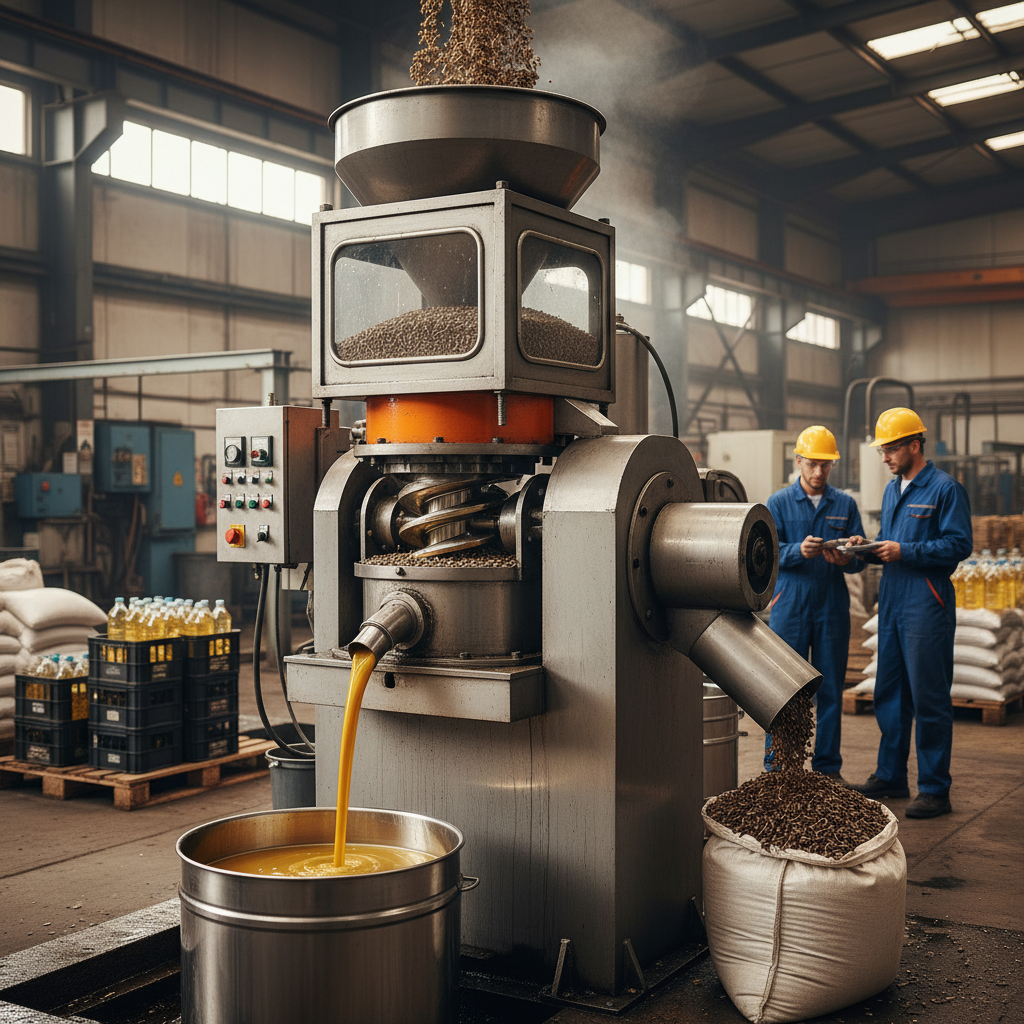
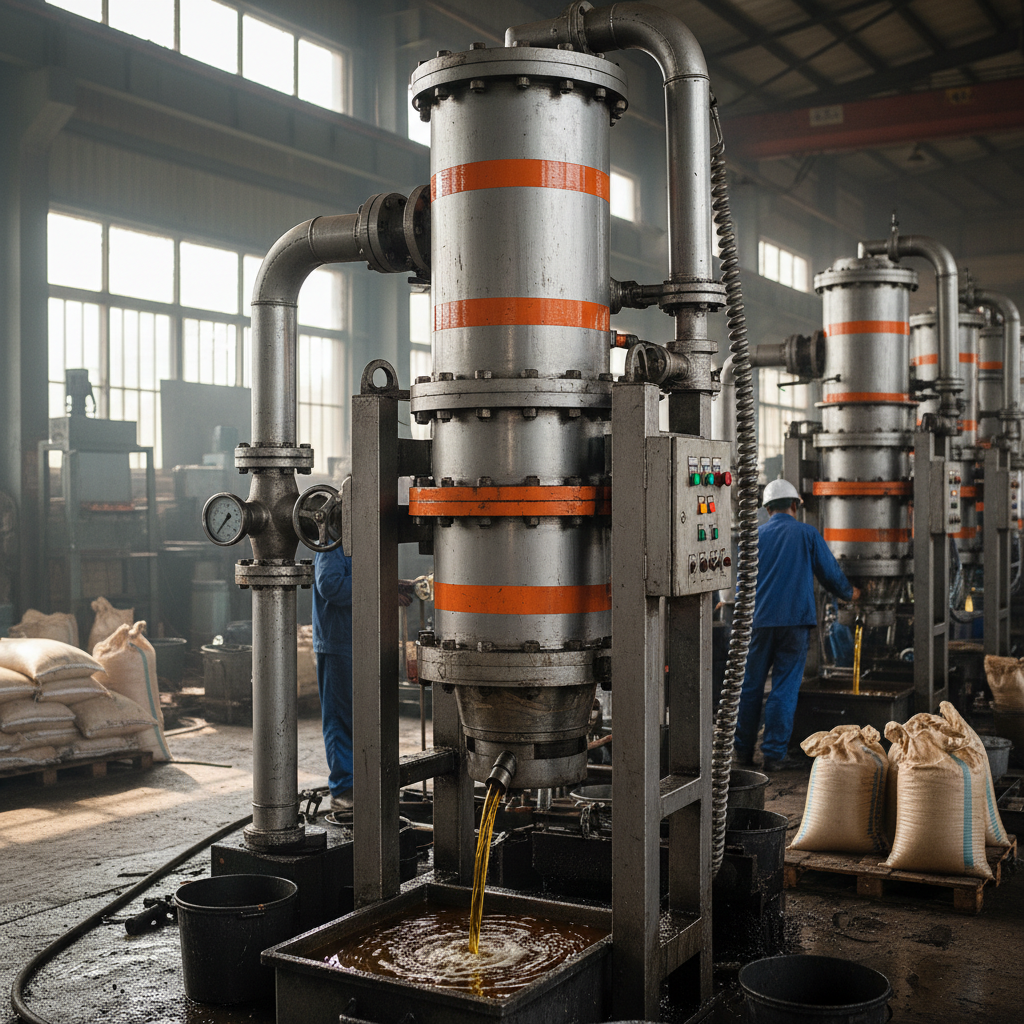
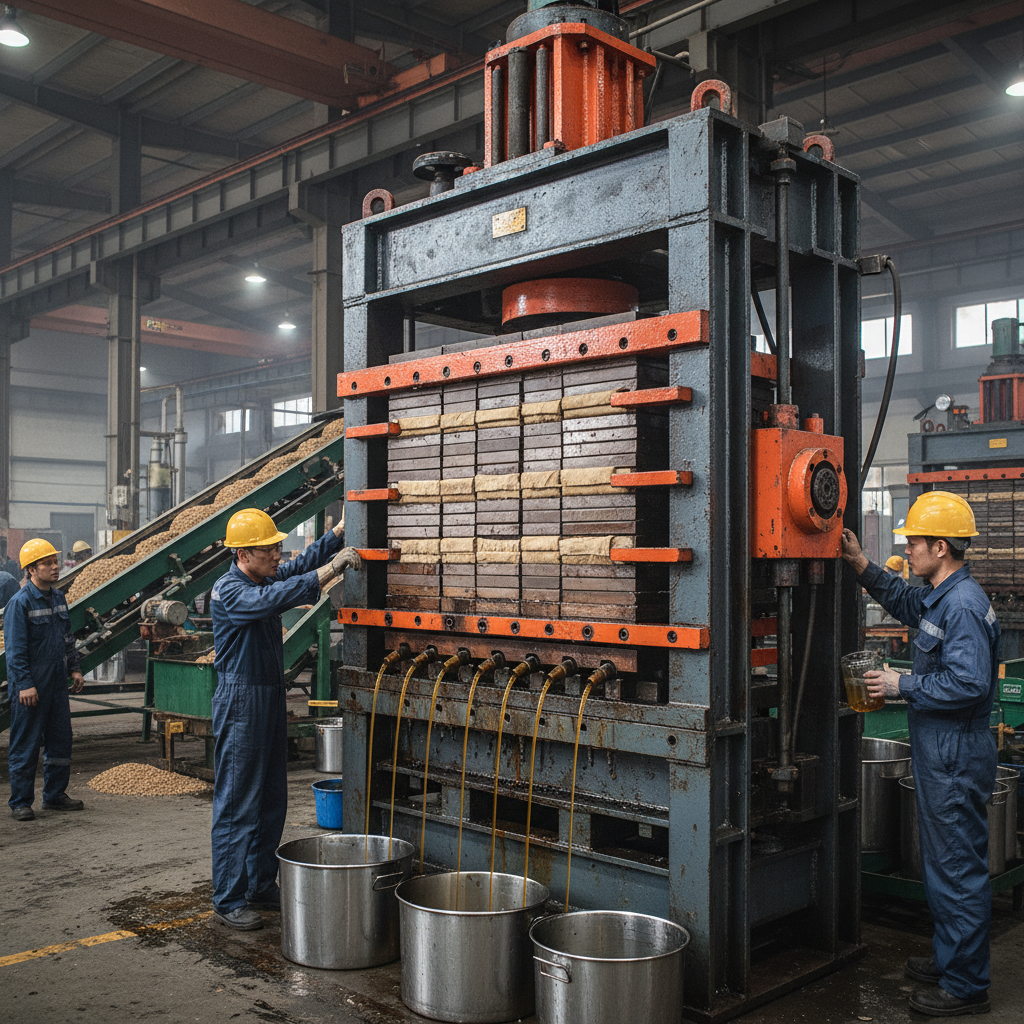
A seeds oil pressing machine is a mechanical device specifically designed to extract oil from various seeds, such as sunflower seeds, soybeans, rapeseed, sesame, and more. Unlike solvent extraction methods, pressing relies on mechanical force to rupture the oil-bearing cells within the seed, releasing the oil. The machine typically consists of a hopper for feeding seeds, a pressing chamber, and a screw or hydraulic mechanism to apply the necessary pressure.
The relevance of these machines extends beyond simply providing cooking oil. They play a critical role in supporting the biofuels industry by providing a sustainable source of feedstock for biodiesel production. Furthermore, the oil cake—the residual material left after pressing—is a valuable protein-rich animal feed supplement, reducing waste and maximizing resource utilization.
Modern seeds oil pressing machine are increasingly sophisticated, incorporating features like automatic temperature control, seed pre-treatment systems, and advanced filtration mechanisms to optimize oil quality and yield. The choice of machine depends heavily on the scale of operation, the type of seed being processed, and the desired level of automation.
Core Components and Operational Factors
Several key factors determine the efficiency and effectiveness of a seeds oil pressing machine. These include the pressing method (screw press or hydraulic press), the pre-treatment of the seeds (cleaning, drying, and sometimes heating), and the pressure applied during the extraction process. The quality of the seeds themselves – their oil content and moisture level – also significantly influences the final yield.
The screw press, the most common type, utilizes a rotating screw within a cylindrical chamber to compress the seeds. Hydraulic presses, on the other hand, use a piston to apply a more focused and controllable pressure. Proper seed preparation is crucial; removing impurities, drying the seeds to the optimal moisture level (typically 8-12%), and sometimes lightly heating them can significantly enhance oil extraction.
The motor power and transmission system of the machine also play a vital role in determining its performance. A robust motor and efficient transmission ensure consistent and reliable operation, even when processing large volumes of seeds. Regular maintenance, including lubrication and component inspection, is essential for maximizing the lifespan and efficiency of the machine.
Key Performance Indicators of Seeds Oil Pressing Machine
Evaluating the performance of a seeds oil pressing machine involves several key performance indicators (KPIs). Oil yield – the amount of oil extracted per unit of seed – is arguably the most important. However, other factors, such as oil quality, residual oil content in the oil cake, energy consumption, and operational downtime, are also critical for a comprehensive assessment.
Measuring these KPIs allows for optimization of the pressing process and identification of areas for improvement. For example, monitoring the residual oil content in the cake can indicate whether the pressing pressure is sufficient, while tracking energy consumption reveals the machine’s efficiency.
Seeds Oil Pressing Machine Performance Comparison
Global Applications and Sector Integration
The applications of seeds oil pressing machine span a diverse range of industries globally. In agriculture, they are used on farms and in processing plants to extract oil from various crops, providing a crucial link in the food supply chain. In the biofuels sector, they are employed to produce biodiesel from oilseeds, contributing to renewable energy initiatives.
In post-disaster relief operations, portable seeds oil pressing machine can provide a vital source of nutrition by enabling the local processing of readily available seeds. Similarly, in remote industrial zones, these machines facilitate localized oil production, reducing transportation costs and improving supply chain resilience. Across Africa, small-scale farmers increasingly rely on these machines to create income-generating opportunities.
Advantages and Long-Term Economic Value
Investing in a high-quality seeds oil pressing machine offers numerous tangible benefits. Cost savings are significant, as local processing reduces reliance on expensive imported oils. Sustainability is enhanced through reduced transportation emissions and the utilization of locally sourced resources. The production of valuable by-products, such as oil cake for animal feed, further increases profitability.
Beyond the economic advantages, these machines contribute to social well-being by supporting local economies and empowering communities. The reliability of modern machines, coupled with readily available spare parts and maintenance services, ensures long-term operational stability and a strong return on investment, fostering trust and innovation.
Future Trends and Technological Advancements
The future of seeds oil pressing machine technology lies in enhanced automation, improved energy efficiency, and the integration of digital technologies. We can expect to see more machines equipped with sensors and data analytics capabilities, allowing for real-time monitoring of performance and optimization of the pressing process.
Furthermore, advancements in materials science will lead to the development of more durable and corrosion-resistant components, extending the lifespan of the machines. The pursuit of 'green' pressing technologies, minimizing energy consumption and waste generation, will also be a major driving force in innovation.
The increasing focus on sustainability will also drive research into utilizing alternative energy sources to power these machines, such as solar or wind energy, further reducing their environmental footprint and enhancing their long-term economic viability.
Key Operational Performance Indicators for Seeds Oil Pressing Machine
| Seed Type |
Oil Yield (%) |
Residual Oil in Cake (%) |
Energy Consumption (kWh/ton) |
| Sunflower Seeds |
45-55% |
5-8% |
15-25 |
| Soybean Seeds |
18-22% |
8-12% |
20-30 |
| Rapeseed Seeds |
40-45% |
6-10% |
18-28 |
| Sesame Seeds |
50-60% |
4-7% |
12-20 |
| Palm Kernel |
45-50% |
7-11% |
22-32 |
| Cotton Seeds |
15-20% |
10-15% |
25-35 |
FAQS
The ideal moisture content for most seeds is between 8-12%. Too much moisture can lead to inefficient pressing and lower oil yield, while too little can cause the seeds to become brittle and difficult to process. Regularly checking and adjusting the moisture level ensures optimal performance and maximizes oil extraction efficiency. Proper drying of seeds is a crucial pre-treatment step for all seeds oil pressing machine operations.
Regular maintenance is key to extending the lifespan and maintaining the efficiency of your machine. Daily checks should include lubrication of moving parts and visual inspection for wear and tear. Monthly maintenance should involve a more thorough cleaning and inspection of all components. Annual servicing by a qualified technician is also recommended to address potential issues and ensure optimal performance.
A wide range of seeds can be processed, including sunflower, soybean, rapeseed (canola), sesame, cottonseed, palm kernel, and flaxseed. However, the efficiency and oil yield will vary depending on the seed type and the machine’s specifications. Some machines are specifically designed for certain seeds, while others are more versatile. It’s important to choose a machine that is compatible with the seeds you intend to process.
Screw presses use a rotating screw to compress seeds, offering continuous operation and lower initial cost. Hydraulic presses employ a piston for higher, more controlled pressure, ideal for seeds with harder shells, but generally have lower throughput. Screw presses are more common for large-scale operations, while hydraulic presses can be beneficial for specialized applications or smaller batches. Both types of seeds oil pressing machine have their advantages.
Several factors can influence oil yield. Ensuring proper seed preparation (cleaning, drying, and sometimes heating) is crucial. Adjusting the pressing pressure and speed to the optimal setting for your specific seed type can also help. Regular maintenance and component inspection prevent performance degradation. Finally, consider pre-treating the seeds with a conditioning agent to enhance oil release.
The oil cake, the residual material after oil extraction, is a valuable protein-rich animal feed supplement. It can be used directly as feed for livestock or processed further into animal feed pellets. It’s also a useful organic fertilizer for improving soil health. Proper storage is important to prevent spoilage and maintain its nutritional value.
Conclusion
In conclusion, the seeds oil pressing machine remains a vital technology with far-reaching implications, impacting food security, renewable energy, and local economies globally. Its ongoing evolution, driven by demands for increased efficiency, sustainability, and automation, promises further advancements in oil extraction and utilization. Understanding the core principles, operational factors, and future trends surrounding these machines is paramount for stakeholders across various sectors.
Investing in a robust and well-maintained seeds oil pressing machine is not just a technological upgrade, but a strategic move towards long-term economic sustainability and resilience. We encourage you to explore the latest innovations and solutions available to optimize your oil extraction processes and contribute to a more sustainable future. Visit our website: www.oilmillchina.com