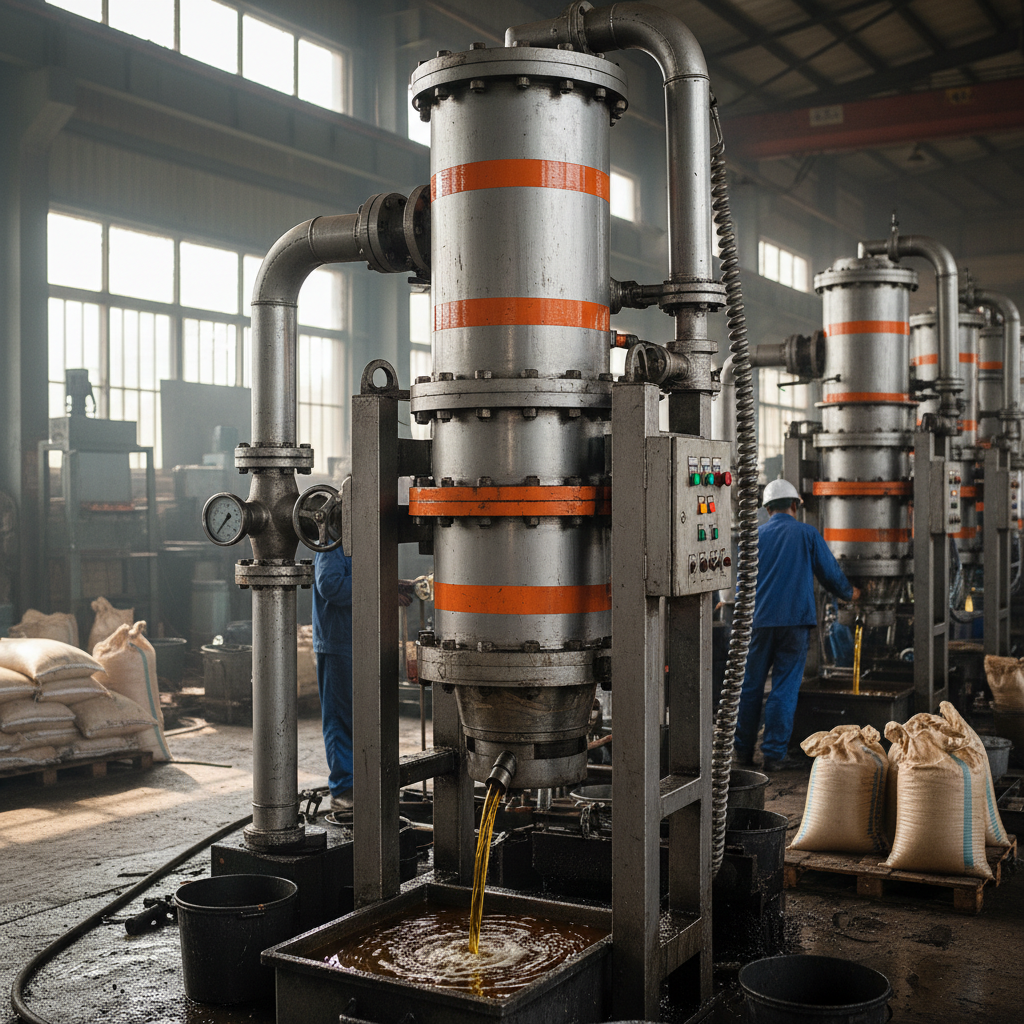
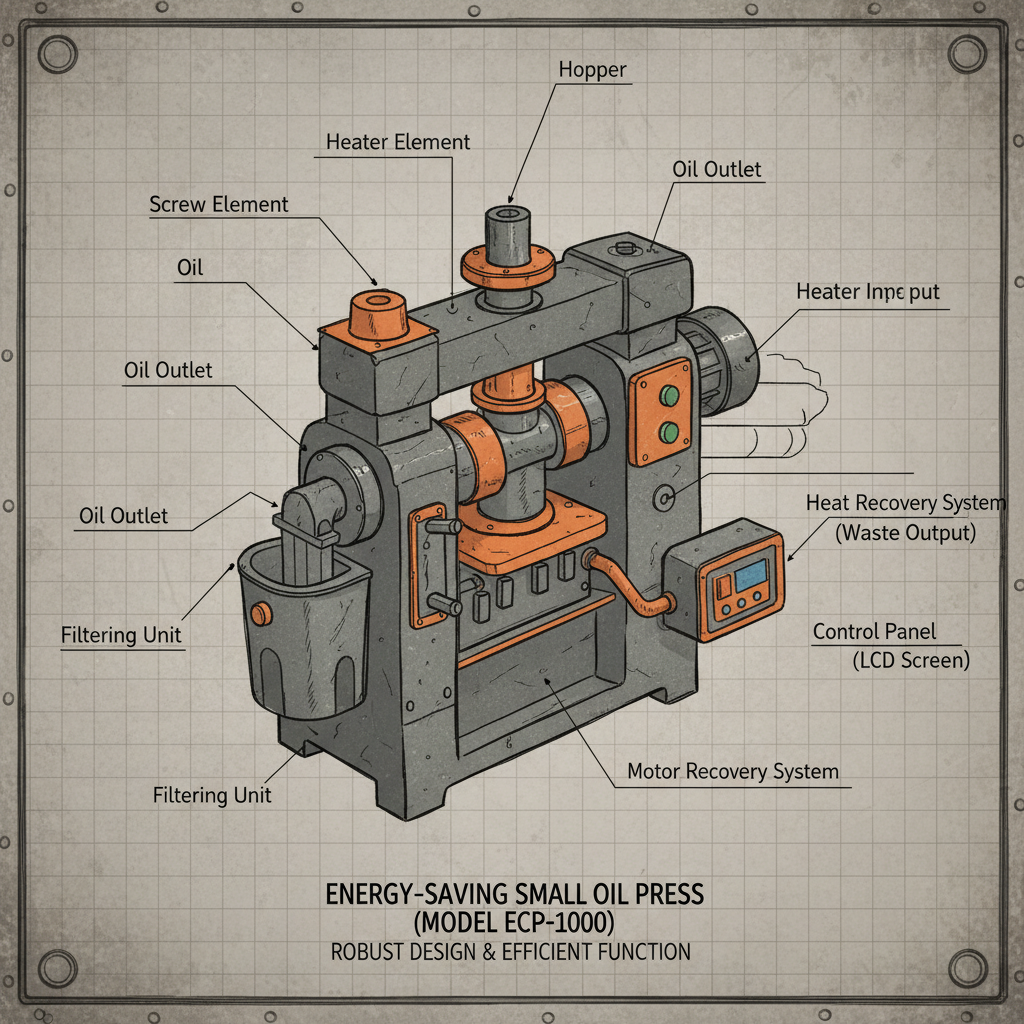
The plate press filter. Sounds fancy, right? But out here on site, it's about getting the job done, and getting it done right. For years, we’ve been wrestling with sludge – everything from wastewater on construction sites to processing byproducts in manufacturing. Traditional methods? Slow, messy, and frankly, a headache. That’s where plate press filter technology steps in. It’s not just about filtration; it’s about efficient resource management, reducing environmental impact, and ultimately, saving time and money. It’s a workhorse that’s becoming increasingly vital across a huge range of industries.
We're talking about a system that takes murky, thick liquids and turns them into clean water and solid, manageable material. It's a fundamental process for a lot of things, and frankly, improvements in this area have a ripple effect. Better filtration means cleaner water resources, reduced landfill waste, and the ability to recover valuable materials. It's a key piece of sustainable practices, and regulations are only getting tighter, meaning the need for efficient systems like this is only going to grow. I’ve seen firsthand the costs associated with failing to address these issues properly, and it’s substantial.
And it's not just big industrial plants anymore. The versatility of plate press filters means you're seeing them pop up on smaller construction projects, in food processing facilities, and even in emergency disaster relief efforts. The ability to quickly and efficiently dewater materials is a game-changer in a lot of scenarios. It’s moved beyond niche application to being a core component of modern operations.
The Importance of Plate Press Filter Technology
Look, dealing with sludge isn’t glamorous. It’s a dirty job, but someone’s gotta do it. Traditionally, companies have relied on settling ponds, centrifuges, or belt presses. Those methods have their place, but they often fall short in terms of efficiency and solid content. Plate press filters, though, deliver a significantly drier cake, meaning less volume for disposal and lower transportation costs. From a purely practical standpoint, that makes a huge difference on a project.
The global demand for effective wastewater treatment and resource recovery is skyrocketing. According to the UN, billions of people still lack access to basic sanitation, and industrial wastewater discharge is a major environmental concern. Plate press filters are a crucial part of addressing these challenges, offering a reliable and cost-effective solution for a variety of applications. They're becoming less of a "nice to have" and more of a "must have" for responsible operations.
Understanding Plate Press Filter Fundamentals
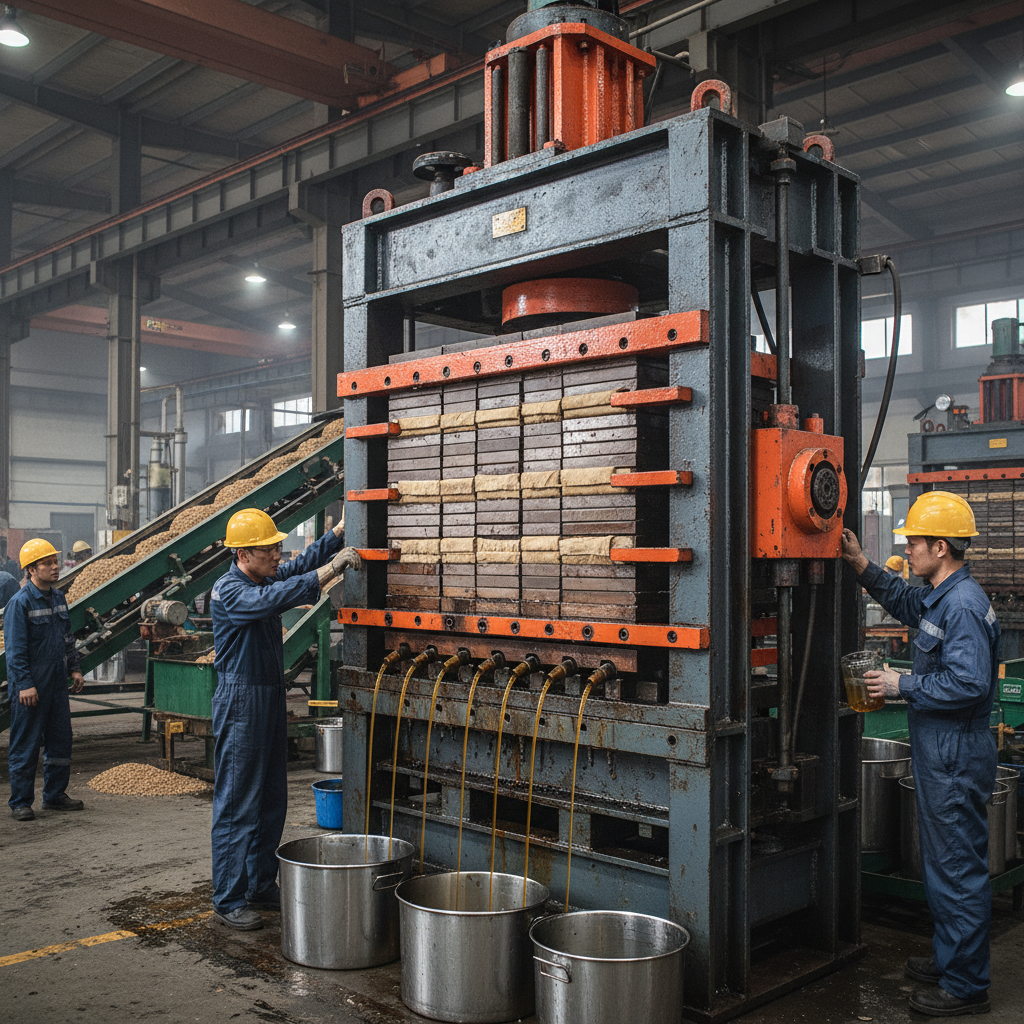
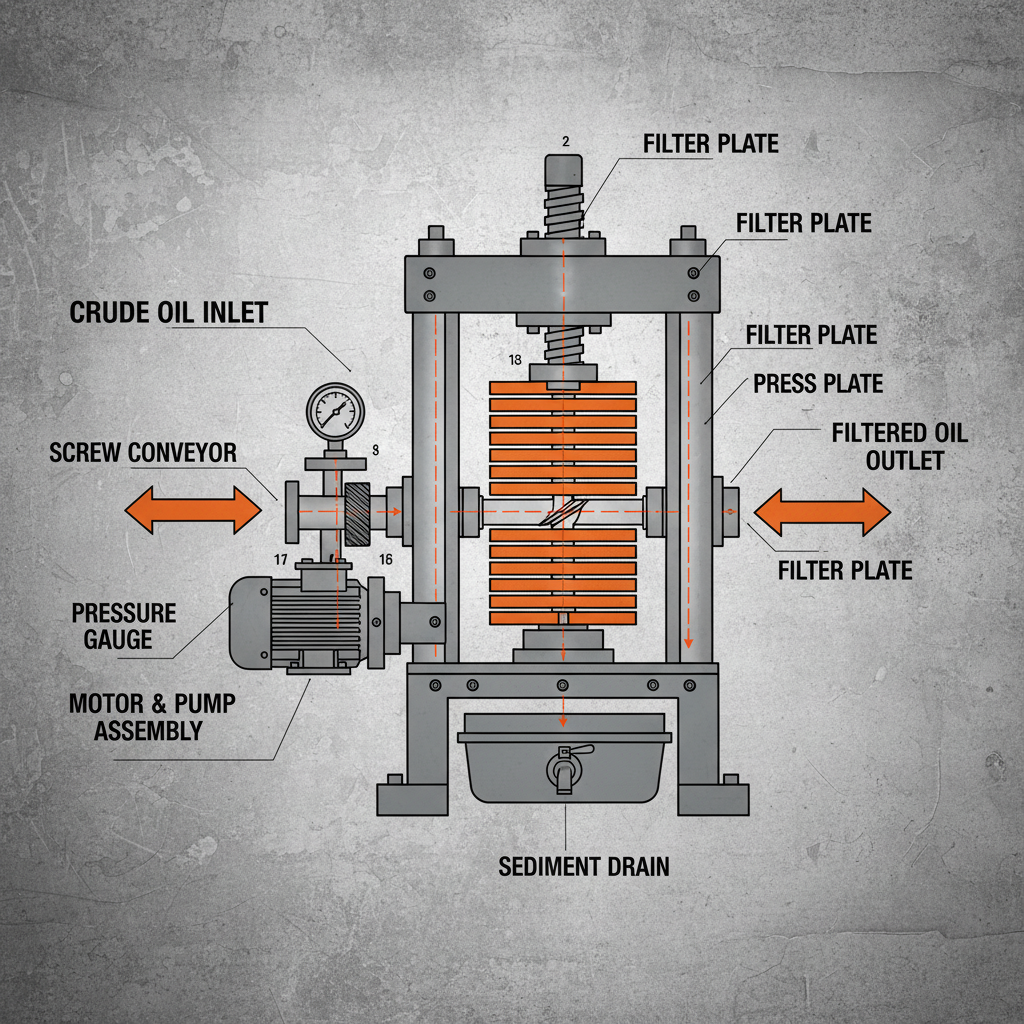
Okay, so what is a plate press filter? Simply put, it's a system that uses a series of plates to create chambers where slurry is pumped under pressure. The liquid passes through the filter cloth, leaving behind a solid "cake" of material. It’s a fairly straightforward concept, but the devil’s in the details. Different filter cloths, plate designs, and operating pressures all impact performance.
The connection to modern industry is clear. Think about mining operations needing to dewater tailings, food processing plants separating solids from liquids, or even municipal wastewater treatment facilities. These aren't theoretical applications; they're happening every day, all over the world. The ability to reclaim valuable resources and reduce waste streams is a core tenet of a circular economy, and plate press filters play a pivotal role.
And it's not just about the industrial side. In humanitarian aid, these filters can be vital for providing clean water in disaster zones or refugee camps. The portability and relatively simple operation make them a valuable asset when infrastructure is limited. I've seen engineers adapt these systems to handle everything from contaminated floodwater to industrial effluent in challenging environments.
Core Components and Operational Factors
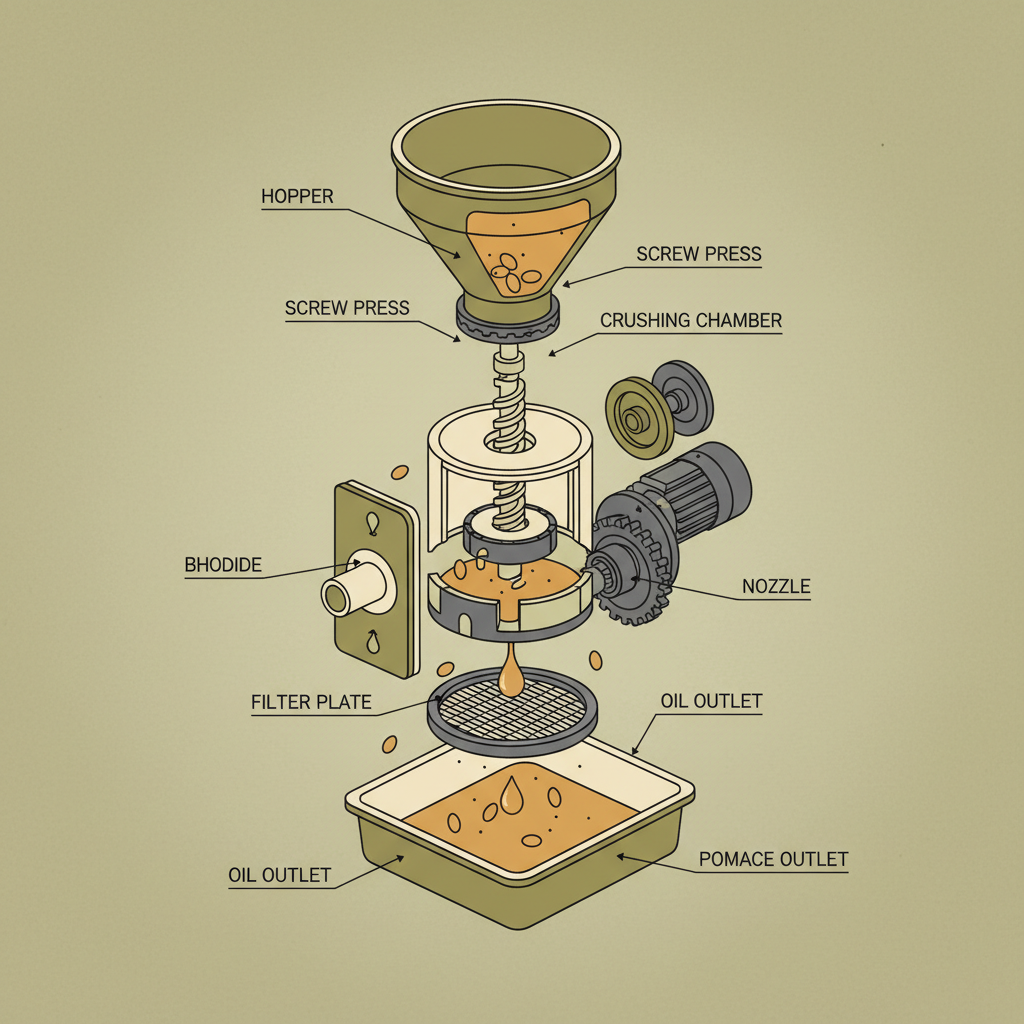
Let's break down what makes these things tick. You've got the plates themselves, which are the heart of the system. They come in different materials – polypropylene, stainless steel, even coated metals – depending on the slurry being processed. Then there’s the filter cloth, which is crucial for capturing the solids. Selecting the right cloth is key; wrong material, and you’re constantly dealing with clogging and downtime. We always test different options before making a final decision.
Pressure is another critical factor. Higher pressure generally means a drier cake, but it also puts more stress on the system. You need to find the sweet spot – the pressure that maximizes efficiency without compromising the equipment’s lifespan. And don’t forget about the feed pump; a consistent and reliable pump is essential for maintaining optimal performance. I’ve seen systems grind to a halt because of a faulty pump, and it’s never pretty.
Finally, the automatic plate shifting mechanism is a lifesaver. Manually shifting plates is back-breaking work, especially when you're dealing with large systems. The automated systems speed up the cake discharge process and reduce labor costs. It’s one of those features that, once you’ve used it, you can’t imagine going back.
Global Applications and Real-World Use Cases
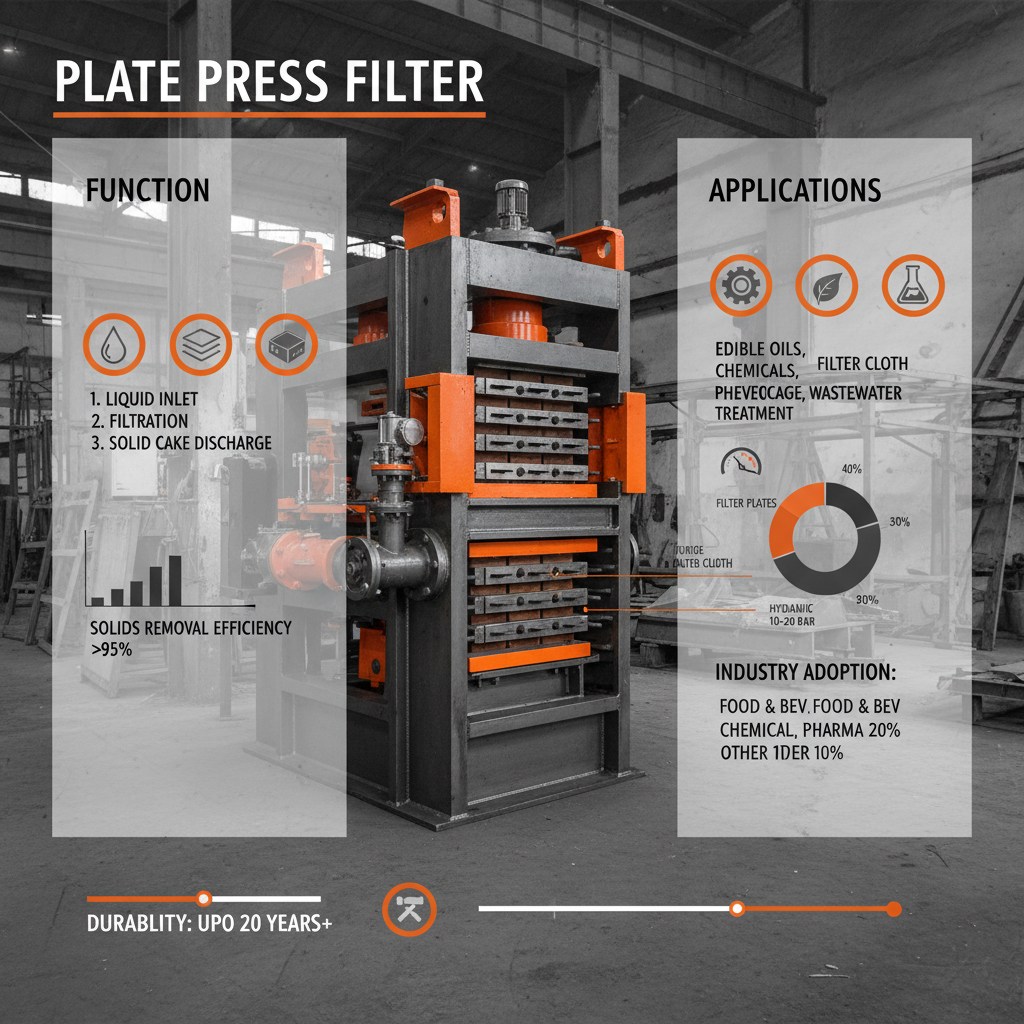
I’ve seen these filters in action all over. In post-disaster relief operations, they’re used to quickly dewater contaminated floodwater. In remote industrial zones, they’re essential for managing wastewater from mining and mineral processing. In the food and beverage industry, they’re used to clarify juices, wines, and other liquids.
Take sugar production, for example. They use plate press filters to separate sugar crystals from molasses. It’s a high-volume application, and the efficiency of the filter directly impacts the yield. Another example is the chemical industry, where they're used to recover valuable catalysts and purify chemical solutions.
Plate Press Filter Efficiency Across Industries
Advantages and Long-Term Value Proposition
From a cost perspective, these filters pay for themselves pretty quickly. The reduced disposal costs, lower labor requirements, and increased resource recovery all add up. And let’s be real, sustainability isn’t just a buzzword anymore; it’s a business imperative.
The long-term value goes beyond just the bottom line. It’s about building a more resilient and responsible operation. Reducing your environmental footprint builds trust with customers and stakeholders, and it positions you for success in a world that's increasingly focused on sustainability. It also protects you from future regulations.
Future Trends and Innovative Advancements
We're seeing a push toward more automated systems, with remote monitoring and control capabilities. That means fewer trips to the site, quicker response times to issues, and optimized performance. Digital sensors and data analytics are becoming increasingly integrated, allowing for predictive maintenance and better process control.
There’s also a lot of research going into new filter materials. We’re looking at membranes with higher flow rates and better resistance to fouling. The goal is to reduce energy consumption and improve overall efficiency. The future of plate press filter is about smart, sustainable, and integrated solutions.
Challenges and Practical Solutions
Clogging is always a concern, especially with highly viscous or abrasive slurries. The key is proper pre-treatment – things like screening and coagulation – to remove larger particles. Regular cleaning and maintenance are also essential. I can't stress that enough.
Another challenge is scaling up. What works well on a small pilot scale might not translate directly to a large industrial application. Proper engineering design and thorough testing are crucial. It’s not just about slapping a bigger filter onto the system; you need to consider the entire process flow.
Finally, operator training is vital. A well-trained operator can spot potential problems early on and prevent costly downtime. We always provide comprehensive training to our clients, covering everything from basic operation to advanced troubleshooting.
Key Operational Considerations for Plate Press Filters
| Slurry Characteristics |
Filter Cloth Selection |
Operating Pressure |
Maintenance Schedule |
| High Solids Content |
Polyester or Polypropylene |
6-8 Bar |
Daily Cloth Inspection |
| Abrasive Particles |
Reinforced Polypropylene |
4-6 Bar |
Weekly Plate Cleaning |
| Viscous Slurry |
Polypropylene with High Permeability |
8-10 Bar |
Monthly Backwashing |
| Chemically Reactive |
PTFE Coated Fabric |
5-7 Bar |
Semi-Annual Polymer Replacement |
| High Temperature |
Heat Resistant Materials |
Variable (Material Dependent) |
Annual System Inspection |
| Low Solids Content |
Fine Mesh Polyester |
3-5 Bar |
Bi-Weekly Filter Integrity Test |
FAQS
Without a doubt, it’s underestimating the importance of pre-treatment. You can’t just dump any slurry into a plate press and expect it to work efficiently. Proper screening, coagulation, and flocculation are critical for removing larger particles and preventing clogging. A little upfront investment in pre-treatment can save you a lot of headaches down the line.
That really depends on the type of slurry you’re processing and how well you maintain the system. Generally, you’re looking at anywhere from 6 months to 2 years for typical applications. Regular inspection is key – look for tears, wear, and fouling. Keeping a spare set of cloths on hand is always a good idea.
While these systems are becoming increasingly automated, a basic understanding of filtration principles is essential. Operators should be trained on proper operation, maintenance, and troubleshooting. We provide comprehensive training programs to ensure our clients have the knowledge they need.
Compared to some other dewatering methods, yes. They generally require less energy than systems like centrifuges. However, energy consumption depends on factors like pump size, operating pressure, and the viscosity of the slurry. Newer models with energy-efficient pumps and optimized designs are even more environmentally friendly.
The drier the cake, the easier and cheaper it is to dispose of. Depending on the composition of the cake, it may be suitable for landfill, composting, or even reuse in certain applications. Always comply with local regulations regarding waste disposal.
The initial investment can be higher than some other options, but the long-term operating costs are often lower. The reduced disposal costs, lower energy consumption, and minimal labor requirements make it a cost-effective solution over the lifecycle of the equipment. A proper cost-benefit analysis is essential.
Conclusion
Plate press filter technology is a game-changer for industries grappling with wastewater management, resource recovery, and sustainable practices. It's a robust, efficient, and increasingly versatile solution that delivers tangible benefits – from reduced costs and environmental impact to improved operational efficiency and regulatory compliance. It’s not just about filtration; it’s about a smarter, more responsible approach to resource management.
Looking ahead, the integration of automation, data analytics, and innovative filter materials will continue to drive advancements in this field. If you’re looking for a reliable and cost-effective solution for your dewatering needs, a plate press filter is definitely worth considering. Don’t hesitate to reach out to us to discuss your specific requirements and explore how we can help. Visit our website: plate press filter.