The sunflower oil press machine has become an increasingly vital component of the global edible oil industry, playing a crucial role in meeting the growing demand for sunflower oil. From small-scale farmers to large industrial operations, these machines offer an efficient and cost-effective method for extracting oil from sunflower seeds. The increasing global population and shifting dietary preferences are driving the need for sustainable and localized oil production, and the sunflower oil press machine is at the heart of this evolution.
Sunflower oil, prized for its health benefits and versatile applications in cooking and manufacturing, continues to gain popularity worldwide. This demand has spurred significant advancements in sunflower oil press machine technology, focusing on improving oil yield, reducing energy consumption, and enhancing overall operational efficiency. Understanding the nuances of these machines is critical for anyone involved in the sunflower oil supply chain.
Investing in a high-quality sunflower oil press machine offers numerous advantages, including increased profitability, improved product quality, and greater control over the production process. This guide delves into the intricacies of these machines, exploring their key components, global applications, and future trends.
Introduction to Sunflower Oil Press Machines
Sunflower oil press machines have evolved significantly from traditional manual methods to sophisticated automated systems. Early iterations were labor-intensive, offering limited oil extraction rates. Modern machines, however, leverage advanced technologies to maximize efficiency and minimize waste, resulting in higher yields and superior oil quality. Choosing the right machine depends on factors like scale of production and budget.
These machines come in various types, including mechanical presses (screw presses and hydraulic presses) and solvent extraction systems. Mechanical presses are preferred for smaller-scale operations and produce a healthier, more natural oil. Solvent extraction is generally used for large-scale industrial production to maximize oil recovery. Selecting the appropriate sunflower oil press machine involves a careful assessment of production requirements and desired oil quality.
Global Relevance and Market Overview
The global sunflower oil market is a multi-billion dollar industry, with significant growth projected in the coming years. According to recent reports, the market is experiencing a compound annual growth rate (CAGR) of approximately 4-6%, driven by increased demand from emerging economies and growing awareness of the health benefits of sunflower oil. Ukraine and Russia are traditionally the largest producers of sunflower seeds, but production is expanding in other regions like Argentina, the United States, and Australia.
This increased production necessitates efficient oil extraction methods, making sunflower oil press machines essential for maintaining supply and meeting global demand. Disruptions in traditional supply chains, as seen with recent geopolitical events, highlight the importance of localized oil production capabilities. The ability to independently process sunflower seeds offers greater resilience and control over the supply chain.
The demand for sustainable and ethically sourced oil is also influencing market trends. Consumers are increasingly seeking products with a smaller environmental footprint, prompting manufacturers to adopt more eco-friendly practices, including utilizing energy-efficient sunflower oil press machine systems.
Defining the Sunflower Oil Press Machine
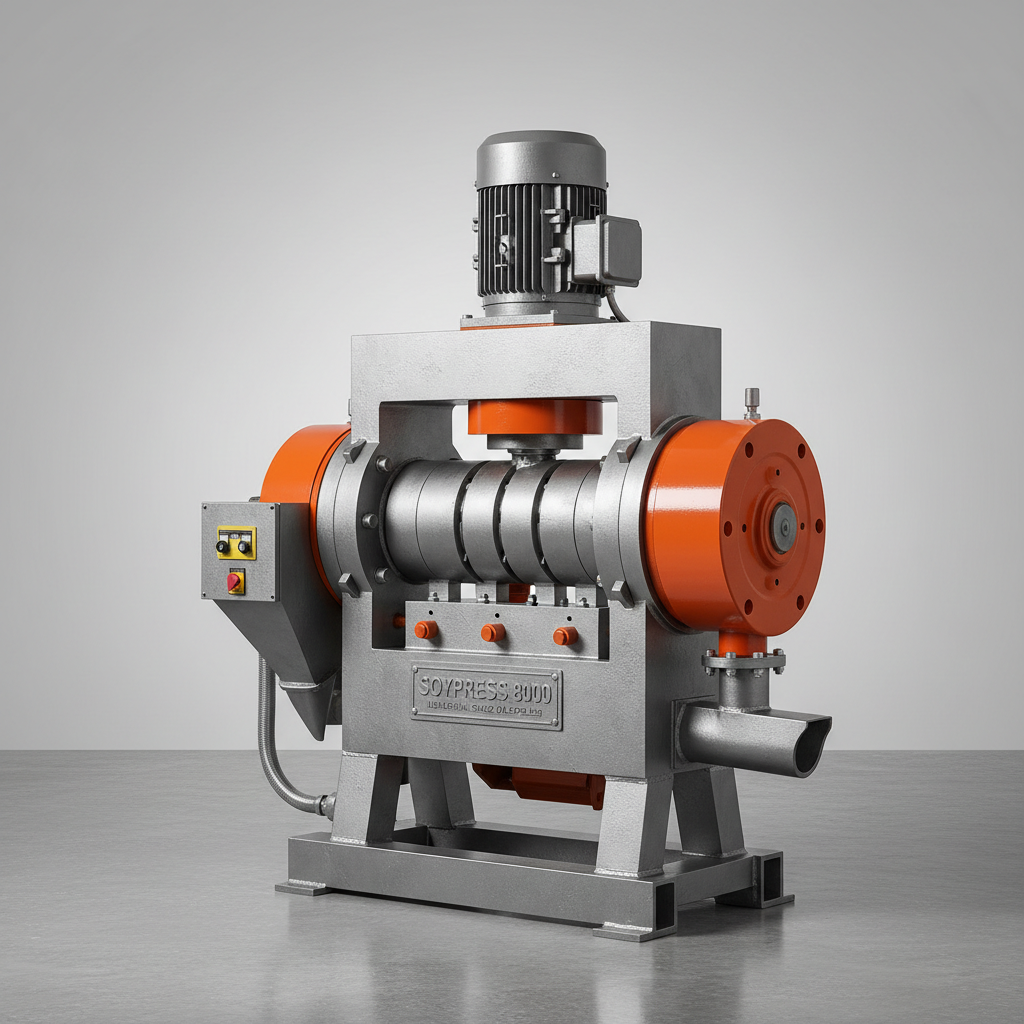
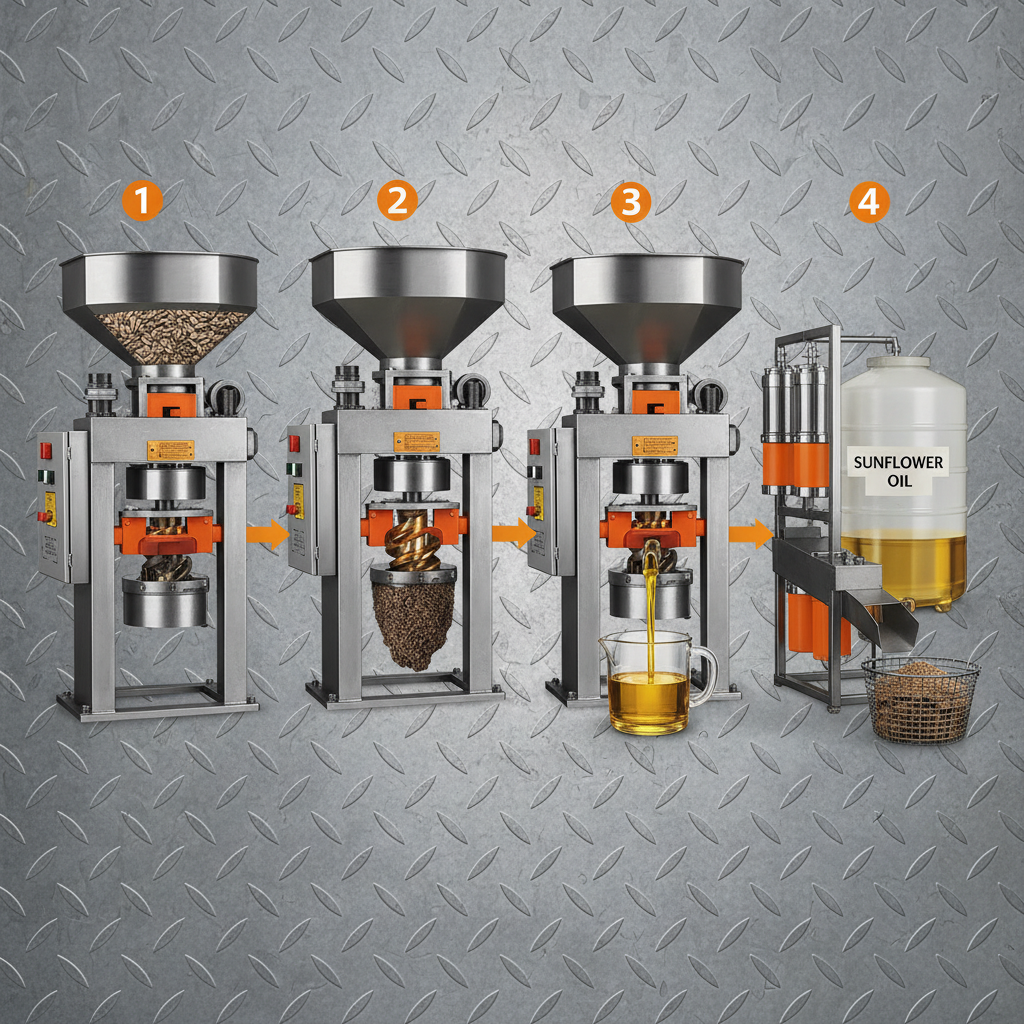
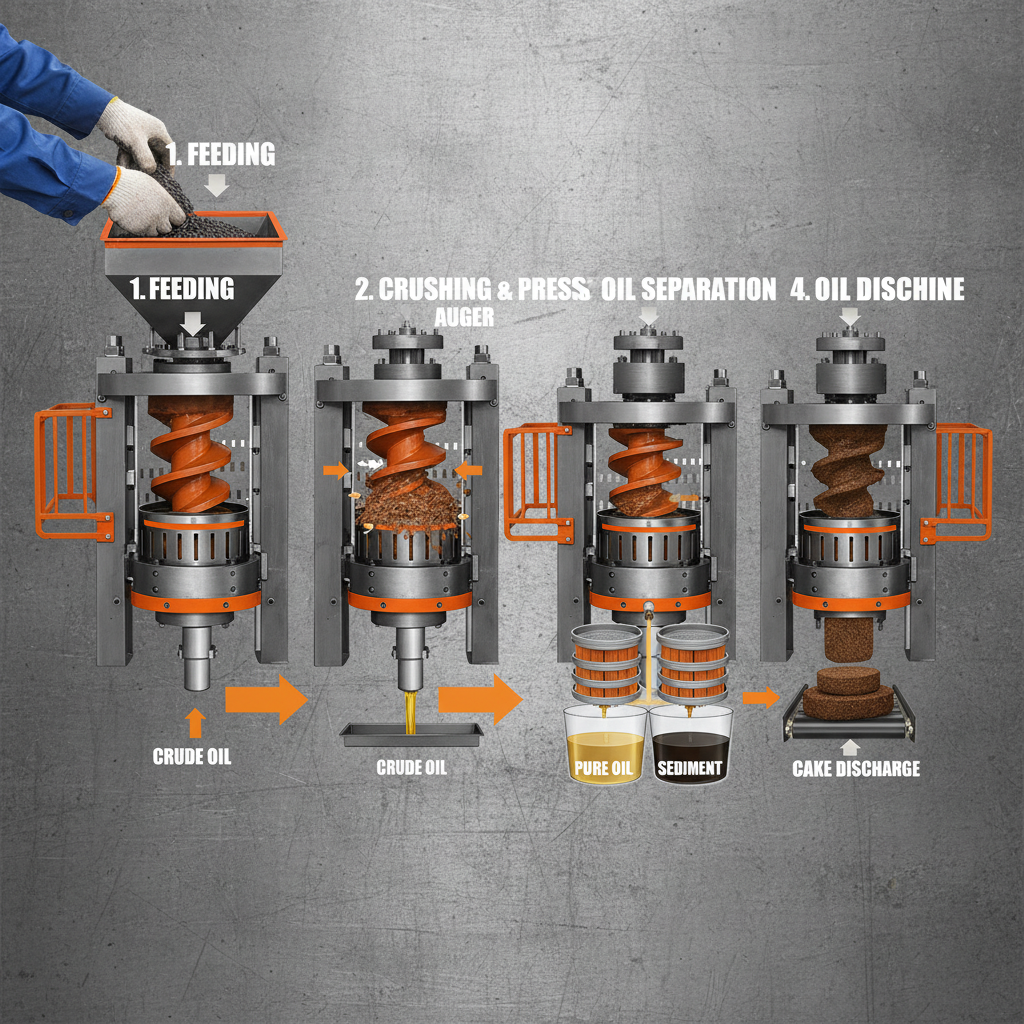
A sunflower oil press machine is a device designed to extract oil from sunflower seeds through mechanical pressure. The core principle involves applying substantial force to rupture the oil-containing cells within the seeds, releasing the oil which is then separated from the solid residue (oil cake). The process can be either cold-pressed (minimal heat applied) or hot-pressed (seeds are heated before pressing).
The machine's efficiency is determined by factors such as the type of press, the pressure applied, the seed quality, and the machine's overall design. Modern machines often incorporate features like automatic seed feeding, temperature control, and filtration systems to optimize oil yield and quality. They can range in capacity from small, portable units for home use to large-scale industrial systems capable of processing tons of seeds per day.
The sunflower oil press machine is fundamental to both the food industry and renewable energy sectors. Beyond edible oil production, sunflower oil is also used in the manufacturing of biofuels, lubricants, and cosmetics. The increasing versatility of sunflower oil further underscores the importance of reliable and efficient oil extraction technology.
Key Factors Influencing Performance
Several key factors directly impact the performance and efficiency of a sunflower oil press machine. First is Oil Yield, which is the amount of oil extracted from a given quantity of seeds. Higher yield translates directly into increased profitability. Second, Durability is critical, particularly for continuous operation. Machines constructed with high-quality materials are less prone to breakdowns and require less maintenance.
Energy Efficiency is another essential consideration, as energy costs can significantly impact operating expenses. Modern machines often incorporate energy-saving technologies to minimize consumption. Maintenance Requirements are important, as frequent or complex maintenance can disrupt production. Simple, easily maintainable machines are preferred. Finally, Automation Level influences labor costs and overall efficiency. Automated machines require less manual intervention, reducing labor needs and improving consistency.
Sunflower Oil Press Machine Performance Metrics
Real-World Applications & Use Cases
Sunflower oil press machines find application in a wide range of settings. In post-disaster relief operations, portable sunflower oil press machine systems can provide a crucial source of nutrition by processing locally available sunflower seeds. They also are integral to small-scale farming in developing countries, empowering local communities to produce their own oil for consumption and sale.
Larger-scale industrial applications include commercial oil refineries and food processing plants where high-capacity machines ensure continuous and efficient oil extraction. Moreover, the growing biofuel industry utilizes sunflower oil extracted via these machines as a sustainable alternative to fossil fuels.
The Advantages and Long-Term Value Proposition
The advantages of utilizing a sunflower oil press machine are numerous. Cost savings are significant, as processing seeds in-house reduces reliance on expensive commercially produced oil. Sustainability is enhanced by promoting local agriculture and reducing transportation emissions. Social impact is positive, providing economic opportunities for farmers and communities.
Reliability is key; modern machines are designed for robust performance and minimal downtime. The ability to control oil quality and purity offers a distinct advantage, ensuring a healthier and more desirable product. Investing in a quality sunflower oil press machine isn't merely an expense, it's a strategic investment in long-term profitability and sustainability.
Future Trends and Technological Innovations
The future of sunflower oil press machine technology is focused on increasing automation, improving energy efficiency, and enhancing oil quality. Innovations in sensor technology and data analytics are enabling “smart” machines that can optimize performance in real-time. The integration of artificial intelligence (AI) is poised to further enhance efficiency and reduce waste.
Furthermore, research into novel pressing techniques and seed pre-treatment methods is aimed at maximizing oil yield and reducing the environmental impact of the process. The adoption of sustainable materials and the development of closed-loop systems that recycle water and minimize waste are also key areas of focus.
The development of more compact and portable machines is also gaining traction, enabling decentralized oil production and empowering smaller-scale farmers to participate in the market.
FAQS
The oil yield percentage varies depending on seed quality, the type of press, and the pressing method used. However, a well-maintained mechanical press typically achieves a yield of between 65% to 80%. Solvent extraction methods can achieve even higher yields, reaching up to 95%, but they involve the use of chemical solvents. Optimizing seed preparation and pressing parameters is crucial for maximizing yield.
Regular maintenance is vital for ensuring the longevity and efficiency of a sunflower oil press machine. This includes daily cleaning of the press chamber, regular lubrication of moving parts, and periodic inspection and replacement of wear items like belts and bearings. Following the manufacturer's maintenance schedule is essential. Proper maintenance prevents breakdowns and maximizes oil yield.
Cold-pressed sunflower oil is extracted without the application of heat, preserving more of the oil's natural nutrients, flavor, and aroma. It typically has a lower yield but is considered healthier. Hot-pressed oil is extracted after heating the seeds, increasing oil yield but potentially degrading some of the oil's quality. The choice depends on the desired quality and processing efficiency.
Space requirements vary significantly based on the machine's capacity and level of automation. Small, portable machines can operate in a relatively small area (e.g., 5m x 3m). Large-scale industrial machines require significantly more space, including areas for seed storage, processing, oil filtration, and packaging. Proper ventilation and access for maintenance are also essential considerations.
Sunflower oil press machines involve moving parts and high pressure, so safety is paramount. Operators should wear appropriate personal protective equipment (PPE), including safety glasses and gloves. Ensure the machine is properly grounded and that all safety guards are in place. Never attempt to repair or maintain the machine while it is running. Follow all manufacturer's safety guidelines.
The lifespan of a sunflower oil press machine depends on its build quality, maintenance practices, and operational intensity. A well-maintained, high-quality machine can typically last for 10-20 years. Regular maintenance, including lubrication and replacement of wear parts, is crucial for extending its lifespan. Consider investing in a machine from a reputable manufacturer for greater reliability.
Conclusion
In conclusion, the sunflower oil press machine is an indispensable tool in the modern edible oil industry. From enhancing local production capabilities to contributing to sustainable energy solutions, these machines offer significant economic, environmental, and social benefits. Understanding the key factors influencing performance, exploring real-world applications, and staying abreast of emerging trends are essential for maximizing the value of this technology.
Looking ahead, continued innovation in automation, energy efficiency, and oil quality will further solidify the sunflower oil press machine’s role in meeting the growing global demand for sunflower oil. We encourage you to explore the options available and discover how a sunflower oil press machine can benefit your operations. Visit our website today to learn more!