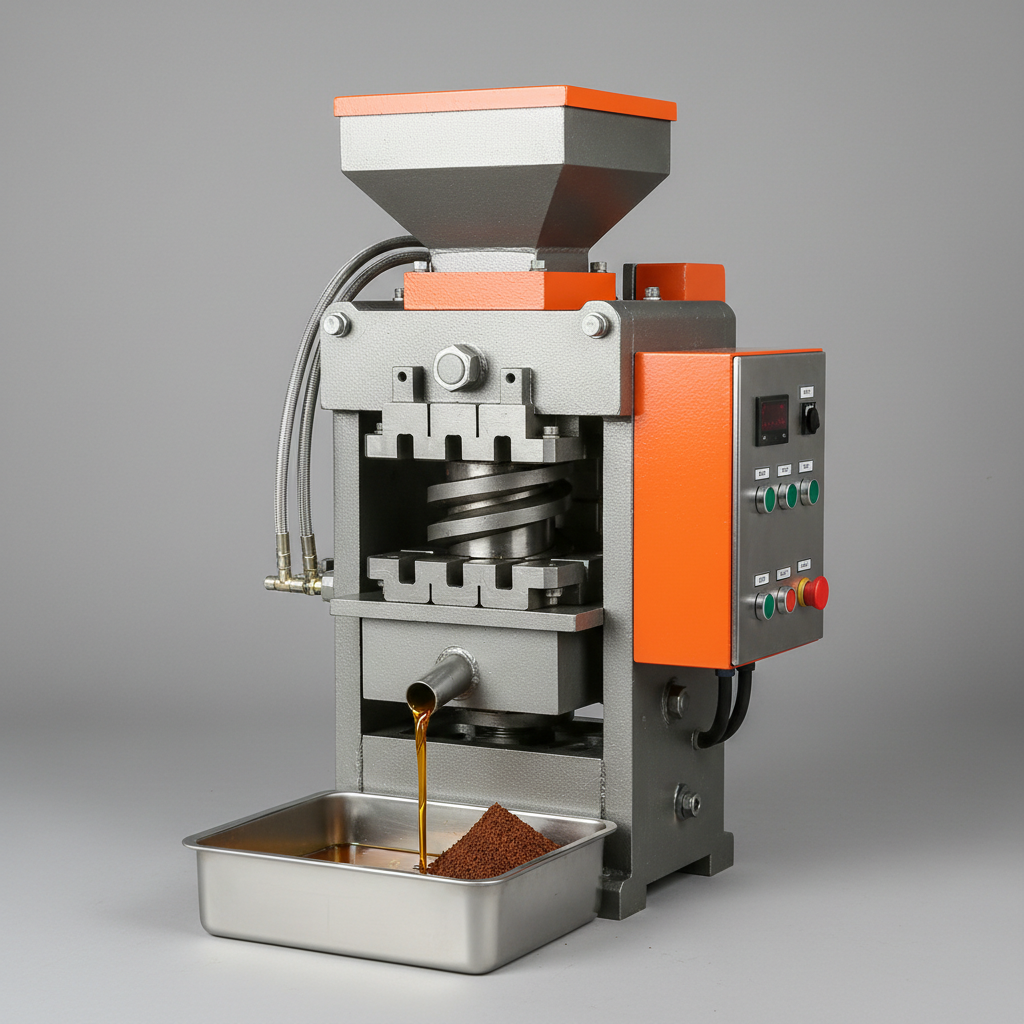
The global demand for vegetable oils is constantly increasing, driven by population growth, changing dietary habits, and expanding industrial applications. Within this landscape, the efficient and reliable extraction of oil from soybeans is paramount. The soybean oil expeller plays a crucial role in meeting this demand, offering a sustainable and cost-effective alternative to traditional solvent extraction methods. Understanding the nuances of these machines – their capabilities, applications, and future developments – is vital for businesses and industries involved in oilseed processing.
Soybean oil is one of the most widely consumed vegetable oils globally, used extensively in food production, biofuel production, and various industrial processes. The soybean oil expeller provides a mechanical means of extracting this valuable resource, avoiding the use of harsh chemicals and minimizing environmental impact. This makes it an increasingly attractive option for producers committed to sustainability and responsible manufacturing practices.
From small-scale farmers to large-scale industrial operations, the soybean oil expeller offers a versatile solution for oil extraction. It’s a technology that empowers local economies, supports food security, and promotes environmentally friendly practices, solidifying its position as a cornerstone of the modern oilseed industry.
Introduction to Soybean Oil Expellers
Soybean oil expellers represent a significant advancement in oilseed processing technology. These machines utilize mechanical pressure to extract oil from soybean seeds, providing a cleaner and more sustainable method compared to solvent extraction. The efficiency of modern expellers allows for maximizing oil yield while minimizing waste, contributing to a more circular and resource-conscious approach.
The design and engineering of soybean oil expellers have evolved significantly over time, incorporating innovations to improve performance, durability, and ease of operation. These improvements address key challenges in oil extraction, making the process more profitable and environmentally responsible for businesses of all sizes.
Global Relevance and Market Dynamics
The global soybean oil market is experiencing sustained growth, fueled by increasing demand for edible oils, biofuels, and industrial applications. This demand places a significant emphasis on efficient oil extraction technologies, positioning soybean oil expellers as a crucial component of the supply chain. According to the USDA, soybean production continues to rise globally, necessitating expanded processing capacity.
The market for soybean oil expellers is particularly strong in regions with significant soybean cultivation, such as Brazil, Argentina, and the United States. However, increasing interest is also emerging in countries seeking to establish domestic oil processing capabilities to reduce reliance on imports and enhance food security.
A key challenge within the industry is balancing cost-effectiveness with sustainability. Traditional solvent extraction, while efficient, raises environmental concerns due to the use of hazardous chemicals. This is driving a shift toward mechanical pressing methods employing soybean oil expellers, offering a more eco-friendly alternative.
Defining the Soybean Oil Expeller
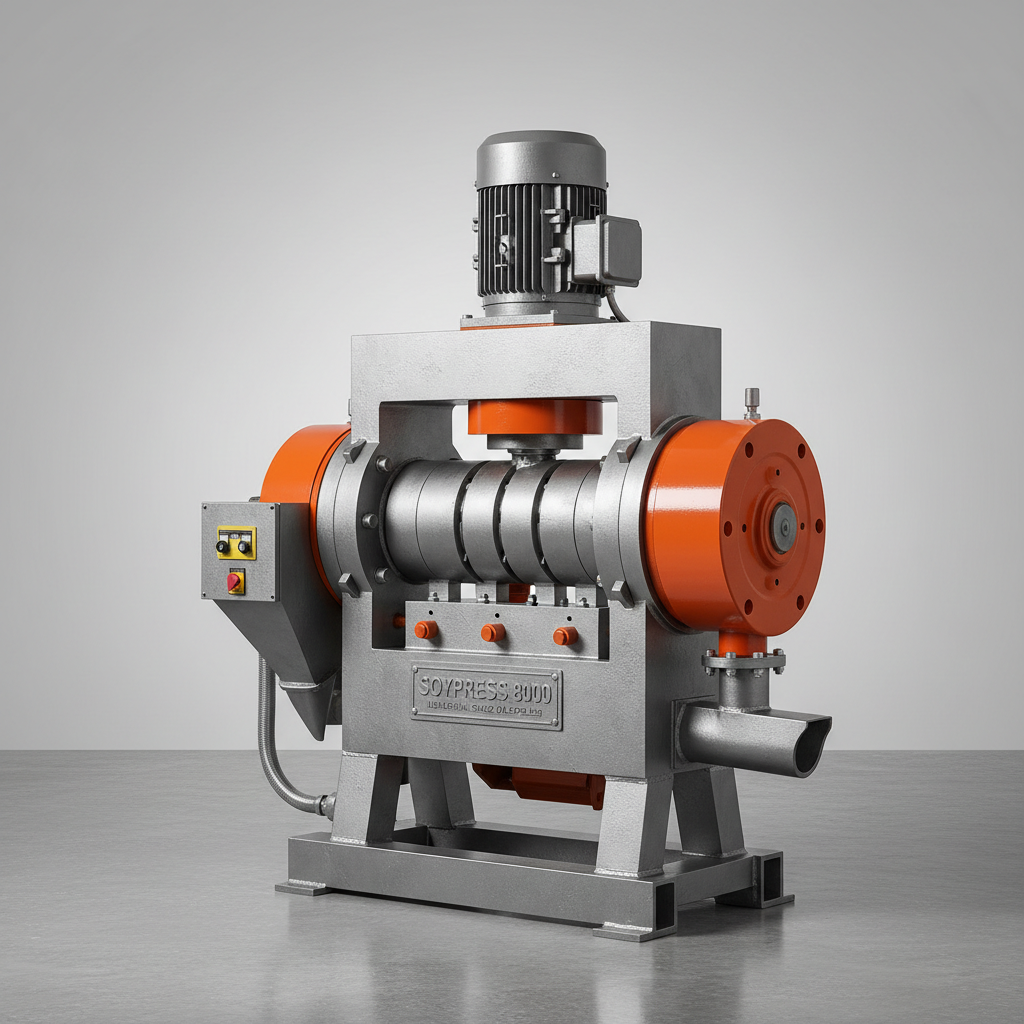
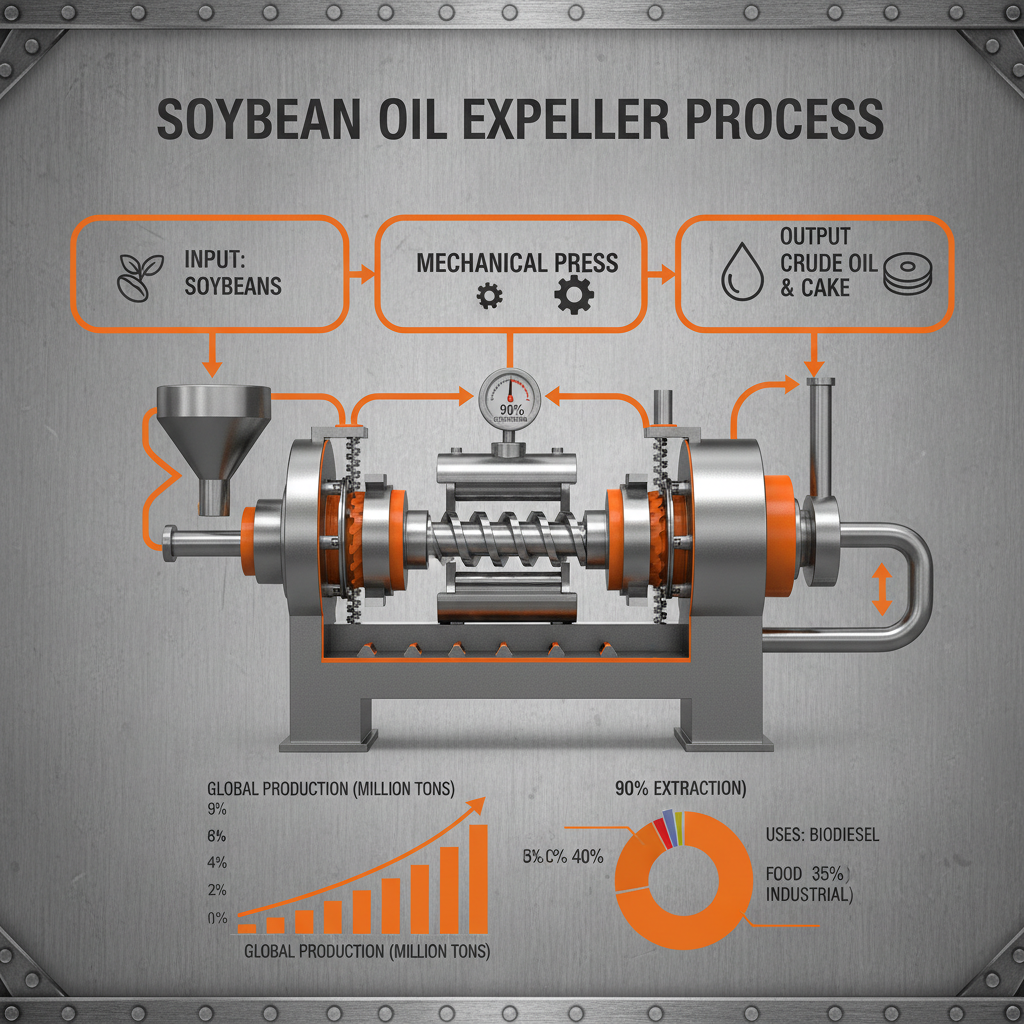
A soybean oil expeller is a machine designed to mechanically squeeze oil from soybean seeds. Unlike solvent extraction which uses chemical agents, expellers rely on applied pressure to rupture the oil-bearing cells within the seeds, releasing the oil. The remaining solid material, known as soybean meal, is a valuable byproduct used primarily as animal feed.
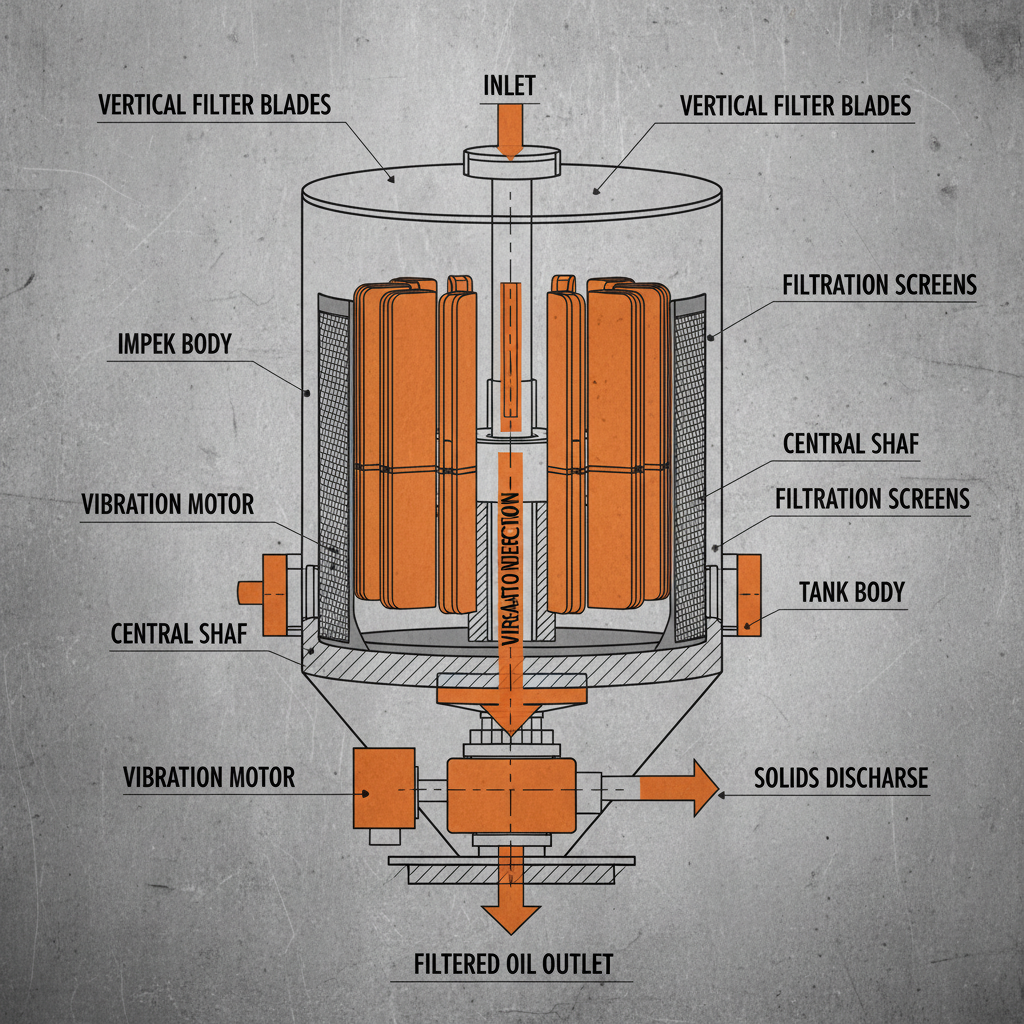
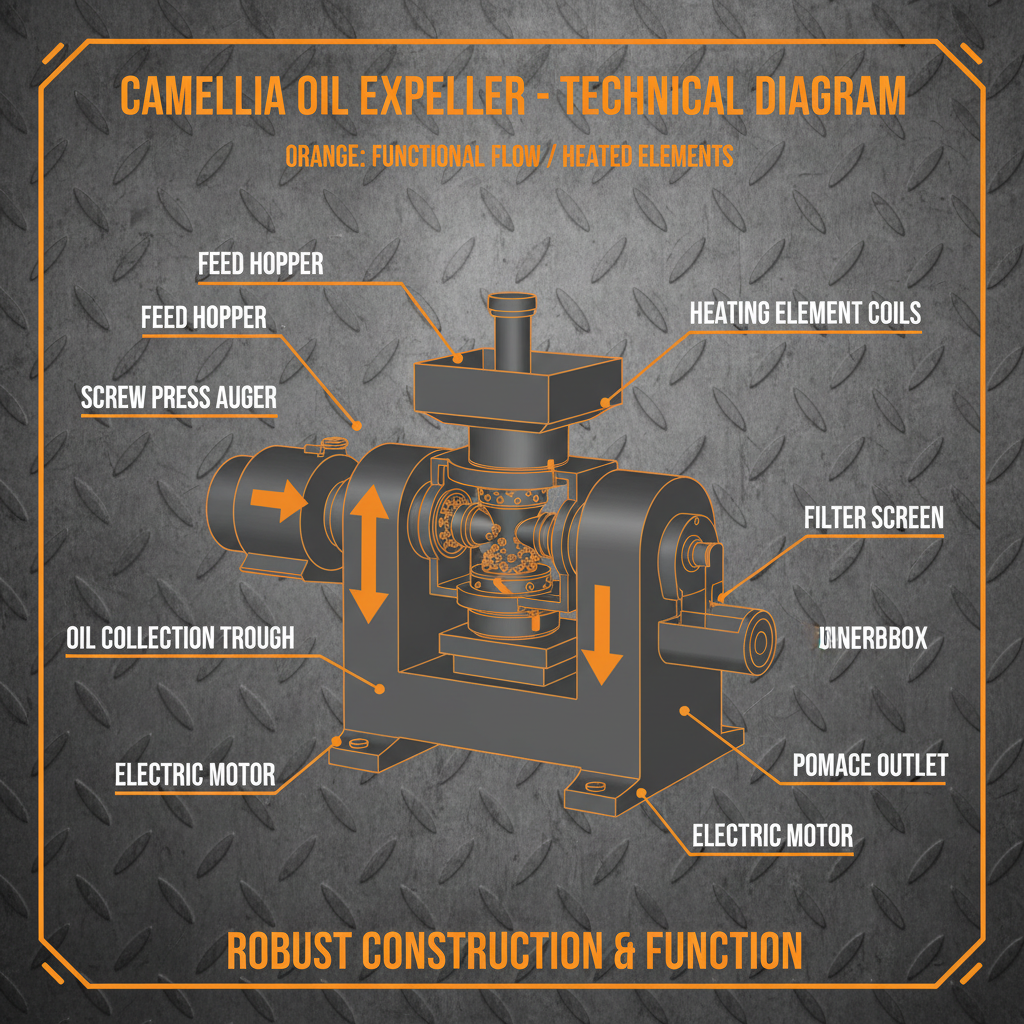
Modern soybean oil expellers typically consist of a hopper for seed intake, a worm screw that conveys the seeds through a narrowing barrel, and a die or cage that applies increasing pressure. The expelled oil is filtered to remove impurities, while the meal is discharged separately.
This technology is integral to both large-scale industrial oil processing and smaller, decentralized operations. Its ability to function without harmful solvents aligns with growing consumer preferences for natural and sustainable food production methods, making soybean oil expellers increasingly relevant in a world demanding traceability and environmental responsibility.
Key Operational Factors of Soybean Oil Expellers
Durability is a paramount consideration when selecting a soybean oil expeller. The constant pressure and abrasive nature of soybean seeds demand robust construction and high-quality materials to ensure a long operational lifespan and minimize downtime.
Scalability dictates the capacity of the expeller to meet fluctuating demands. Different models are available, ranging from small-scale units suitable for individual farmers to large-capacity machines designed for industrial processing plants. Selecting an expeller with appropriate scalability is crucial for optimizing efficiency and profitability.
Soybean Oil Expeller Performance Metrics
Diverse Applications Across Industries
Beyond food production, soybean oil expellers find applications in the biofuel industry. The oil extracted can be converted into biodiesel, a renewable fuel source offering a sustainable alternative to fossil fuels.
In remote industrial zones or agricultural communities, soybean oil expellers provide localized oil processing capabilities, reducing transportation costs and supporting economic independence. This is particularly valuable in regions with limited infrastructure or access to centralized processing facilities.
Advantages and Long-Term Value Proposition
The primary advantage of using a soybean oil expeller is the production of high-quality, naturally extracted oil without the use of chemical solvents. This results in a healthier and more desirable product for consumers and aligns with organic and sustainable food trends.
Furthermore, the soybean meal byproduct generated by the expeller is a valuable protein source for animal feed, creating an additional revenue stream for producers. The long-term value lies in its contribution to a circular economy, minimizing waste and maximizing resource utilization.
Future Trends and Technological Advancements
Automation is playing an increasingly important role in soybean oil expeller technology, with advancements in sensor technology and control systems optimizing efficiency and reducing labor requirements. Expect to see more integrated systems that automate seed handling, oil filtration, and meal processing.
The integration of digital technologies, such as IoT (Internet of Things) sensors, enables remote monitoring and predictive maintenance, minimizing downtime and maximizing operational lifespan. Data analytics can also be employed to optimize expeller settings for different soybean varieties and processing conditions.
Sustainable materials and energy-efficient designs are becoming increasingly important. Future soybean oil expellers are likely to incorporate features that minimize energy consumption and utilize recycled or renewable materials in their construction.
Summary of Key Factors Affecting Soybean Oil Expeller Efficiency
| Seed Quality |
Expeller Pressure |
Expeller Speed |
Temperature Control |
| Moisture content of soybeans |
Impact on oil yield |
Effect on meal quality |
Influence on oil viscosity |
| Purity levels & foreign materials |
Optimal pressure range (PSI) |
Relationship to processing capacity |
Ideal temperature range (°C) |
| Impact of seed age and storage |
Pressure adjustments for different seed varieties |
Speed settings for maximizing efficiency |
Effects of overheating on oil quality |
| Pre-treatment methods (cleaning, de-hulling) |
Correlation between pressure and meal moisture |
Impact of speed on energy consumption |
Temperature sensors and control systems |
| Seed variety and oil content |
Pressure monitoring and adjustment systems |
Automated speed control features |
Cooling systems to maintain optimal temperature |
| Seed preparation quality control |
Pressure distribution within the expeller |
Variable speed drives for flexible processing |
Temperature uniformity throughout the process |
FAQS
The oil yield from a soybean oil expeller varies depending on several factors including seed quality, expeller model, and operating parameters. However, a typical yield ranges from 80% to 90% of the oil content present in the soybeans. Proper seed preparation, including cleaning and de-hulling, is crucial for maximizing oil extraction efficiency. Optimizing pressure and temperature settings during operation also plays a significant role in achieving optimal yields.
Oil extracted using a soybean oil expeller generally exhibits higher quality and purity compared to solvent-extracted oil. Mechanical pressing does not introduce residual chemical solvents, resulting in a natural, solvent-free oil that is often preferred for food applications. Solvent extraction, while highly efficient, can leave trace amounts of hexane or other solvents in the final product, potentially impacting flavor and safety.
Regular maintenance is crucial for ensuring the longevity and optimal performance of a soybean oil expeller. This includes daily cleaning to remove seed debris, periodic lubrication of moving parts, and regular inspection of wear items such as the worm screw and die. Following the manufacturer's recommended maintenance schedule is essential for preventing breakdowns and maximizing uptime.
Power consumption varies significantly depending on the capacity and model of the soybean oil expeller. Smaller, portable units may require as little as 3-5 kW, while larger industrial-scale expellers can consume 20 kW or more. Energy efficiency can be improved by optimizing operating parameters and ensuring proper maintenance. Considering energy costs is a crucial factor when evaluating the overall cost-effectiveness of an expeller system.
Many soybean oil expellers are versatile and can process a variety of other oilseeds, including sunflower seeds, rapeseed (canola), peanuts, and sesame seeds. However, adjustments to operating parameters, such as pressure and speed, may be necessary to optimize oil extraction for different seed types. Some expellers are specifically designed for particular oilseeds, while others are more adaptable.
With proper maintenance and operation, a high-quality soybean oil expeller can have a lifespan of 10 to 15 years or even longer. Regular inspections, lubrication, and timely replacement of wear parts are key to maximizing its operational life. Selecting an expeller constructed from durable materials and designed for heavy-duty use will also contribute to its longevity.
Conclusion
The soybean oil expeller represents a vital technology in the global oilseed processing industry. Its ability to provide a sustainable, efficient, and solvent-free method for oil extraction aligns with growing consumer demand for natural and environmentally responsible products. The advantages in oil quality, waste utilization, and localized processing capabilities make it a compelling solution for businesses and communities alike.
Looking ahead, continued innovation in automation, digital integration, and sustainable materials will further enhance the performance and value of soybean oil expellers. Investing in this technology is not only a smart business decision but also a contribution to a more sustainable and secure food system. Visit our website at www.oilmillchina.com to explore our range of soybean oil expellers and discover how we can help you optimize your oilseed processing operations.