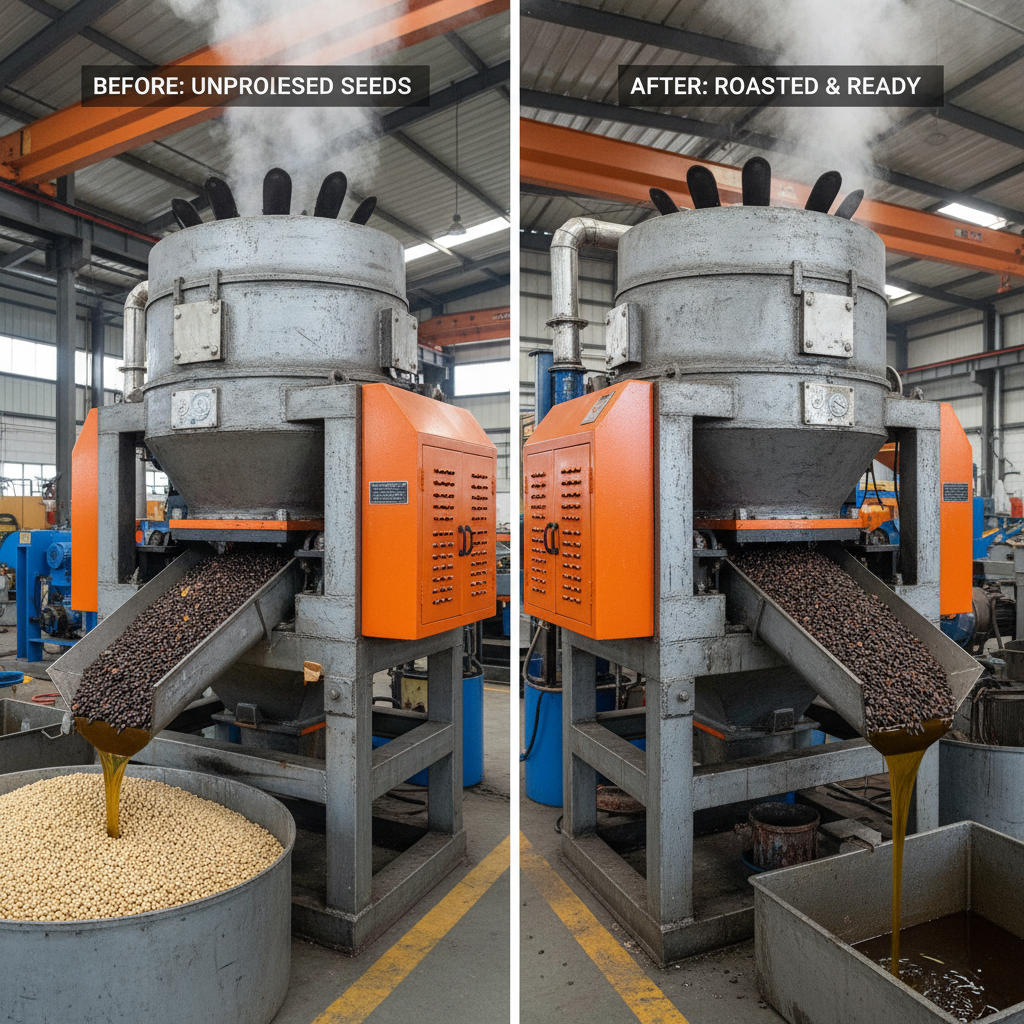
Let’s talk about large capacity oil presses. These aren’t your grandma’s countertop models. We’re talking about industrial workhorses, the kind that can process tons of seeds daily. I've spent years on sites where these machines are crucial – from food processing plants to biodiesel production – and seen firsthand how a well-built, high-capacity press can make or break efficiency. The demand is only increasing, driven by the push for sustainable energy and locally sourced food, making understanding these systems vital for anyone in the industry.
The global market for oil presses is booming, fueled by growing demand for vegetable oils in food, feed, and biofuels. Reports from organizations like the FAO and the World Bank show a consistent increase in edible oil consumption, especially in developing economies. But this growth isn't just about demand; it’s about solving challenges. Smaller, inefficient presses lead to waste, lower yields, and higher production costs. We're looking at solutions that address these issues head-on, providing reliable and scalable oil extraction.
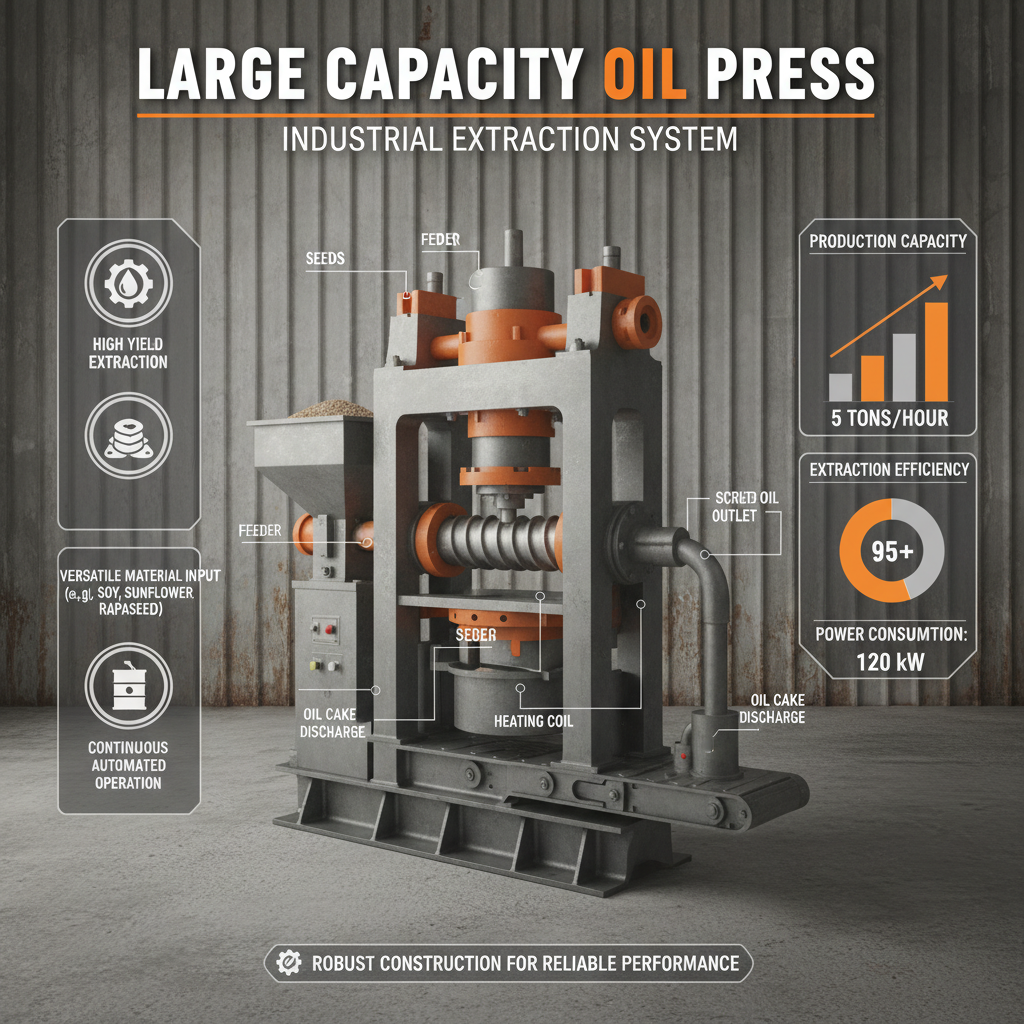
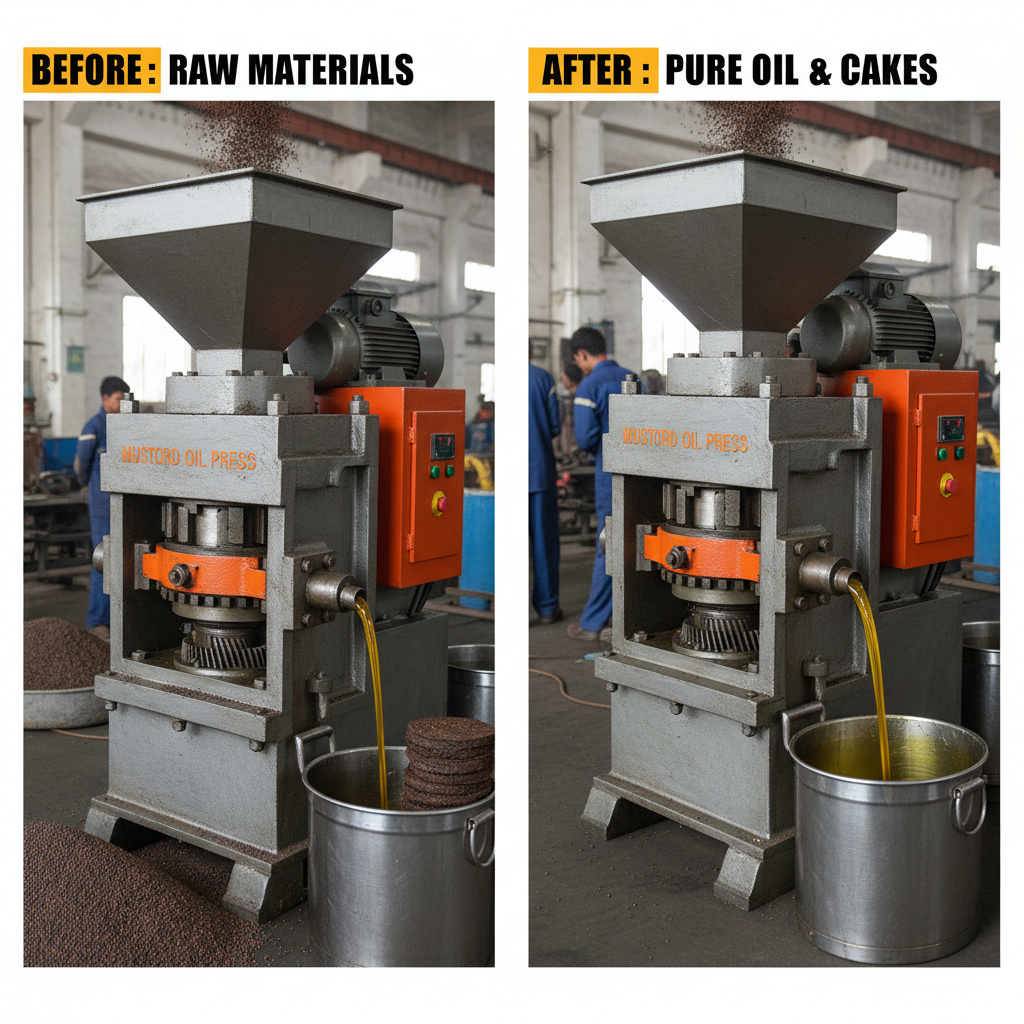
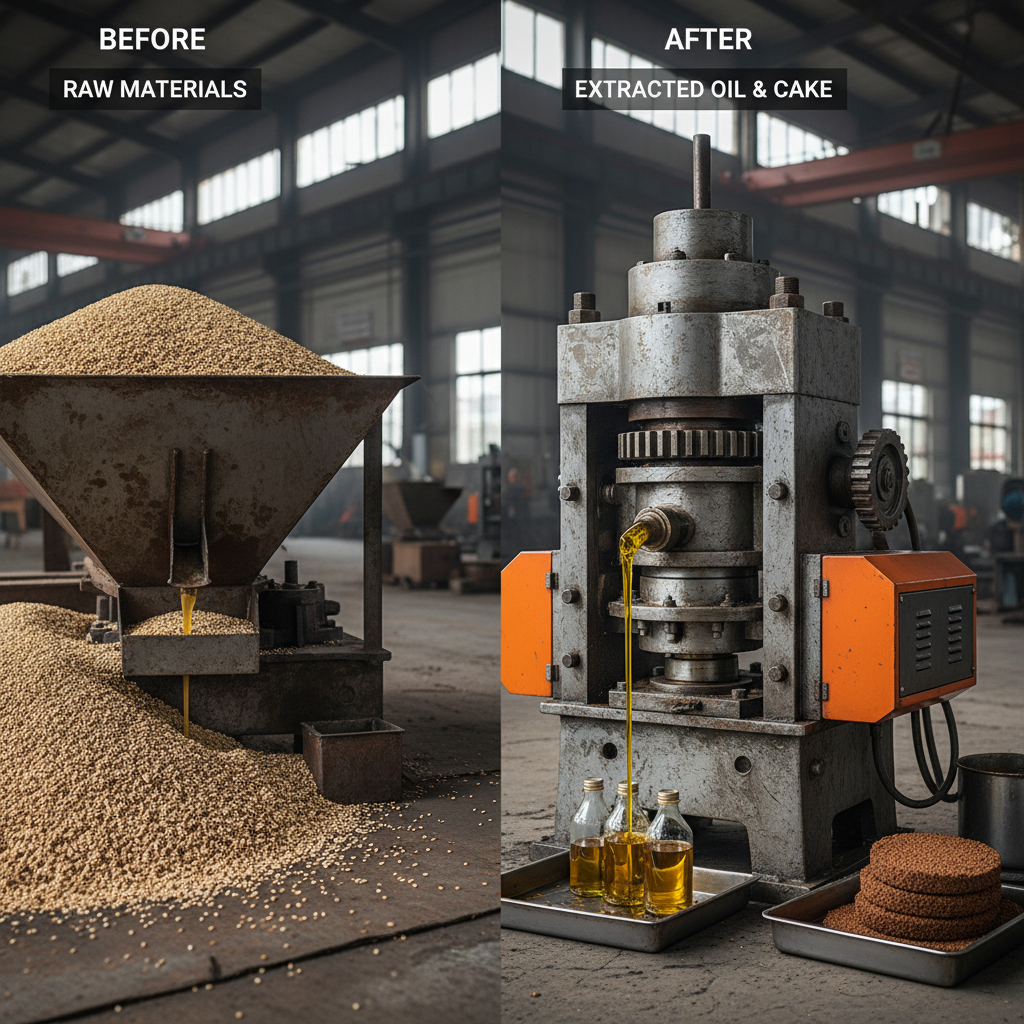
Simply put, a large capacity oil press is a machine designed to extract oil from seeds or nuts at a significant volume. We're not talking about small-batch artisan oil; we're talking about industrial-scale output. It’s a cornerstone of modern food production and increasingly, renewable energy initiatives. I've seen these integrated into systems designed for rural communities, providing a crucial source of income and local food security – it's not just about big business.
The Core Principles of large capacity oil press
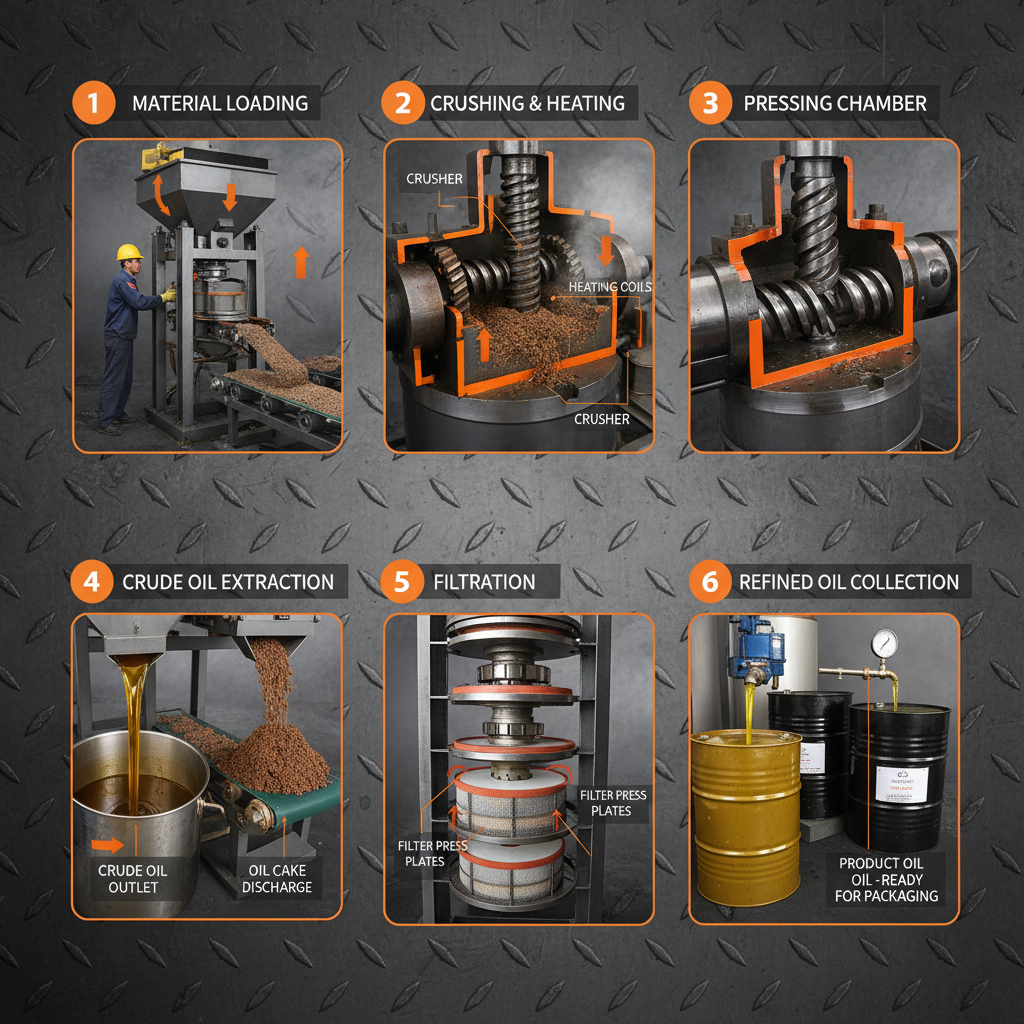
At its heart, a large capacity oil press operates on the principle of applying significant pressure to seeds or nuts, physically squeezing out the oil. It’s a relatively simple concept, but the engineering to do it efficiently and consistently at scale is complex. From screw presses to hydraulic systems, the goal is always maximizing oil yield while minimizing energy consumption and wear and tear on the equipment. I’ve seen presses that basically chewed through material, and others that ran smoothly for years – it’s all about the build quality and design.
Durability is absolutely key. These machines often run 24/7 in demanding environments. You need robust materials, solid construction, and reliable components. Downtime isn’t just a cost; it’s a lost opportunity, especially when dealing with perishable materials. A well-maintained large capacity oil press can be a revenue generator for decades, but a poorly built one will become a maintenance nightmare almost immediately.
Global Relevance and Industrial Application
The need for efficient oil extraction isn’t limited to any one country or industry. It’s a global demand. From large-scale soybean processing in South America to palm oil production in Southeast Asia, and sunflower oil extraction in Eastern Europe, large capacity oil presses are essential. The growth of the biodiesel industry, especially in Europe, is also driving demand for reliable and high-throughput oil extraction systems. I’ve worked on projects in some pretty remote locations, and reliable oil presses were always the linchpin of the operation.
Beyond the food and fuel sectors, we’re seeing increased applications in the cosmetics industry, with demand for natural oils driving investment in specialized presses. Even smaller-scale operations, like agricultural cooperatives, are recognizing the benefits of upgrading to higher-capacity models to improve efficiency and market competitiveness. It’s a diverse landscape, but the core principle remains the same: getting the most oil out of your raw materials, cost-effectively.
The impact extends to food security, too. Locally processed oils reduce reliance on imports, support local economies, and provide a more sustainable food supply. I’ve seen firsthand how a properly equipped oil press can transform a rural community, turning agricultural waste into a valuable resource. That’s the kind of impact that gets me excited about this field.
Defining large capacity oil press: A Detailed Overview
A large capacity oil press, in essence, is a mechanical device engineered to extract oil from various oil-bearing materials—seeds, nuts, fruits—on a significant scale. The “large capacity” designation isn’t just about physical size; it refers to the volume of material it can process within a given timeframe, typically measured in tons per day. It’s a crucial piece of equipment for industries that rely on consistent, high-volume oil production.
The connection to modern industry stems from the ever-increasing global demand for vegetable oils, biofuels, and oil-based products. From the food on our tables to the fuel in our vehicles, oil plays a critical role. A large capacity oil press isn’t just a machine; it’s a vital link in the supply chain, enabling the efficient and reliable production of these essential commodities.
Its significance extends to humanitarian needs as well. In disaster relief or remote areas, portable, high-capacity presses can provide a source of nutritious food and income for affected populations. They can also support local agriculture by enabling farmers to process their own crops and sell oil locally, fostering economic independence and sustainability.
Key Characteristics of a Robust large capacity oil press
Let’s get down to brass tacks – what makes a good press a good press? First, Durability is non-negotiable. We're talking about machines that need to withstand constant operation, heavy loads, and sometimes harsh environments. Strong steel frames, hardened components, and reliable seals are essential. Second, Scalability matters. Can the press be easily upgraded or expanded to meet growing demand? Modular designs and flexible configurations are a huge plus.
Then there’s Cost Efficiency. It's not just about the initial purchase price; it’s about operating costs—energy consumption, maintenance, and labor. A press that maximizes oil yield with minimal energy input will pay for itself over time. Automation is another key factor. Modern presses often incorporate automated feeding, cleaning, and oil filtration systems, reducing labor costs and improving efficiency. Finally, Oil Quality is paramount. The press should be designed to minimize oil degradation and maintain the purity and nutritional value of the oil.
Key Performance Indicators for large capacity oil press
Real-World Applications and Diverse Use Cases
You’ll find large capacity oil presses in everything from massive soybean crushing facilities in Iowa to smaller-scale sunflower oil operations in Bulgaria. In post-disaster relief operations, mobile presses can be deployed to process locally sourced seeds, providing a vital food source for affected communities. I've seen them set up in shipping containers, ready to go within days.
In remote industrial zones, where transporting processed oil is costly and difficult, on-site presses offer a more efficient and sustainable solution. The biodiesel industry relies heavily on these machines to convert vegetable oils into renewable fuel. And increasingly, you’re seeing them integrated into vertical farming operations, creating a closed-loop system for food production.
Long-Term Value and Tangible Advantages
The benefits of investing in a high-quality large capacity oil press extend far beyond immediate cost savings. Reduced waste translates to higher profits, and increased efficiency lowers operating costs. Sustainability is a major factor – less reliance on fossil fuels and more local processing contribute to a smaller carbon footprint. And don't underestimate the social impact. Creating local jobs and supporting local agriculture builds stronger, more resilient communities.
From a practical standpoint, a reliable press minimizes downtime, ensuring consistent production. The peace of mind knowing your operation isn’t going to grind to a halt is invaluable. There's also a sense of innovation and trust associated with investing in modern, efficient technology. It sends a message to customers and stakeholders that you're committed to quality and sustainability.
Ultimately, it's about building a business that's not only profitable but also responsible and resilient. A well-chosen large capacity oil press is a cornerstone of that kind of operation.
Future Trends and Innovations in large capacity oil press Technology
We’re seeing a lot of exciting developments in this field. The integration of AI and machine learning to optimize press settings and predict maintenance needs is a game-changer. New materials, like advanced alloys and composites, are making presses lighter, stronger, and more energy-efficient. And the trend towards modular, containerized presses is making it easier to deploy these systems in remote locations.
Green energy is a huge driver. Presses powered by solar or wind energy are becoming increasingly common, further reducing the environmental impact of oil production. Digital transformation – the use of sensors, data analytics, and remote monitoring – is allowing operators to optimize performance and prevent downtime. And of course, the ongoing push for sustainability is leading to the development of presses that can process a wider range of oil-bearing materials, including waste products and algae.
We're also seeing innovations in oil refining and purification technologies, allowing for the production of higher-quality oils with lower processing costs. It's a dynamic field, and staying ahead of the curve requires continuous learning and adaptation.
Key Factors Influencing the Evolution of large capacity oil press Technology
| Technological Advancement |
Operational Efficiency |
Sustainability Impact |
Cost & ROI |
| AI-Powered Optimization |
8/10 |
6/10 |
7/10 |
| Advanced Material Engineering |
9/10 |
7/10 |
8/10 |
| Modular & Containerized Designs |
7/10 |
5/10 |
9/10 |
| Renewable Energy Integration |
6/10 |
10/10 |
6/10 |
| Digital Monitoring & Control |
8/10 |
6/10 |
7/10 |
| Novel Oil Refining Techniques |
7/10 |
7/10 |
8/10 |
FAQS
Under continuous heavy industrial use, a well-maintained large capacity oil press can realistically last 15-20 years, sometimes even longer. However, this heavily depends on the quality of the initial construction, the materials used, and the diligence of the maintenance schedule. Regular inspections, lubrication, and replacement of wear parts are crucial. Neglect will drastically shorten its lifespan. We always recommend preventative maintenance plans for our clients.
A wide range of oil-bearing seeds can be processed, including soybeans, sunflower seeds, rapeseed (canola), palm kernels, peanuts, sesame seeds, and even rice bran. However, the specific design of the press and the adjustments made to its settings will influence its efficiency with different materials. Some presses are optimized for specific seed types, while others are more versatile. It’s vital to match the press to the intended feedstock.
Energy consumption varies depending on the capacity of the press, the type of seed being processed, and the efficiency of the motor and drive system. Typically, it ranges from 10-20 kWh per ton of seeds processed. Minimization strategies include using energy-efficient motors, optimizing press settings for the specific seed type, implementing waste heat recovery systems, and incorporating variable frequency drives to control motor speed.
Regular maintenance is crucial for reliable operation. This includes daily inspections for wear and tear, regular lubrication of moving parts, cleaning of the press chamber, and periodic replacement of wear parts like screw segments, filter cloths, and bearings. Scheduled preventative maintenance – oil changes, alignment checks, and electrical inspections – are also essential. A comprehensive maintenance manual is provided with our presses.
Safety is paramount. Modern large capacity oil presses incorporate several safety features, including emergency stop buttons, safety guards and interlocks to prevent access to moving parts, overload protection for the motor, and temperature sensors to prevent overheating. Proper grounding and electrical safety measures are also essential. Operators should receive thorough safety training before operating the press.
ROI varies widely based on factors like the cost of the press, the volume of seeds processed, the price of the oil produced, and operating costs. However, a well-chosen and efficiently operated large capacity oil press typically has an ROI of 3-5 years. The key is to maximize oil yield, minimize operating costs, and secure a stable market for the oil produced. Thorough feasibility studies are recommended before making an investment.
Conclusion
In conclusion, the large capacity oil press remains a vital component of the global food, fuel, and industrial landscape. From its core principles of efficient oil extraction to the exciting innovations shaping its future, these machines represent a significant investment in productivity, sustainability, and economic growth. Understanding the nuances of these systems—from durability and scalability to cost efficiency and emerging technologies—is crucial for success in this dynamic field.
Looking ahead, the demand for large capacity oil presses will only increase, driven by the growing need for sustainable energy sources and locally produced food. Continued innovation in areas like AI-powered optimization, renewable energy integration, and advanced materials will further enhance the performance and efficiency of these machines. We encourage anyone considering an investment to prioritize quality, reliability, and long-term value.