Honestly, things are moving fast these days. Everyone’s talking about automation, remote monitoring, and squeezing every last bit of efficiency out of everything. It’s all well and good, but a lot of folks forget the basics. You spend too much time chasing the shiny new stuff, you end up with a system that looks good on paper but falls apart the minute someone sneezes near it.
I've been running around construction sites for years, and you start to notice patterns. People always underestimate the importance of simple, robust design. They overcomplicate things. I encountered this at a steel factory in Jiangsu last time – they’d redesigned a crucial clamping mechanism to save a few cents on materials, and it just…failed. The whole production line ground to a halt. A simple, tried-and-true design would have saved them a fortune.
We’re dealing with a lot of high-strength alloy steel in these cold oil press machines, primarily for the pressing chambers and gears. Feels cold to the touch, obviously, and smells faintly of machining oil. You gotta wear gloves; it’s rough on the hands. We also use a lot of cast iron – heavier, but absorbs vibrations better. And strangely, the quality of the rubber seals is crucial. It sounds minor, but a bad seal and you've got oil everywhere, and nobody wants that.
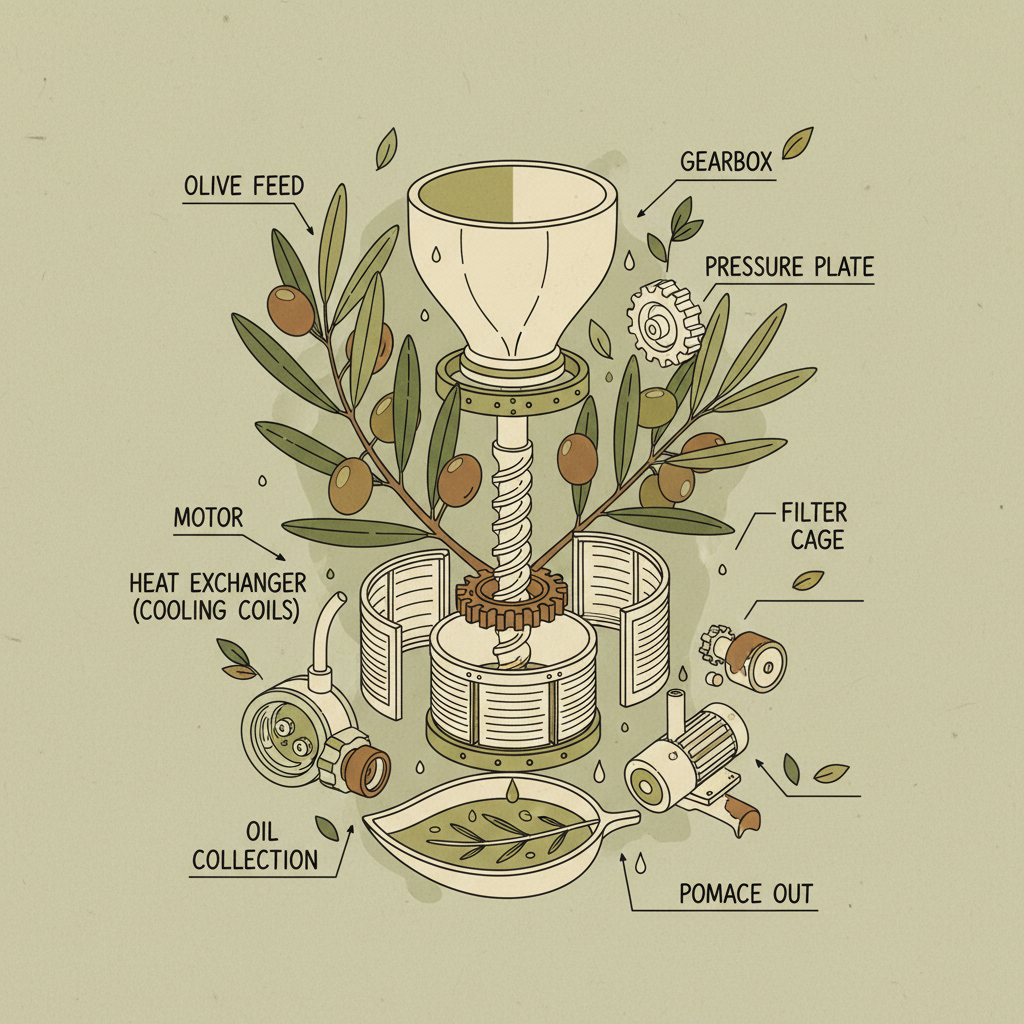
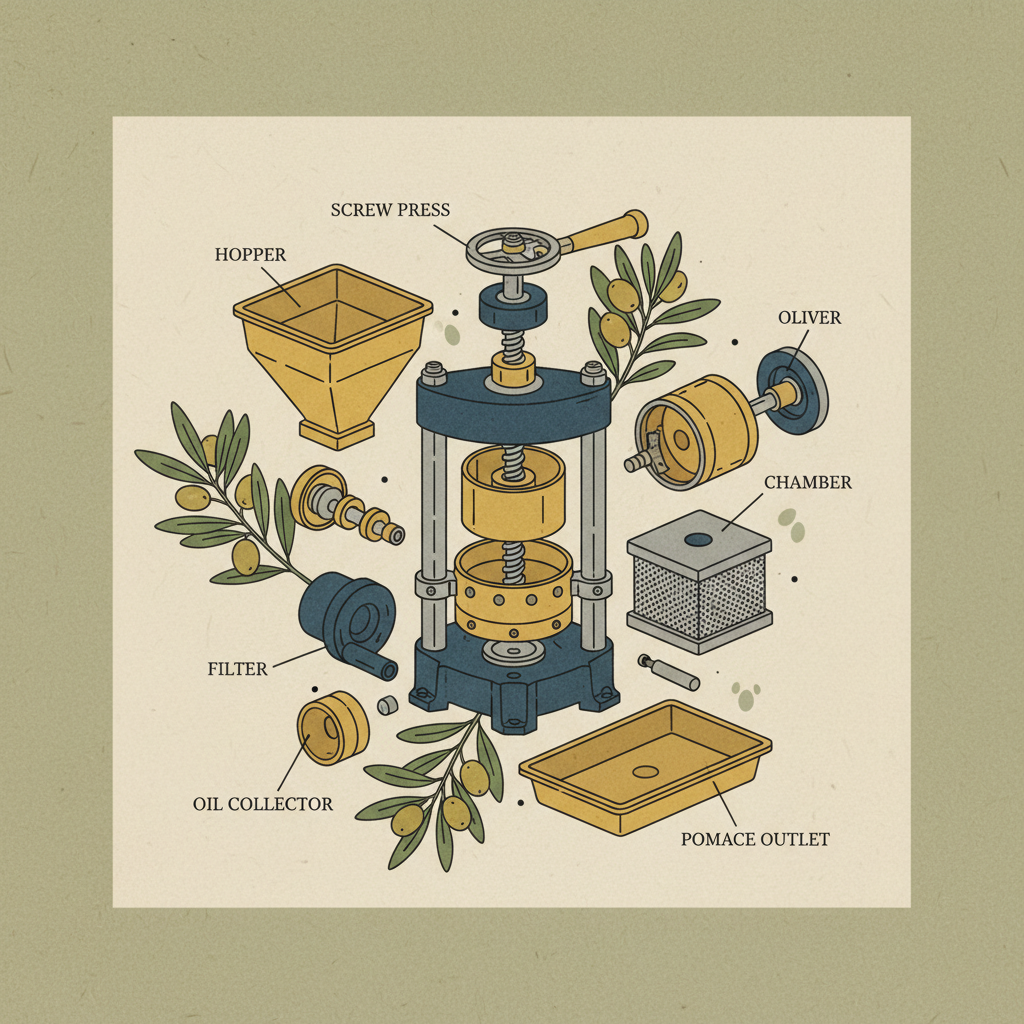
To be honest, the demand for efficient and sustainable oil extraction is only going up. Folks are realizing the value of cold-pressed oils, both for health and quality. This translates to increased interest in reliable cold oil press machines.
Have you noticed, there's a split in the market? You've got the large-scale industrial machines, built for massive output, and then you've got the smaller, more flexible models aimed at boutique producers and artisanal workshops. Both are important, but they have very different requirements. The big ones prioritize throughput and automation, while the smaller ones need versatility and ease of use. It's a balancing act.
With proper maintenance, a good quality cold oil press machine should last anywhere from 8 to 15 years. It really depends on the usage intensity, the type of seeds processed, and how well the operator follows the maintenance schedule. Regular lubrication, cleaning, and timely replacement of worn parts are key. We've seen some machines still going strong after 20 years, but those are exceptions.
A wide variety! Sunflower seeds, rapeseed (canola), sesame seeds, flaxseeds, pumpkin seeds, even olive seeds. Some machines are better suited for certain seeds than others, though. For example, processing oily seeds like sesame requires a more robust pressing chamber. We usually recommend testing a small batch of your specific seed type before committing to a large-scale purchase.
Filter replacement frequency depends heavily on the quality of the seeds and the filtration system's capacity. Generally, we recommend checking the filters after every 8-12 hours of operation. If they’re noticeably clogged or the oil flow rate is reduced, it’s time to replace them. Using pre-cleaned seeds can significantly extend filter life.
Energy consumption varies depending on the machine's size and capacity. Smaller, manual machines require minimal power, while larger, automated machines can draw several kilowatts. We always provide detailed power consumption specifications with each model. Investing in an energy-efficient motor can pay off in the long run, especially for high-volume operations.
Basic training is essential. Operators need to understand the machine's components, proper seed preparation techniques, safe operation procedures, and routine maintenance tasks. We offer comprehensive training programs, both on-site and remotely. A well-trained operator can significantly improve oil yield and reduce the risk of breakdowns.
Cleaning is critical to prevent oil degradation and contamination. After each use, the pressing chamber, filters, and all contact surfaces should be thoroughly cleaned with a mild detergent and hot water. It's important to disassemble the machine for a deep cleaning at least once a week, or more frequently if processing heavily contaminated seeds. Proper hygiene is key to producing high-quality oil.
Ultimately, these cold oil press machines are all about striking a balance between efficiency, reliability, and simplicity. They aren't magic boxes; they're tools. And like any tool, their value comes down to how well they're designed, built, and operated. We try to build machines that are durable, easy to maintain, and capable of producing high-quality oil consistently.
But here's the thing: whether it actually works or not, the worker will know the moment he tightens the screw. If it feels solid, if the gears turn smoothly, if the oil flows clean, then we've done our job right. And that, to me, is what matters most.