In the competitive landscape of edible oil production, the efficiency of oil extraction is heavily dependent on the quality of seed pretreatment. A steam cooker roaster for oil expeller serves as the critical gateway in this process, ensuring that oilseeds are properly conditioned to maximize yield and maintain the nutritional integrity of the final product.
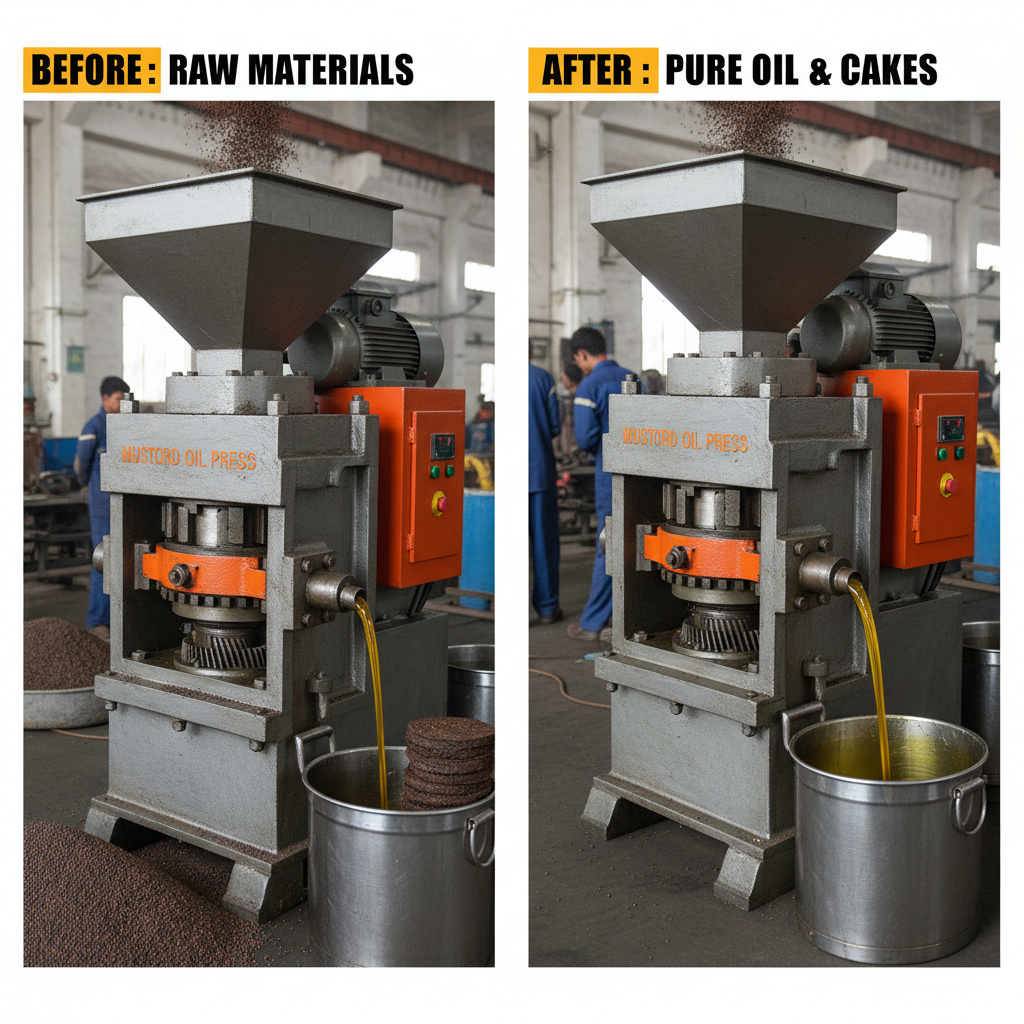
Across global markets, from small-scale artisanal presses to massive industrial refineries, the implementation of precise thermal conditioning has become a benchmark for operational success. By utilizing a steam cooker roaster for oil expeller, producers can effectively rupture the oil cells within the seed, reducing the viscosity of the oil and making it significantly easier to extract during the mechanical pressing stage.
Understanding the nuances of this equipment is not merely about technical specifications; it is about optimizing the entire value chain of vegetable oil processing. From reducing waste to lowering energy consumption, the right conditioning strategy ensures that the oil expeller operates at peak performance, ultimately increasing the profitability and sustainability of the milling operation.
Global Relevance of Steam Cooking in Oil Milling
The global demand for edible oils continues to rise, driven by population growth and the expanding food processing industry in emerging economies. According to agricultural trade data, the efficiency of oil recovery is a primary concern for producers in Southeast Asia and Africa, where maximizing every drop of oil from raw materials is essential for food security and economic viability. The integration of a steam cooker roaster for oil expeller has transformed these regions by allowing local mills to compete with larger industrial players.
Without proper cooking and roasting, many oilseeds possess a hard cellular structure that resists oil release, leading to high residual oil in the cake. This inefficiency not only represents a financial loss but also wastes valuable agricultural resources. By applying standardized steam conditioning, plants can ensure a consistent flow of raw materials into the expeller, reducing machine wear and tear and significantly increasing the throughput of the entire production line.
Defining the Steam Cooker Roaster for Oil Expeller
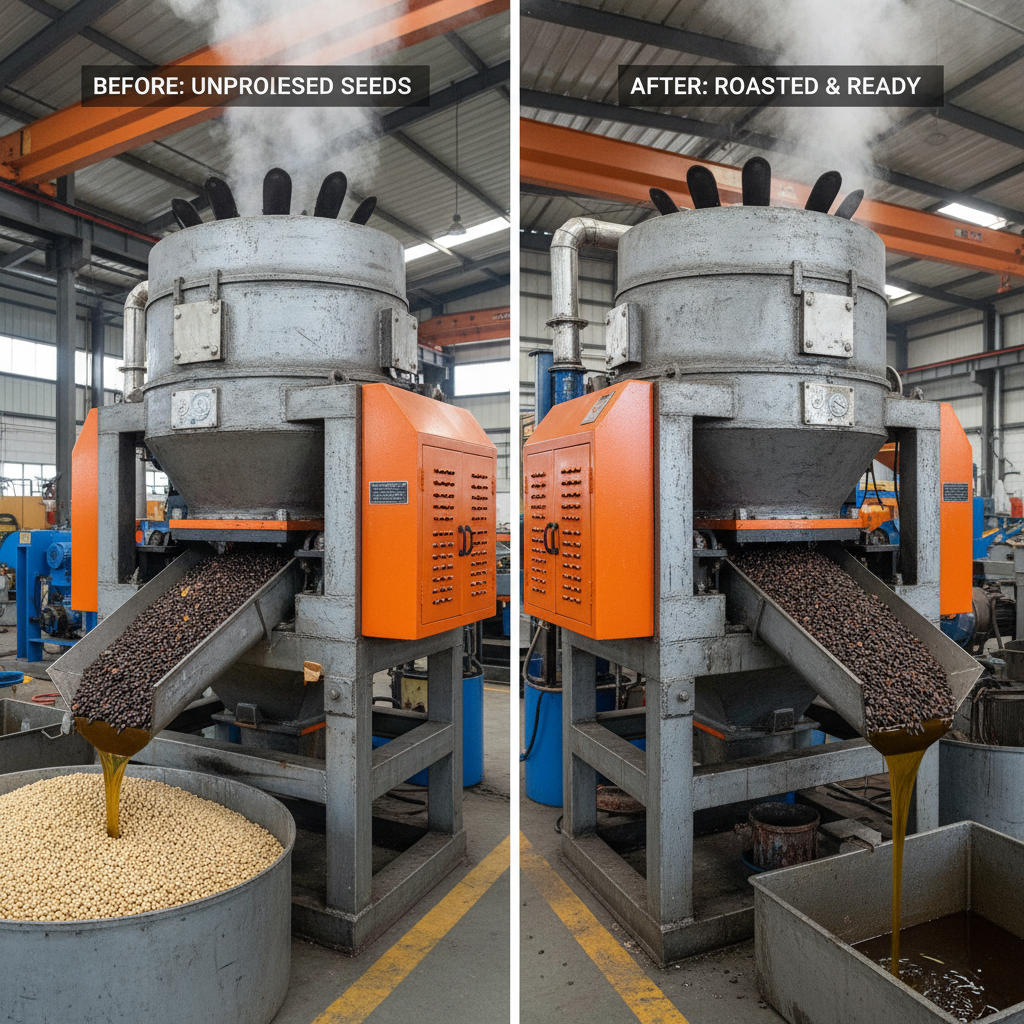
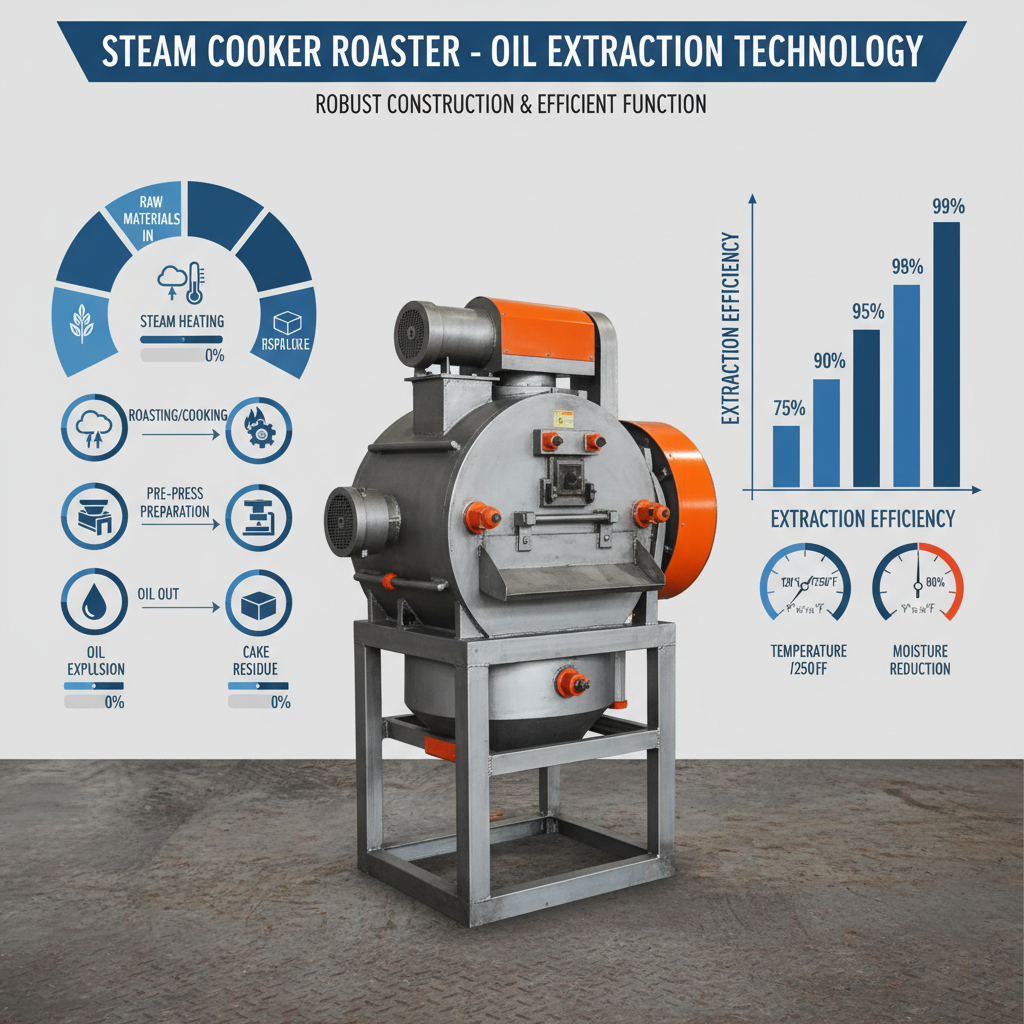
At its core, a steam cooker roaster for oil expeller is a specialized heat-treatment vessel designed to prepare oilseeds—such as soybeans, rapeseed, sunflower, or peanut—for the mechanical extraction process. Unlike simple heating, this equipment uses saturated steam to penetrate the seed, adjusting the moisture content and breaking down the protein-lipid complexes that hold the oil trapped within the seed's matrix.
In modern industrial contexts, this process is far more than just "cooking." It is a precision-engineered step that involves controlling temperature, pressure, and residence time. By optimizing these variables, the roaster ensures that the seeds reach a state of plasticity, which allows the oil expeller to apply pressure more effectively, resulting in a lower oil content in the final press cake.
Furthermore, the use of a steam cooker roaster for oil expeller addresses critical humanitarian and industrial needs by enhancing the nutritional availability of the byproduct (oil cake). Properly cooked seeds result in a meal that is more digestible for livestock, thereby supporting the broader agricultural ecosystem by providing high-quality animal feed.
Core Components and Technical Factors
The efficiency of a steam cooker roaster for oil expeller depends largely on its thermal distribution system. High-grade stainless steel or carbon steel with heat-resistant linings are used to ensure that the seeds are heated uniformly, preventing "charring" or uneven cooking which could lead to poor oil quality and a burnt taste in the final product.
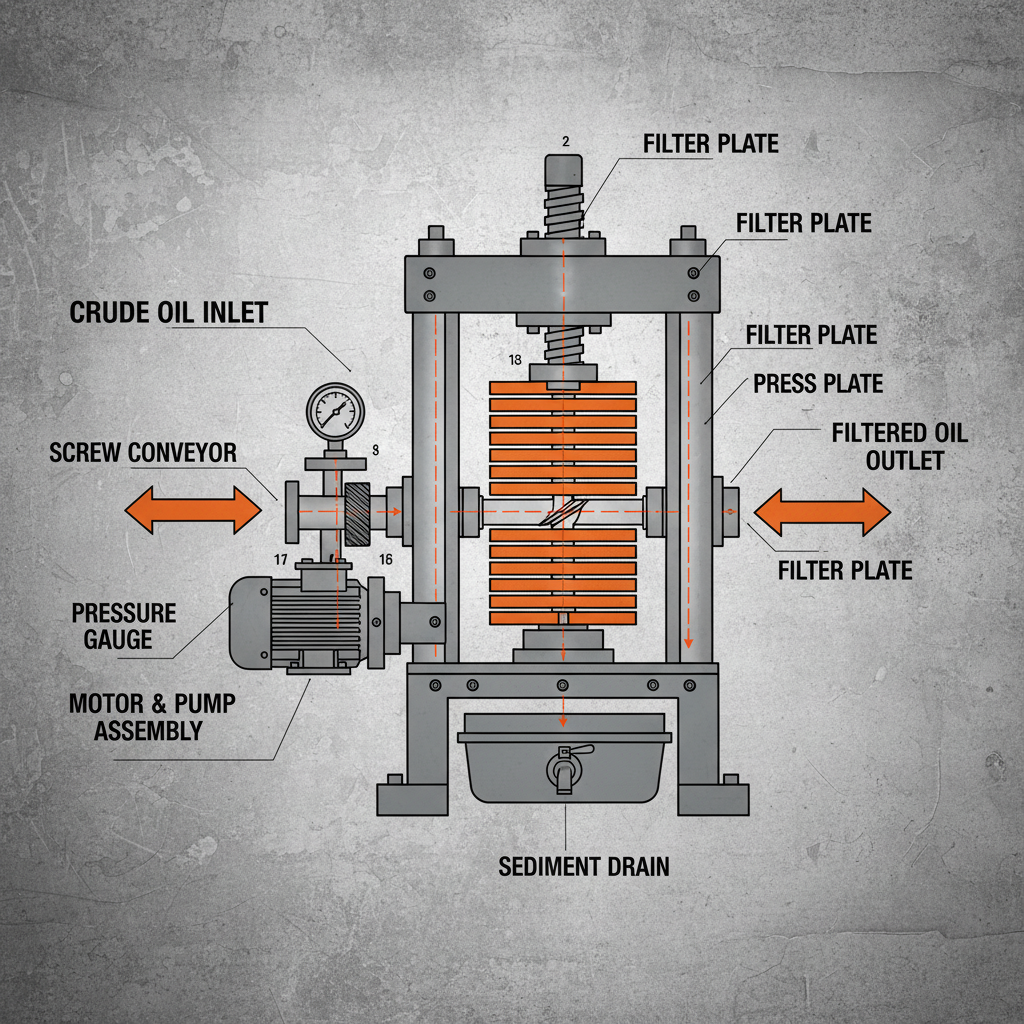
Crucial to the operation is the steam injection valve and the agitation mechanism. A high-performance steam cooker roaster for oil expeller utilizes a rotating arm or screw conveyor to keep the seeds in constant motion. This prevents the accumulation of moisture in certain pockets and ensures that every seed is exposed to the same level of heat and steam, maintaining consistency across batches.
Lastly, scalability and durability are key technical factors. Industrial roasters are designed to handle capacities ranging from a few hundred kilograms to several tons per hour. The structural integrity of the vessel must withstand constant pressure cycles, while the automation controls allow operators to adjust the cooking profile based on the specific oilseed type being processed.
Practical Applications Across Global Regions
In real-world applications, the steam cooker roaster for oil expeller is indispensable across diverse geographical zones. In the vast soy-producing regions of Brazil and the USA, these roasters are integrated into fully automated lines to ensure maximum output. In contrast, in the remote industrial zones of India or Vietnam, modular roasters provide small to medium enterprises (SMEs) with a way to professionalize their oil production and meet international quality standards.
Beyond commercial profit, these systems are often deployed in community-led agricultural projects. For instance, in post-harvest support operations in Sub-Saharan Africa, providing a reliable steam cooker roaster for oil expeller allows cooperatives to process their seeds locally. This reduces the reliance on expensive imports and ensures that the value added during processing stays within the local community.
Efficiency Comparison of Conditioning Methods for Oil Expellers
Long-Term Value and Economic Advantages
Investing in a high-quality steam cooker roaster for oil expeller yields tangible economic benefits that far outweigh the initial capital expenditure. By reducing the residual oil in the cake by even 1-2%, a medium-to-large plant can save thousands of dollars in lost revenue annually. Moreover, the reduction in friction within the oil expeller—due to the lubricated nature of cooked seeds—extends the lifespan of the expeller's worm shaft and barrels, drastically reducing maintenance costs.
From a sustainability perspective, the use of steam conditioning promotes a more circular economy. The energy used for steaming can often be recovered through heat exchangers, and the improved quality of the resulting oil cake increases its market value as a protein-rich animal feed. This creates a dual-revenue stream for the operator, blending industrial innovation with ecological responsibility and trust in the final product quality.
Future Trends in Conditioning Technology
The future of the steam cooker roaster for oil expeller is being shaped by the digital transformation of the "Industry 4.0" era. We are seeing the integration of IoT sensors that monitor real-time moisture and temperature levels within the roasting chamber, allowing for autonomous adjustments to the steam flow. This removes human error and ensures that every batch of seeds is perfectly conditioned regardless of the raw material's initial moisture content.
Green energy is also playing a pivotal role. Many modern plants are replacing traditional coal-fired boilers with biomass boilers or electric steam generators to power their roasters. This transition not only reduces the carbon footprint of the oil processing plant but also aligns the operation with global sustainability mandates and ISO environmental standards.
Furthermore, the development of "smart roasting" profiles is emerging. By using AI to analyze the specific characteristics of different seed varieties, the steam cooker roaster for oil expeller can now apply dynamic heat curves. This maximizes the yield for specific crops like high-oleic sunflowers or specialty nuts, pushing the boundaries of what mechanical extraction can achieve.
Overcoming Common Operational Challenges
One of the most common challenges in using a steam cooker roaster for oil expeller is the risk of "over-cooking," which can lead to the degradation of the oil's fatty acids and a decrease in the smoke point. This is typically caused by poor seed circulation or incorrect temperature settings. The expert solution is to implement a continuous-flow roaster rather than a batch system, ensuring a steady state of processing and uniform heat exposure.
Another limitation often encountered is the inconsistency of steam quality. Wet steam (steam with too many water droplets) can lead to uneven conditioning and potential clogging in the expeller. To solve this, the installation of high-efficiency steam traps and moisture separators is recommended, ensuring that only dry, saturated steam reaches the seed bed.
Finally, scaling operations can often lead to bottlenecks. When upgrading a plant, it is vital to ensure that the capacity of the steam cooker roaster for oil expeller is perfectly matched with the throughput of the expeller. An oversized roaster wastes energy, while an undersized one creates a production choke point. Precision engineering and a thorough audit of the plant's flow rate are the only ways to ensure seamless integration.
Comparative Analysis of Conditioning Parameters for Different Oilseeds
| Seed Type |
Optimal Temp (°C) |
Cooking Duration |
Effect on Yield |
| Soybean |
100 - 110 |
45 - 60 Mins |
High Improvement |
| Rapeseed |
90 - 105 |
30 - 45 Mins |
Moderate Improvement |
| Sunflower |
80 - 95 |
20 - 30 Mins |
Essential for Flow |
| Peanut |
110 - 120 |
30 - 40 Mins |
Very High Improvement |
| Cottonseed |
100 - 115 |
40 - 50 Mins |
Significant Improvement |
| Corn Oilseed |
95 - 110 |
30 - 40 Mins |
Moderate Improvement |
FAQS
In high-capacity systems, the volume of raw material is too great for simple heating. A steam cooker roaster for oil expeller ensures that huge batches of seeds are conditioned uniformly. Without it, the oil expeller would struggle with high friction and uneven pressure, leading to frequent breakdowns and significantly lower oil recovery rates.
While dry roasting is possible, a steam cooker roaster for oil expeller is generally superior for most vegetable oils. Steam provides both heat and moisture, which is critical for rupturing seed cells and reducing oil viscosity. Dry roasting can often over-toast the outside of the seed while leaving the core under-processed, leading to lower yields.
Correct cooking with a steam cooker roaster for oil expeller improves oil flow and clarity. However, if the temperature is too high or the duration too long, it can cause oxidation or a "burnt" flavor. Precision control of the steam and temperature is key to maintaining a neutral taste and high nutritional value in the final oil.
A professionally manufactured steam cooker roaster for oil expeller, built with high-grade carbon steel or stainless steel and properly maintained, can last 10 to 15 years. Regular checks on steam seals, valve integrity, and the agitation mechanism are essential to prevent premature wear and ensure long-term reliability.
Yes, most modern industrial roasters are now fully automated. Using PLC controllers and sensors, a steam cooker roaster for oil expeller can automatically manage the temperature and steam pressure based on the seed type, ensuring consistency across different shifts and reducing the need for constant manual supervision.
The best way to reduce costs is through heat recovery systems. By capturing the exhaust steam or utilizing a jacketed design to recycle heat, the energy efficiency of the steam cooker roaster for oil expeller can be significantly improved. Additionally, ensuring the vessel is properly insulated prevents thermal loss to the environment.
Conclusion
The integration of a steam cooker roaster for oil expeller is a fundamental requirement for any oil production facility aiming for industrial-grade efficiency and high yield. By meticulously controlling the thermal and moisture conditioning of oilseeds, producers can unlock the maximum potential of their raw materials, reduce mechanical stress on their expellers, and create a higher-quality byproduct for the animal feed market.
Looking ahead, the shift toward automation and green energy will further refine the role of conditioning equipment in the vegetable oil industry. For operators seeking to scale their business or improve their operational margins, investing in precision steaming technology is the most effective path forward. To explore the best equipment solutions for your plant, visit our website: www.oilmillchina.com