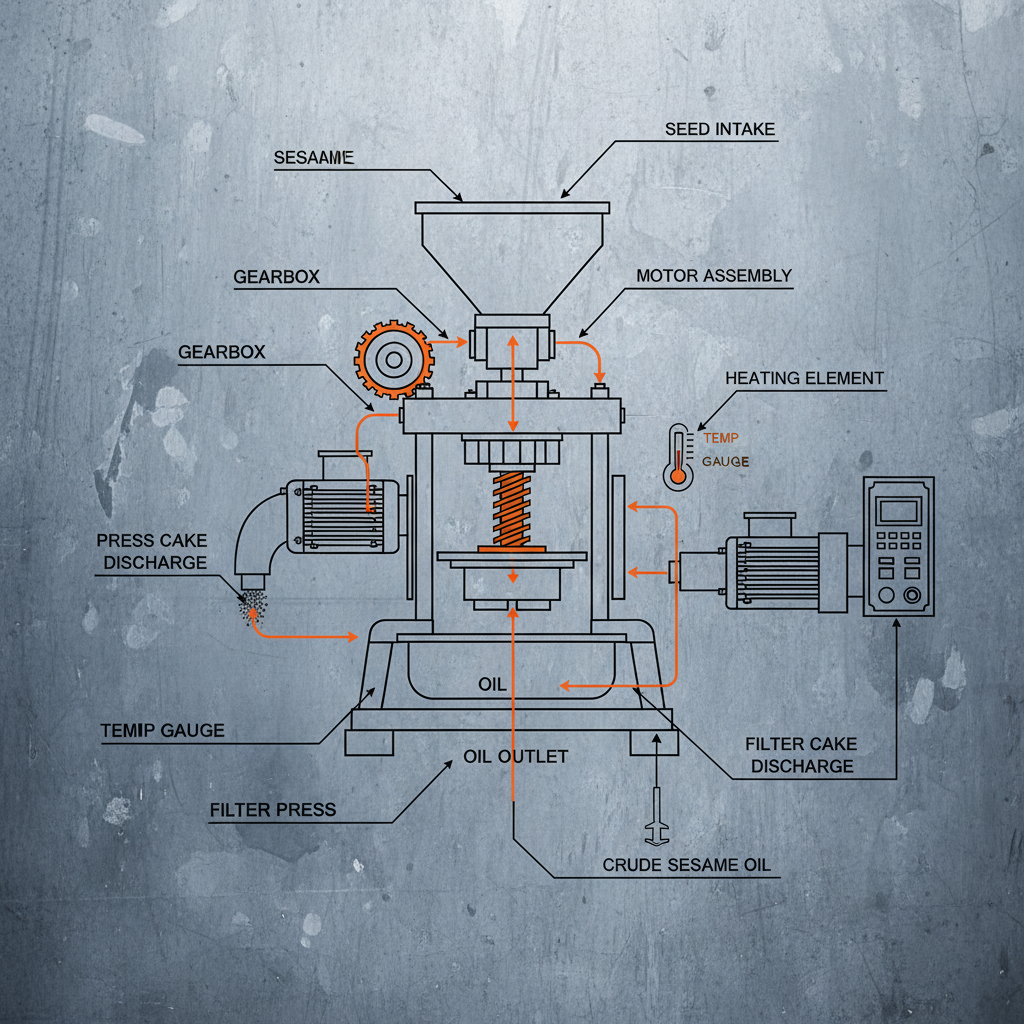
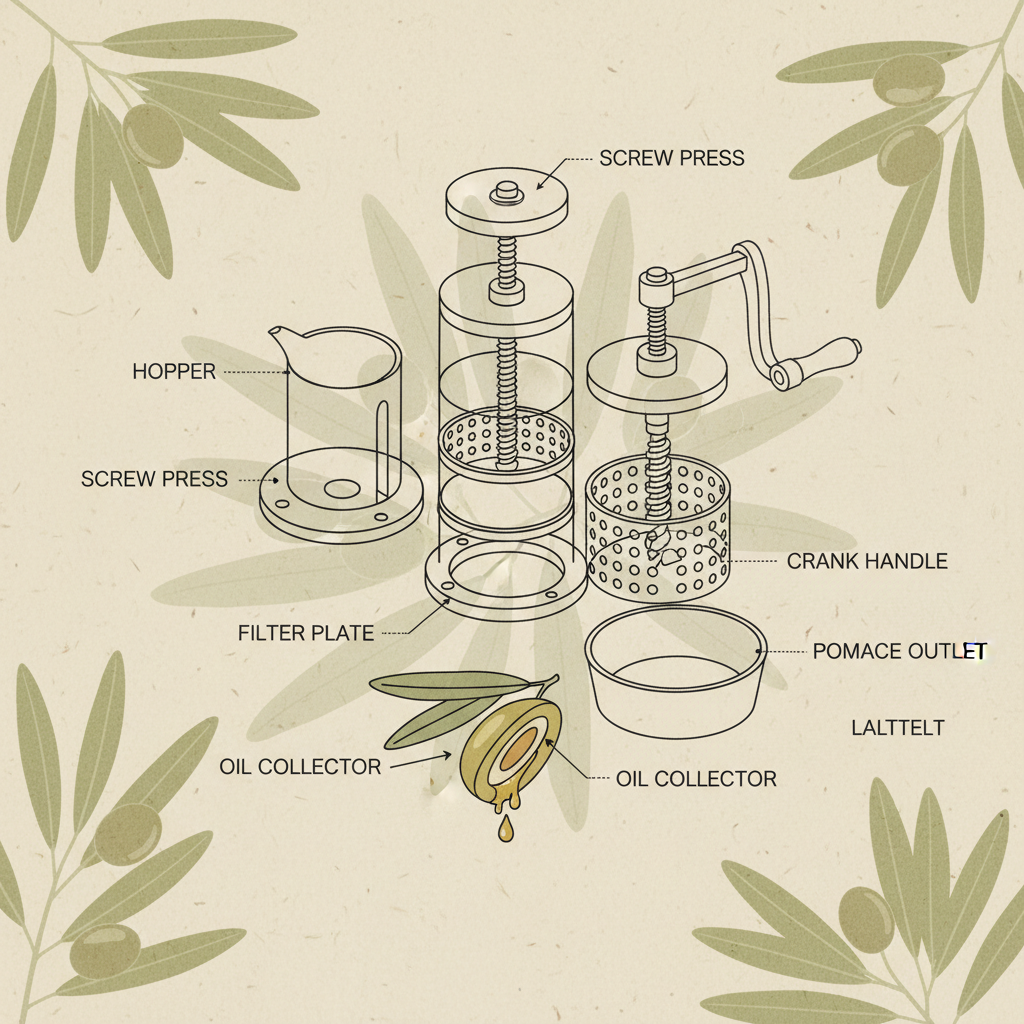
The hot oil press machine represents a cornerstone of efficient oil extraction, vital across a spectrum of industries and increasingly relevant in a world demanding sustainable practices. From small-scale agricultural operations to large-scale industrial processing, these machines offer a reliable method for obtaining high-quality oils from various seeds and nuts. Understanding the principles, applications, and advancements in hot oil press machine technology is crucial for optimizing oil yields, minimizing waste, and contributing to a more sustainable future.
Globally, the demand for vegetable oils continues to rise, driven by population growth, changing dietary habits, and the expanding use of oils in biofuels and other industrial applications. This escalating demand necessitates innovative and efficient extraction methods, and the hot oil press machine consistently proves to be a cost-effective and versatile solution. Furthermore, the capacity to operate independently of large-scale refineries makes it an ideal tool for decentralized oil production, empowering local communities and reducing reliance on complex supply chains.
The hot oil press machine isn’t merely a piece of machinery; it's a facilitator of economic opportunity, a key component in food security, and a driver of sustainable oil production practices worldwide. Its continuous development and adaptation to diverse feedstocks ensure its continued relevance in addressing the global demand for high-quality oils.
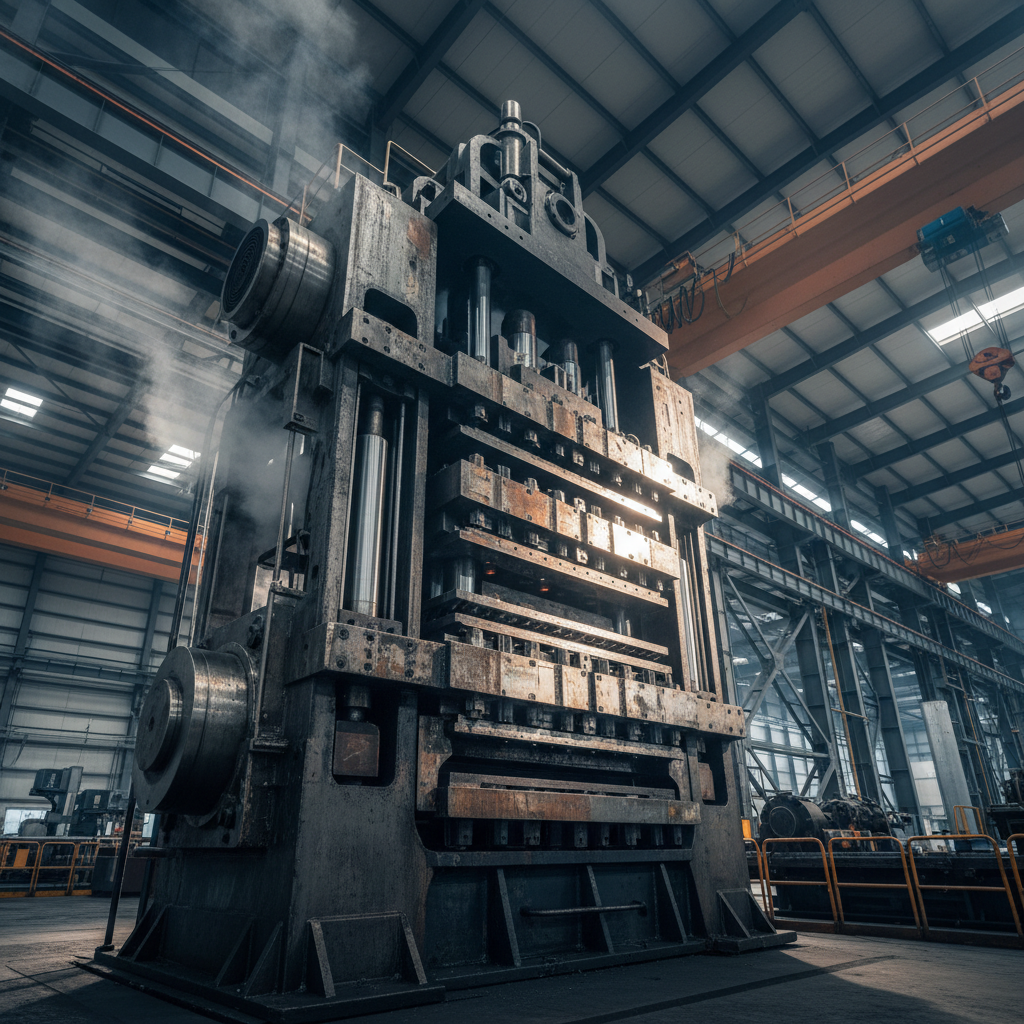
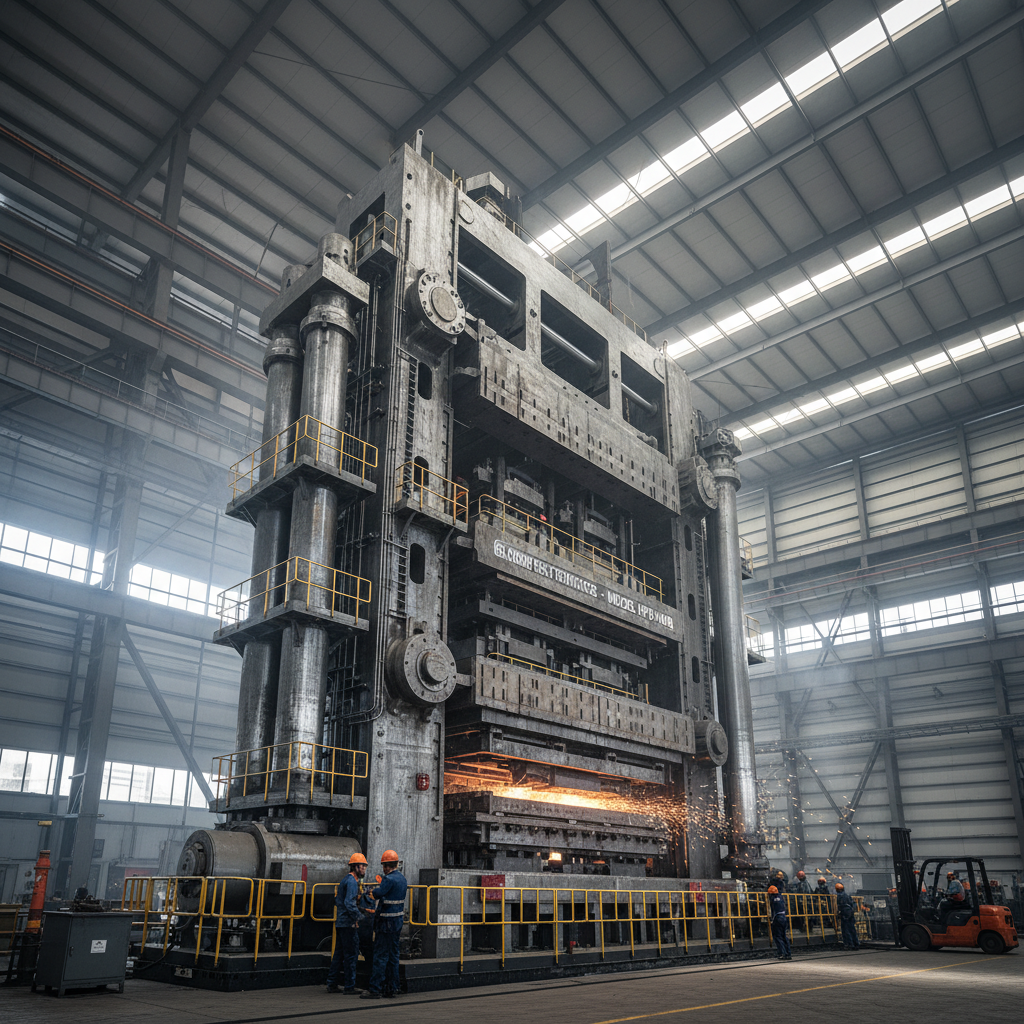
The hot oil press machine has evolved significantly from its rudimentary beginnings, now encompassing a range of sophisticated designs tailored to specific seed types and production volumes. These machines utilize mechanical pressure, often combined with pre-heating of the seeds, to extract oil, creating a versatile and efficient process. The application of heat improves oil yield by reducing viscosity and enhancing cell rupture, making it a crucial step in maximizing output.
Understanding the nuances of different hot oil press machine types – screw press, hydraulic press, and pneumatic press – is vital for selecting the optimal equipment for a given application. Factors such as seed preparation, oil quality requirements, and desired production capacity all influence the choice of machine.
The optimal pre-heating temperature for sunflower seeds typically ranges between 70-90°C (158-194°F). Heating the seeds to this temperature reduces their viscosity, improves cell rupture, and ultimately increases oil yield. However, exceeding this range can lead to protein denaturation and negatively impact oil quality. Careful monitoring and adjustment based on seed moisture content are crucial for achieving optimal results. A well-maintained hot oil press machine will incorporate temperature control features.
Filter cleaning or replacement frequency depends on the type of seed being processed and the overall cleanliness of the input material. As a general guideline, filters should be inspected and cleaned after each processing cycle. If the oil flow rate significantly decreases, or the oil becomes cloudy, the filters likely need cleaning or replacement. Regular maintenance ensures consistent oil quality and prevents machine clogging. Using high-quality filters specifically designed for hot oil press machine is also important.
Typically, a hot oil press machine can extract 85-90% of the oil from rapeseed. However, this percentage is influenced by several factors, including the quality of the seeds (moisture content, oil content), the pre-heating temperature, the pressing pressure, and the machine's design. Optimizing these parameters can maximize oil yield. Ensuring that your hot oil press machine is properly calibrated is key.
Yes, several safety precautions are essential. Always wear appropriate protective gear, including safety glasses and gloves. Ensure the machine is properly grounded to prevent electrical hazards. Never attempt to operate the machine with missing or damaged components. Keep hands and clothing away from moving parts. Regularly inspect the machine for any signs of wear or malfunction, and promptly address any issues. Always follow the manufacturer’s safety guidelines.
Improving oil quality involves several factors. Start with high-quality seeds that are clean and dry. Optimize the pre-heating temperature to avoid protein denaturation. Ensure the machine is thoroughly cleaned after each use to prevent contamination. Implement a multi-stage filtration system to remove impurities. Store the extracted oil in airtight, dark containers to protect it from oxidation. Selecting a hot oil press machine with advanced filtration capabilities can significantly enhance oil quality.
With proper maintenance and care, a high-quality hot oil press machine can have a lifespan of 10-15 years or even longer. Regular lubrication, cleaning, and timely replacement of worn parts are crucial for extending its lifespan. Avoiding overloading the machine and operating it within its specified parameters also contribute to its longevity. Investing in a durable and reliable hot oil press machine from a reputable manufacturer is essential for maximizing its lifespan.
The hot oil press machine represents a critical technology for efficient and sustainable oil extraction, offering significant benefits across diverse industries and applications. From its contribution to global food security to its role in promoting localized oil production and sustainable practices, the machine continues to evolve to meet the growing demands of a changing world. Understanding its core components, operational factors, and future trends is essential for optimizing performance and maximizing its long-term value.
Looking ahead, continued innovation in automation, energy efficiency, and oil quality control will further enhance the capabilities of hot oil press machines. By embracing these advancements, businesses and communities can unlock new opportunities for sustainable oil production, economic growth, and environmental stewardship. To learn more about cutting-edge hot oil press machine technologies and explore tailored solutions for your specific needs, visit our website today: www.oilmillchina.com.