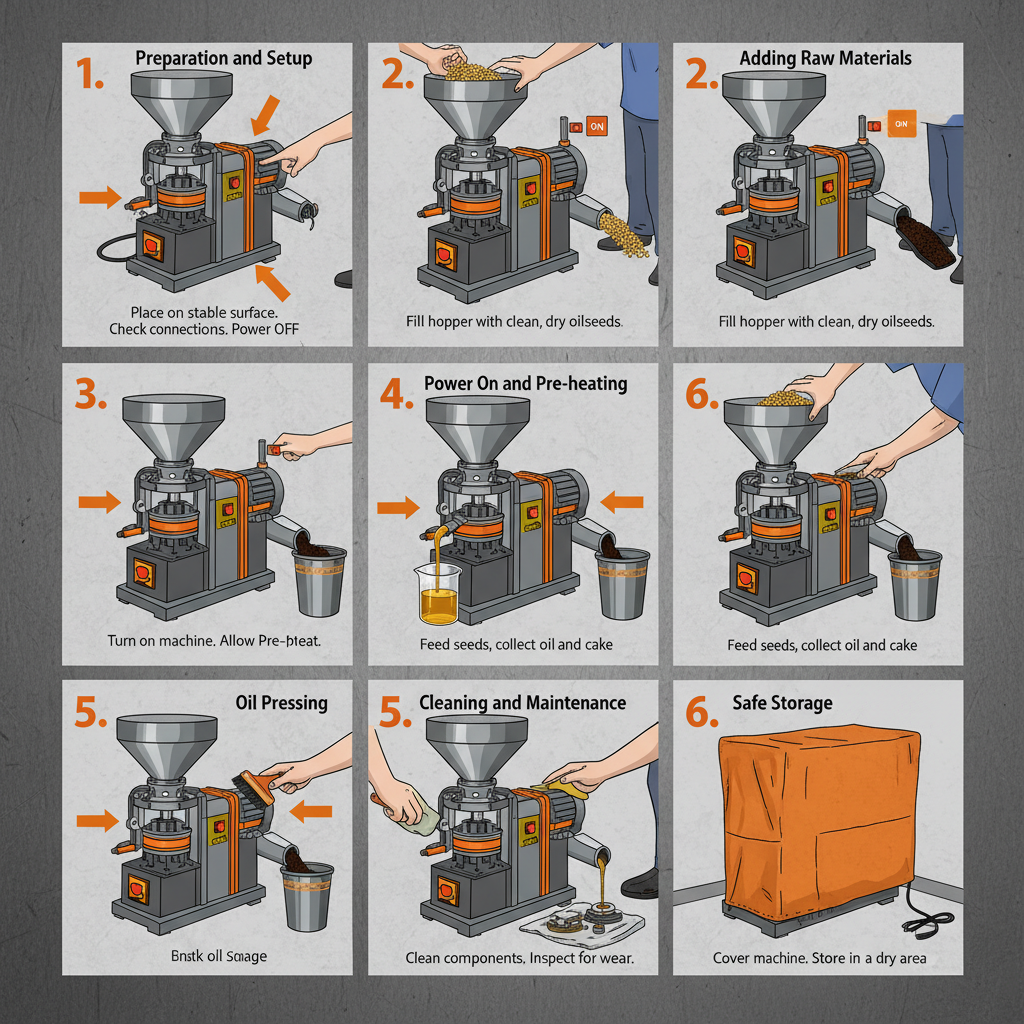
In the complex ecosystem of vegetable oil production, the preparation of raw materials is often the most critical step in determining final oil yield and quality. The oilseed steam cooker roaster serves as the cornerstone of this pretreatment phase, utilizing precise thermal energy to break down cellular structures and neutralize enzymes that could otherwise degrade the oil. By optimizing the moisture content and temperature of seeds before they enter the press, manufacturers can significantly reduce mechanical friction and maximize extraction efficiency.
Globally, the demand for high-quality edible oils is rising, pushing the industry toward more automated and energy-efficient processing solutions. The implementation of a professional oilseed steam cooker roaster allows producers to handle a diverse range of raw materials—from soybeans and rapeseed to peanuts and sunflower seeds—ensuring that each seed type is treated according to its specific thermal requirements. This versatility is essential for plants aiming to maintain consistent output despite seasonal variations in raw material quality.
Understanding the nuances of steam cooking and roasting is not just about technical parameters; it is about operational sustainability. When seeds are correctly conditioned using a modern oilseed steam cooker roaster, the energy required for the subsequent pressing process is lowered, and the wear and tear on the oil expeller screws are minimized. This synergy between pretreatment and extraction creates a more profitable, durable, and environmentally friendly production line for oil mills of all scales.
Global Industrial Relevance of Oilseed Steam Cooker Roaster
On a global scale, the production of vegetable oils is a multi-billion dollar industry governed by strict ISO standards and food safety regulations. The oilseed steam cooker roaster plays a pivotal role in this chain, as inefficient pretreatment can lead to oil losses of up to 5-10% during pressing. In regions like Southeast Asia and Africa, where small-to-medium capacity oil mills are prevalent, the adoption of standardized roasting technology is the primary driver for increasing local food security and economic independence.
The challenge today lies in the volatility of raw material moisture and the energy costs associated with heating. Many traditional plants struggle with uneven heating, which leads to scorched seeds or under-cooked batches, both of which compromise the oil's color and shelf life. By integrating a high-precision oilseed steam cooker roaster, industrial plants can standardize their output, ensuring that every batch meets international export quality, regardless of the raw seed's origin.
Defining the Oilseed Steam Cooker Roaster Process
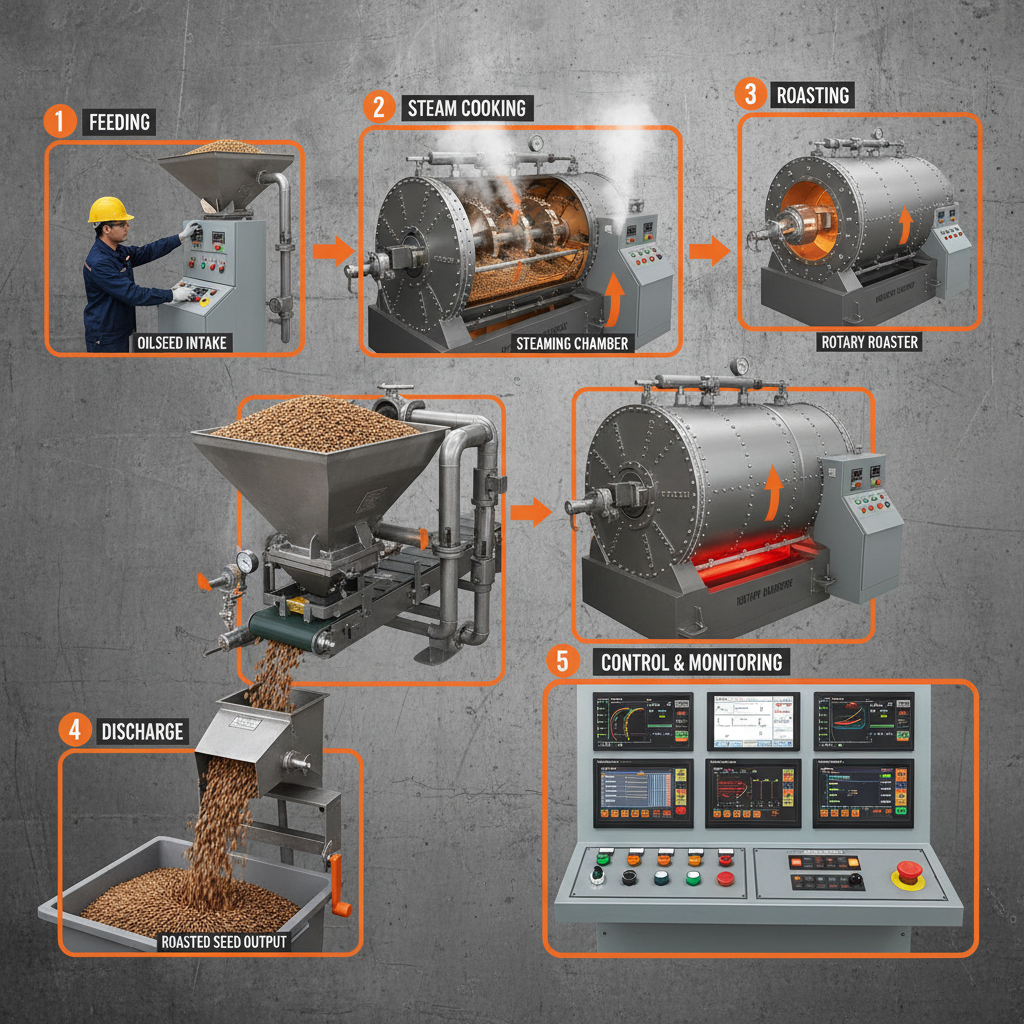
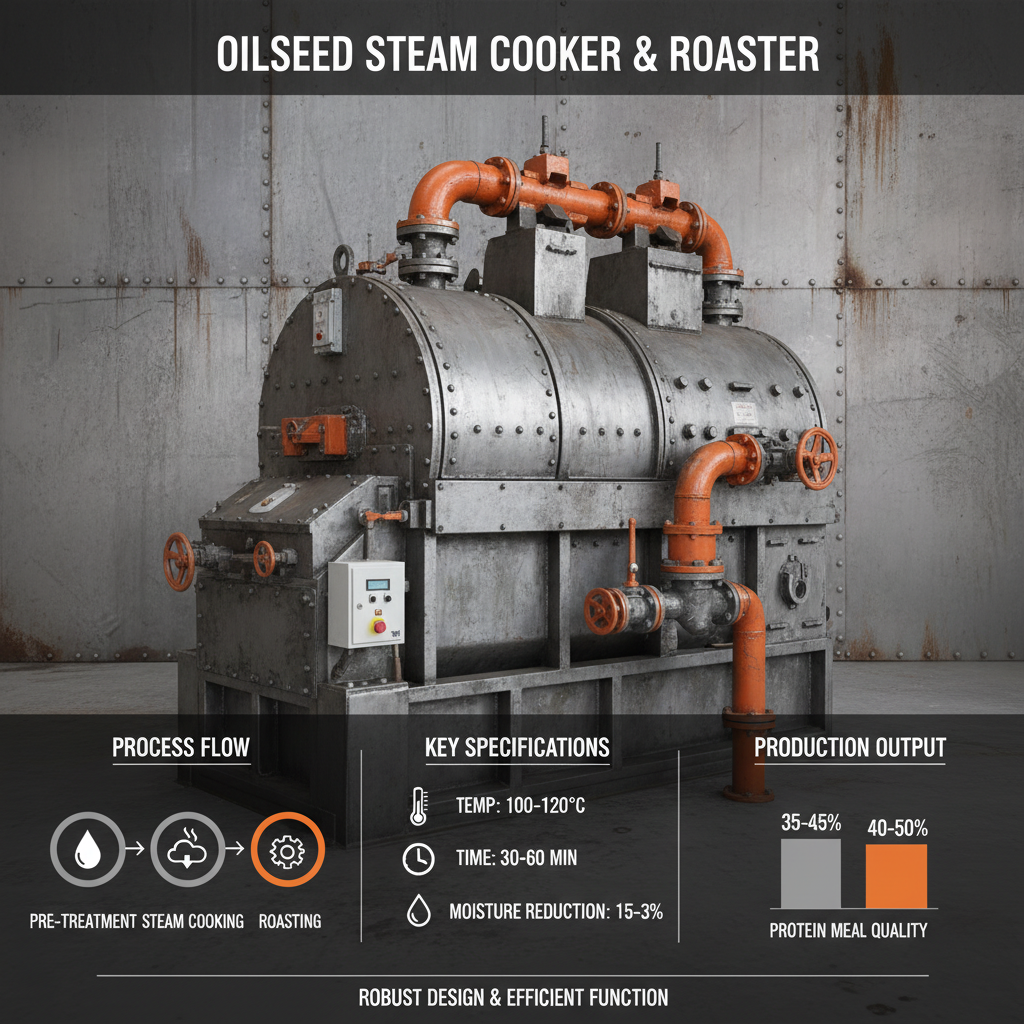
An oilseed steam cooker roaster is a specialized industrial vessel designed to apply controlled heat and moisture to oil-bearing seeds. Unlike simple frying or drying, this process involves a combination of conduction and convection, where steam is injected to gelatinize proteins and soften the seed coat. This "conditioning" transforms the seed from a hard, resistant pellet into a pliable material that releases oil much more freely under pressure.
From a technical perspective, the process serves two primary functions: moisture adjustment and enzyme inactivation. For seeds like soybeans, the cooker ensures that the moisture levels are optimal for the screw press; for others, it removes anti-nutritional factors and improves the aroma of the oil. This makes the oilseed steam cooker roaster an indispensable link between the raw harvest and the refined product.
In the context of modern industry, this equipment is no longer just a "pot for boiling." It is a precision-engineered component of a total plant solution, often integrated with conveyors and automatic temperature controllers. By bridging the gap between raw agriculture and industrial chemistry, it enables the efficient production of edible oils that are essential for global nutrition and the biofuel industry.
Core Components for Maximum Extraction Efficiency
The durability of an oilseed steam cooker roaster is defined by its material construction. High-grade carbon steel or stainless steel shells are used to withstand extreme thermal expansion and pressure cycles, ensuring that the equipment does not warp or leak over years of continuous 24/7 operation in a busy oil mill.
Scalability and precision control are what separate a professional oilseed steam cooker roaster from basic models. Modern units feature variable speed agitators and digital steam valves, allowing operators to customize the roasting profile for different seed types—essential for plants that switch between peanut and sunflower processing.
Finally, cost efficiency is achieved through heat recovery systems. An advanced oilseed steam cooker roaster often incorporates insulation jackets to prevent heat loss to the environment, thereby reducing the fuel consumption of the boiler and lowering the overall cost per liter of oil produced.
Practical Applications Across Global Oil Markets
The application of the oilseed steam cooker roaster varies significantly by region and crop. In the Americas, large-scale soy processing plants use massive continuous steam cookers to handle thousands of tons per day. In contrast, in African and Asian markets, modular roasters are deployed in remote industrial zones to empower local cooperatives, allowing them to process oilseeds locally rather than exporting raw materials at low value.
Beyond commercial profit, these systems are vital in food security initiatives. In post-disaster relief operations or emerging economy development, installing a compact oilseed steam cooker roaster alongside a small capacity oil expeller provides communities with a sustainable source of cooking oil and high-protein cake for animal feed, creating a circular economy at the village level.
Efficiency Ratings of Pretreatment Methods
Long-term Value and Economic Advantages
Investing in a high-quality oilseed steam cooker roaster provides a tangible return on investment through the reduction of raw material waste. By ensuring that the seeds are perfectly conditioned, the oil residue left in the press cake is minimized. Even a 1% increase in oil extraction across a medium-sized plant can result in thousands of dollars of additional monthly revenue.
Beyond the balance sheet, there is a significant emotional and professional value in reliability. Plant managers gain peace of mind knowing that their oilseed steam cooker roaster will not fail during peak harvest seasons. This operational stability fosters trust with suppliers and buyers, positioning the company as a professional leader in the vegetable oil processing industry.
Future Innovations in Thermal Pretreatment
The next generation of the oilseed steam cooker roaster is leaning heavily toward digital transformation. We are seeing the integration of IoT sensors that monitor internal temperature and moisture in real-time, automatically adjusting steam flow via AI algorithms. This eliminates human error and ensures a "perfect roast" every time, regardless of the operator's experience level.
Sustainability is also driving a shift in energy sources. Many manufacturers are now developing oilseed steam cooker roaster units that can be powered by biomass boilers or electric induction heating, reducing the carbon footprint of the oil mill. This move toward "Green Oil Processing" is becoming a requirement for companies seeking certification in European and North American markets.
Furthermore, the development of modular, plug-and-play systems is making it easier for small-scale entrepreneurs to start their own oil businesses. These compact oilseed steam cooker roaster units are designed for rapid deployment, allowing a full processing line to be set up in a matter of days rather than months.
Overcoming Common Operational Challenges
One of the most common limitations in current practice is "uneven cooking," where seeds near the walls of the vessel are overcooked while the center remains raw. To solve this, expert designers have introduced high-efficiency mixing paddles and optimized steam injection nozzles in the oilseed steam cooker roaster, ensuring a homogenous temperature distribution throughout the batch.
Another challenge is the accumulation of scale and residue inside the steamer, which can reduce heat transfer efficiency over time. The solution lies in the adoption of automated cleaning-in-place (CIP) systems and the use of polished internal surfaces that prevent seed sticking, thereby extending the intervals between deep maintenance cycles for the oilseed steam cooker roaster.
Finally, energy waste during the discharge phase is a frequent pain point. By implementing air-lock valves and vacuum-sealed discharge chutes, modern oilseed steam cooker roaster designs prevent steam from escaping, keeping the heat inside the system and maintaining a stable thermal environment for the next load of seeds.
Comparative Analysis of Oilseed Steam Cooker Roaster Performance Metrics
| Equipment Grade |
Heat Distribution Score |
Energy Efficiency (%) |
Oil Yield Improvement |
| Entry-Level Manual |
4/10 |
60% |
+2-3% |
| Standard Industrial |
7/10 |
75% |
+5-7% |
| Advanced Automated |
9/10 |
88% |
+8-11% |
| Precision IoT-Enabled |
10/10 |
94% |
+12-15% |
| Custom Large-Scale |
8/10 |
82% |
+7-9% |
| Modular Compact |
6/10 |
70% |
+4-6% |
FAQS
A steam cooker, like the professional oilseed steam cooker roaster, uses moist heat to gelatinize proteins and soften seeds, which is ideal for high-yield extraction in screw presses. A dry roaster uses hot air, which is primarily used for flavor development (like in coffee or peanuts for snacking) but is generally less efficient at preparing seeds for industrial oil pressing as it can over-dry the material, increasing friction in the expeller.
It has a profound impact on both color and stability. By precisely controlling the temperature, an oilseed steam cooker roaster prevents the oxidation of lipids and the burning of seed proteins. This results in a clearer oil with a neutral taste and a longer shelf life. Conversely, poor roasting leads to "burnt" notes and a darker color, which reduces the market value of the oil.
Yes, provided the machine has adjustable temperature and time controls. Different seeds have different "critical points"—for example, soybeans require a different moisture level than rapeseed. A versatile oilseed steam cooker roaster allows the operator to switch presets to ensure each seed type is conditioned perfectly for maximum oil release without damaging the seed cake.
Daily checks should focus on steam valve leaks and agitator lubrication. Quarterly deep maintenance for an oilseed steam cooker roaster typically involves descaling the heating elements and inspecting the seal integrity. Regular maintenance prevents heat loss and ensures that the oil extraction yield remains consistent throughout the year.
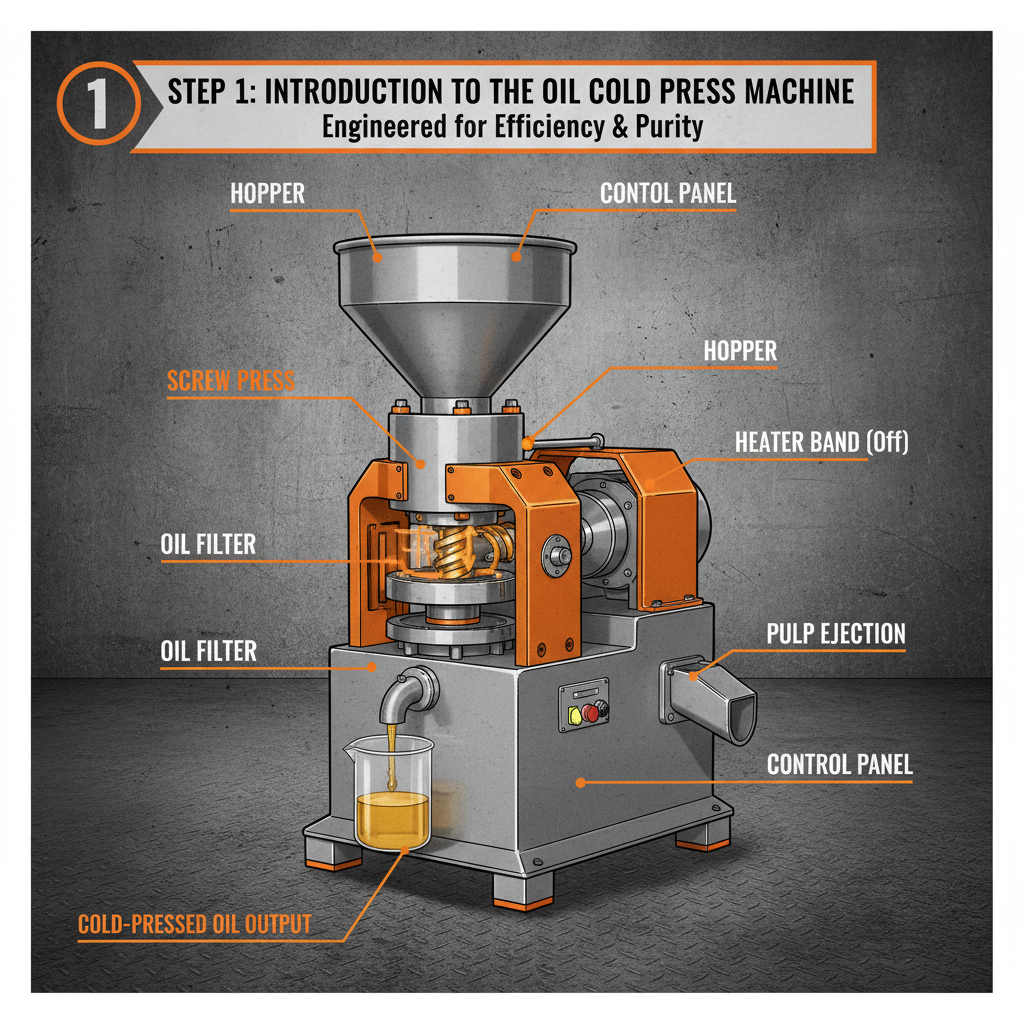
Absolutely. Most oilseed steam cooker roaster units are designed to be modular. They can be placed upstream of your existing oil expeller and connected via a simple screw conveyor. Adding a roasting stage to a "cold press" or "direct press" setup usually results in an immediate and noticeable increase in oil output per ton of raw material.
Energy consumption depends on the heat source (electric vs. coal/gas boiler). However, a modern, insulated oilseed steam cooker roaster is designed to maximize thermal inertia. By using high-density insulation and efficient steam distribution, these machines reduce fuel waste by 20-30% compared to traditional open-vat cooking methods.
Conclusion
The oilseed steam cooker roaster is far more than a simple heating vessel; it is the strategic engine that drives the efficiency of the entire oil extraction process. From ensuring the biological stability of the oil to maximizing the physical yield of the press, the technical precision of the roasting phase determines the economic viability of an oil mill. By focusing on durability, thermal precision, and energy efficiency, producers can transform their operations from basic processing to high-yield industrial manufacturing.
Looking forward, the integration of smart automation and green energy will further elevate the role of the oilseed steam cooker roaster in the global food supply chain. For businesses looking to scale their production or improve their product quality, investing in advanced pretreatment technology is the most effective way to secure a competitive edge. We invite you to explore our professional solutions and optimize your oil mill today. Visit our website: www.oilmillchina.com