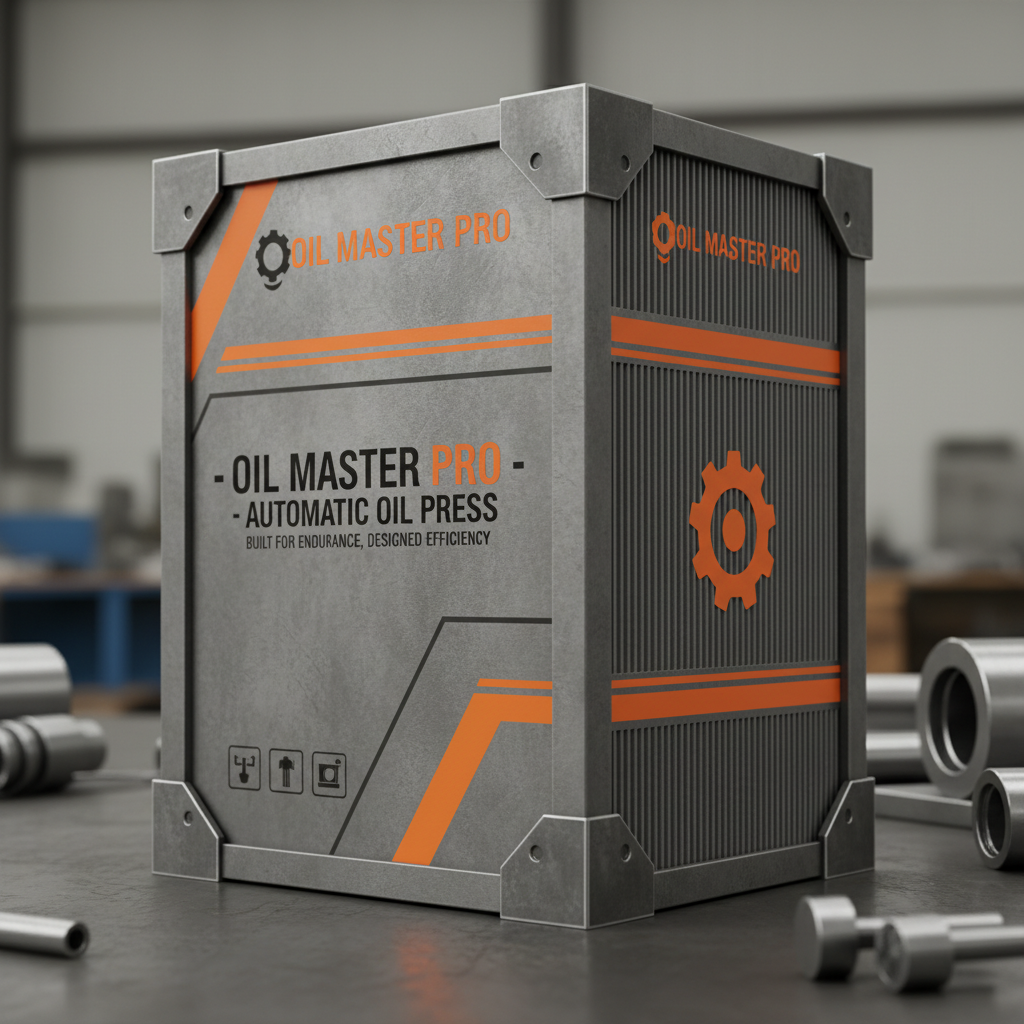
The hydraulic cold oil press machine represents a significant advancement in oil extraction technology, offering a sustainable and efficient alternative to traditional methods. This technology is increasingly vital in a world demanding higher quality oils and environmentally conscious production practices. Its ability to extract oil without the use of heat preserves the nutritional value and flavor profiles of the oil, making it highly sought after in the food, cosmetic, and pharmaceutical industries. Understanding the nuances of this machine is crucial for businesses looking to optimize their operations and cater to evolving consumer preferences.
Globally, the demand for cold-pressed oils is surging, driven by growing awareness of health benefits and a rejection of chemically refined oils. According to a report by the FAO (Food and Agriculture Organization of the United Nations), there's a consistent increase in demand for natural and minimally processed food products. The hydraulic cold oil press machine directly addresses this need, offering a viable solution for smaller-scale producers and businesses prioritizing quality and sustainability. The implications extend beyond just food production; this technology plays a role in supporting local economies and promoting responsible agricultural practices.
The hydraulic cold oil press machine isn’t merely a piece of equipment; it's a key component in a broader movement towards more sustainable and ethical production practices. Its increasing adoption signals a shift in consumer demands and a growing commitment to healthier, more natural products. Investing in understanding and implementing this technology is becoming increasingly important for businesses seeking to remain competitive and aligned with global sustainability trends.
Introduction to Hydraulic Cold Oil Press Machines
Hydraulic cold oil press machines have revolutionized the oil extraction process, offering a gentler and more efficient method compared to traditional screw pressing or solvent extraction. These machines utilize hydraulic pressure to compress oil-bearing materials – seeds, nuts, fruits – without generating significant heat, preserving the delicate flavors, aromas, and nutritional compounds within the oil. This makes them particularly valuable for producing high-quality oils for culinary, cosmetic, and pharmaceutical applications.
The widespread adoption of these machines is fueled by a global shift towards healthier and more sustainable food production practices. Consumers are increasingly seeking natural, unrefined oils, and the hydraulic cold oil press machine perfectly aligns with this demand. Its relatively compact size and ease of operation also make it suitable for both large-scale industrial operations and smaller, artisan producers.
Defining the Hydraulic Cold Oil Press Machine
A hydraulic cold oil press machine is an electromechanical device designed to extract oil from various oilseeds and nuts through the application of high hydraulic pressure. Crucially, the process operates at temperatures below 120°F (49°C), qualifying it as “cold-pressed.” This temperature control is vital for preserving the oil’s natural properties, including its vitamins, antioxidants, and essential fatty acids. Unlike solvent extraction, which utilizes chemical solvents like hexane, cold pressing relies solely on mechanical force.
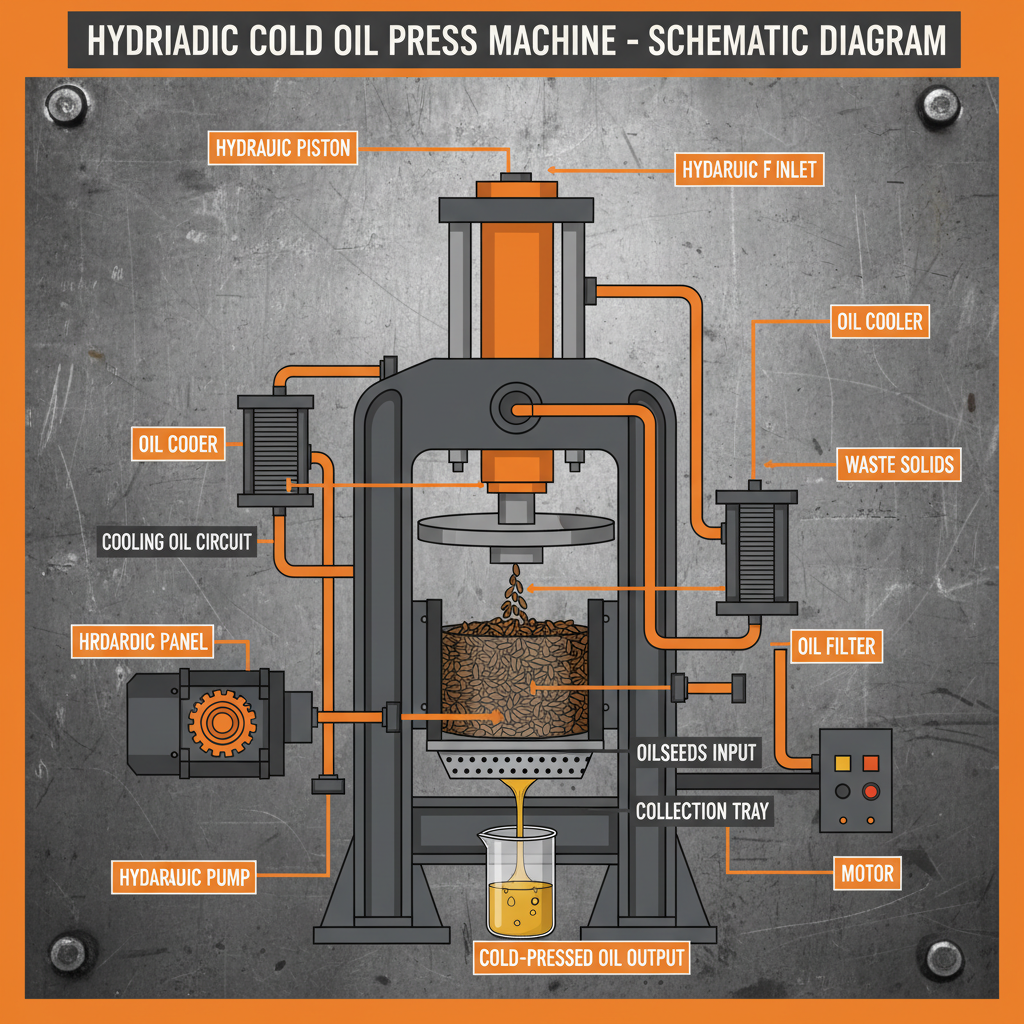
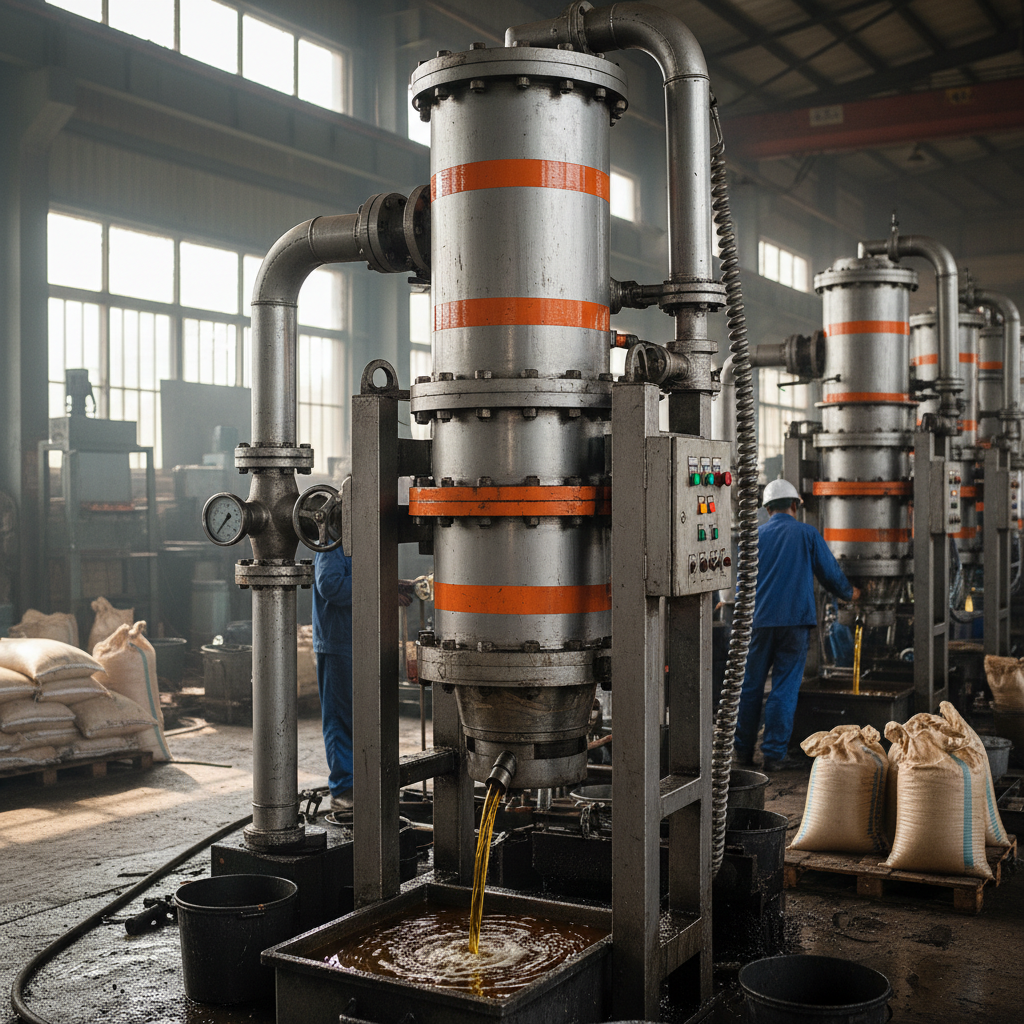
The machine’s core components include a hydraulic cylinder, a pressing chamber, and a filtration system. The oil-bearing material is placed within the pressing chamber, and the hydraulic cylinder exerts immense pressure, causing the oil to separate from the solid residue (also known as oil cake). This crude oil is then filtered to remove any remaining particulate matter, resulting in a clear, high-quality oil. This process is directly linked to modern industry’s pursuit of healthier and more sustainable practices.
Understanding the distinction between cold-pressed and refined oils is paramount. Refined oils undergo a series of chemical treatments – degumming, neutralization, bleaching, and deodorization – which strip away many of their beneficial nutrients and alter their natural flavors. The hydraulic cold oil press machine provides a direct path to pure, unadulterated oil, meeting the growing demand for natural and healthy products.
Core Components and Operational Factors
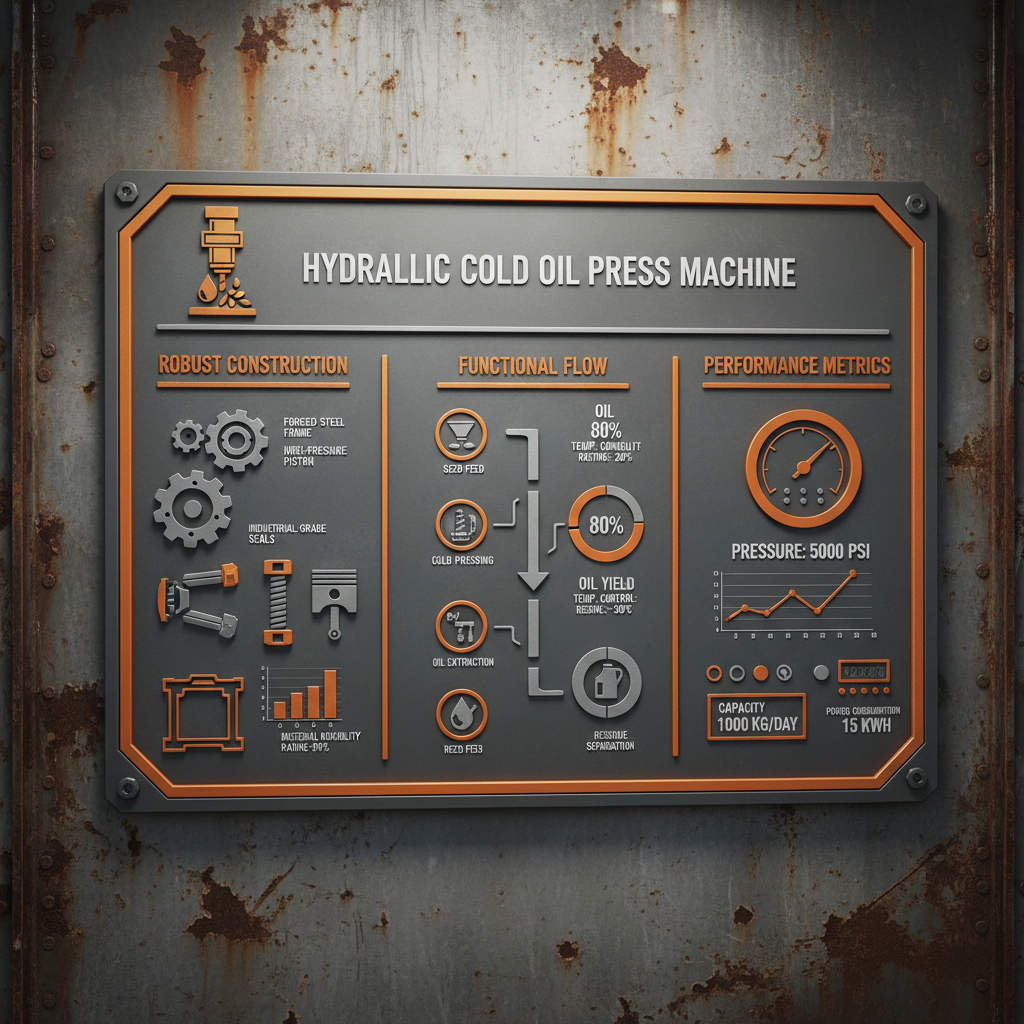
The efficiency of a hydraulic cold oil press machine hinges on several key components. The hydraulic cylinder, responsible for generating the pressing force, is typically rated by its tonnage (the amount of pressure it can exert). The pressing chamber’s design, including its size and shape, influences the oil yield and the quality of the oil cake. The filtration system, ranging from simple mesh filters to more sophisticated multi-stage filtration units, determines the clarity and purity of the extracted oil. The pump and motor are also critical, providing the necessary power and fluid dynamics for consistent operation.
Operational factors significantly impact performance. The moisture content of the oil-bearing material is crucial; optimal moisture levels vary depending on the seed or nut being processed. The pre-treatment of the material – cleaning, drying, and sometimes pre-heating – also plays a role. Proper maintenance, including regular lubrication of moving parts and timely replacement of filters, is essential for ensuring consistent performance and prolonging the machine’s lifespan. Understanding these factors allows operators to maximize oil yield and maintain product quality.
The hydraulic system itself requires careful consideration. The type of hydraulic oil used, its viscosity, and its cleanliness all affect the machine’s performance and longevity. Regular inspection of hoses, fittings, and seals is vital to prevent leaks and maintain optimal pressure. Properly maintaining the hydraulic system ensures reliable operation and minimizes downtime.
Key Performance Indicators of Hydraulic Cold Oil Press Machines
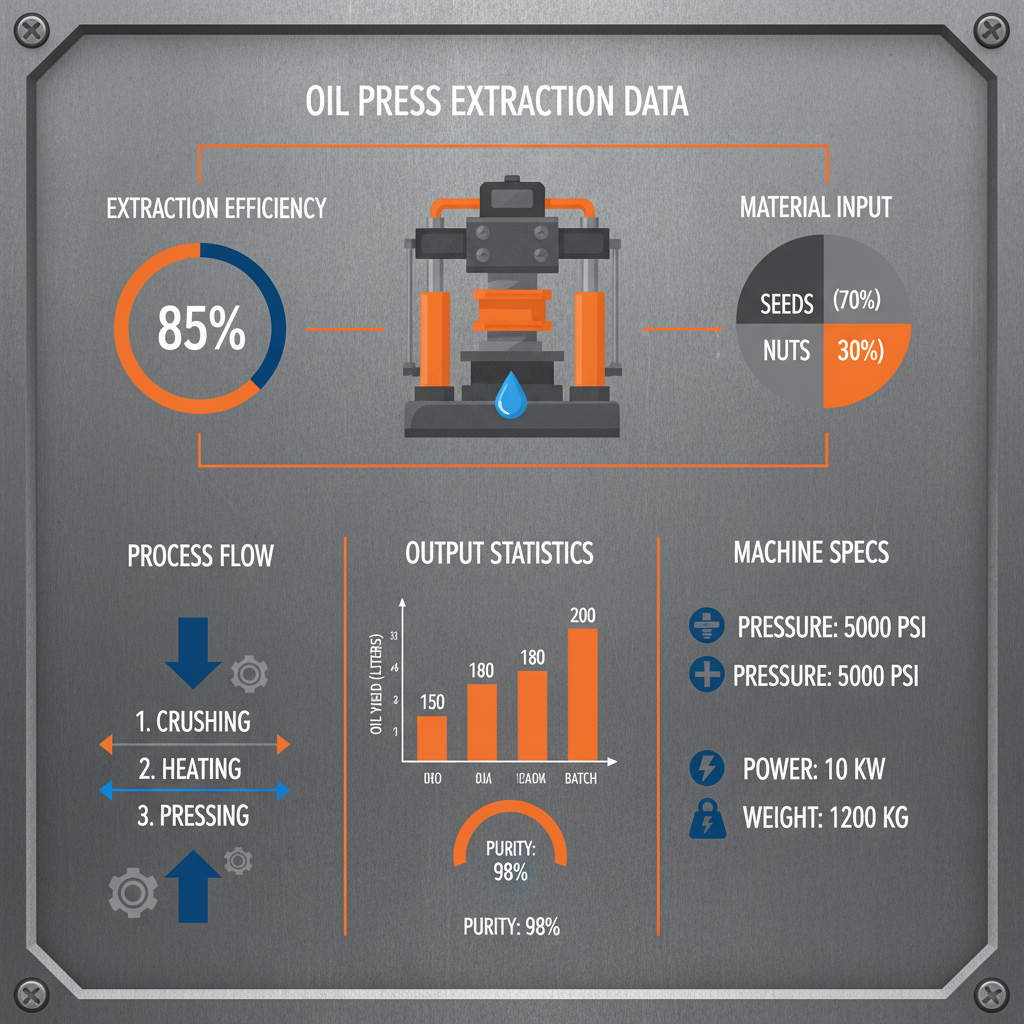
Assessing the performance of a hydraulic cold oil press machine requires tracking several key performance indicators (KPIs). Oil yield, expressed as a percentage of oil extracted from the input material, is perhaps the most important metric. Oil cake dryness, indicating the remaining oil content in the solid residue, is another crucial factor, impacting the potential for re-pressing or use as animal feed. Throughput, measured in kilograms or pounds processed per hour, determines the machine’s processing capacity.
Beyond these quantitative metrics, qualitative factors such as oil clarity and color are also essential. High-quality cold-pressed oil should be clear and exhibit a natural color characteristic of the source material. The machine’s energy consumption per unit of oil produced is a key indicator of its operational efficiency. Furthermore, monitoring the frequency of maintenance and repairs provides insights into the machine’s reliability and long-term cost of ownership.
Comparison of Hydraulic Cold Oil Press Machine Methods
Global Applications and Industry Use Cases
The applications of the hydraulic cold oil press machine are incredibly diverse, spanning numerous industries and geographical locations. In the food industry, it’s used to produce high-quality olive oil, coconut oil, sunflower oil, sesame oil, and many other edible oils. These oils are then utilized in cooking, salad dressings, and food processing. In post-disaster relief operations, portable hydraulic cold oil press machines can provide a crucial source of nutrition by extracting oil from locally available seeds.
The cosmetic industry benefits from the production of carrier oils for skincare and aromatherapy products. These oils, rich in essential fatty acids and vitamins, are valued for their moisturizing and therapeutic properties. The pharmaceutical industry uses cold-pressed oils as excipients in drug formulations and as sources of active ingredients. Moreover, in remote industrial zones or agricultural communities, these machines empower local producers to create value-added products and generate income.
Advantages and Long-Term Value Proposition
The advantages of using a hydraulic cold oil press machine are numerous. First and foremost, it produces high-quality oil with superior nutritional value and flavor compared to refined oils. This translates to a premium product that commands a higher market price. The cold-pressing process is environmentally friendly, requiring no harsh chemicals or solvents. This appeals to environmentally conscious consumers and aligns with sustainable production practices. Reduced energy consumption contributes to lower operating costs and a smaller carbon footprint.
The long-term value proposition extends beyond economic benefits. By investing in a hydraulic cold oil press machine, businesses can build brand reputation based on quality, sustainability, and ethical sourcing. This fosters customer loyalty and strengthens market position. The machine’s durability and relatively low maintenance requirements ensure a long operational lifespan, maximizing return on investment. It offers a degree of self-sufficiency and control over the oil production process.
Future Trends and Innovations in Oil Press Technology
The future of hydraulic cold oil press machine technology is focused on increasing efficiency, automation, and sustainability. Advances in materials science are leading to the development of more durable and corrosion-resistant components. Integration of sensor technology and artificial intelligence (AI) is enabling real-time monitoring of oil yield, moisture content, and other critical parameters, allowing for automated adjustments to optimize performance. Digital platforms are also emerging to facilitate remote monitoring and control of machines.
The increasing emphasis on circular economy principles is driving innovation in oil cake utilization. Research is underway to convert oil cake into valuable by-products, such as animal feed, fertilizer, and biogas. Hybrid systems that combine hydraulic pressing with other extraction techniques, such as ultrasound-assisted extraction, are being explored to further enhance oil yield and quality. Ultimately, the goal is to create more efficient, sustainable, and integrated oil production systems.
Furthermore, the integration of green energy sources, like solar power, to operate these machines represents a significant trend, further reducing their environmental impact and operating costs.
FAQS
Many oilseeds can be processed, including sunflower, rapeseed (canola), sesame, flax, pumpkin seeds, and coconut. Olive oil production is also a major application. The suitability depends on factors like oil content, seed size, and moisture level. Seeds with higher oil content generally yield more oil. Pre-treatment such as cleaning and drying is crucial for optimal results. Ensure your machine is appropriately sized for the type and volume of seeds you intend to process.
With regular maintenance – including lubrication, filter replacement, and inspection of hydraulic components – a well-built hydraulic cold oil press machine can have a lifespan of 10-15 years or even longer. Factors like usage frequency and the quality of the input materials also play a role. Proactive maintenance, such as addressing leaks promptly and keeping the machine clean, significantly extends its operational life.
Energy consumption varies depending on the machine’s size, capacity, and efficiency. Smaller, manual machines consume less energy than large, automated models. Reducing energy consumption involves optimizing the pressing process by ensuring the correct moisture content of the seeds, utilizing energy-efficient motors and pumps, and implementing proper insulation to minimize heat loss. Exploring solar-powered operation can drastically reduce energy costs.
Common filtration methods include using mesh filters, plate and frame filters, and centrifugal separators. Mesh filters are the simplest and most affordable, while plate and frame filters offer finer filtration for clearer oil. Centrifugal separators effectively remove solid particles based on density. The choice of filtration method depends on the desired oil clarity and the level of particulate matter removal required. Multi-stage filtration systems often provide the best results.
Safety is paramount. Always wear appropriate personal protective equipment (PPE), including safety glasses and gloves. Ensure the machine is properly grounded and that all safety guards are in place. Never attempt to operate the machine with damaged components. Be aware of the high-pressure hydraulic system and avoid contact with pressurized fluids. Follow the manufacturer’s instructions carefully and receive proper training before operating the machine.
Oil from a hydraulic cold press machine retains significantly more nutrients, antioxidants, and natural flavors compared to refined oils. Refinement processes strip away these beneficial compounds. Cold-pressed oil is also free of chemical residues from solvents used in refining. The result is a healthier, more flavorful oil with a richer aroma and longer shelf life. This makes cold-pressed oils highly desirable for both culinary and health-conscious consumers.
Conclusion
In conclusion, the hydraulic cold oil press machine stands as a pivotal technology in the evolving landscape of oil production. Its ability to deliver high-quality, nutrient-rich oils without the use of harsh chemicals aligns perfectly with the growing consumer demand for natural and sustainable products. From supporting small-scale artisan producers to enabling efficient industrial operations, this machine offers a versatile and valuable solution across a wide range of applications. Embracing this technology is an investment in both quality and sustainability.
Looking forward, continued innovation in materials science, automation, and renewable energy integration will further enhance the efficiency and environmental friendliness of hydraulic cold oil press machines. By prioritizing research and development in these areas, we can unlock even greater potential for this technology to contribute to a healthier, more sustainable future. To explore the benefits of implementing a hydraulic cold oil press machine in your operations, visit our website at hydraulic cold oil press machine.