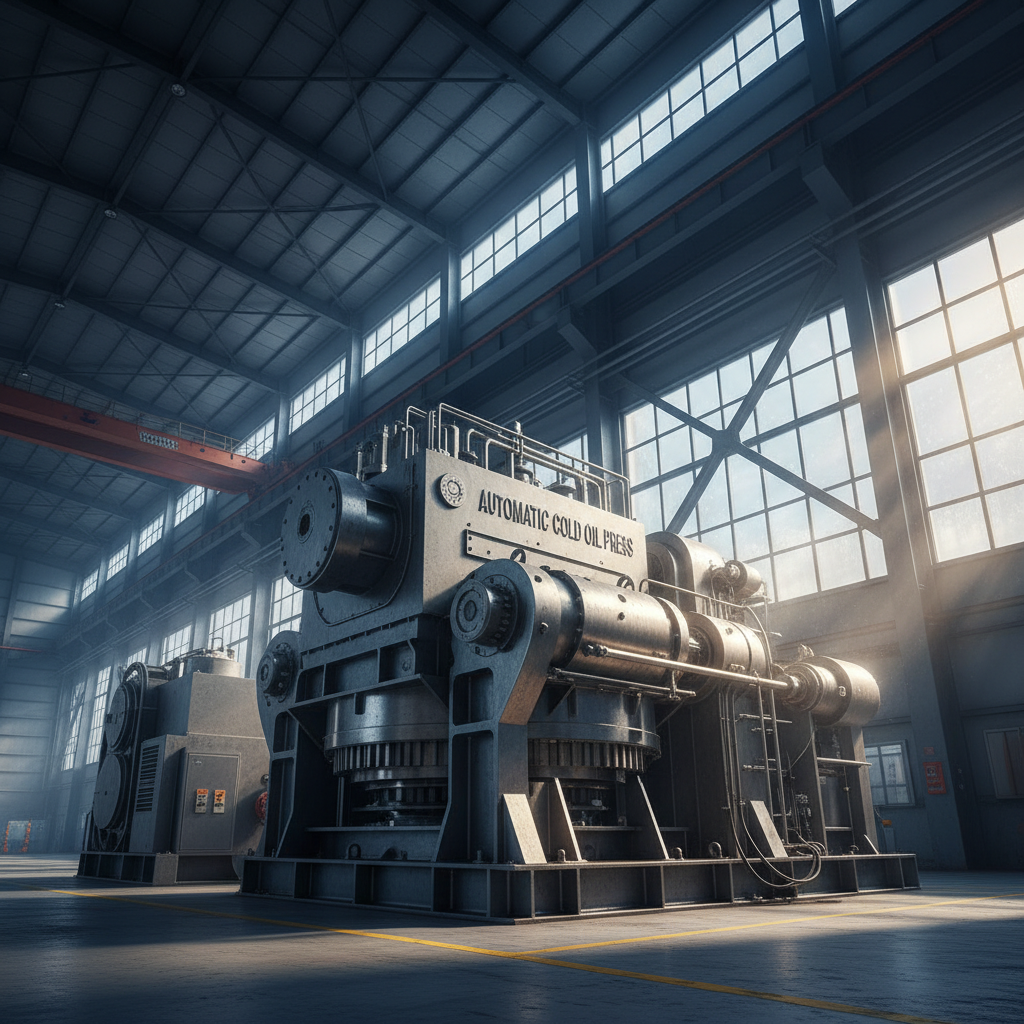
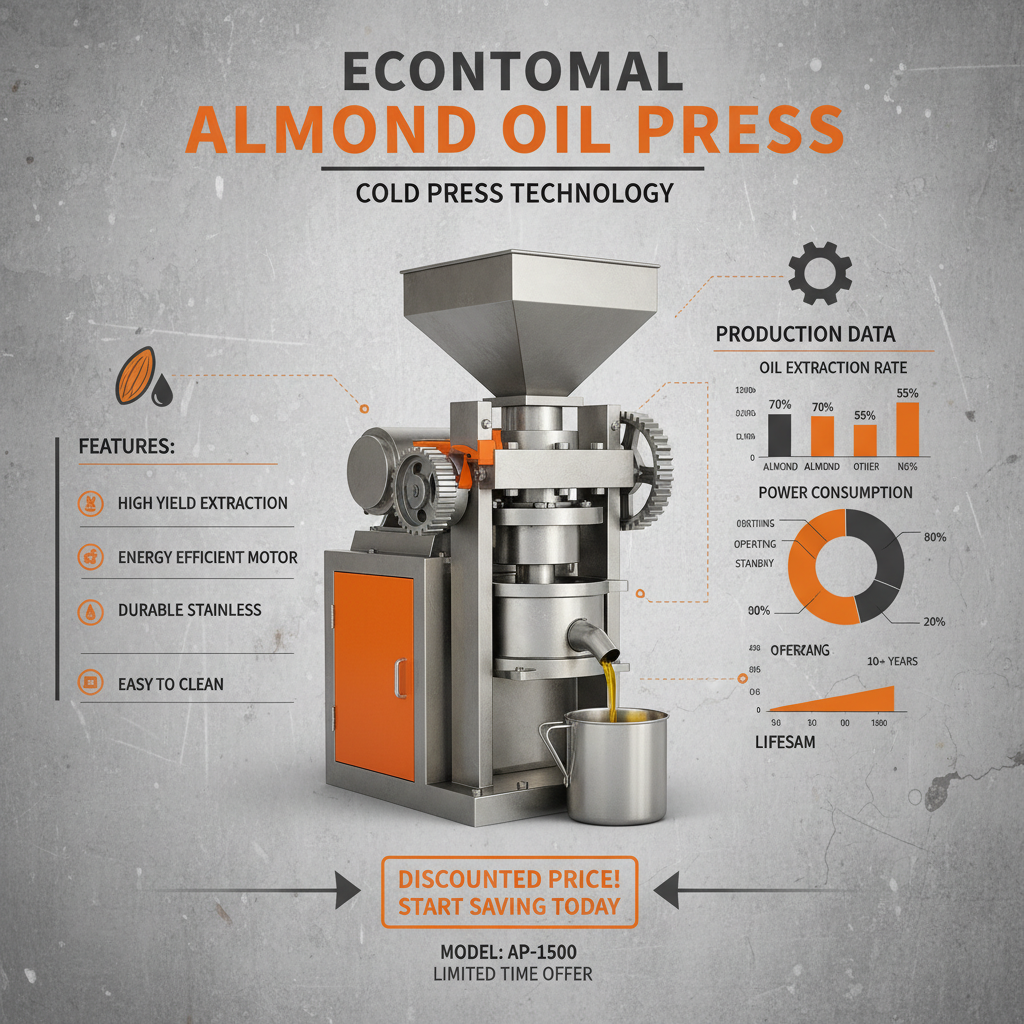
Honestly, the oil pressing machine world is moving fast these days. It's not just about squeezing oil anymore, you know? Everyone's chasing automation, bigger capacity, and lower energy consumption. I was at a factory in Henan province last month, and they were showing off a new continuous screw press – thing was massive. But the devil's always in the details, isn’t it? They’d spent so much time optimizing the squeezing mechanism they completely overlooked the filtration system.
Have you noticed how many suppliers claim their machines can handle any seed? That's… optimistic, to say the least. Different seeds have different oil content, different cell structures. A machine that's great for sunflower seeds will choke on rapeseed, guaranteed. And don't even get me started on palm fruit. That’s a whole different beast.
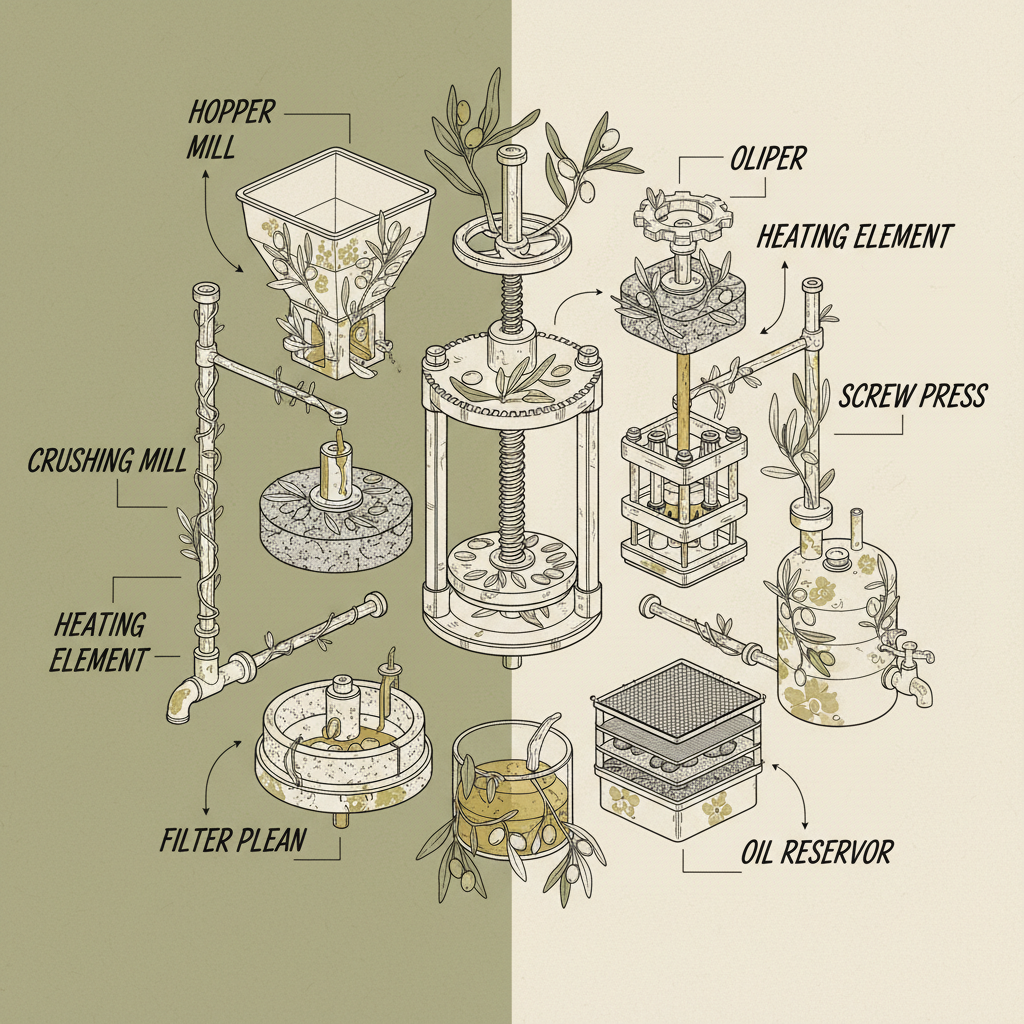
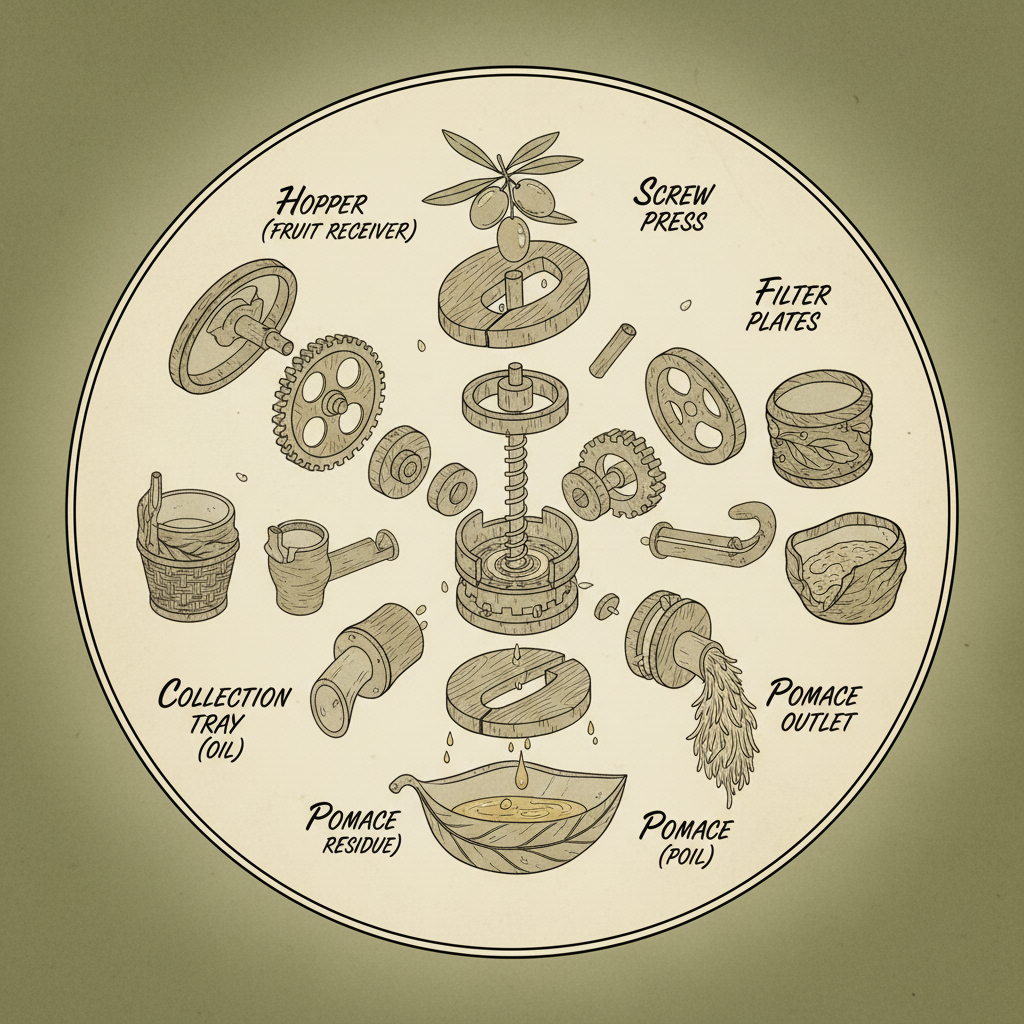
The core of any good oil pressing machine, though, remains the same: the screw, the cage, and the heating elements. The screws are usually made from high-grade alloy steel - feels cold and heavy in your hand. You can tell a good screw by the way it’s polished; smooth as glass, no burrs. The cage, that’s often stainless steel, though some cheaper ones use carbon steel. You can smell the difference, carbon steel has that metallic tang, almost like blood, strangely enough. And the heating elements… well, those are either electric or they use an oil jacket. Electric's cleaner, but the oil jacket is more efficient when you have a consistent waste heat source.
Global Relevance of Oil Pressing Machine
To be honest, people need oil. Always have, always will. And while the big refineries are doing their thing, small-scale oil pressing is crucial in a lot of places – rural communities, developing countries. The UN estimates that around 70% of edible oil in some African nations is produced by small-scale, manual or semi-automatic presses. It's about food security, local economies… it's bigger than just a machine.
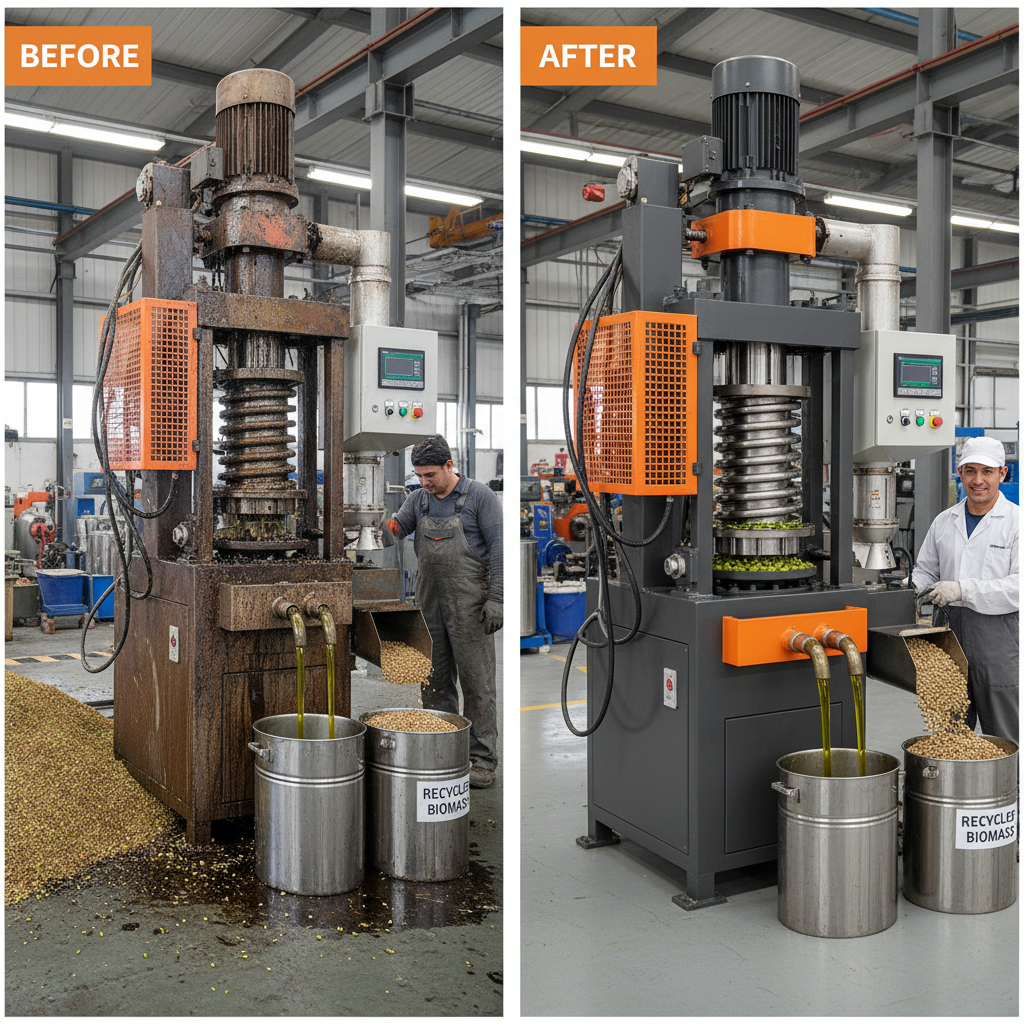
I encountered a situation at a small factory in India last time where they were using an old, inefficient press. They were losing almost 20% of their oil to waste. That's a massive hit to their profits, and it also means more environmental impact. Upgrading to a more efficient oil pressing machine wasn't just about making more money; it was about sustainability, too.
Defining the Oil Pressing Machine
Basically, an oil pressing machine takes seeds, nuts, or fruits and physically squeezes out the oil. No chemicals, no complicated processes. It’s a pretty straightforward concept, really. But the engineering… that’s where it gets tricky. Different designs – screw presses, hydraulic presses, expellers – each have their pros and cons.
It’s connected to modern industry because it’s constantly evolving. We’re seeing more automated systems, better filtration techniques, and more efficient energy usage. And in terms of humanitarian needs, a reliable oil pressing machine can be a lifeline for communities that depend on locally sourced oil for food and income.
Anyway, I think its influence extends beyond just food. Biofuels, cosmetics, even certain types of lubricants… they all rely on oil extracted using these machines.
Core Components & Key Factors
Durability is huge. These machines are often used in harsh environments, so they need to be built to last. Good quality steel, robust bearings, and a solid frame are essential. Scalability is also important. A small farmer might only need a machine that can process a few tons of seed per day, while a larger operation will need something much more powerful.
Cost efficiency is obvious. The machine needs to be affordable, but also reliable enough to minimize downtime and repairs. Then there's energy efficiency. A machine that uses a lot of electricity is going to eat into profits quickly. And finally, ease of maintenance. If it’s a pain to clean and repair, people just won't use it.
Have you noticed how many manufacturers skimp on the control panel? A user-friendly interface, clear displays, and easy-to-adjust settings make a huge difference. I saw one machine where you had to cycle through a dozen menus just to change the pressing temperature. It was ridiculous!
Strangely enough, filtration is often overlooked. You can squeeze all the oil you want, but if you can’t filter out the solids, you’re left with a murky product. A good filtration system makes all the difference in the quality of the final oil.
Global Applications & Use Cases
In post-disaster relief operations, portable oil pressing machines can provide a vital source of nutrition. In remote industrial zones, where access to refined oil is limited, these machines can support local businesses. They're common in Africa for processing peanuts, sunflower seeds, and palm kernels.
I worked with a cooperative in Brazil a few years back that was using oil pressing machines to process cashew nuts. They were selling the oil locally and using the cashew cake as animal feed. It was a completely self-sufficient system.
You also see them used in small-scale biodiesel production. A guy in California was using a repurposed oil pressing machine to convert waste vegetable oil into fuel for his truck. Wild, right?
Oil Pressing Machine Efficiency by Method
Advantages & Long-Term Value
The biggest advantage is obviously independence. You’re not reliant on outside suppliers for your oil. It’s cost-effective in the long run, especially if you have a consistent supply of seeds. And it’s sustainable – you’re reducing transportation costs and supporting local agriculture.
But it’s not all sunshine and roses. Maintenance is a factor. These machines require regular cleaning and lubrication. And the oil cake – the leftover solids – needs to be disposed of properly. It can be used as animal feed, but you need to store it correctly to prevent spoilage.
Future Trends & Innovations
I’m seeing a lot of interest in automated oil pressing systems. Machines that can automatically feed seeds, adjust pressing parameters, and filter the oil. It’s all about increasing efficiency and reducing labor costs.
There’s also a push towards more energy-efficient designs. Using variable frequency drives to control motor speed, incorporating heat recovery systems… little things that add up over time. And, of course, everyone’s talking about using AI to optimize pressing parameters based on seed quality.
Anyway, I think we'll see more focus on sustainable materials too – biodegradable plastics for certain components, maybe even using recycled materials in the frame.
Challenges & Solutions
One of the biggest challenges is dealing with different seed varieties. As I said before, a machine that works well for sunflower seeds might not work for rapeseed. The solution? More versatile screw designs, adjustable pressing chambers, and intelligent control systems that can adapt to different seed characteristics.
Another problem is maintaining consistent oil quality. Temperature control is critical. Too hot, and you’ll degrade the oil. Too cold, and you won’t extract enough. Precise temperature sensors and efficient cooling systems are essential.
Last month, a small boss in Shenzhen who makes smart home devices insisted on changing the interface to , and the result was a three-week delay because the control board supplier hadn’t anticipated that. It’s these little things…
Common Oil Pressing Machine Parameters
| Seed Type |
Pressing Temperature (°C) |
Oil Extraction Rate (%) |
Cake Moisture Content (%) |
| Sunflower Seeds |
60-80 |
65-75 |
8-12 |
| Rapeseed |
50-70 |
60-70 |
10-15 |
| Soybeans |
70-90 |
55-65 |
12-18 |
| Palm Kernel |
90-110 |
70-80 |
15-20 |
| Coconut |
80-100 |
60-70 |
18-22 |
| Peanuts |
65-85 |
50-60 |
10-15 |
FAQS
For a small farm, you'll want something compact, reliable, and easy to operate. A small-scale screw press is a good option. Look for a machine with a capacity of around 5-10 tons per day. Don’t overspend on automation if you’re just starting out. The key is to find something that's durable and requires minimal maintenance. And make sure it can handle the types of seeds you'll be processing.
That depends on a lot of factors – the type of seeds you're processing, the quality of the screw, and how well you maintain the machine. A good quality screw should last for at least 500-1000 hours of operation. Regularly inspect the screw for wear and tear. If you notice cracks or significant wear, it's time to replace it. Using it beyond its life will reduce efficiency and potentially damage the machine.
Cold pressing means extracting the oil at a low temperature – usually below 50°C. It preserves more of the oil’s natural flavor, aroma, and nutrients, but the yield is usually lower. Hot pressing uses higher temperatures, which increases the yield but can also degrade the oil's quality. It really depends on what you want to prioritize. For premium oils, cold pressing is the way to go.
Oil cake is a valuable byproduct! It's a great source of protein and can be used as animal feed. You can also compost it or use it as a fertilizer. The key is to store it properly to prevent spoilage. Keep it dry and well-ventilated. Some people even process it into oil cake pellets for easier handling and storage.
Technically, yes, but it's not ideal. Olives have a different structure than most other seeds. A dedicated olive oil press is designed specifically for that purpose. Using a standard oil pressing machine will result in lower yields and a lower quality oil. The process of olive oil extraction is a bit more nuanced than, say, sunflower seeds.
A small oil pressing machine, processing around 5-10 tons per day, typically consumes between 3-7 kilowatts of power. The exact consumption will depend on the type of machine, the seed type, and the pressing parameters. It's important to factor in the power consumption when calculating your operating costs. Look for energy-efficient models to minimize your electricity bill.
Conclusion
So, there you have it. Oil pressing machines aren’t glamorous, but they’re essential. They’re about more than just squeezing oil; they’re about food security, economic independence, and sustainable practices. From the materials they’re made of to the way they’re used, every detail matters.
Ultimately, whether this thing works or not, the worker will know the moment he tightens the screw. If it feels solid, if it runs smoothly, if the oil flows freely… then you’ve got a good machine. And if you’re looking for a reliable oil pressing machine, you know where to look.