The camellia oil expeller represents a significant advancement in efficient oil extraction, particularly relevant in a world increasingly focused on sustainable and localized food production. This technology isn't simply about obtaining oil; it's about empowering communities, reducing waste, and promoting economic independence through a readily accessible process. Understanding the nuances of the camellia oil expeller – from its mechanics to its diverse applications – is crucial for businesses, researchers, and anyone involved in the agricultural sector.
Globally, demand for high-quality, cold-pressed oils is rising, driven by consumer health consciousness and a desire for authentic food sources. The camellia oil expeller addresses this demand by providing a method to produce pure camellia oil directly at the point of origin, minimizing transportation costs and preserving the oil’s valuable nutrients. Its adaptability makes it valuable in diverse climates and agricultural settings.
From small-scale family farms to larger industrial operations, the camellia oil expeller provides a versatile solution for oilseed processing. This technology fosters economic opportunities, particularly in regions where access to modern oil processing facilities is limited. Its relatively simple operation and maintenance also contribute to its widespread appeal and increasing adoption worldwide.
The Fundamentals of camellia oil expeller
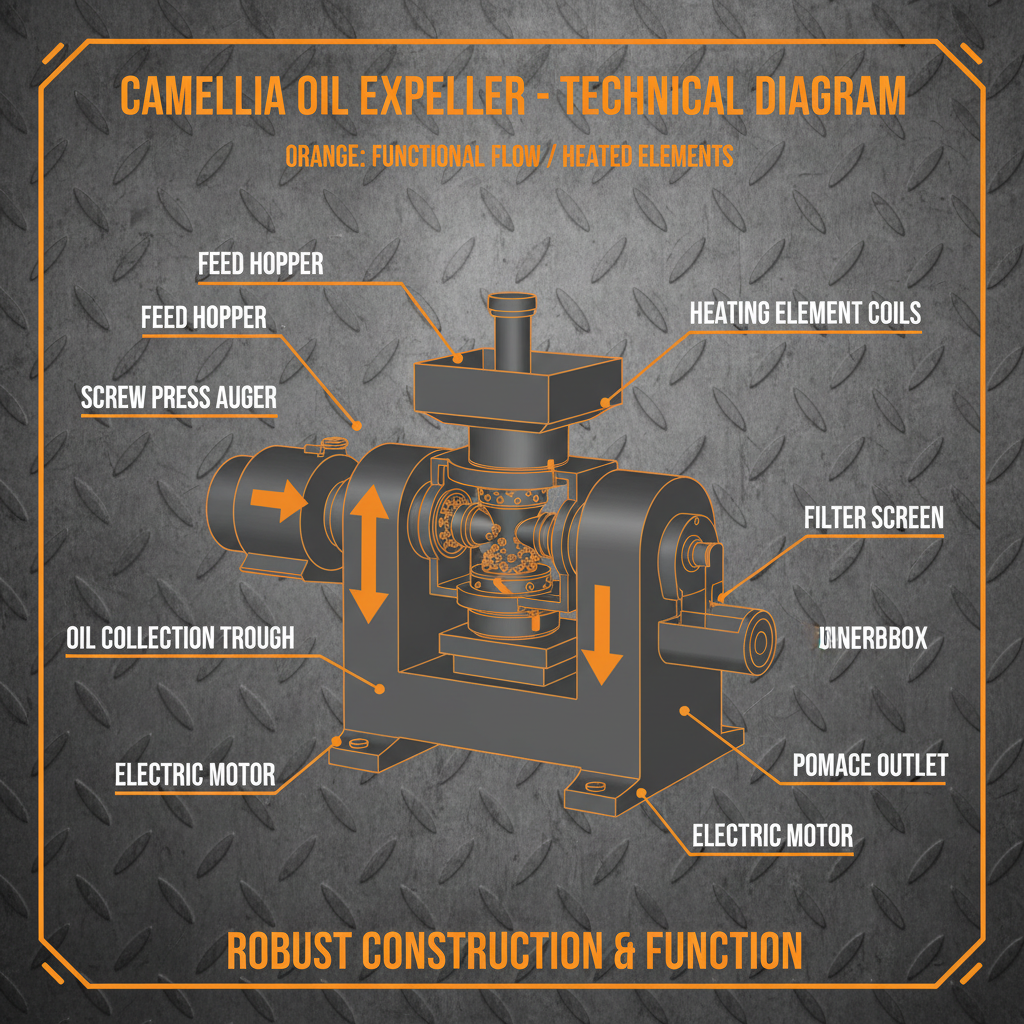
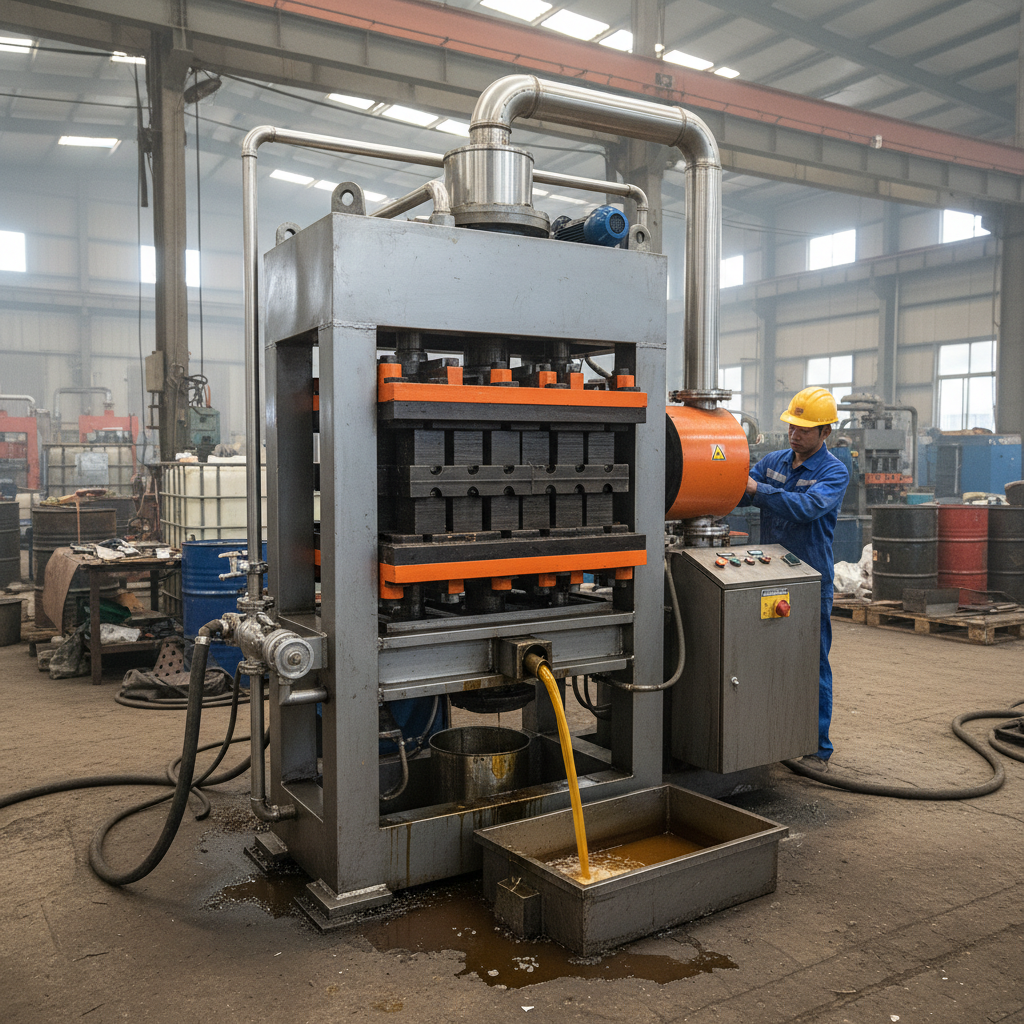
At its core, a camellia oil expeller is a mechanical device designed to extract oil from camellia seeds through pressure. Unlike chemical extraction methods, expelling relies on physical force, resulting in a cleaner, more natural oil. This process preserves the nutritional value and distinct flavor profile of camellia oil, making it highly sought after in culinary and cosmetic applications. camellia oil expeller utilizes a screw press mechanism to efficiently separate the oil from the seed material.
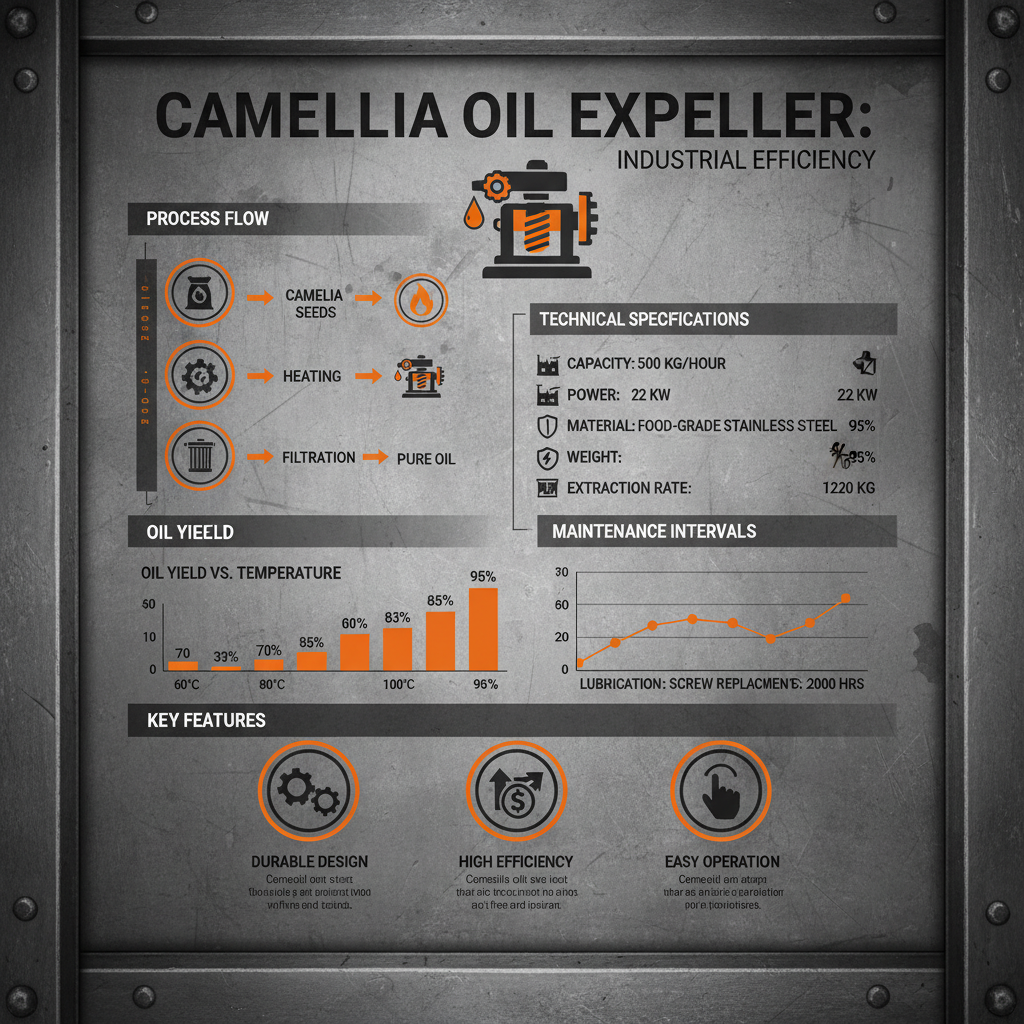
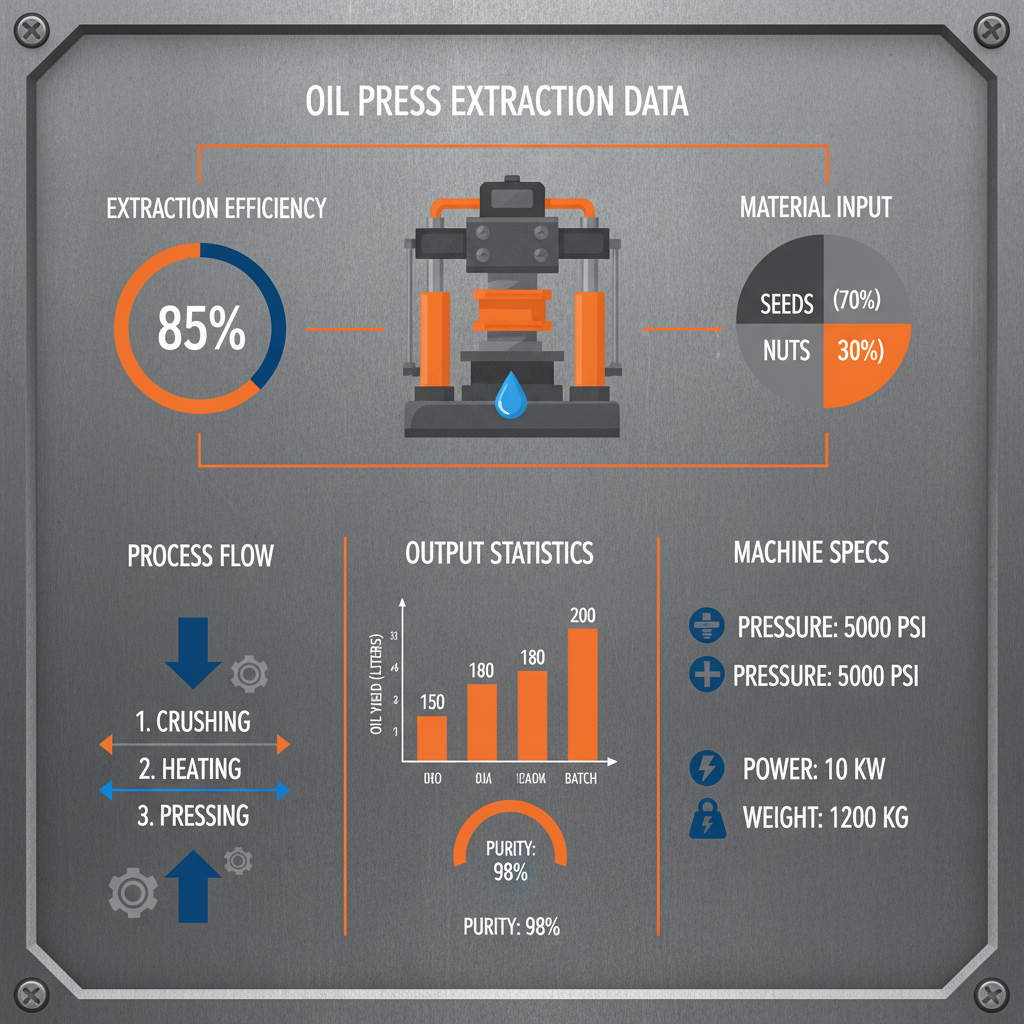
The efficiency of a camellia oil expeller is influenced by several factors, including seed quality, moisture content, and the pressure applied during extraction. Modern expellers often incorporate temperature control features to optimize oil yield and prevent degradation of sensitive compounds. This makes them a reliable and consistent method for producing high-quality camellia oil.
Global Relevance and Industry Context
The global market for edible oils is vast and continually expanding, with camellia oil holding a significant, and growing, niche. Data from the FAO (Food and Agriculture Organization of the United Nations) indicates increasing demand for specialty oils driven by health-conscious consumers. Camellia oil, rich in oleic acid, is increasingly recognized for its cardiovascular benefits. The rising prevalence of heart disease worldwide fuels the demand for healthier oil options, positioning camellia oil for substantial growth.
However, the traditional production of camellia oil often involves labor-intensive methods with limited scalability. The camellia oil expeller addresses this challenge by offering a mechanized solution that dramatically increases production capacity. This is particularly critical in regions like China, Japan, and Korea, where camellia cultivation has a long history but modern processing infrastructure has been lacking.
A key challenge remains the need for standardization in camellia oil production. Varying seed quality and extraction techniques can lead to inconsistencies in oil characteristics. Implementing quality control measures and promoting the use of certified expellers are crucial steps toward establishing a globally recognized standard for camellia oil, ensuring consumer trust and driving market expansion.
Defining the camellia oil expeller
A camellia oil expeller is a machine specifically engineered for the mechanical extraction of oil from camellia seeds. It differs from other oil extraction methods, such as solvent extraction, in that it relies entirely on physical pressure to separate the oil. This process avoids the use of harsh chemicals, resulting in a purer, more natural oil product.
The connection to modern industry stems from the increasing demand for sustainably produced, high-quality oils. Consumers are actively seeking healthier alternatives and are willing to pay a premium for oils that are free from chemical residues. Camellia oil expellers empower local producers to meet this demand directly, fostering a more localized and resilient food system.
Beyond food, camellia oil has significant applications in cosmetics and skincare due to its emollient and antioxidant properties. The expeller allows for the production of oil suitable for these applications, contributing to the growth of the natural cosmetics industry. camellia oil expeller plays a role in meeting the increasing demand for natural and sustainable cosmetic ingredients.
Core Components and Operational Factors
Durability is a cornerstone of any effective camellia oil expeller. High-quality steel construction and robust design are crucial for withstanding the constant pressure and friction involved in oil extraction. This minimizes downtime and reduces maintenance costs. Scalability is another key factor; the ability to adjust production capacity based on demand is essential for meeting varying market needs.
Cost efficiency is paramount. The initial investment in a camellia oil expeller must be balanced against the long-term savings in labor and increased oil yield. Energy consumption is also a critical consideration, with more efficient models offering a lower operating cost. A critical component of any expeller is its pressing chamber, which needs to be designed for optimal oil separation.
Camellia Oil Expeller Performance Metrics
Worldwide Applications and Use Cases
In China and Japan, camellia oil expellers are being utilized by small-scale farmers to produce oil for local markets, providing a direct source of income and reducing reliance on large-scale processing plants. These expellers support the revitalization of traditional camellia cultivation areas. In Korea, the oil is valued in traditional medicine and skincare, further driving demand.
In post-disaster relief operations, portable camellia oil expellers can be deployed to provide a sustainable source of nutrition and income for affected communities. The ability to process locally grown seeds reduces the need for external aid and promotes self-sufficiency. Furthermore, in remote industrial zones where access to refined oils is limited, the camellia oil expeller offers a valuable solution for providing a reliable oil source.
Organizations focused on sustainable agriculture are incorporating camellia oil expellers into their projects to empower local communities and promote environmentally friendly farming practices. The ease of operation and minimal environmental impact align with the principles of sustainable development, creating a positive social and ecological impact.
Advantages and Long-Term Value Proposition
The most tangible benefit of utilizing a camellia oil expeller is cost reduction. By eliminating the need to purchase processed oil, producers can significantly lower their operational expenses. Moreover, the process is inherently sustainable, minimizing waste and reducing the carbon footprint associated with long-distance transportation. These expellers offer a robust return on investment, increasing profitability for producers.
From a social impact perspective, camellia oil expellers empower local communities, create employment opportunities, and promote economic independence. The production of high-quality, locally sourced oil enhances food security and contributes to overall community well-being. The process also instills a sense of pride and ownership among producers, strengthening local economies.
Future Trends and Innovation in camellia oil expeller Technology
Upcoming innovations focus on automating the expeller process, integrating digital monitoring systems for optimal performance, and exploring the use of renewable energy sources to power the machinery. These advancements aim to further reduce operating costs and environmental impact, making camellia oil production even more sustainable.
The integration of IoT (Internet of Things) sensors will allow for real-time data collection on seed quality, oil yield, and machine performance, enabling predictive maintenance and optimizing the extraction process. Developments in materials science are also leading to the creation of more durable and efficient expeller components.
Government policies promoting sustainable agriculture and supporting local food production are expected to drive the adoption of camellia oil expellers. The increasing emphasis on traceability and transparency in the food supply chain will also favor producers using localized, sustainable methods like those enabled by these expellers.
Challenges and Solutions
A common limitation is the variability in camellia seed quality. Inconsistent seed moisture content and oil content can affect extraction efficiency. Implementing standardized seed drying and storage protocols is crucial for mitigating this challenge. Another challenge is the potential for wear and tear on expeller components, requiring regular maintenance.
A solution lies in developing more robust and durable components using advanced materials. Regular maintenance schedules, coupled with remote monitoring systems that detect early signs of wear, can minimize downtime and extend the lifespan of the expeller. Training programs for local operators are also essential to ensure proper maintenance and operation.
The initial investment cost can be a barrier for some small-scale producers. Exploring financing options, such as microloans and government subsidies, can help make this technology more accessible. Furthermore, collaborative purchasing models, where multiple farmers share the cost of an expeller, can reduce the financial burden.
Camellia Oil Expeller Performance Analysis
| Expeller Model |
Oil Yield (%) |
Maintenance Frequency (Months) |
Energy Consumption (kWh) |
| Model A-100 |
85% |
6 |
15 |
| Model B-200 |
90% |
9 |
25 |
| Model C-300 |
82% |
4 |
18 |
| Model D-400 |
92% |
12 |
30 |
| Model E-500 |
88% |
8 |
22 |
| Model F-600 |
95% |
15 |
35 |
FAQS
Camellia oil expellers offer several advantages over traditional methods. They are chemical-free, preserving the oil's natural nutrients and flavor. They are more efficient, reducing waste and increasing yield. Furthermore, expellers enable localized production, reducing transportation costs and carbon footprint. They also offer greater control over oil quality, ensuring a consistent product. These factors collectively contribute to a more sustainable and cost-effective oil production process.
Regular maintenance is key to ensuring the longevity and optimal performance of a camellia oil expeller. This includes cleaning the machine after each use to remove seed residue, lubricating moving parts, and checking for wear and tear on components like the screw press and filters. The frequency of more extensive maintenance, such as replacing worn parts, typically ranges from every 6-12 months depending on usage levels.
The ideal moisture content for camellia seeds before expelling is generally between 8-12%. Seeds with too much moisture will result in lower oil yield and potentially damage the machine. Too little moisture can make the seeds brittle and difficult to process. Using a moisture meter to accurately measure seed moisture content is highly recommended to achieve the best extraction results.
The oil yield percentage from camellia seeds can vary depending on seed quality, expeller model, and operating conditions. However, a well-maintained camellia oil expeller typically achieves an oil yield of between 80% and 95%. Factors like pre-treatment of the seeds (such as drying and cleaning) can significantly influence the final oil yield.
Yes, safety is paramount when operating a camellia oil expeller. Always disconnect the power supply before performing any maintenance or cleaning. Wear appropriate personal protective equipment, including safety glasses and gloves. Ensure the machine is placed on a stable and level surface. Avoid placing hands or objects near moving parts during operation. Proper training is essential for safe and efficient operation.
Camellia oil has a wide range of applications beyond cooking. It's highly valued in the cosmetics industry for its moisturizing and antioxidant properties, used in skincare products like lotions, creams, and hair oils. It’s also used in traditional medicine for its purported health benefits and increasingly used as a lubricant in precision instruments. The versatility of camellia oil expands the market potential for expeller-produced oil.
Conclusion
The camellia oil expeller represents a powerful tool for sustainable oil production, offering a blend of efficiency, environmental responsibility, and economic empowerment. From enhancing localized food systems to driving innovation in cosmetics and traditional medicine, this technology is poised for continued growth and adoption. Its ability to yield high-quality oil, reduce waste, and support community development solidifies its importance in a world increasingly focused on sustainability.
Looking ahead, continued investment in research and development, coupled with supportive government policies, will further unlock the potential of camellia oil expellers. By embracing automation, digital monitoring, and renewable energy sources, we can create a more resilient and equitable oil production system that benefits both producers and consumers. Visit our website at www.oilmillchina.com to learn more about our range of camellia oil expellers and how they can transform your oil production process.