The efficient extraction of oil from seeds and nuts is a cornerstone of global food production and industrial processes. From the sunflower oil on our tables to the biodiesel powering vehicles, the technology behind squeezing oil press plays a vital role. Understanding the nuances of squeezing oil press, its applications, and its evolution is crucial for professionals in agriculture, engineering, and sustainable energy, as well as for those seeking innovative solutions to food security and resource management.
Globally, the demand for vegetable oils is continually rising, fueled by population growth, changing dietary habits, and the increasing use of oils in industrial applications. This demand places significant pressure on existing oilseed production and extraction methods. The squeezing oil press provides a viable and often sustainable solution, particularly in smaller-scale operations and regions where access to large-scale refining facilities is limited. Addressing challenges like efficiency, cost-effectiveness, and environmental impact is paramount.
The squeezing oil press represents a critical technology that impacts economies worldwide. Innovations in this field directly affect the availability of essential food products, the development of renewable energy sources, and the sustainability of agricultural practices. A comprehensive grasp of the squeezing oil press enables us to address pressing global challenges efficiently and responsibly.
The Significance of Squeezing Oil Press
The squeezing oil press is more than just a machine; it's a fundamental element in the supply chain of numerous essential commodities. Its importance stems from its ability to extract oil from various sources – seeds, nuts, and even fruits – with a relatively simple and robust process. This makes it accessible to both large-scale industrial operations and smallholder farmers in developing nations.
The rise of sustainable practices has further highlighted the value of the squeezing oil press. Its ability to operate independently of complex refining infrastructure allows for localized production, reducing transportation costs and environmental impact. This is particularly crucial in areas where access to refined oils is limited, fostering self-sufficiency and economic empowerment.
Defining the Squeezing Oil Press
A squeezing oil press is a mechanical device designed to extract oil from oil-bearing materials by applying pressure. This process, often referred to as expelling, physically compresses the material, causing the oil to separate from the solid residue (oilcake or meal). Unlike solvent extraction, which utilizes chemical solvents, the squeezing oil press relies solely on mechanical force, resulting in a purer oil product.
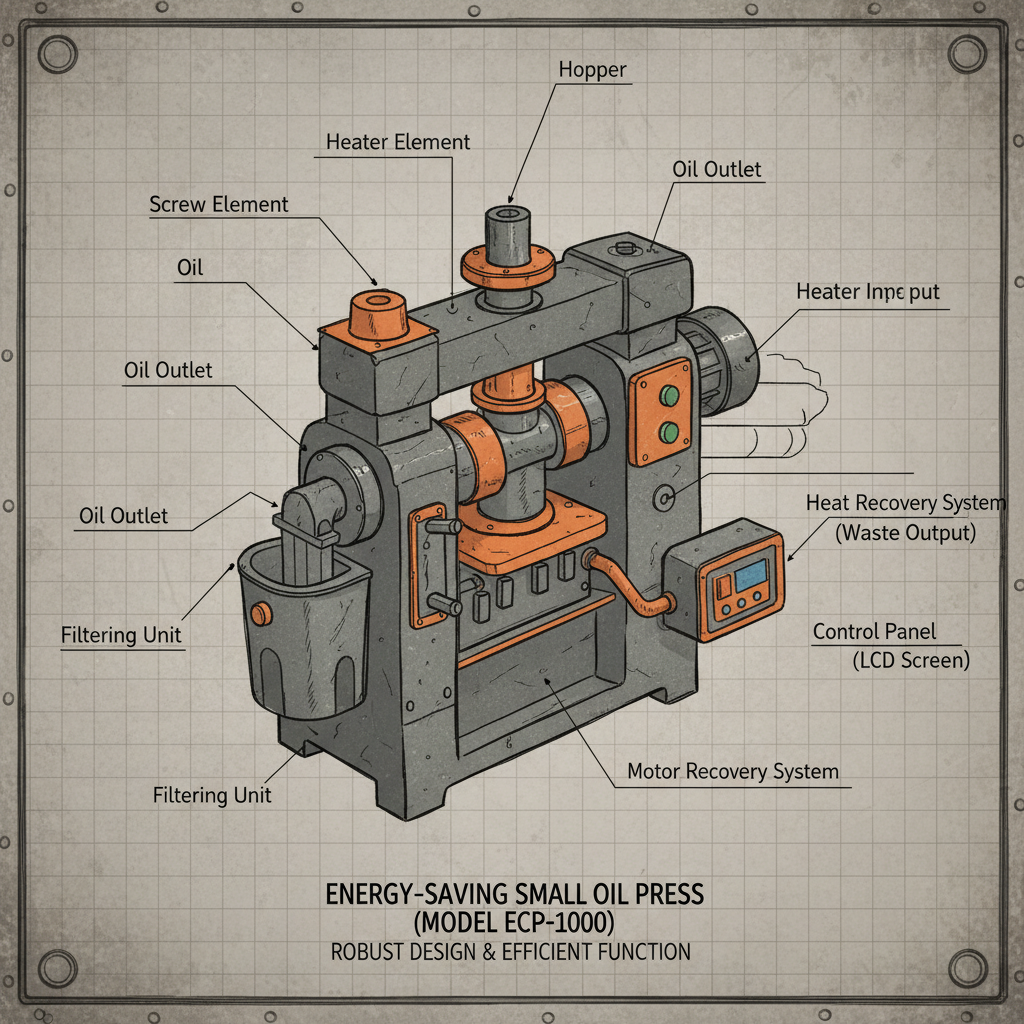
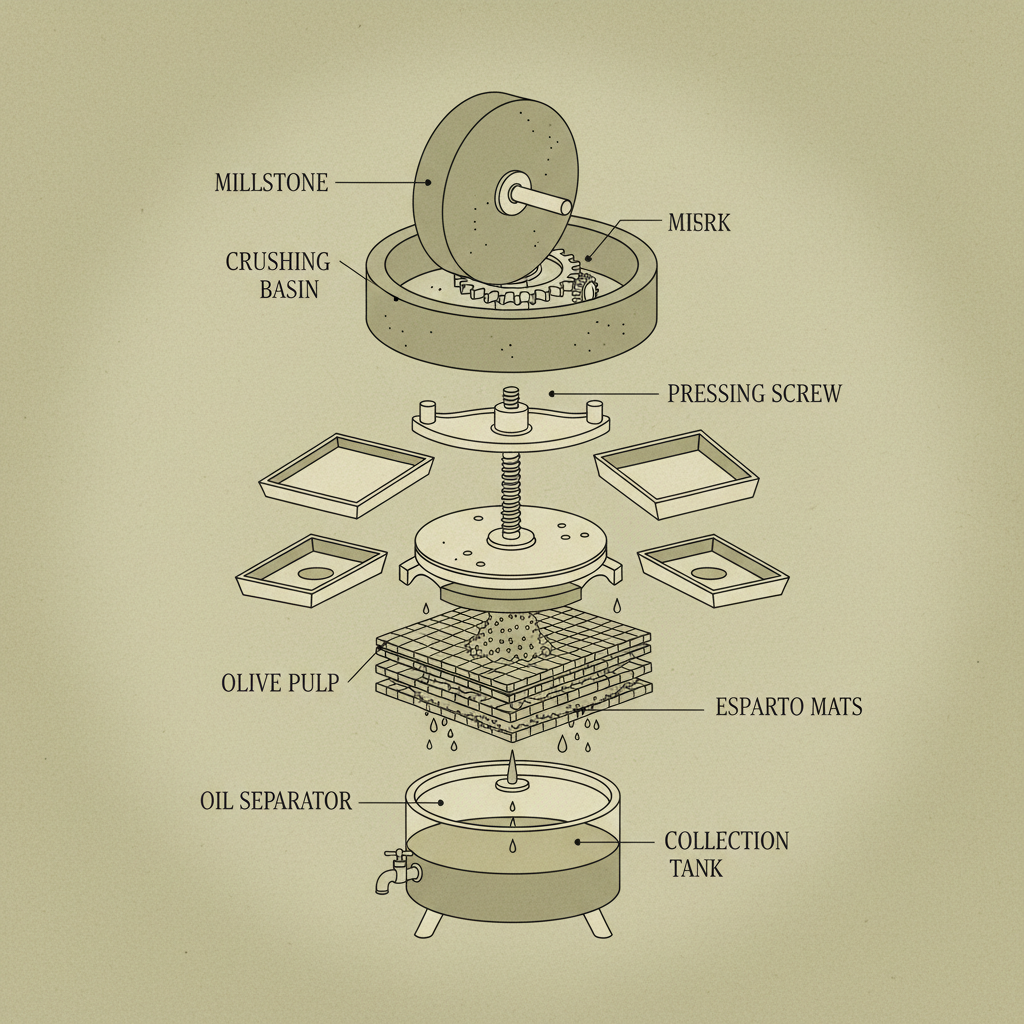
This technology has deep roots in history, with rudimentary versions used for centuries. However, modern squeezing oil press have undergone significant advancements in design and efficiency. These advancements include improved screw mechanisms, temperature control systems, and automated feeding mechanisms, enhancing both oil yield and operational convenience.
The connection to modern industry extends beyond food production. The oilcake produced as a byproduct of the squeezing process is often a valuable protein-rich animal feed. Furthermore, the efficiency of the squeezing oil press is becoming increasingly important in the production of biodiesel, contributing to the growing demand for renewable energy sources.
Key Components and Operational Factors
Several key factors contribute to the effectiveness of a squeezing oil press. The design of the screw or pressing chamber is paramount, as it dictates the level of pressure applied and the efficiency of oil separation. Materials used in construction, such as hardened steel, must be durable enough to withstand the immense forces involved in the process. squeezing oil press quality is critical.
Operational factors also play a significant role. Pre-treatment of the oil-bearing material – including cleaning, drying, and sometimes pre-heating – is essential to optimize oil yield. Precise control of pressing speed, temperature, and pressure are vital for achieving desired results. Regular maintenance and timely replacement of worn parts are crucial for long-term performance and reliability.
Furthermore, the type of oilseed or nut being processed directly impacts the optimal settings and performance of the squeezing oil press. Different materials have varying oil content, moisture levels, and physical properties, necessitating adjustments to the pressing parameters to maximize efficiency.
Performance Metrics in Squeezing Oil Press Technology
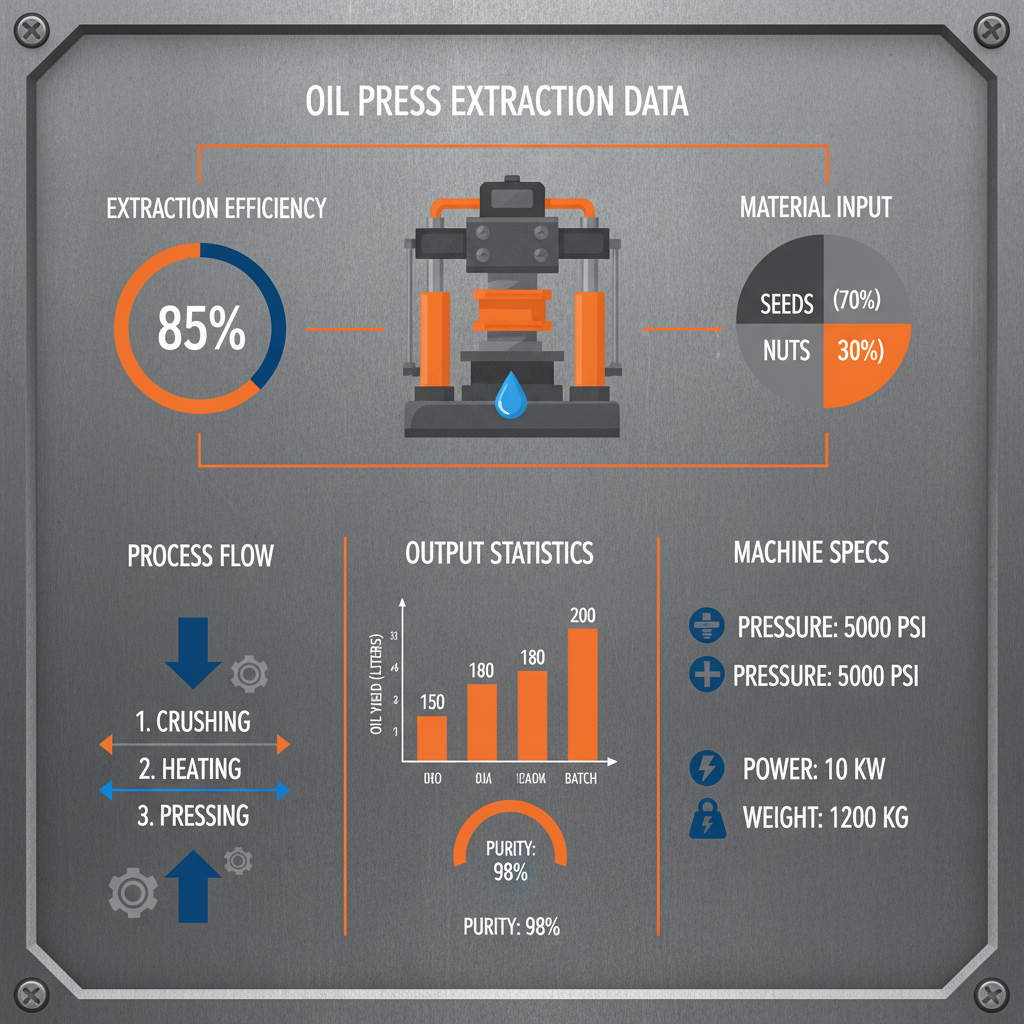
Evaluating the performance of a squeezing oil press requires analyzing several key metrics. Oil yield, expressed as a percentage of oil extracted from the input material, is a primary indicator of efficiency. Residual oil content in the oilcake is another crucial parameter, indicating how thoroughly the oil has been extracted.
Energy consumption per unit of oil produced is a significant factor, particularly in assessing the sustainability and cost-effectiveness of the process. Throughput capacity, or the amount of material processed per hour, determines the scalability of the operation.
Comparative Performance of Squeezing Oil Press Methods
Global Applications and Regional Impact
The applications of squeezing oil press are widespread and diverse. In developing nations, small-scale operations provide a vital source of income for farmers, enabling them to process their own crops and sell the oil locally. This localized production reduces reliance on imported oils and promotes economic independence.
In industrialized countries, larger-scale squeezing oil press facilities serve as integral components of the food processing industry, supplying high-quality vegetable oils for a variety of applications. Furthermore, the increasing demand for biodiesel is driving the adoption of squeezing oil press in the renewable energy sector.
Advantages and Long-Term Sustainability
The advantages of utilizing squeezing oil press are multifaceted. Environmentally, the absence of chemical solvents makes it a cleaner process compared to solvent extraction. Economically, the relatively low capital investment and operational costs make it accessible to a wider range of users. The resulting oilcake also presents a valuable co-product, enhancing the overall profitability of the operation.
Long-term sustainability is a significant benefit. By promoting localized production, reducing transportation needs, and utilizing a renewable resource, the squeezing oil press contributes to a more resilient and environmentally responsible food system. This is particularly important in the face of climate change and growing concerns about food security.
The inherent reliability and simplicity of mechanical pressing also contribute to its long-term value. Unlike more complex chemical processes, the squeezing oil press is less susceptible to breakdowns and requires less specialized maintenance, making it a dependable solution for oil extraction.
Future Trends and Technological Advancements
The future of squeezing oil press technology is poised for innovation. Developments in materials science are leading to the creation of more durable and efficient pressing components. Automation and digital control systems are enhancing operational precision and reducing labor costs.
Increased focus on energy efficiency is driving the development of new pressing techniques and designs that minimize power consumption. Integration with renewable energy sources, such as solar power, further reduces the environmental footprint of the process.
The ongoing pursuit of sustainable practices is also fueling research into new oilseed crops and improved pre-treatment methods to maximize oil yield and minimize waste. Smart sensors and data analytics will play an increasingly important role in optimizing performance and predicting maintenance needs.
Summary of Key Technological Advancements in Squeezing Oil Press
| Advancement Area |
Description |
Impact on Efficiency |
Implementation Cost |
| Automated Feed Control |
Precise metering of oilseeds into the pressing chamber. |
Increases consistency and maximizes oil yield. |
Medium |
| Improved Screw Design |
Optimized screw pitch and geometry for enhanced oil separation. |
Significant increase in oil extraction rate. |
High |
| Temperature Control Systems |
Precise regulation of pressing chamber temperature. |
Improves oil quality and reduces energy consumption. |
Medium |
| Sensor Integration & Data Analytics |
Real-time monitoring of key parameters and predictive maintenance. |
Optimizes performance and reduces downtime. |
Medium to High |
| New Material Applications |
Using more durable and wear-resistant materials for pressing components. |
Extends lifespan and reduces maintenance needs. |
High |
| Integration with Renewable Energy |
Powering the press with solar, wind, or other renewable sources. |
Reduces carbon footprint and operational costs. |
High (Initial Investment) |
FAQS
Regular maintenance is critical for ensuring the longevity and optimal performance of a squeezing oil press. This includes daily cleaning to remove oil residue, periodic lubrication of moving parts, and inspection for wear and tear on components like the screw and pressing chamber. Depending on usage, the screw may need to be replaced every few years to maintain efficient oil extraction. Following the manufacturer’s guidelines for maintenance schedules is essential.
A wide variety of oilseeds can be processed using a squeezing oil press, including sunflower seeds, rapeseed (canola), soybeans, peanuts, sesame seeds, and flaxseeds. However, the optimal settings and pre-treatment requirements will vary depending on the specific oilseed. Some seeds may require pre-heating or hulling to improve oil yield and pressing efficiency. Consult with the press manufacturer for recommendations on processing different oilseed types.
Cold-pressed oil, extracted at lower temperatures, generally retains more of the oilseed’s natural flavors, aromas, and nutrients. Hot-pressed oil, extracted at higher temperatures, typically yields a higher volume of oil but may have a slightly altered flavor profile and reduced nutrient content. The choice between cold-pressing and hot-pressing depends on the desired oil quality and processing objectives.
With proper maintenance and care, a high-quality squeezing oil press can have a lifespan of 10-20 years or even longer. Regular cleaning, lubrication, and timely replacement of worn parts are essential for maximizing the press’s lifespan. The frequency of maintenance will depend on the intensity of use and the types of oilseeds being processed. Choosing a press made from durable materials also contributes to its longevity.
Safety is paramount when operating a squeezing oil press. Ensure the press is properly grounded to prevent electrical hazards. Never operate the press with missing or damaged safety guards. Wear appropriate personal protective equipment, such as safety glasses and gloves. Keep hands and clothing away from moving parts during operation. Follow all manufacturer’s safety guidelines and receive proper training before operating the press.
The oilcake byproduct from squeezing oil press is a valuable resource and should not be treated as waste. It’s typically used as a protein-rich animal feed for livestock, poultry, or fish. In some cases, it can also be used as a fertilizer or as a feedstock for biogas production. Proper storage is essential to prevent spoilage and maintain its nutritional value.
Conclusion
In conclusion, the squeezing oil press remains a vital technology in global food production and sustainable resource management. Its ability to efficiently extract oil from a wide range of seeds and nuts, coupled with its environmental and economic advantages, makes it a compelling solution for both large-scale industrial operations and smallholder farmers. Understanding its operational factors, performance metrics, and future trends is crucial for optimizing its potential and addressing evolving challenges.
Looking ahead, continued innovation in materials science, automation, and integration with renewable energy sources will further enhance the efficiency and sustainability of squeezing oil press technology. By embracing these advancements, we can unlock even greater value from this versatile machine and contribute to a more resilient and equitable food system. For more information on high-quality squeezing oil press solutions, visit our website: www.oilmillchina.com