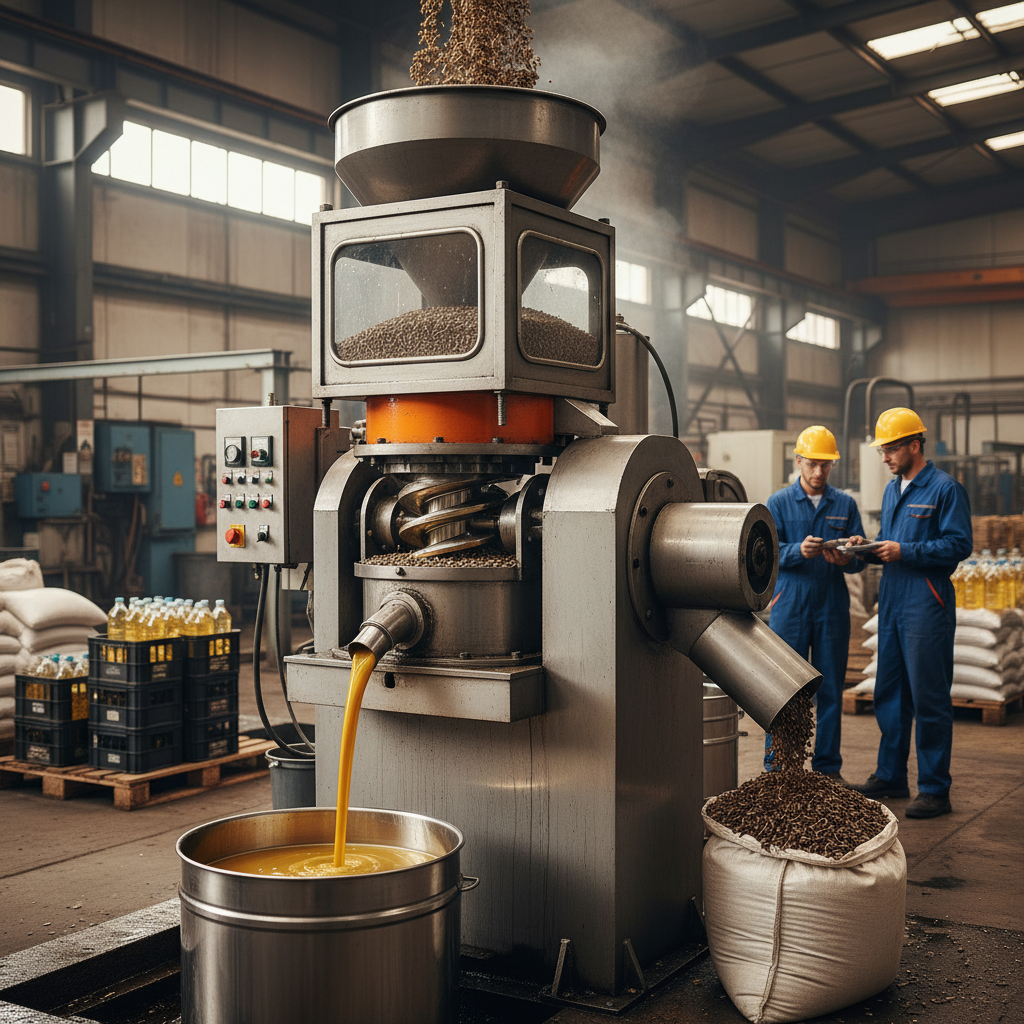
You know, these days everyone's talking about automation, right? Smart factories, IIoT… It's a lot of buzzwords, but honestly, out on the ground, it mostly means fewer guys doing the same amount of work. We’ve been seeing a big push for these fully integrated cold press oil machine lines, everything automated from seed cleaning to bottling. It's… ambitious. And expensive. But it's happening.
What’s really interesting, though, is this trend towards smaller, more modular machines. Folks are realizing massive setups aren’t always practical. Especially for smaller producers, organic farms, that kind of thing. They need something flexible, something they can adapt. We've been getting requests for machines that can handle everything from sunflower seeds to sesame, even things like walnuts. It's a challenge, I tell you.
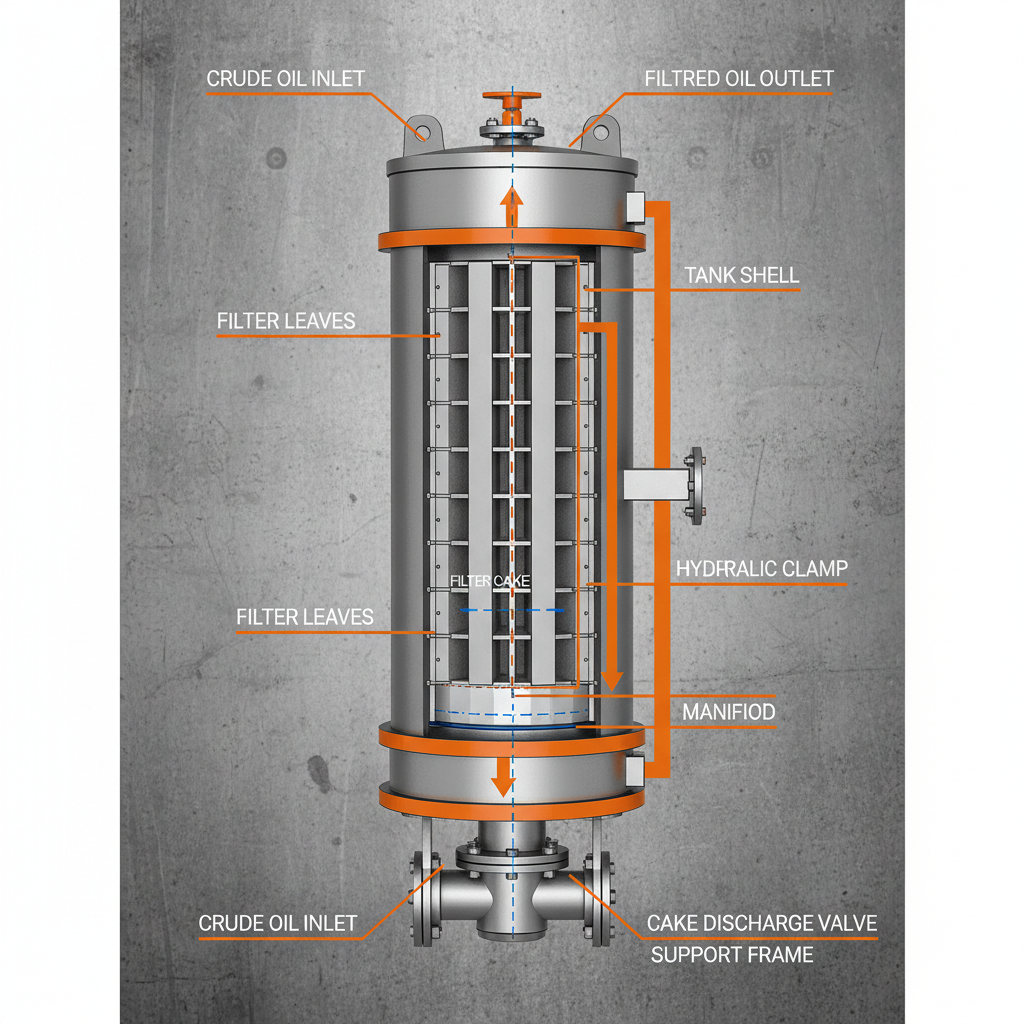
And it's not just about the machine itself. It's the whole ecosystem. Filtration, temperature control, even the packaging. Everything needs to work together seamlessly. Otherwise, you're just creating a different kind of headache.
Industry Trends and Design Pitfalls
To be honest, one thing I've noticed—and it drives me nuts—is engineers designing these machines who've never actually used them. They'll put the oil reservoir in a place that's impossible to reach for cleaning, or design a hopper that clogs constantly. Have you noticed that? It’s like they don’t think about the poor guy who has to spend eight hours a day maintaining the thing. It’s a simple thing, accessibility, but crucial.
Another trap is over-engineering. They want everything to be so precise, so automated, that it becomes brittle. A little bit of flexibility goes a long way. These machines are dealing with organic material, after all. It’s not always going to be uniform. You need a little give and take. Later… Forget it, I won’t mention it.
Materials: It's More Than Just Steel
Everyone thinks it's just about the steel, right? But it's not. The quality of the steel, sure, that matters. We use 304 stainless for everything that touches the oil – gotta have that food-grade certification. But it’s the little things. The seals, for example. We tried some cheap silicone seals last year and they cracked within weeks. Smelled like burnt rubber, too. Not good.
And then there's the casting. You want a nice, smooth finish on the pressing chamber, but if the casting is porous, the oil will get trapped, and you'll have a mess. Strangely enough, the Chinese factories have gotten really good at this. They’re doing some precision casting work that rivals anything I’ve seen in Europe.
We also pay attention to the surface treatments. A properly polished surface not only looks good but also reduces friction and makes cleaning easier. I encountered this at a factory in Shandong last time, they were using a new plasma coating that dramatically increased the lifespan of their pressing screws. It wasn't cheap, but it was worth it.
Real-World Testing – Forget the Lab
Labs are okay for basic functionality, but they don't tell you what happens when you run the machine for 12 hours straight, pumping through tons of sunflower seeds. That's when things start to heat up, literally. We do our testing on-site, in actual production facilities.
We’ll run a machine for a week, sometimes longer, under realistic conditions. We monitor temperature, pressure, oil quality, everything. And we break things. On purpose. We want to see where the weak points are before our customers do.
I swear, I’ve spent more time covered in oil and seed husks than I have in a clean shirt. But it's worth it. You learn a lot when things go wrong.
How Users Actually Use Them
This is where things get interesting. You design a machine to be used a certain way, but users… well, they’re creative. We had one customer who was using our cold press oil machine to press olives, but he kept overloading the hopper. Said he wanted to get more oil out faster. Needless to say, it didn't end well.
Another guy was using it to press chia seeds, which are tiny and dusty. He hadn't invested in a proper filtration system, so the oil was full of sediment. We had to go out there and help him troubleshoot. It’s a good reminder that you need to educate your customers, not just sell them a machine.
Cold Press Oil Machine Performance Metrics
The Good, The Bad, and The Customizable
The biggest advantage of these machines is the quality of the oil, obviously. Cold pressing preserves the nutrients and flavor in a way that traditional methods just can’t. It’s a premium product. The downside? They’re not cheap. And they require maintenance. A lot of maintenance.
But they are customizable. Last month, that small boss in Shenzhen who makes smart home devices insisted on changing the interface to , and the result was a nightmare. Everything needed a custom adapter. He wanted to be “modern”, but it created a whole new set of problems. Anyway, I think the level of customization we can offer is a big selling point. We can adapt the machine to specific seed types, output volumes, even packaging requirements.
A Customer Story: The Debacle
I told you about the guy in Shenzhen, right? He had this whole vision of integrating our cold press oil machine into his smart kitchen ecosystem. Everything controlled by an app, automated oil dispensing, the works. Seemed ambitious.
But he was dead set on using for everything. Said it was the “future.” We tried to explain that it would require a custom power supply, a custom data interface… but he wouldn’t listen. He wanted sleek, modern, minimalist. We built it, reluctantly.
Two weeks later, he was calling us, furious. The adapter was failing constantly, the app kept disconnecting, and his customers were complaining. He ended up switching back to a standard power supply and a simpler interface. Lesson learned: sometimes, sticking with what works is the best approach.
Final Thoughts: It All Comes Down to the Screw
Ultimately, whether this thing works or not, the worker will know the moment he tightens the screw. All the fancy automation, the precision engineering, the premium materials… it all comes down to whether the machine is reliable, easy to use, and produces a high-quality product.
We're constantly refining our designs, learning from our mistakes, and listening to our customers. Because at the end of the day, it's not about building the most sophisticated machine; it's about building a machine that helps people make a living, and produces a good drop of oil.