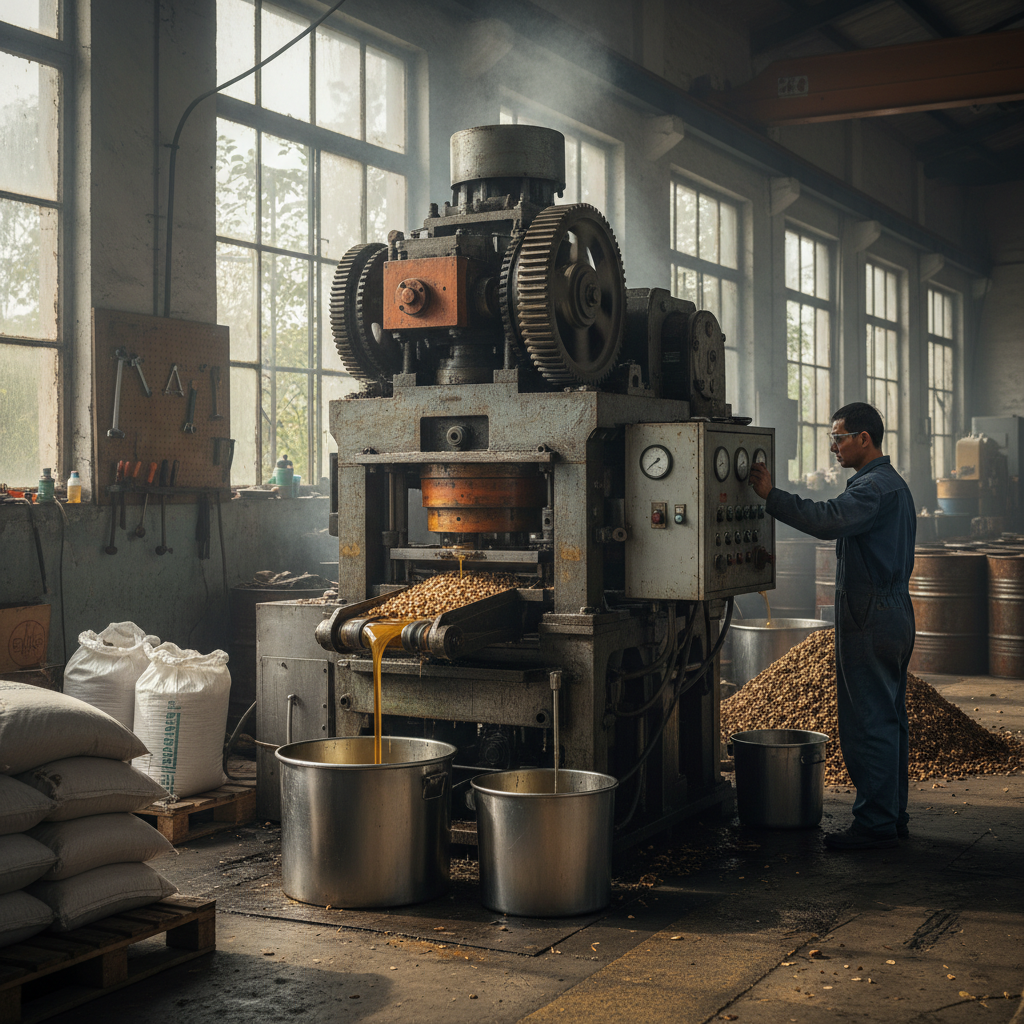
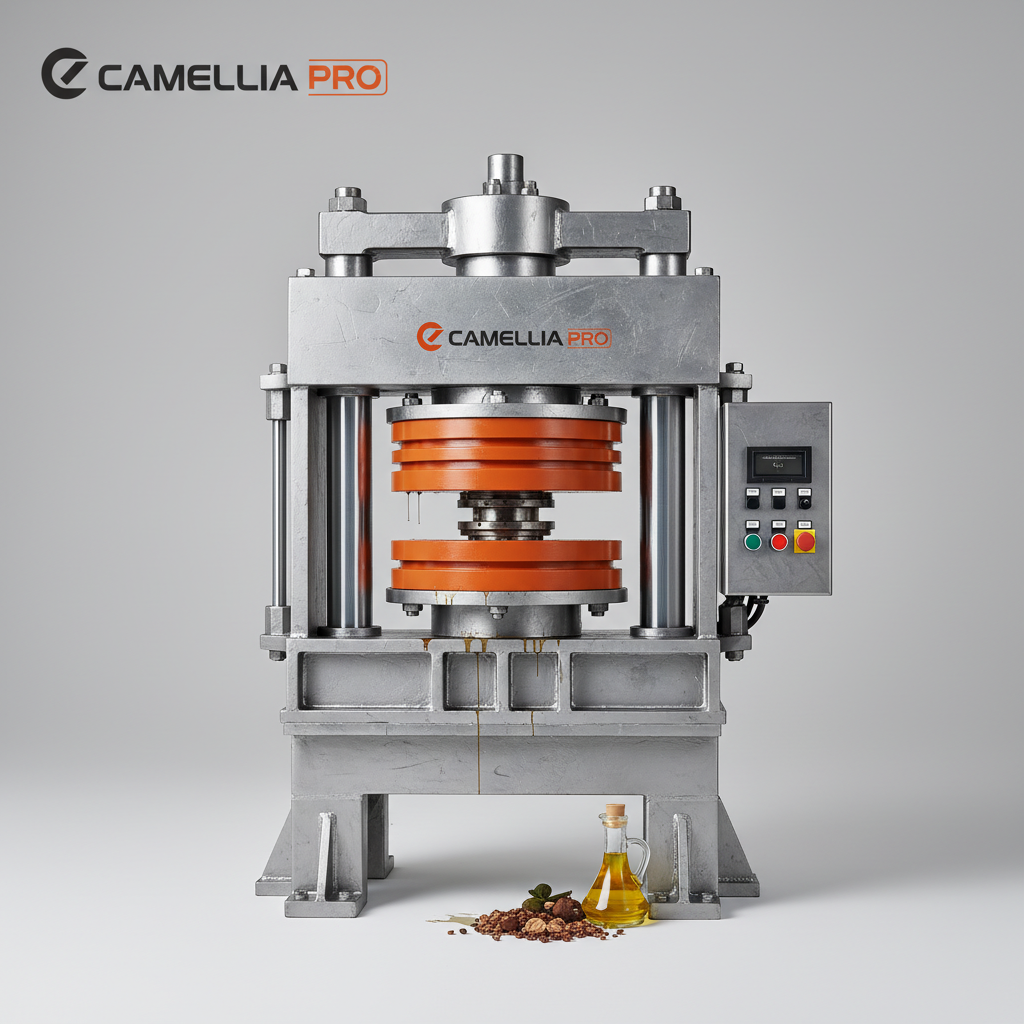
The camellia oil mill machine represents a crucial technology in the processing of camellia seeds into high-quality oil, a staple in many Asian cuisines and increasingly recognized for its health benefits worldwide. This technology impacts not only the food industry but also rural economies and sustainable agricultural practices. Understanding the nuances of these machines – from their operational principles to their modern advancements – is essential for entrepreneurs, agricultural engineers, and anyone involved in the edible oil sector. Investing in efficient and reliable camellia oil mill machines can significantly improve oil yield, reduce waste, and enhance the overall economic viability of camellia production.
Globally, the demand for healthy and natural oils is steadily increasing, driven by growing consumer awareness and a shift towards healthier lifestyles. Camellia oil, rich in oleic acid and antioxidants, fits this demand perfectly. The effectiveness of a camellia oil mill machine directly impacts the scalability of production to meet this rising demand. Furthermore, advancements in mill machine technology are contributing to reduced environmental impact and increased efficiency in resource utilization, making it a vital component of a sustainable food system.
Camellia oil mill machines address the challenges of traditional oil extraction methods, which are often labor-intensive, inefficient, and result in lower oil yields. Modern machines offer automation, precision, and scalability, making camellia oil production more competitive and accessible. The development and adoption of improved camellia oil mill machine technologies are essential for unlocking the full potential of this valuable agricultural resource and supporting economic growth in camellia-growing regions.
The Importance of Camellia Oil Mill Machines
Camellia oil mill machines are the cornerstone of efficient camellia oil production, transforming raw seeds into a valuable and sought-after commodity. Their importance extends beyond mere extraction; a well-designed machine ensures maximum oil yield, minimizes waste, and preserves the beneficial properties of the oil itself. Investing in a robust and modern camellia oil mill machine is thus crucial for both small-scale farmers and large-scale processing facilities.
The quality of the camellia oil directly correlates with the efficiency and precision of the mill machine. A superior machine can consistently produce oil that meets stringent quality standards, enhancing its market value and appeal to health-conscious consumers. This, in turn, drives profitability and supports the sustainable growth of the camellia oil industry.
Global Relevance and Market Dynamics
The global market for edible oils is substantial and continuously growing, with a significant portion dedicated to health-focused oils like camellia oil. According to the FAO (Food and Agriculture Organization of the United Nations), the global vegetable oil market is projected to reach \$59.5 billion by 2027, driven by population growth and changing dietary preferences. Camellia oil, with its unique nutritional profile, is positioned to capture a larger share of this market.
Asia, particularly China, Japan, and South Korea, remains the largest consumer of camellia oil, with a deeply rooted culinary tradition. However, increasing awareness of camellia oil’s health benefits – including its high oleic acid content and antioxidant properties – is driving demand in Western markets, including North America and Europe. This expanding global reach necessitates increased production capacity, achievable through the wider adoption of efficient camellia oil mill machines.
A significant challenge within the industry is the fluctuating price of raw camellia seeds. Efficient camellia oil mill machines can mitigate this risk by maximizing oil yield from a given quantity of seeds, thereby reducing production costs and improving profitability, even during periods of higher raw material prices. This resilience is critical for sustaining long-term growth in the camellia oil sector.
Defining the Camellia Oil Mill Machine
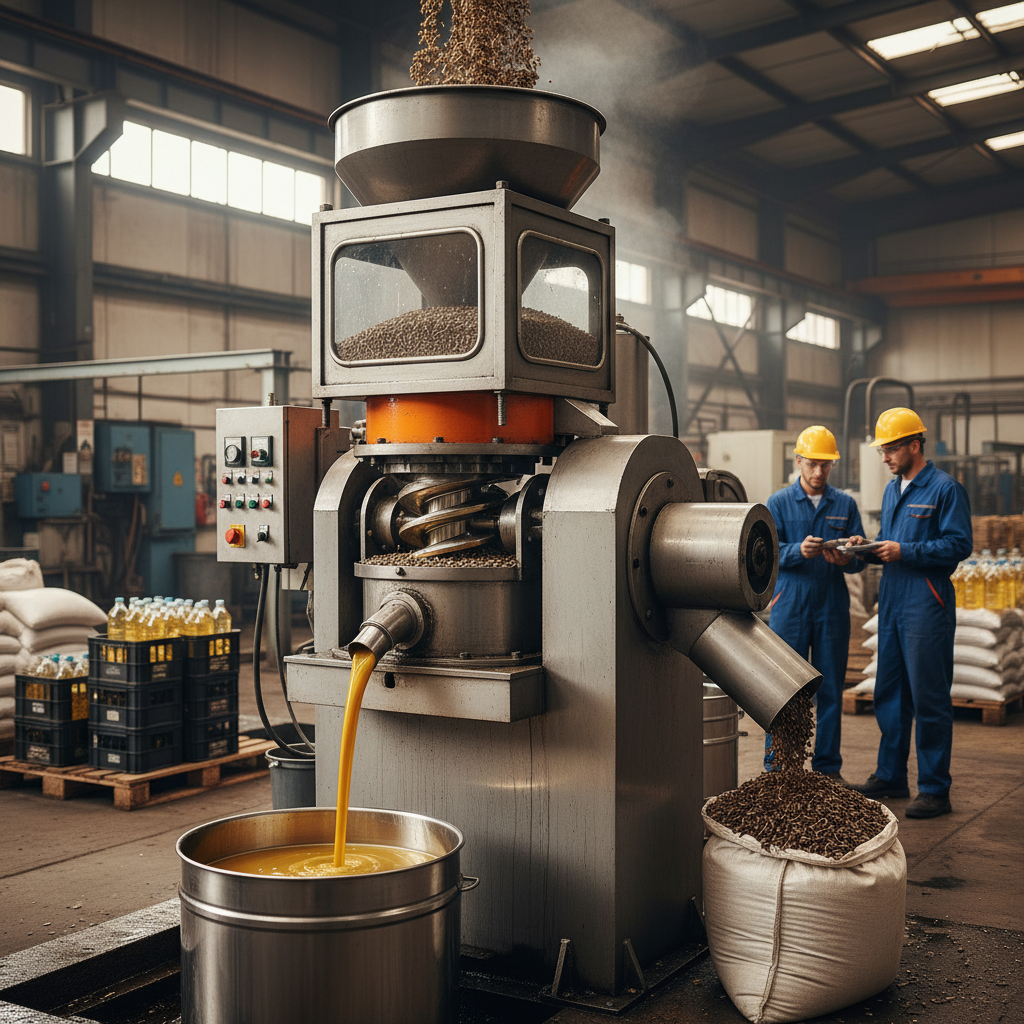
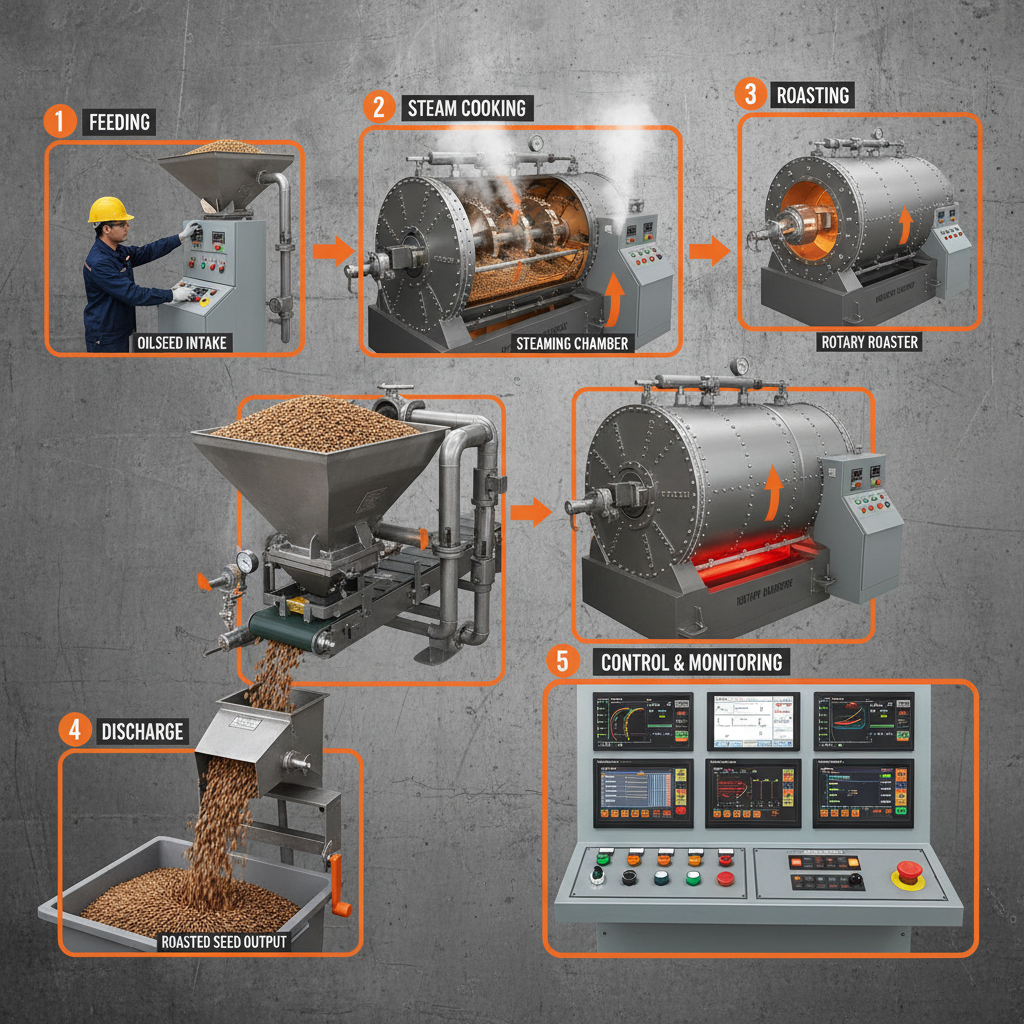
A camellia oil mill machine is a specialized piece of equipment designed to extract oil from camellia seeds. These machines typically involve a multi-stage process, starting with seed cleaning and cracking, followed by oil extraction – which can be achieved through mechanical pressing (expeller pressing) or solvent extraction – and finally, oil refining to remove impurities and enhance quality.
The core principle behind these machines is to apply pressure to the camellia seeds, causing the oil to separate from the solid kernel. Modern camellia oil mill machines are designed for optimal efficiency, utilizing advanced engineering principles to maximize oil yield while minimizing energy consumption and waste generation. They represent a significant advancement over traditional, manual oil extraction methods.
In a modern industrial context, camellia oil mill machines are integral to ensuring a consistent and high-quality supply of oil for various applications, including cooking oil, cosmetics, and pharmaceutical products. Their adoption contributes to the modernization of the agricultural sector and provides economic opportunities for camellia seed producers and processors alike.
Key Factors Influencing Machine Performance
Several key factors determine the performance and efficiency of a camellia oil mill machine. These include the type of extraction method employed (mechanical pressing vs. solvent extraction), the machine’s capacity and throughput, and the level of automation incorporated into the design. The quality of the machine's components and materials directly impacts its durability and longevity.
Another crucial aspect is the precision of the machine’s controls, which influence the oil yield and quality. Machines with advanced control systems can optimize the extraction process based on seed characteristics, ensuring consistent results. Additionally, energy efficiency is a critical consideration, as energy costs can significantly impact the overall profitability of camellia oil production.
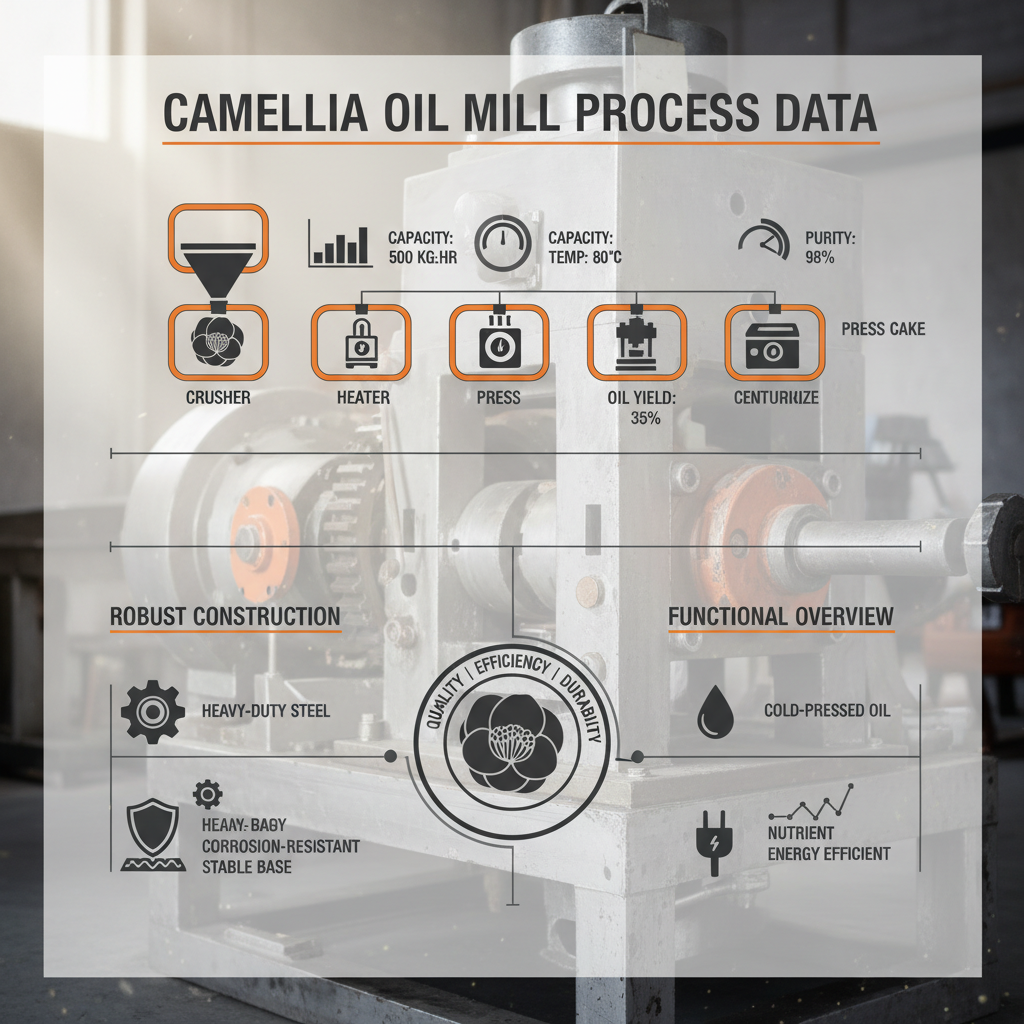
Camellia Oil Mill Machine Performance Metrics
Global Applications and Industry Use Cases
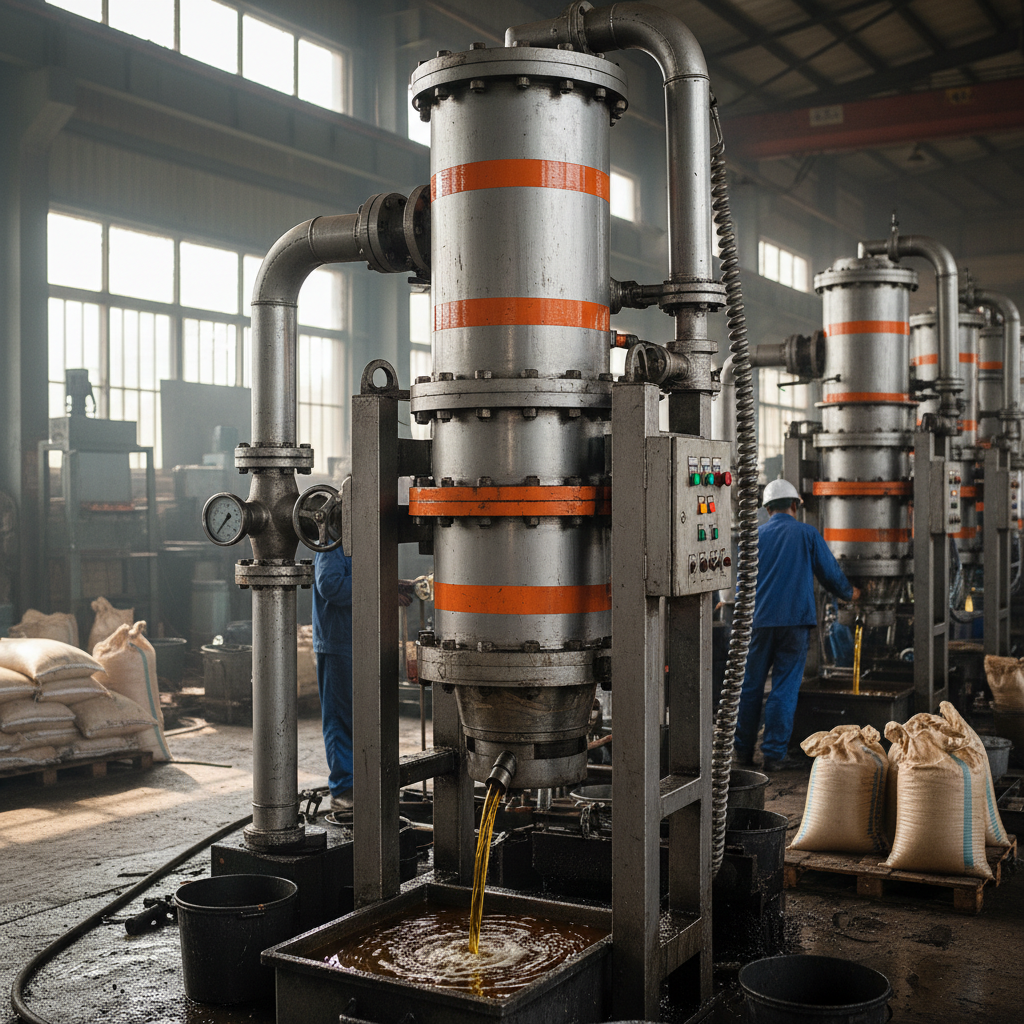
Camellia oil mill machines are utilized across a diverse range of applications, from small-scale rural operations to large-scale industrial processing facilities. In China and Japan, they are commonly found in family-owned farms, providing a local source of high-quality cooking oil. These machines enable farmers to add value to their crops and increase their income.
Larger industrial facilities employ sophisticated camellia oil mill machines to produce oil for commercial distribution, supplying food manufacturers, cosmetic companies, and pharmaceutical businesses. In remote industrial zones, these machines provide a vital infrastructure for processing locally grown camellia seeds, promoting regional economic development.
Advantages and Long-Term Value Proposition
The advantages of investing in a quality camellia oil mill machine are multifaceted. Tangible benefits include reduced production costs, increased oil yield, and improved oil quality. Sustainable practices are also facilitated, minimizing waste and optimizing resource utilization. Reliability and durability reduce downtime and maintenance costs, ensuring consistent production.
Beyond the economic benefits, camellia oil mill machines offer social and emotional value. Supporting local farmers and providing access to healthy, natural oil fosters trust and promotes community well-being. The innovation inherent in modern machine designs contributes to a positive brand image and reinforces a commitment to quality and sustainability.
Future Trends and Technological Innovations
The future of camellia oil mill machine technology is focused on automation, precision, and sustainability. Emerging trends include the integration of artificial intelligence (AI) and machine learning (ML) to optimize extraction processes and improve oil quality. The development of energy-efficient machines powered by renewable energy sources is gaining traction, reducing the environmental footprint of camellia oil production.
Digital transformation is also playing a key role, with the implementation of remote monitoring and control systems allowing operators to track machine performance and make adjustments in real-time. These advancements promise to further enhance the efficiency, reliability, and sustainability of camellia oil production.
Furthermore, research is underway to develop new extraction methods that minimize solvent usage and maximize oil yield, paving the way for even more eco-friendly and cost-effective camellia oil mill machines.
FAQS
Mechanical pressing, also known as expeller pressing, uses physical pressure to extract oil, resulting in a higher quality, but lower yield oil. Solvent extraction uses chemicals to dissolve the oil, achieving a higher yield but requiring further refining to remove residual solvent. The choice depends on desired oil quality, production scale, and cost considerations. Mechanical pressing is often preferred for producing premium, cold-pressed camellia oil.
Regular maintenance is crucial for ensuring the longevity and efficiency of a camellia oil mill machine. This includes daily cleaning of processing areas, lubrication of moving parts, periodic inspection of belts and gears, and routine checks of electrical components. More extensive maintenance, such as replacing filters and bearings, may be required annually or bi-annually, depending on usage.
With proper maintenance and operation, a high-quality camellia oil mill machine can have a lifespan of 10-20 years or even longer. The lifespan depends on factors such as the quality of materials used in construction, the frequency of use, and the adherence to recommended maintenance schedules. Investing in a durable machine from a reputable manufacturer is essential for maximizing its lifespan.
Safety is paramount. Look for machines with features such as emergency stop buttons, safety guards around moving parts, and overload protection systems. Ensure the machine complies with relevant safety standards and regulations. Proper training for operators is also essential to prevent accidents and ensure safe operation.
Energy consumption varies depending on the machine's capacity, type, and efficiency. Modern, energy-efficient machines are designed to minimize power usage through optimized motor designs and intelligent control systems. Consider machines with variable frequency drives (VFDs) to adjust motor speed and reduce energy consumption during periods of low demand.
Consider your production volume, budget, desired oil quality, and available space. Assess your seed supply and quality. Consult with manufacturers and suppliers to discuss your specific requirements and receive tailored recommendations. Consider factors like automation level, extraction method, and maintenance requirements when making your decision.
Conclusion
In conclusion, the camellia oil mill machine is an indispensable tool for unlocking the full potential of camellia seeds, contributing to a thriving industry and offering significant economic and social benefits. From maximizing oil yield and enhancing oil quality to promoting sustainable practices and supporting local communities, these machines play a vital role in the entire value chain. The choice of the right machine and proper maintenance are key to realizing these advantages.
Looking ahead, continued innovation in camellia oil mill machine technology – driven by automation, AI, and a commitment to sustainability – will further enhance efficiency, reduce environmental impact, and solidify camellia oil’s position as a premium and healthy edible oil. For more information and to explore our range of camellia oil mill machines, visit our website: www.oilmillchina.com.