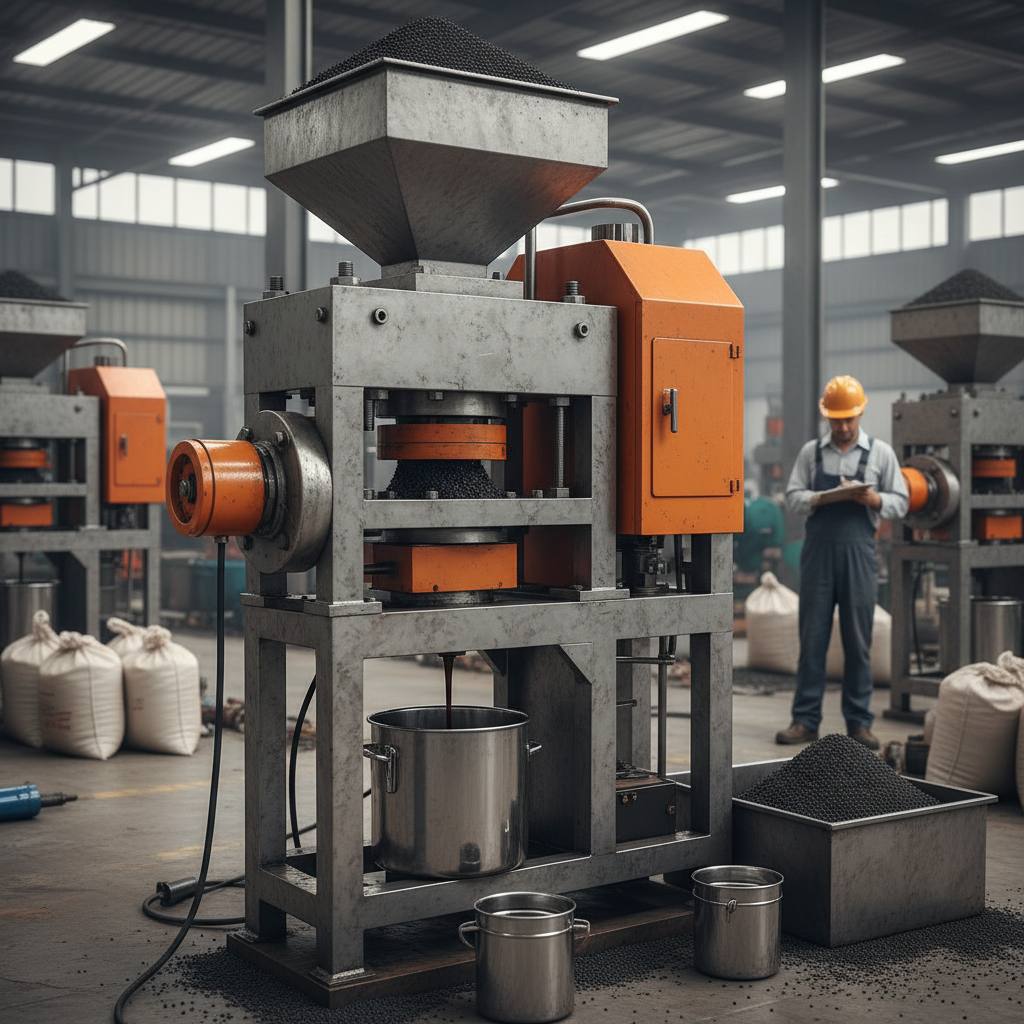
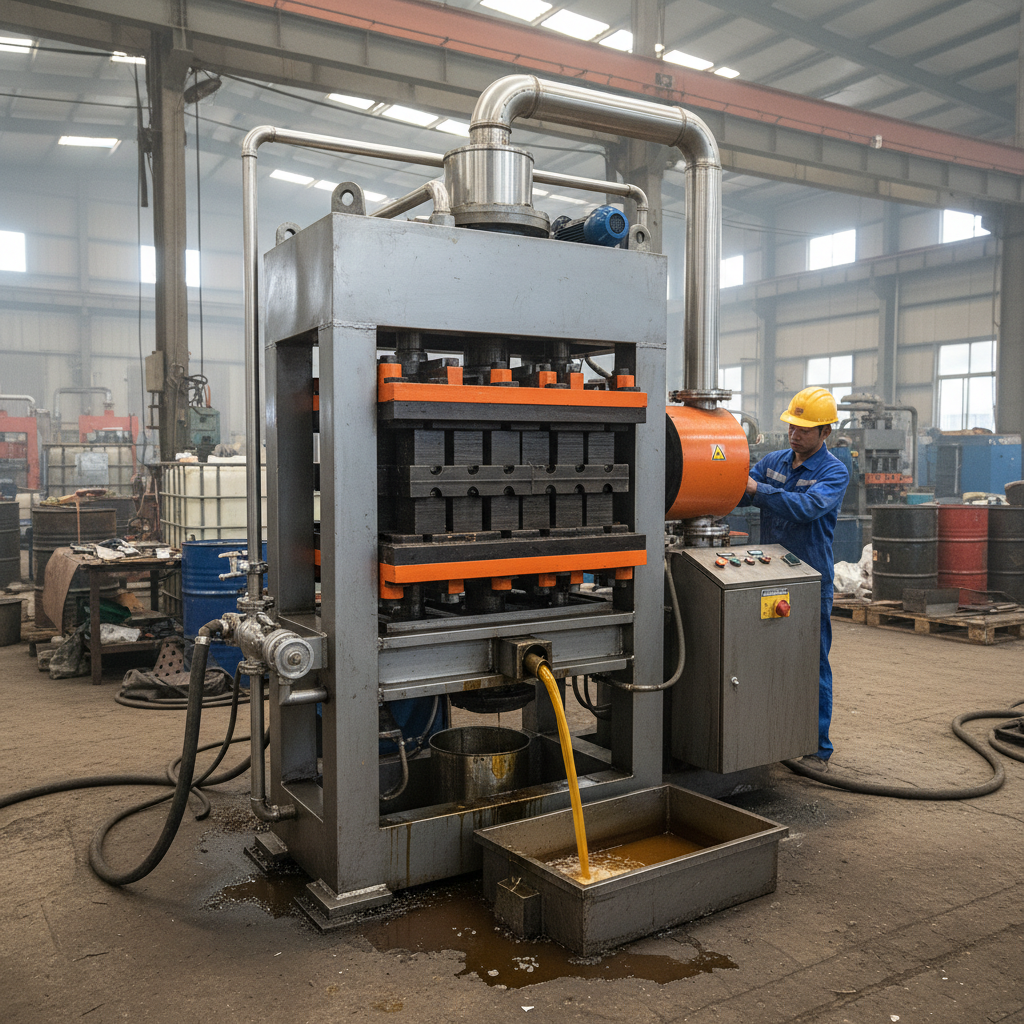
The 6yl-100 oil press machine represents a pivotal technology in the modern oil extraction industry, offering a compact and efficient solution for various seed and nut processing needs. Globally, demand for edible oils continues to rise, driven by population growth and changing dietary habits. This demand necessitates robust and reliable oil extraction methods, making machines like the 6yl-100 increasingly vital. The accessibility and relatively low operational costs of this machine are particularly relevant for small-scale farmers and businesses.
Within the agricultural sector, the 6yl-100 oil press machine fills a critical gap by providing an independent and controlled method for oil production. The United Nations reports a significant portion of global food production relies on smallholder farms, and technologies like this empower them to add value to their crops. It directly addresses the challenge of post-harvest loss and allows for local processing, reducing transportation costs and increasing profitability. This impact is amplified in developing regions where access to large-scale processing facilities is limited.
The versatility of the 6yl-100 is a key benefit. Its ability to process a wide range of seeds – from sunflower and sesame to peanuts and soybeans – makes it a valuable asset for diverse agricultural settings. The simplicity of operation, coupled with its relatively small footprint, allows for easy integration into existing farming operations and small businesses. This makes it a crucial component in localized food security and economic growth.
The Global Significance of the 6yl-100 Oil Press Machine
The 6yl-100 oil press machine is not just a piece of agricultural equipment; it's a facilitator of economic empowerment, particularly in regions where access to advanced food processing technology is limited. Its significance is growing as a response to the increasing demand for locally sourced, high-quality edible oils. The machine's compact size and ease of operation make it ideal for deployment in rural communities, fostering self-sufficiency and reducing dependence on external suppliers.
The implications extend beyond individual farms. The availability of 6yl-100 oil press machines contributes to the strengthening of local economies by creating opportunities for small businesses engaged in oilseed processing and distribution. This decentralized approach to oil production helps to stabilize local markets and reduces the environmental impact associated with long-distance transportation of raw materials and finished products.
Defining the 6yl-100 Oil Press Machine
The 6yl-100 oil press machine is a screw-type oil extraction machine designed for cold and hot pressing of various oilseeds and nuts. Its designation '6yl-100' generally refers to its capacity and model type, indicating a relatively small to medium-scale operation suitable for individual farmers, small businesses, or research institutions. It operates by applying pressure to oil-bearing materials, squeezing out the oil and leaving behind the oilcake.
Unlike larger, industrial-scale oil extraction plants, the 6yl-100 is designed for flexibility and ease of use. It typically features a simple control panel, robust construction, and relatively low energy consumption. This makes it a practical and affordable solution for producing high-quality oils directly at the source, contributing to both food security and economic development.
The machine’s core function connects directly to addressing modern industry needs and humanitarian challenges. In areas facing food insecurity, locally-produced oil provides essential nutrition. Industrially, it enables the creation of niche, high-value oils from specialized seeds, catering to growing consumer demand for organic and sustainably sourced products.
Core Components and Technical Specifications of 6yl-100
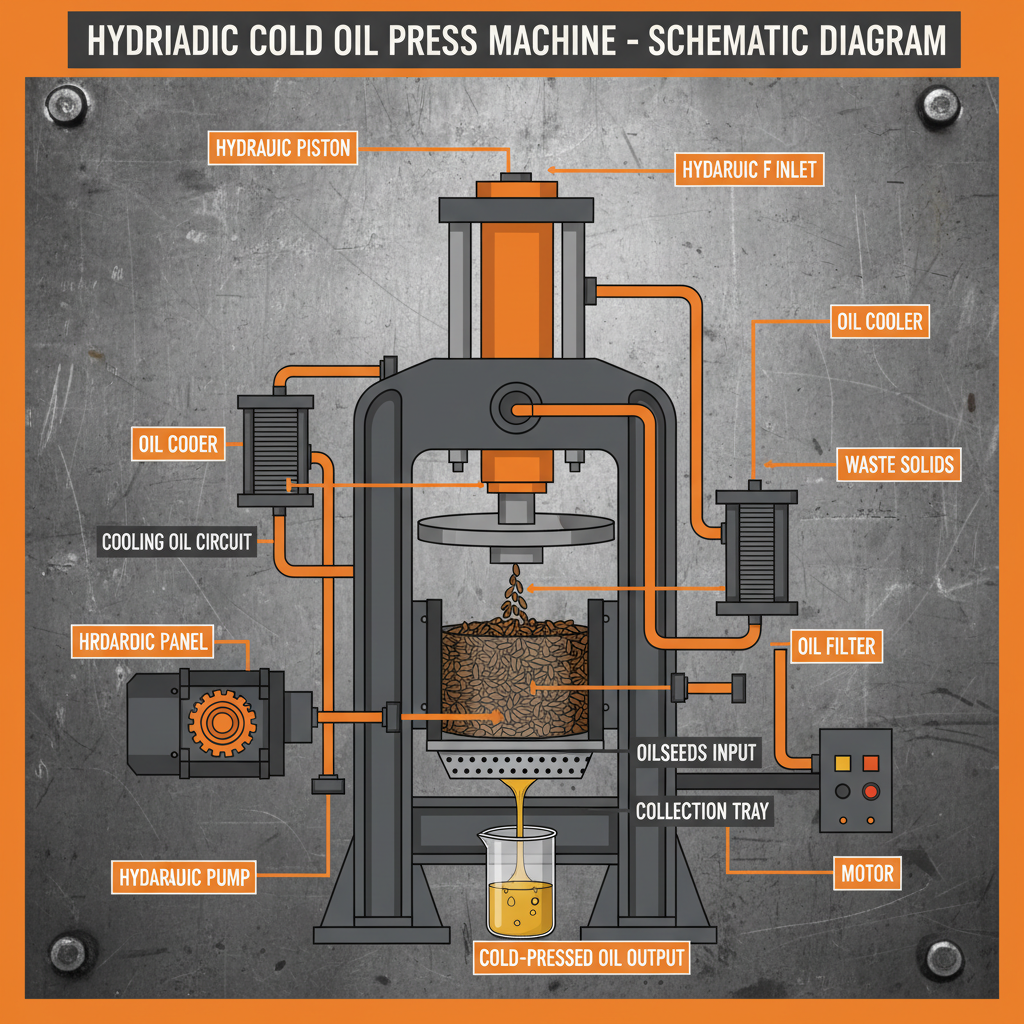
The 6yl-100 oil press machine comprises several key components working in harmony. These include the feeding hopper, the screw shaft (the core of the pressing mechanism), the filtration system, the motor, and the control panel. The screw shaft is designed with varying pitch to efficiently compress the oilseeds, while the filtration system removes impurities from the extracted oil. The motor provides the necessary power for the pressing operation.
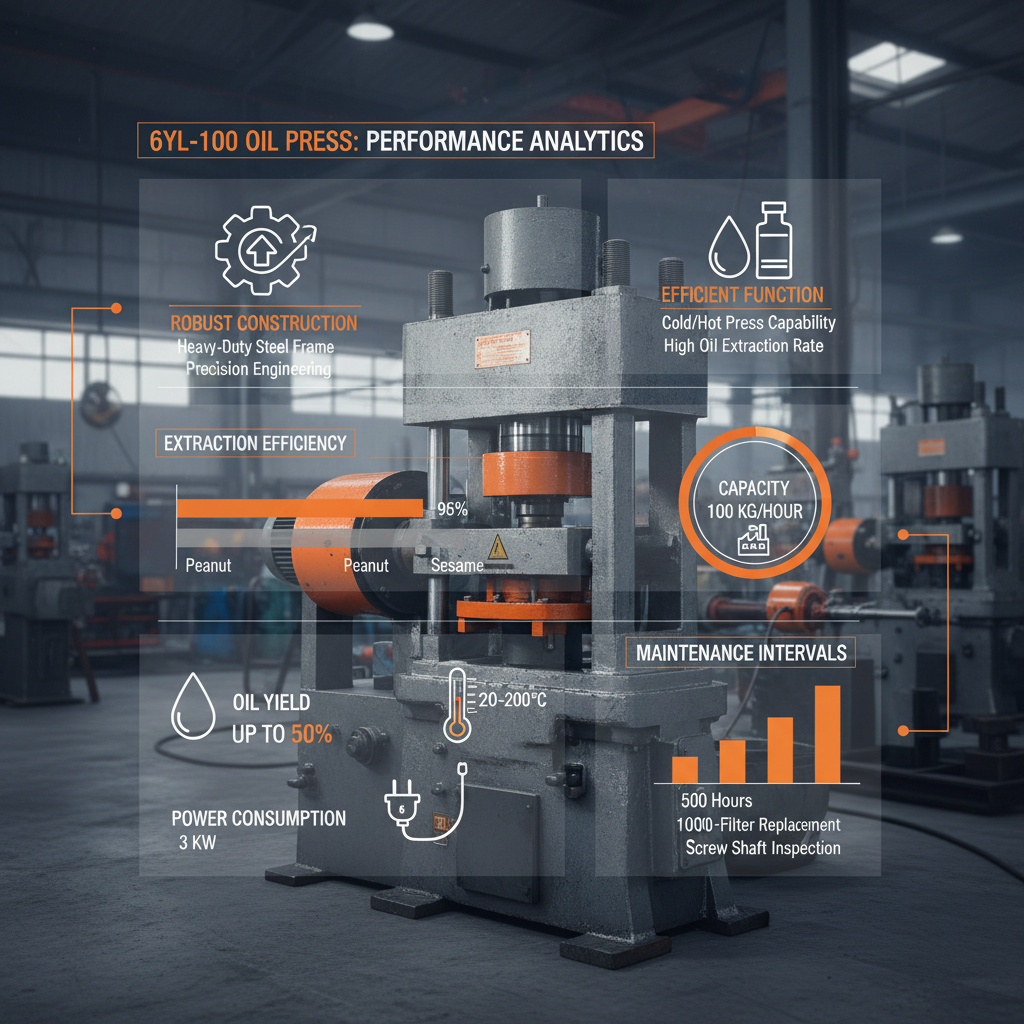
Typical technical specifications include a processing capacity of approximately 5-10 kg per hour (depending on the seed type), a motor power of around 2.2 kW, and dimensions that allow for relatively easy installation in various settings. The machine generally supports a wide range of oilseeds including soybean, sunflower, rapeseed, peanut, sesame, and flaxseed. Residual oil content in the oilcake typically ranges from 5-7%, indicating efficient oil extraction.
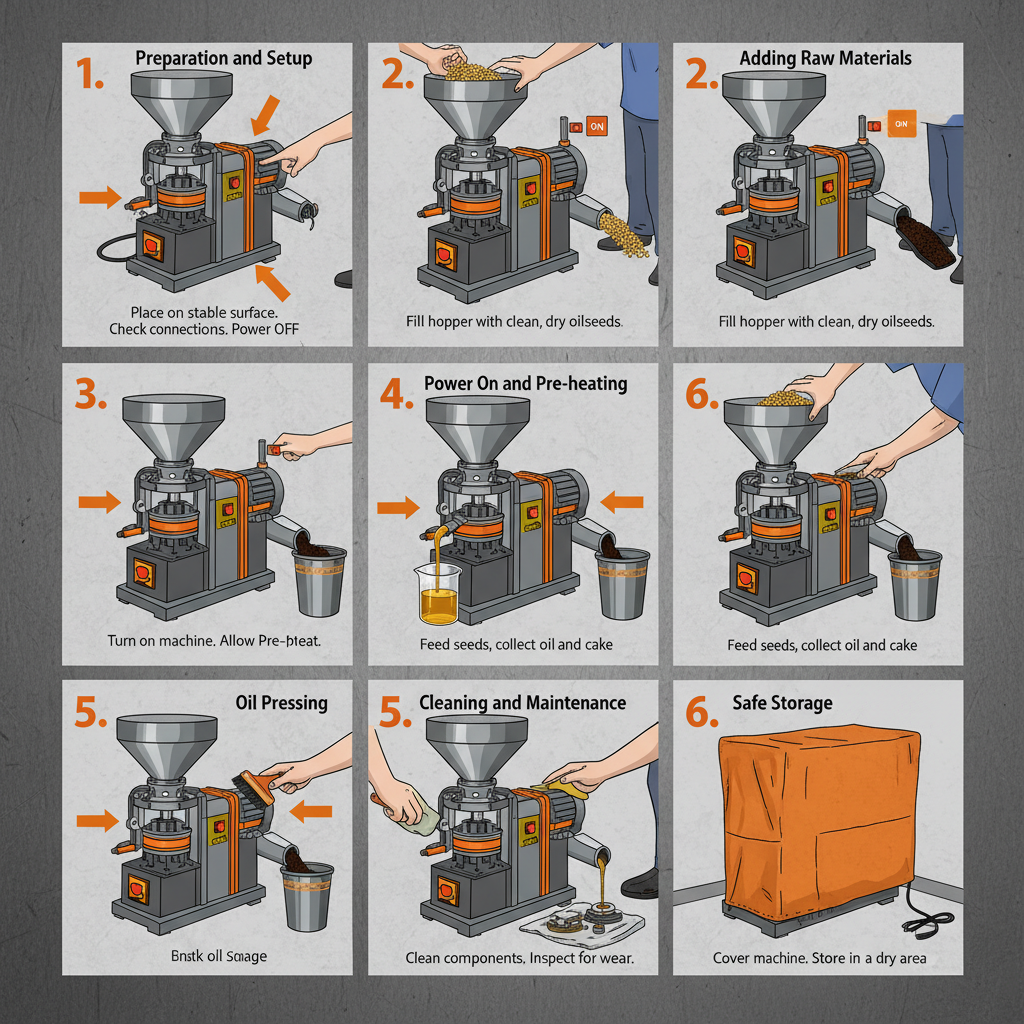
Understanding these core components and specifications is crucial for ensuring proper operation, maintenance, and maximizing the efficiency of the 6yl-100 oil press machine. Regular maintenance, including cleaning and lubrication, is vital for extending the machine's lifespan and maintaining optimal performance. Proper seed preparation, such as cleaning and drying, is also essential for achieving high-quality oil yields.
Performance Indicators of the 6yl-100 Oil Press Machine
Assessing the performance of the 6yl-100 oil press machine requires analyzing several key indicators. These include oil yield, residual oil content in the oilcake, energy consumption, and processing capacity. Oil yield, expressed as a percentage, is a primary measure of efficiency, indicating how much oil is extracted from a given quantity of oilseed.
Residual oil content is equally important, as it reflects the completeness of the extraction process. Lower residual oil content signifies a more efficient press and a higher quality oilcake byproduct. Energy consumption provides insight into the machine's operational costs, while processing capacity determines the machine’s throughput rate.
6yl-100 Oil Press Machine Performance Comparison
Global Applications and Use Cases of 6yl-100
The 6yl-100 oil press machine finds applications in a diverse range of settings globally. In rural agricultural communities across Africa, Asia, and Latin America, it empowers smallholder farmers to process their own oilseeds, improving their livelihoods and food security. The machine is also increasingly used by small-scale food producers and businesses in developed countries who are focused on creating artisanal, locally-sourced oils.
In post-disaster relief operations, the 6yl-100 offers a rapid and reliable means of producing essential oils for vulnerable populations. Its portability and relatively low energy requirements make it suitable for deployment in remote or off-grid locations. It is also found in research institutions and laboratories where small-scale oil extraction is necessary for analysis and experimentation.
Advantages and Long-Term Value of 6yl-100
The 6yl-100 oil press machine offers a compelling combination of cost-effectiveness, reliability, and versatility. Its relatively low purchase price and operating costs make it accessible to a wide range of users, while its robust construction ensures long-term durability. The ability to process a variety of oilseeds provides flexibility and reduces dependence on specific crops.
Beyond the tangible benefits, the 6yl-100 also provides significant social and economic value. It empowers local communities, promotes self-sufficiency, and creates opportunities for entrepreneurship. The production of locally sourced oils enhances food security and reduces the environmental impact associated with long-distance transportation. Investing in a 6yl-100 is an investment in sustainable development and economic resilience.
Future Trends and Innovations in 6yl-100 Technology
The future of the 6yl-100 oil press machine, and oil extraction technology in general, is likely to be shaped by several emerging trends. These include advancements in automation, the integration of digital technologies for monitoring and control, and the development of more energy-efficient designs. Focus will also be on enhancing the extraction efficiency to minimize waste and maximize oil yield.
The incorporation of smart sensors and data analytics could allow for real-time optimization of the pressing process, improving oil quality and reducing energy consumption. Research into alternative energy sources, such as solar power, could further reduce the environmental footprint of the 6yl-100. Furthermore, the development of bio-based and biodegradable materials for machine components will contribute to a more sustainable and circular economy.
These innovations will ensure that the 6yl-100 remains a relevant and valuable tool for oil extraction, even as the industry evolves. The convergence of technology and sustainability will drive the next generation of oil press machines, leading to greater efficiency, reduced environmental impact, and improved economic opportunities for producers worldwide.
FAQS
The 6yl-100 is a versatile machine capable of processing a wide array of oilseeds including sunflower seeds, sesame seeds, peanuts, soybeans, rapeseed, flaxseed, and coconut. The efficiency of extraction can vary slightly depending on the oil content of the specific seed type. Proper seed preparation, like cleaning and drying, is essential for optimal results. Adjusting the machine's settings may be necessary for different seeds.
The oil yield depends significantly on the type and quality of the oilseed being processed. Generally, you can expect an oil yield ranging from 60% to 85%. For example, sunflower seeds typically yield around 50-60% oil, while peanuts can yield up to 70-80%. Factors like seed moisture content, pre-treatment (cleaning, crushing), and machine settings also influence the yield. Proper maintenance and calibration of the 6yl-100 are crucial for maximizing oil extraction.
The 6yl-100 typically requires a 2.2 kW motor, which translates to moderate power consumption. Actual energy use will vary depending on processing time, seed type, and machine load. It’s important to ensure you have an adequate power supply to operate the machine efficiently. In some cases, smaller generators can be used to power the 6yl-100 in areas with limited grid access, which offers increased operational flexibility.
With proper maintenance, including regular cleaning, lubrication, and timely replacement of wear parts, the 6yl-100 oil press machine can have a lifespan of 5-10 years or even longer. Regular inspection and adjustment of the pressing screw are critical. The frequency of maintenance will depend on the intensity of use. Following the manufacturer’s guidelines and using high-quality replacement parts are essential for maximizing the machine’s longevity.
Yes, the oil produced by the 6yl-100 is generally suitable for human consumption, provided the oilseeds are food-grade and the machine is kept clean. However, it’s highly recommended to filter the oil after pressing to remove any remaining sediment or impurities. Additional refining may be desired depending on the intended use of the oil. Ensure you comply with local food safety regulations and standards before selling the oil for consumption.
The standard warranty period for the 6yl-100 oil press machine typically ranges from 12 months to 24 months, depending on the supplier and specific model. The warranty typically covers defects in materials and workmanship, but may not cover wear and tear or damage caused by improper use or maintenance. It's crucial to read the warranty terms and conditions carefully and register your machine promptly after purchase to ensure full coverage.
Conclusion
The 6yl-100 oil press machine represents a significant advancement in accessible oil extraction technology. From empowering smallholder farmers to enabling localized food production, its impact extends far beyond simple oil processing. Its cost-effectiveness, versatility, and reliability position it as a crucial tool for addressing global food security challenges and promoting sustainable economic development. Understanding its capabilities and proper implementation is key to unlocking its full potential.
Looking ahead, continued innovation in automation, energy efficiency, and materials will further enhance the performance and sustainability of the 6yl-100. Investing in this technology is an investment in a more resilient and equitable food system, and we encourage you to explore the possibilities. Visit our website at www.oilmillchina.com to learn more and discover how the 6yl-100 oil press machine can benefit you.