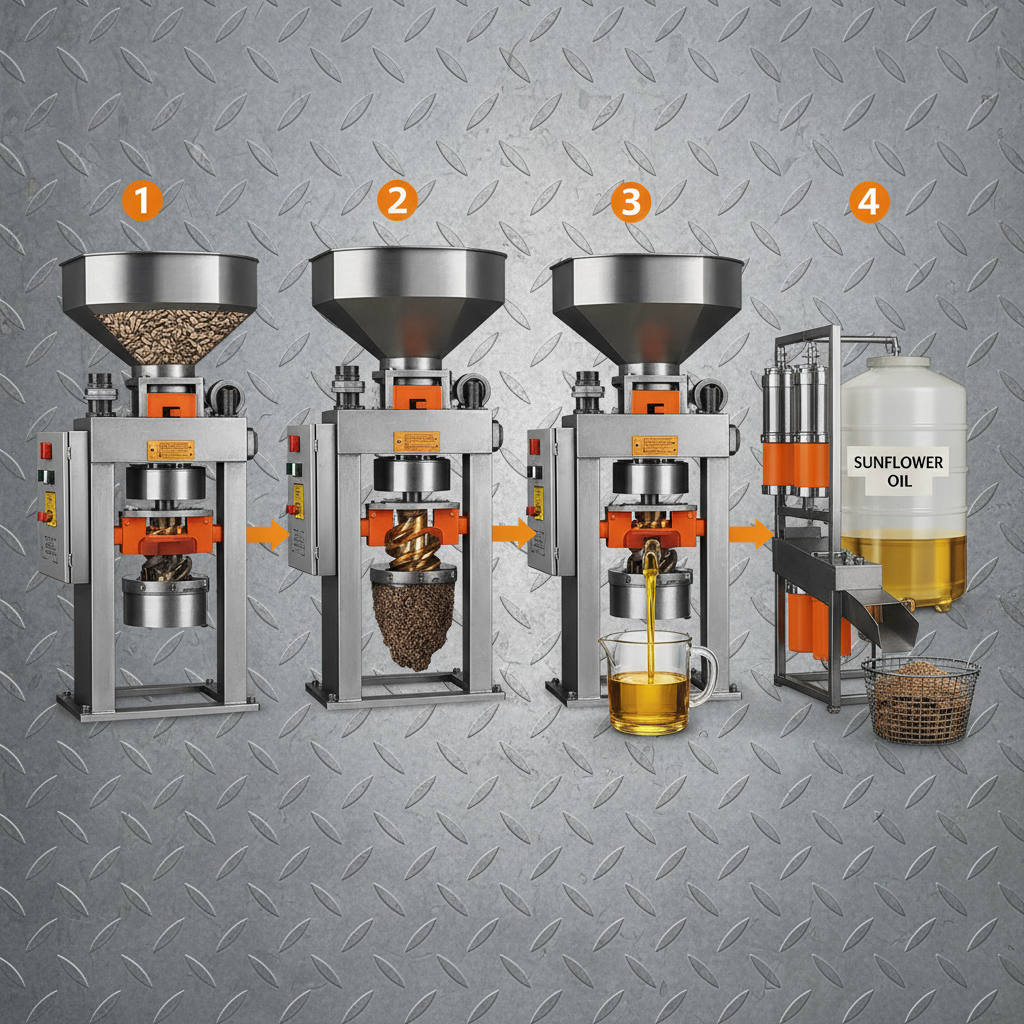
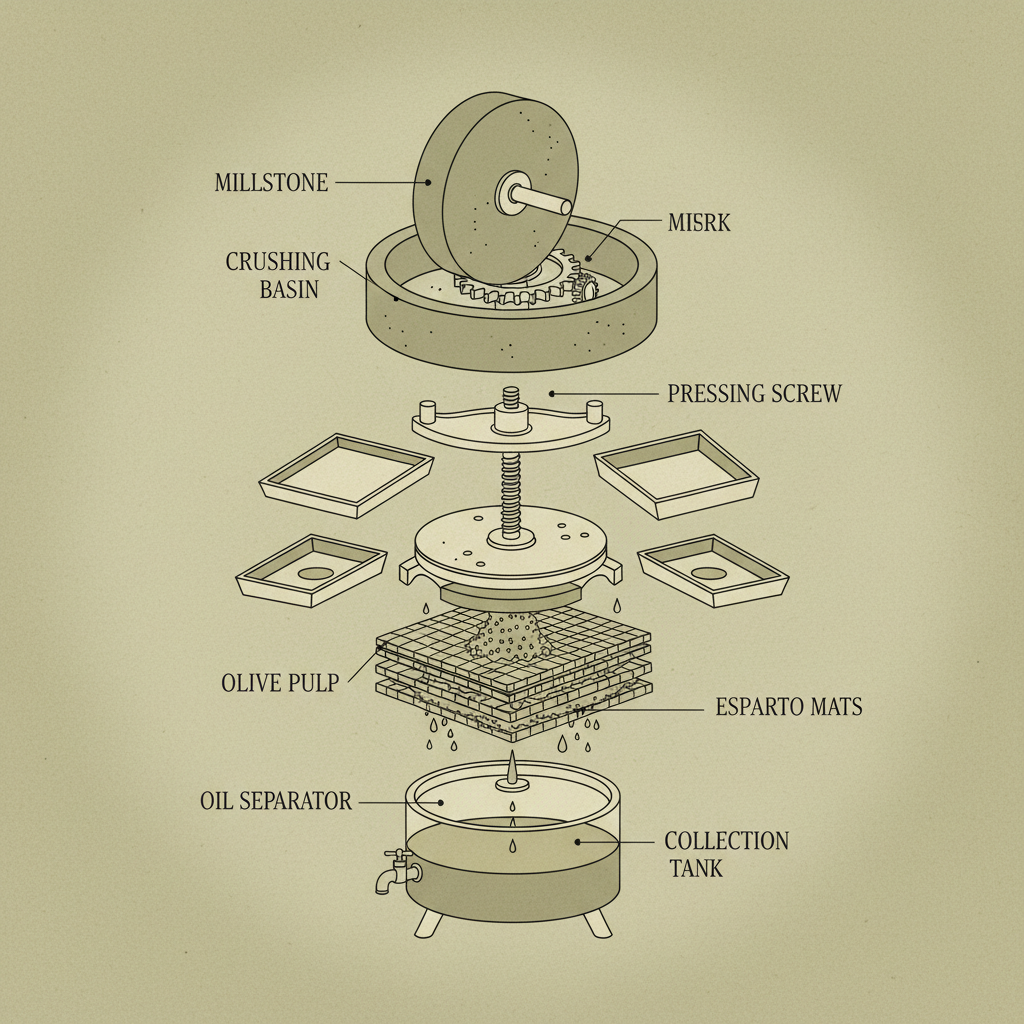
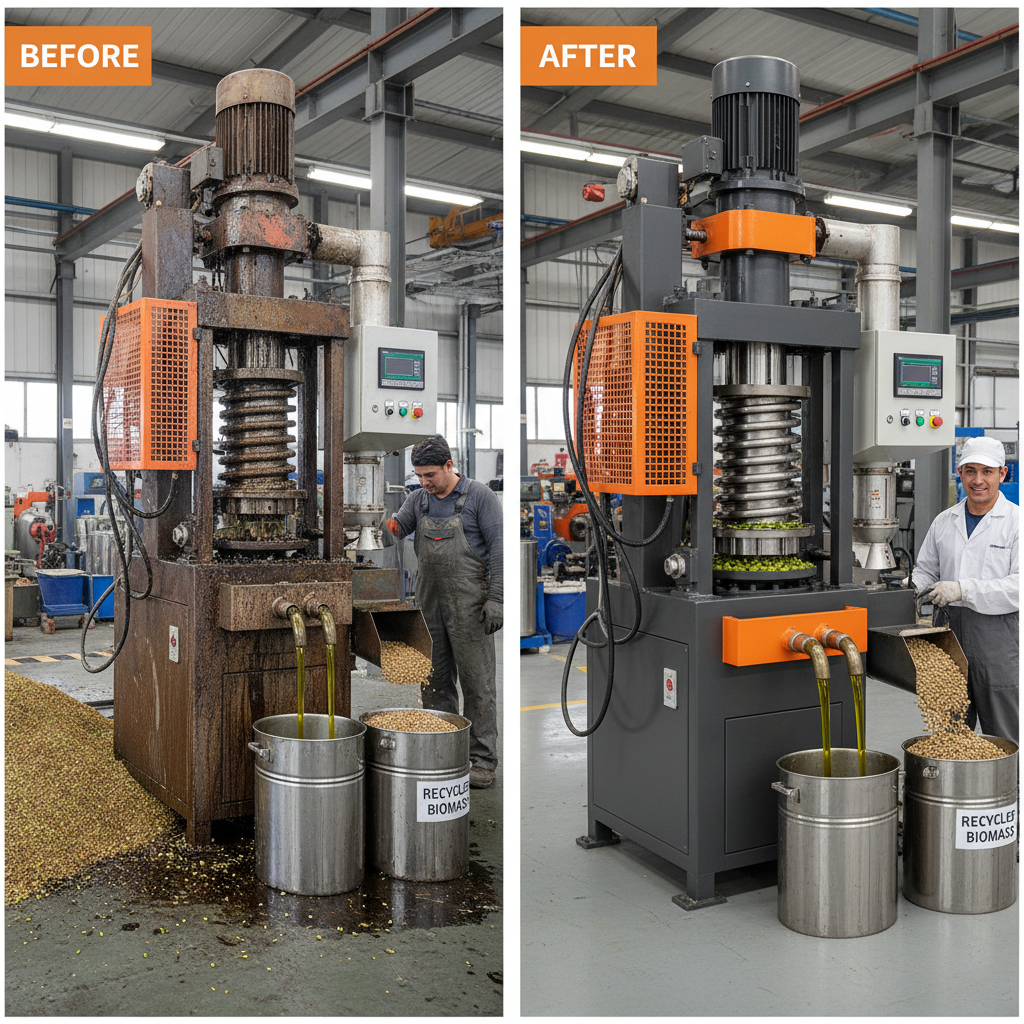
When managing large-scale edible oil production, the efficiency of solid-liquid separation often determines the final purity and yield of the product. Many operators struggle with inconsistent clarification and residue buildup, which can compromise the quality of rapeseed, soybean, or palm oils. Selecting the right filtration technology is not merely about capacity, but about how the equipment handles specific oil characteristics to ensure a stable, clear output.
The integration of a high-performance separation system, such as an odm press filter machine, allows refineries to optimize their degumming and desoaping phases. By utilizing centrifugal force and precision engineering, these systems remove impurities and water more effectively than traditional static filters. This is critical for maintaining the chemical stability of the oil and maximizing the production capacity of the entire vegetable oil processing plant.
This analysis examines the technical mechanisms and operational variables that define modern oil separation. We will explore how specific equipment configurations impact refining efficiency and provide a framework for selecting the optimal model based on flow rates and material density. By understanding these technical drivers, plant managers can reduce labor costs and minimize material loss during the refining process.


Disk centrifuge separators operate on the principle of accelerated sedimentation. By rotating the materials at high speeds, the machine creates a powerful centrifugal field that forces heavier phases (water, solids) to the outer perimeter while the lighter phase (purified oil) remains closer to the center. The internal disk stack increases the effective settling area, significantly reducing the distance particles must travel to be separated, which allows for a more compact machine design without sacrificing throughput.
In professional refining, these machines utilize a hermetic design to prevent oxidation and contamination. The use of stainless steel for all contact components ensures that no chemical reactions occur between the processed oil and the equipment surface. Power is transmitted via hydraulic couplers and helical step-up gears, ensuring a steady increase in speed and providing built-in overload protection to safeguard the motor during startup or variable load conditions.
The effectiveness of an odm press filter machine depends heavily on the specific gravity difference between the oil and the contaminants. For vegetable oils like rapeseed or sunflower oil, the viscosity varies with temperature; therefore, precise thermal control is necessary to optimize the separation speed. If the oil is too viscous, the centrifugal force may not sufficiently move the heavier particles, leading to higher residue levels in the final product.
Maximum production capacity is achieved when the inlet pressure is kept low while maintaining a high rotational speed, allowing the centrifugal pumps to output the light and heavy phases independently and continuously.
Material durability is another essential factor. Since these machines often handle corrosive elements during the desoaping or water washing phases, the structural integrity of the stainless steel bowls and disks is paramount. Regular maintenance of the slide piston residue-extraction system, which is typically managed by PLC controllers, ensures that the machine does not need frequent shutdowns for manual cleaning, thereby increasing the overall plant uptime.
In a continuous refining workflow, the value of centrifugal separation lies in its ability to handle high volumes of material with minimal manual intervention. Traditional batch filtration requires frequent filter cloth changes and downtime, whereas an automated separator provides a steady stream of purified oil. This consistency is vital for downstream processes such as filling and packaging, where oil clarity must meet strict regulatory standards.
Automated residue extraction via computer-controlled slide pistons reduces operator labor by over 60%, transforming the filtration stage from a manual bottleneck into a streamlined automated process.
Beyond labor savings, these systems maximize the recovery of expensive edible oils. By precisely separating the light and heavy phases, the amount of oil lost in the sludge or water phase is minimized. For high-value oils like rice bran or safflower oil, even a 1% increase in recovery efficiency can lead to significant annual revenue gains for a medium-to-large capacity oil plant.
Selecting the correct model requires a detailed look at the capacity versus pressure requirements. For instance, the DHZ and HPDF series offer different throughput ranges. A plant processing 1,200 to 2,500 L/H would typically utilize a smaller unit like the DHZ 360 or HPDF 360, whereas a high-capacity facility requiring up to 30,000 L/H would need the HPDF 700. The relationship between inlet pressure and output stability is critical for preventing cavitation in the centripetal pumps.
The following data illustrates the capacity distribution across common separator models. It is evident that as the power rating increases from 5.5 KW to 30 KW, the processing capacity scales non-linearly, allowing for massive jumps in output for larger industrial installations.
The versatility of these separators allows them to be used across a wide spectrum of fats and oils. In vegetable oil refining, they are indispensable for degumming, where phospholipids are removed, and desoaping, where soapstocks are separated from the oil. Common applications include the processing of corn, palm, soybean, and peanut oils, where the high speed of the DHZ separator ensures that fine suspensions are completely removed.
In the animal oil sector, the equipment is utilized for fish oil purification and the refining of various animal fats. Because animal fats often have different specific gravities and impurity profiles compared to vegetable oils, the personalized solution approach—adjusting the disk spacing and rotational speed—is essential to achieve the required purity levels without overheating the material.
The shift toward fully automated centrifugal systems represents a major leap in the agricultural machinery industry. Integration with PLC (Programmable Logic Controller) systems allows for real-time adjustments to the residue extraction cycle. Instead of discharging waste based on a fixed timer, modern machines can be programmed to react to changes in the process flow, ensuring that the bowl is only cleaned when necessary.
Furthermore, the move toward hydraulic power transmission has eliminated many of the mechanical failures associated with traditional belt-driven systems. The use of liquid-based power transmission provides a smoother ramp-up in speed, which protects the internal components from the shock of sudden acceleration. This technological evolution ensures that the equipment can operate 24/7 with minimal risk of fatigue failure.
Looking forward, the integration of smarter sensors for turbidity and moisture detection will likely allow these machines to automatically adjust their own speed and discharge frequency. This would move the industry toward a "self-optimizing" refinery where the equipment adapts to the quality of the incoming raw oil in real-time.
One of the primary challenges in oil filtration is the accumulation of sludge, which can lead to unbalanced rotation and excessive vibration. If the residue extraction is not timed correctly, the machine's efficiency drops, and the risk of mechanical wear increases. The solution lies in the computer-controlled slide piston, which ensures a clean and complete discharge of heavy phases without stopping the motor.
Another frequent issue is the chemical reaction between the oil and the equipment. This is why high-grade stainless steel is non-negotiable for all parts contacting the material. By minimizing surface reactions, the oil retains its natural antioxidants and color, which is critical for premium edible oil brands that avoid excessive chemical additives during refining.
Finally, selecting the wrong capacity can lead to either excessive energy consumption or insufficient purification. A a plant must balance the power requirements (KW) against the target hourly output (L/H) to maintain an optimal ROI. The table below provides a quick reference for matching equipment models to specific capacity needs.
| Model | Capacity (L/H) | Power (KW) | Weight (KG) |
|---|---|---|---|
| DHZ 360 | 1200-2500 | 7.5 | 1280 |
| DHZ 470 | 2500-7000 | 15 | 1880 |
| DHZ 550A | 5000-10000 | 18.5 | 2200 |
| HPDF 550E | 6000-15000 | 22 | 2200 |
| HPDF 700 | 15000-30000 | 30 | 3300 |
| HPDF 400E | 4000-7500 | 7.5 | 1300 |
The primary difference lies in the capacity and intended application scale. The DHZ series generally focuses on high-speed, stable refining for medium plants, while the HPDF series is engineered for higher throughputs, with models like the HPDF 700 reaching up to 30,000 L/H. Both utilize stainless steel construction, but the HPDF line is often optimized for larger industrial vegetable oil processing plant solutions.
The residue extraction is managed by a computer-controlled slide piston and a PLC system. Instead of manual cleaning, the PLC triggers the piston to open the discharge port for a fraction of a second, allowing the accumulated heavy phase (sludge) to be expelled by centrifugal force. This happens while the machine is running, ensuring continuous operation and reducing the need for operator intervention.
Yes, they are highly effective for both. While they are widely used for rapeseed, soybean, and palm oils, they are equally applicable to fish oil and general animal fat purification. The key is to adjust the operating parameters—such as temperature and rotational speed—to match the specific gravity and viscosity of the animal fat being processed.
All parts and components that come into contact with the materials are made of high-grade stainless steel. This is critical to prevent chemical reactions between the oil and the equipment surface, ensuring that the purity of the edible oil is maintained and that the machine can withstand the corrosive nature of some refining agents used during degumming.
Power requirements scale with capacity. For example, the HPDF 700, which handles the highest volume, requires a 30 KW motor. The power is transmitted via a hydraulic coupler and helical step-up gears to ensure a stable increase in speed and to provide essential overload protection for the electrical system.
While the automated PLC system handles daily residue extraction, general maintenance should be performed according to the user manual. Wear parts should be inspected periodically, and the hydraulic coupler should be checked for fluid levels. Most systems include a 12-month warranty on non-wearing parts, reflecting the durability of the stainless steel construction.
Optimizing the separation phase of oil refining requires a balance between centrifugal force, material science, and automation. By moving from manual filtration to automated disk centrifuge separators, plants can significantly increase their throughput while maintaining superior oil clarity. The ability to handle diverse oil types—from rapeseed to fish oil—with a single, adaptable technology allows producers to remain flexible in a fluctuating market.
For those looking to upgrade their current production line or design a new vegetable oil processing plant, selecting equipment based on verified capacity and pressure metrics is essential. Professional guidance on installation and operator training ensures that these high-speed systems deliver their maximum ROI. For detailed specifications and personalized layout plans, you can explore the solutions available at https://www.oilmillchina.com.