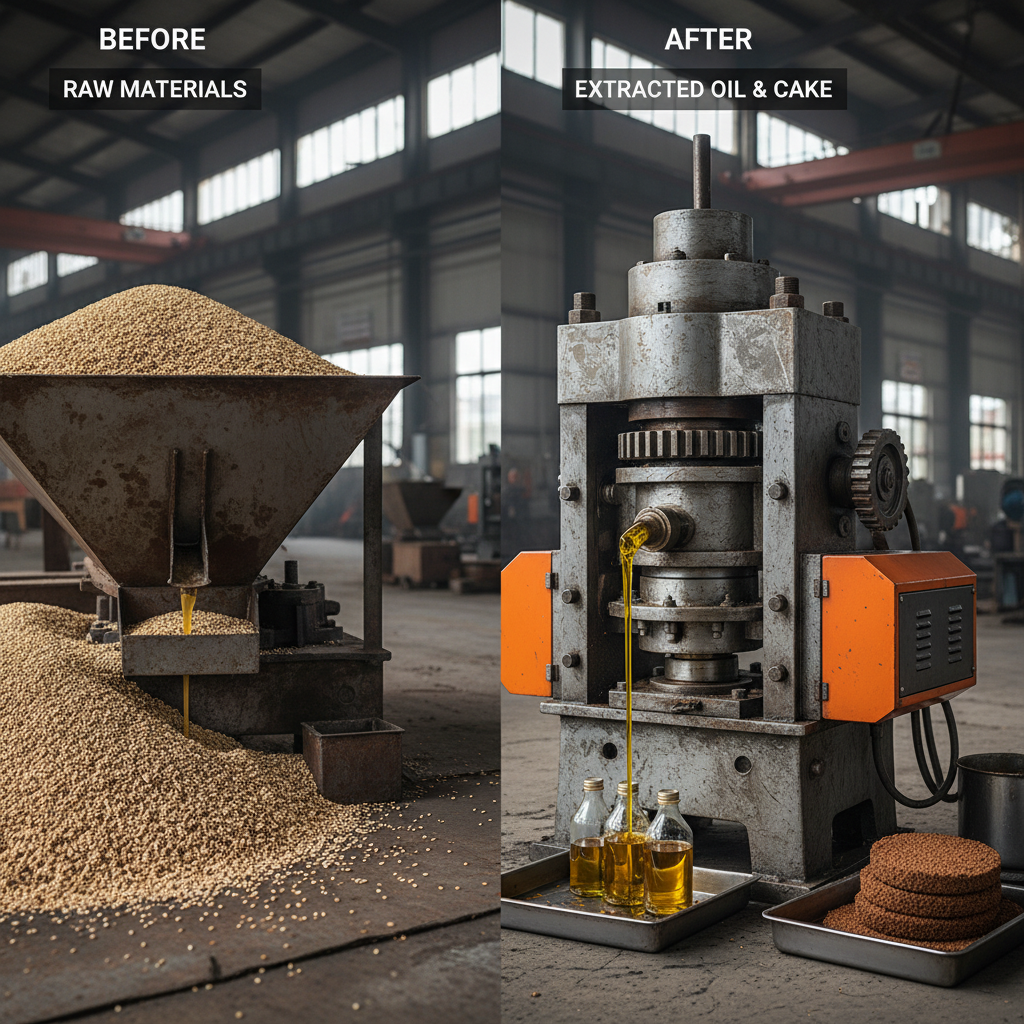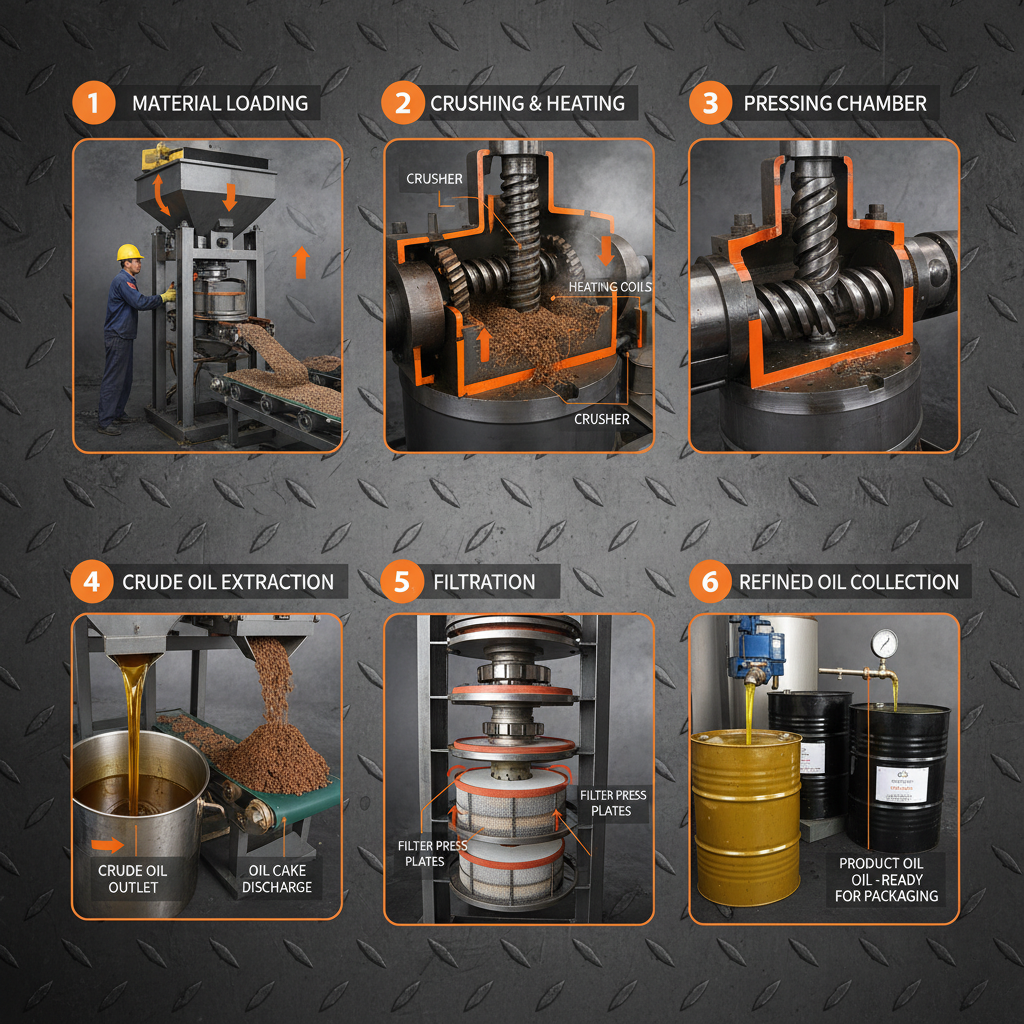
An odm peanut oil refined unit is a specialized industrial system designed to process raw crushed peanut oil into a high-quality, edible refined product. By integrating filtration, degassing, and neutralizing processes, these units remove impurities, free fatty acids, and unwanted odors, ensuring the final oil meets international food safety standards and consumer preferences for clarity and stability.
In the competitive vegetable oil market, the challenge for producers is often balancing high yield with the preservation of natural nutrients and the removal of contaminants. Inefficient refining can lead to high waste ratios, poor shelf life, and inconsistent oil color, which directly impacts marketability and profitability for small to medium-sized oil mills.
This technical analysis explores the operational mechanics of the odm peanut oil refined unit, evaluates its performance metrics compared to traditional methods, and provides a procurement guide for enterprises seeking to upgrade their processing capabilities. Readers will understand how to select a unit that optimizes throughput while maintaining strict quality control.

1Fundamentals of Peanut Oil Refining Systems

The refining process is critical because raw peanut oil contains phospholipids, pigments, and free fatty acids that can cause the oil to smoke at lower temperatures or spoil quickly. The odm peanut oil refined unit employs a sequence of physical and chemical treatments to stabilize the oil. This typically begins with degassing to remove moisture and volatile components, followed by neutralization to eliminate acidity.
Modern units focus on minimizing "oil loss"—the amount of usable oil trapped in the soapstock during neutralization. By utilizing precise temperature controls and optimized mixing, high-efficiency units can recover a larger percentage of the raw material, directly increasing the ROI for the processing plant.
Furthermore, the integration of advanced filtration ensures that microscopic particles are removed, resulting in the crystal-clear appearance expected by retail consumers. This process is essential for meeting the stringent requirements of the food and beverage industry.
2Core Technical Features and Design
High-performance refining units are characterized by their modular design and material durability. Utilizing food-grade stainless steel (such as SUS304 or SUS316), these systems prevent corrosion from the caustic soda used in the neutralization phase. The odm peanut oil refined unit often incorporates automated PLC controls to manage flow rates and temperature gradients without manual intervention.
A key technical highlight is the vacuum degassing system. By creating a low-pressure environment, the unit can boil off moisture and volatile impurities at lower temperatures, which preserves the nutritional profile of the peanut oil and reduces energy consumption.
The filtration stage typically employs multi-stage plate and frame filters or centrifugal separators. This ensures that the residue from the neutralization process is completely removed, leaving behind a polished product ready for bottling or further fortification.
3Industrial Application Scenarios
These units are primarily deployed in medium to large-scale vegetable oil processing plants. In a typical commercial workflow, the raw oil from the screw press is fed directly into the refining unit. This continuous flow reduces the need for large intermediate storage tanks and minimizes the risk of oxidation due to air exposure.
Beyond standard edible oil production, refined peanut oil is highly valued in the cosmetic industry for its emollient properties. Refining units allow producers to pivot their output to meet pharmaceutical or cosmetic grades by increasing the intensity of the filtration and bleaching cycles.
For cooperatives and small-scale enterprises, the "compact" version of these refining units provides a way to move up the value chain from selling crude oil to selling branded, refined oil, which typically commands a significantly higher market price.
4Operational Efficiency and Performance Data
Operational efficiency is measured by the ratio of raw oil input to refined oil output and the purity of the final product. The odm peanut oil refined unit is designed to maximize recovery rates, often achieving over 90% efficiency in oil retrieval while maintaining a very low acid value in the final output.
Energy consumption is another critical metric. By utilizing heat exchangers, the system can reuse the heat from the refined oil to pre-heat the incoming raw oil, drastically reducing the steam or electricity required for the process.
odm peanut oil refined unit Performance Metrics
As shown in the performance data, the integration of a dedicated refining unit significantly improves purity rates and lowers operating costs per liter compared to traditional batch-processing methods. This scalability makes it a viable investment for expanding production lines.
5Implementation and Procurement Best Practices
When procuring an odm peanut oil refined unit, enterprises must first conduct a thorough audit of their raw oil quality. Crude oil with exceptionally high FFA (Free Fatty Acid) levels will require a larger neutralization tank and more chemical additives, which should be reflected in the system's design specifications.
Installation should be carried out by specialized engineers to ensure that vacuum seals are airtight and that the piping layout minimizes pressure drops. Poor installation often leads to "air leaks" in the degassing stage, which compromises the final oil quality.
Training for workshop operators is equally vital. Staff must be trained to monitor the pH levels and color indicators during the refining cycle to make real-time adjustments, ensuring that the product remains consistent regardless of raw material variations.
6Technological Trends in Oil Purification
The industry is moving toward "solvent-free" or "physical refining." Traditional chemical refining uses caustic soda, which produces soapstock as a byproduct. New trends focus on high-vacuum distillation and advanced adsorption technologies that remove impurities without the need for heavy chemicals.
Digitalization is also playing a huge role. IoT-enabled refining units can now send real-time purity data to a central dashboard, allowing managers to track the performance of different batches and optimize the use of bleaching earth and other consumables.
Furthermore, the development of higher-efficiency centrifugal separators is reducing the time required for the clarification phase, enabling plants to increase their daily throughput without increasing the physical footprint of the factory.
7System Selection and Decision Matrix
Choosing the right refining unit depends on the balance between required purity and available budget. While a fully automated system has a higher upfront cost, the reduction in labor and the increase in oil recovery usually lead to a faster payback period for high-volume producers.
For smaller operations, a semi-automated batch unit may be more appropriate, offering flexibility to process different types of seed oils (such as sunflower or soybean) using the same hardware.
| System Type | Best Use Case | Main Strength | Primary Limitation |
|---|---|---|---|
| Batch Refiner | Small Artisan Mills | Low Initial Cost | High Labor Demand |
| Semi-Auto Unit | Medium Enterprises | Versatile Processing | Moderate Recovery |
| Continuous ODM Unit | Industrial Plants | Maximum Throughput | High Energy Setup |
| Physical Refiner | Organic Producers | No Chemical Waste | High Vacuum Cost |
| Centrifugal System | High-Speed Lines | Rapid Clarification | High Maintenance |
| Integrated Line | Full-Scale Factories | Seamless Workflow | Complex Installation |
Ultimately, the decision should be based on a projected 5-year ROI analysis, taking into account the expected growth in production volume and the target market's quality requirements.
Frequently Asked Questions
Conclusion
Investing in a high-quality odm peanut oil refined unit is a strategic move for any oil producer looking to transition from raw material supply to high-value product manufacturing. By focusing on the balance of recovery rates and purity, enterprises can significantly enhance their market competitiveness and ensure a consistent, safe product for their customers.
For procurement teams and engineers evaluating the most suitable refining solutions for their specific plant requirements, detailed technical specifications and configuration options can be reviewed at www.oilmillchina.com.