Optimizing oil yield while maintaining the purity of the end product requires a precise balance of mechanical pressure and thermal control. For many industrial producers, the transition from batch processing to continuous extraction is the primary hurdle in scaling operations.
The shift toward physical extraction methods reflects a broader industry demand for solvent-free, natural oils that retain their biological properties. This evolution is driven by both consumer preference for "pure" labels and the technical necessity to reduce chemical residue in food-grade edible oils.
Selecting a reliable odm physical oil extraction machine involves evaluating more than just raw capacity; it requires an analysis of cake structure, residual oil percentages, and energy efficiency.


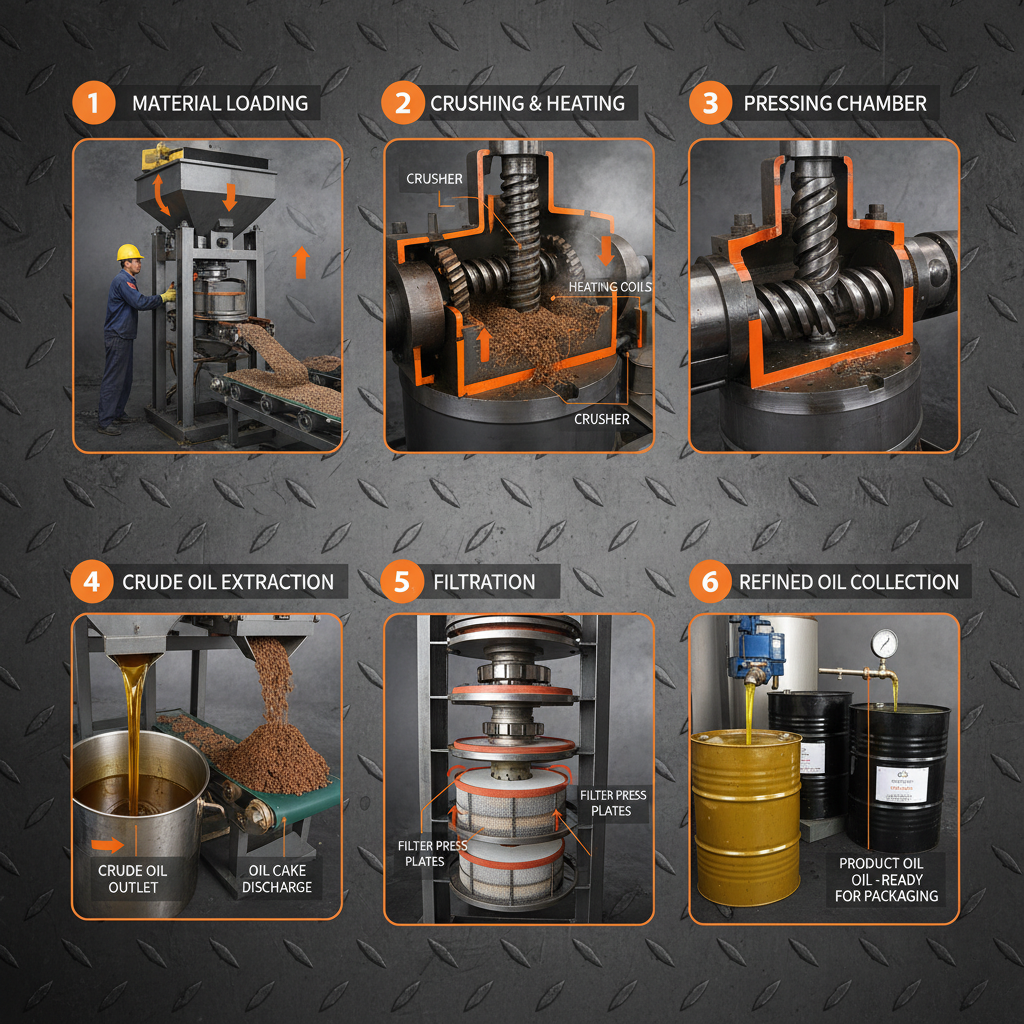
Physical oil extraction relies on the application of mechanical force to rupture the cellular structure of oilseeds, forcing the oil to migrate to the surface and exit through the press cage. Unlike solvent extraction, this process preserves the natural flavor and nutrient profile of the oil, making it ideal for premium edible oil markets.
The process typically involves two stages: pre-pressing and final pressing. Pre-pressing reduces the oil content to a level that makes subsequent solvent leaching more efficient, while final pressing aims to maximize the recovery of the oil through high-intensity mechanical compression.
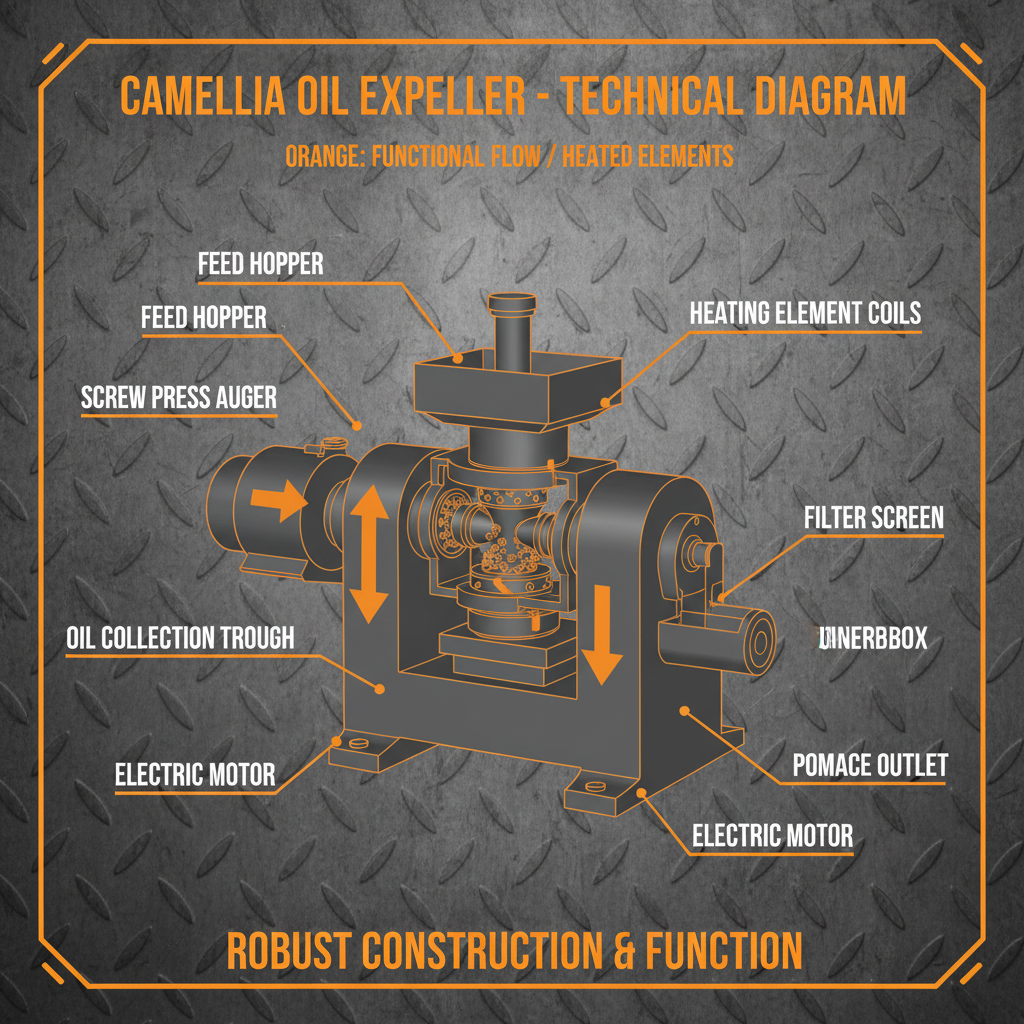
The efficiency of a spiral press depends heavily on the "gradual pressure" principle. By using a tapered screw design, the material is compressed step-by-step. This prevents the sudden crushing of seeds, which would otherwise seal the material and block the oil from escaping—a phenomenon known as "plugging."
Technical refinements such as labyrinth seals are critical for maintaining system integrity. These seals prevent slag from entering the combining surfaces and stop oil leakage, ensuring that the refining rate remains high throughout the production cycle.
Moreover, the integration of worm gear technology allows for rapid adjustment of the cake thickness without needing to stop the machine. This agility is essential when switching between different oilseeds, such as moving from rapeseed to peanut kernels, where the viscosity and cellular structure vary significantly.
While maximizing oil yield is the primary goal, the physical characteristics of the resulting oil cake are equally important. A cake that is too dense prevents solvent penetration in subsequent leaching phases, effectively wasting potential oil.
The ideal oil cake should possess a loose, non-scattered structure. This porosity is critical for industrial plants that utilize a hybrid mechanical-chemical process, as it optimizes the diffusion rate of solvents.
Achieving this requires precise control over the steaming and frying temperatures, typically ranging between 60-110°C. Correct thermal pretreatment lowers the viscosity of the oil and softens the seed coat, allowing the spiral press to achieve low residual oil levels without compacting the cake into a solid mass.
Performance in physical extraction is measured by the residual oil percentage in the cake and the input capacity per day. For instance, a machine like the HP290 can handle significantly higher loads during pre-pressing (up to 240 T/D) compared to final pressing (up to 100 T/D), reflecting the different pressure requirements of each stage.
Different oilseeds exhibit varying levels of resistance to mechanical pressing. Peanut kernels generally yield more easily than corn germ or rapeseed, which require more sophisticated pressure gradients to achieve acceptable residual oil levels.
In a typical industrial setting, an operator must calibrate the feed shaft speed and steam pressure based on the moisture content of the raw seeds. For challenging materials like rice bran or dried coconut, a slow, high-pressure approach is required to penetrate the tough outer husks without causing mechanical failure in the pressing cage.
The use of "ear plate" open designs in the pressing cage significantly reduces maintenance downtime. This allow technicians to assemble and replace wearing parts without dismantling the entire chassis, which is a critical factor for plants operating 24/7 to meet market demand.
The industry is moving toward "intelligent pressing," where sensors monitor the thickness of the cake and residual oil in real-time, automatically adjusting the worm gear position. This reduces the reliance on manual operator experience and ensures a consistent oil quality across different batches of raw material.
There is also a growing emphasis on energy reduction. Newer models are utilizing high-efficiency motors and optimized reducer ratios to lower the power consumption per ton of processed seed, aligning with global sustainability goals in the food processing sector.
Furthermore, the integration of pretreatment equipment—such as advanced cleaning and tempering units—is becoming standard. By ensuring the raw material is perfectly conditioned before it enters the odm physical oil extraction machine, plants can achieve lower residual oil levels without increasing mechanical stress on the equipment.
Choosing the right machinery requires a trade-off analysis between input capacity and oil recovery rates. A pre-press machine is suited for high-volume throughput with moderate oil recovery, whereas a final press is designed for maximum extraction from a smaller volume of material.
Budgetary considerations should not only focus on the initial purchase price but also on the "cost per ton" of oil produced. This includes the cost of wearing parts, electricity consumption, and the labor required for maintenance and operation.
Ultimately, the decision should be based on the specific seed profile and the desired end-use of the oil. For high-purity organic oils, a slower, more controlled physical extraction process is non-negotiable.
| Factor | Pre-Pressing | Final Pressing | Hybrid System | |
|---|---|---|---|---|
| Daily Capacity | High (180-240T) | Medium (80-100T) | Variable | Scalable |
| Residual Oil | Moderate (13-18%) | Low (5-7%) | Optimized | Low |
| Cake Structure | Loose/Porous | Dense/Compact | Balanced | Customizable |
| Energy Use | Lower per ton | Higher per ton | Moderate | Balanced |
| Primary Goal | Throughput/Pre-treat | Max Recovery | Full Process | Versatility |
| Maintenance | Periodic | Frequent | Integrated | Scheduled |
Physical extraction uses mechanical pressure (like a spiral press) to expel oil, avoiding chemicals. Solvent extraction uses hexane to dissolve oil from the seed. Physical extraction is preferred for premium "natural" oils, while solvent extraction is used for maximum recovery in mass-market industrial processing.
Gradual pressure prevents the material from compacting too quickly. By increasing pressure step-by-step, the oil has more time and path to migrate through the press cage. This significantly reduces the amount of oil left in the cake and prevents machine jamming.
Seeds with very low oil content or extremely tough outer shells, such as corn germ, rice bran, and certain rapeseed varieties, are more challenging. They require precise temperature control and high-torque spiral designs to effectively rupture the cells and release the oil.
For plants using a two-step process, the cake from the first press must be porous. If the cake is too dense, the solvent cannot penetrate the center of the particles, leaving a significant amount of oil trapped and reducing the overall efficiency of the plant.
The most critical maintenance involves the replacement of the pressing screw and the press cage, which are subject to high friction and wear. Ensuring that the labyrinth seals are intact and the worm gears are properly lubricated is also essential to prevent leakage and mechanical failure.
Yes, provided the machine has adjustable cake thickness and variable speed controls. However, the input capacity and residual oil levels will vary by seed. For example, a machine may process 200T/D of sunflower seeds but only 80T/D of peanut kernels due to differences in material density and oil viscosity.
Successful physical oil extraction is the result of a synergy between mechanical engineering and material science. By focusing on the gradual application of pressure and the structural integrity of the resultant cake, producers can maximize efficiency without compromising the quality of the edible oil.
As the industry trends toward sustainability and chemical-free production, the role of high-capacity, precision-engineered spiral presses will only increase. Investing in equipment that offers both flexibility in material handling and low operational downtime is the most viable path for long-term profitability in the oilseed processing sector.