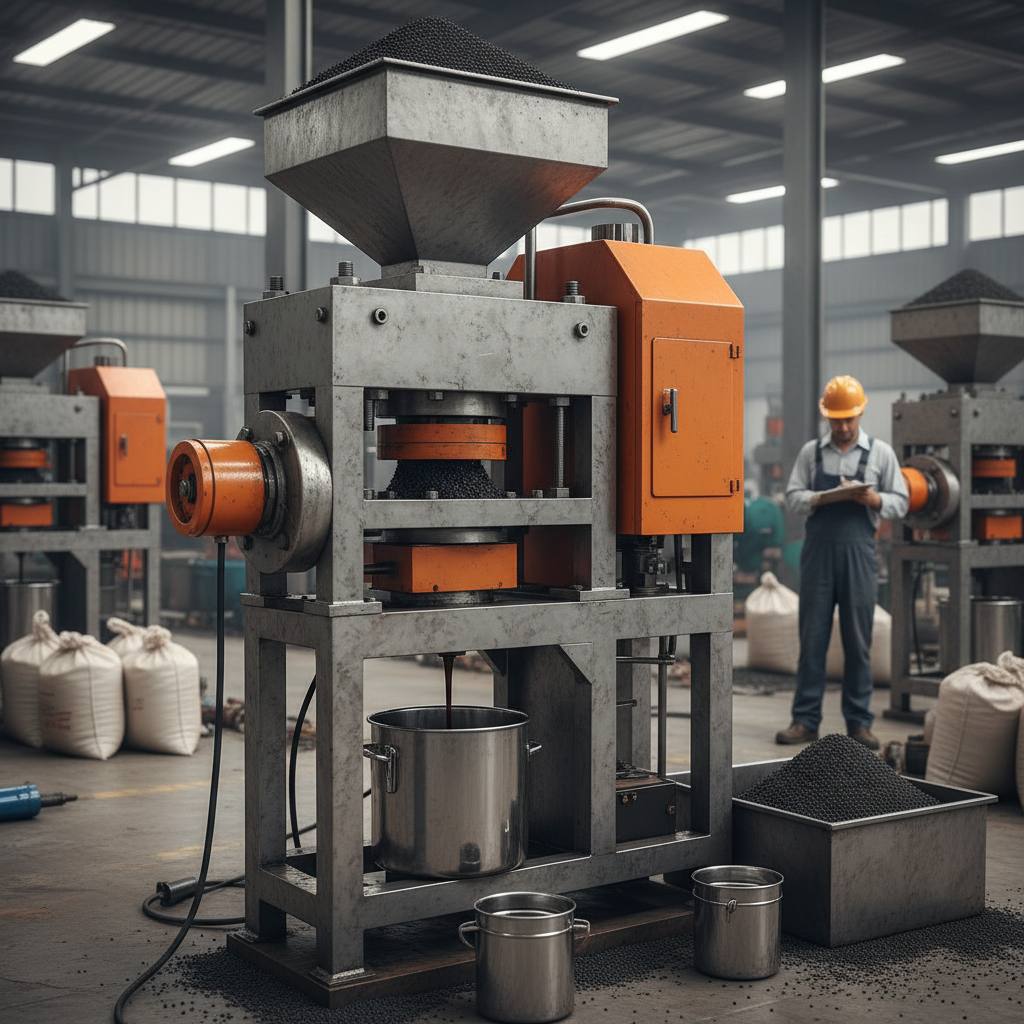
The soybean oil press is a cornerstone of modern food production, playing a vital role in supplying a globally consumed edible oil and a high-protein animal feed. Its importance extends beyond basic nutrition; the efficiency and scalability of soybean oil press technology directly impact agricultural economies, international trade, and food security around the world. Understanding the nuances of this technology, from its historical development to its current innovations, is crucial for professionals in the agricultural sector, policymakers, and anyone involved in the food supply chain.
The global demand for soybean oil continues to rise, driven by population growth, changing dietary habits, and the increasing use of soybeans in industrial applications such as biofuels and bioplastics. This demand places significant pressure on the efficiency and sustainability of soybean oil extraction processes. A robust understanding of the available soybean oil press options, their capabilities, and their limitations, is therefore essential for meeting current needs without compromising future resources.
Investing in advancements in soybean oil press technology translates to a more stable and secure food supply, reduced waste, and enhanced economic opportunities for soybean farmers and processing facilities. Furthermore, a focus on innovative and environmentally friendly soybean oil press designs can contribute significantly to sustainable agricultural practices and mitigate the environmental impacts associated with large-scale soybean processing.
Introduction to Soybean Oil Press
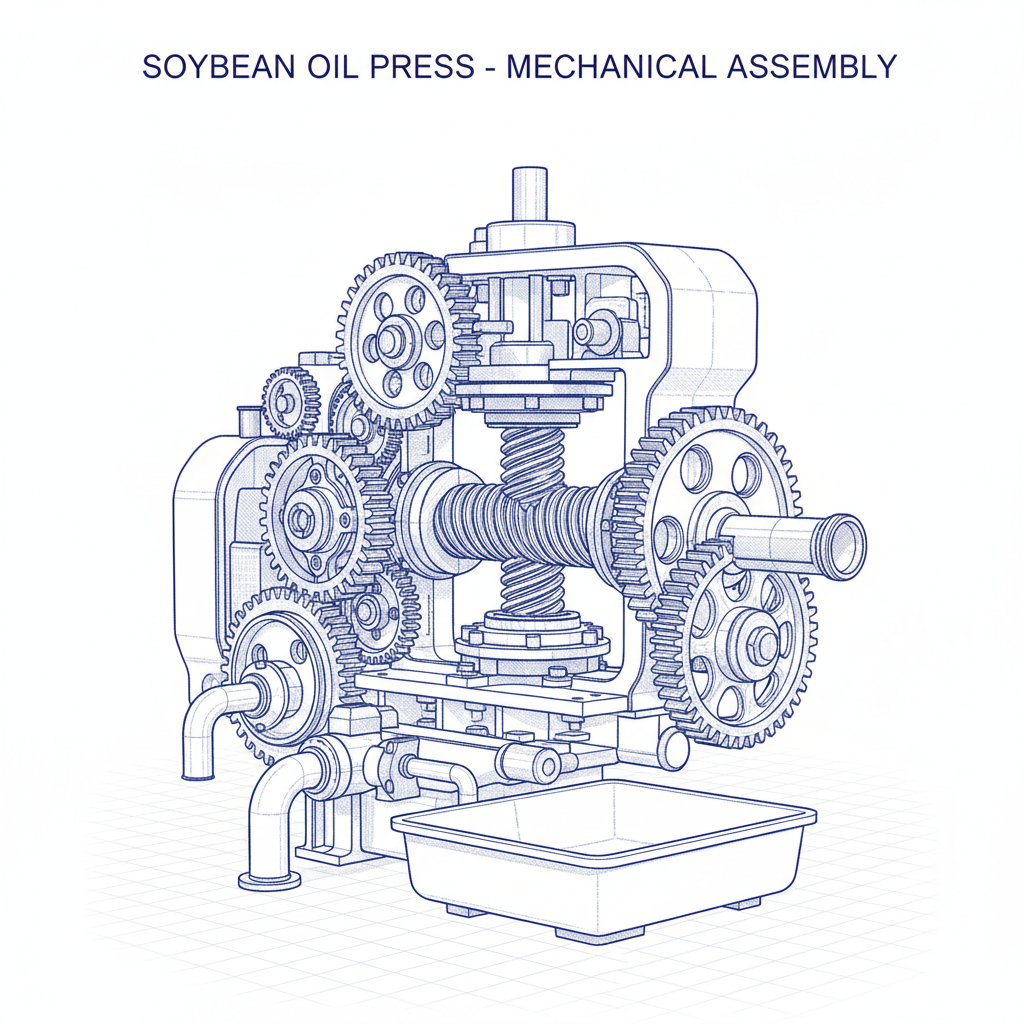
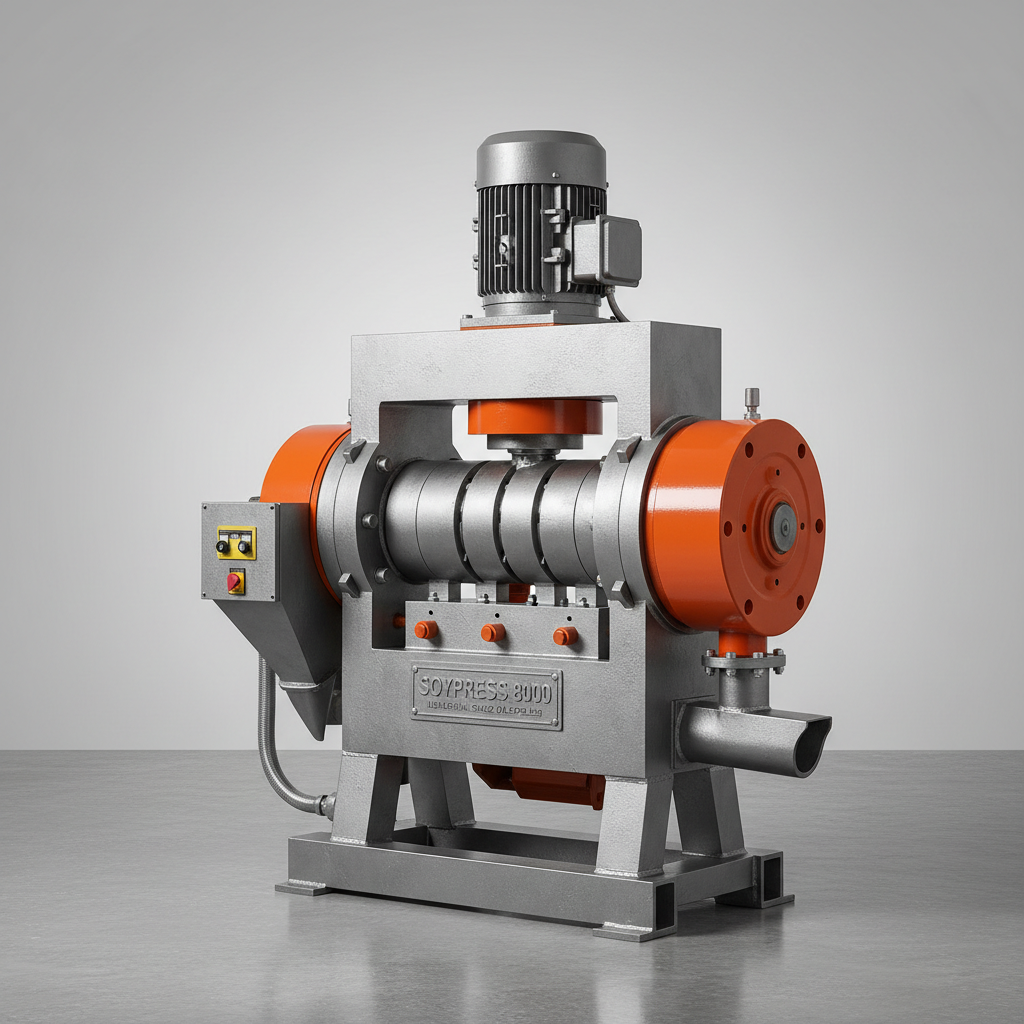
The soybean oil press represents a crucial link in the agricultural processing chain, converting soybeans into valuable oil and meal. Its functionality relies on applying pressure to soybeans, effectively separating the oil from the solid soybean flakes. This process isn't merely about extraction; it's about optimizing yield, quality, and efficiency in a constantly evolving industry. Soybean oil press equipment ranges from small-scale, manually operated devices to large-scale, automated industrial systems.
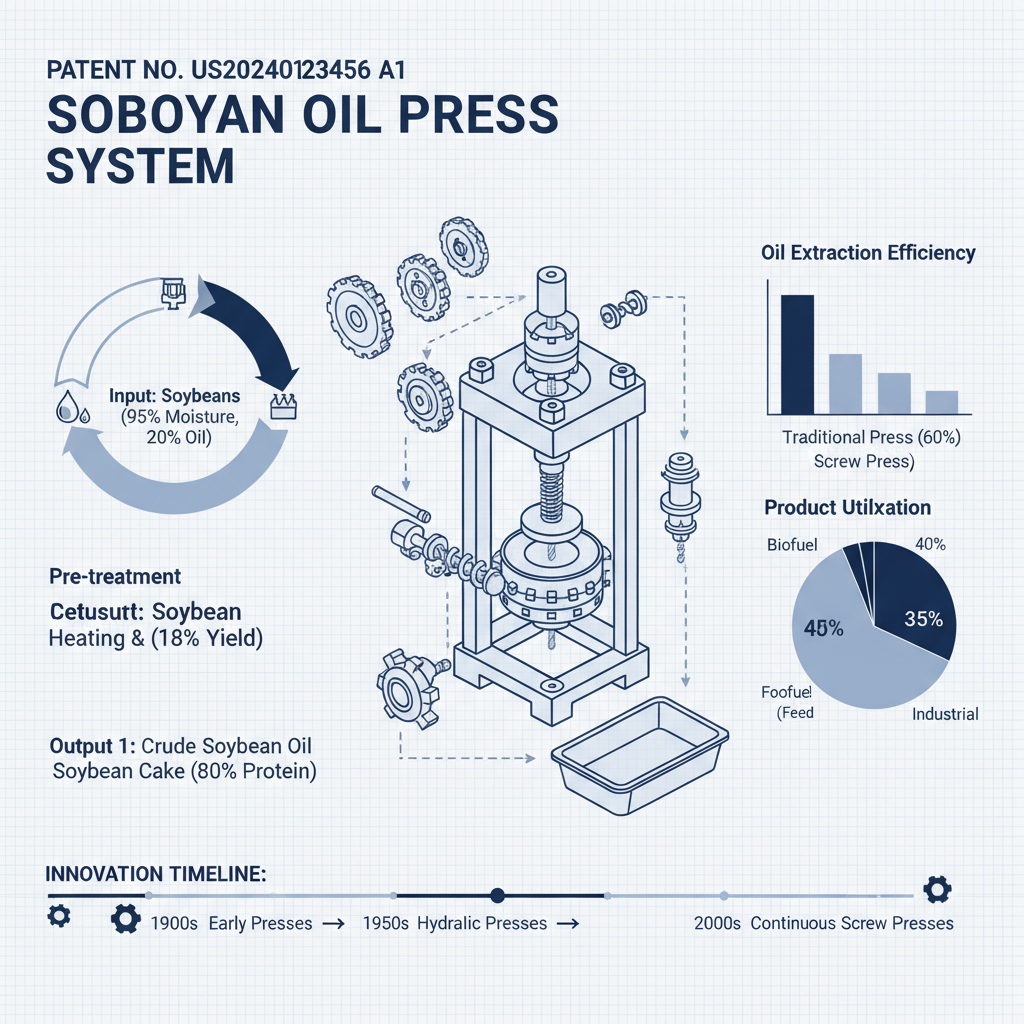
The historical development of the soybean oil press reflects a constant pursuit of improved extraction methods. From early screw presses to modern hydraulic systems, the evolution of this technology has been driven by the need for higher oil yields, reduced energy consumption, and lower operating costs. Today’s presses incorporate sophisticated controls and monitoring systems, allowing for precise optimization of the extraction process and ensuring consistent product quality.
Defining the Soybean Oil Press
A soybean oil press is a machine specifically designed to extract oil from soybean seeds. It works by applying significant pressure to the soybeans, causing the oil to separate from the solid components (the meal). This meal is a valuable byproduct, widely used as animal feed due to its high protein content. The extracted oil undergoes further refining processes to become the edible soybean oil found in kitchens and used in various industrial applications.
The connection to modern industry is undeniable. Soybean oil is a crucial component in food manufacturing, biofuels, and the production of various industrial products like paints, lubricants, and plastics. The efficiency of the soybean oil press directly impacts the cost and availability of these products.
In the context of humanitarian needs, the soybean oil press plays a critical role in providing a locally sourced and sustainable food supply. Small-scale presses can be deployed in developing regions to empower local communities, create economic opportunities, and improve food security by reducing reliance on imported oils.
Key Factors of a Soybean Oil Press
Oil Yield: The percentage of oil extracted from the soybeans is paramount. Higher oil yields translate to greater profitability and reduced waste. Factors influencing oil yield include press design, pre-treatment of the soybeans (cleaning, cracking, cooking), and operating pressure. Modern soybean oil press models are engineered to maximize oil extraction efficiency.
Durability: The robustness and longevity of the press are critical, especially in continuous industrial operations. Presses constructed from high-quality materials and designed with reliable components minimize downtime and maintenance costs. A durable press ensures consistent performance over extended periods.
Energy Efficiency: Operating a soybean oil press can be energy-intensive. Modern designs incorporate features to minimize energy consumption, such as optimized motor controls, efficient heating systems, and reduced friction components. Lower energy usage reduces operating costs and environmental impact.
Capacity & Scalability: The press’s processing capacity must align with the throughput requirements. Scalable designs allow for increased capacity as demand grows, minimizing the need for costly equipment replacements.
Ease of Maintenance: Regular maintenance is crucial for optimal performance and longevity. Presses with accessible components and simplified maintenance procedures reduce downtime and maintenance costs.
Automation & Control: Automated systems and advanced control features allow for precise optimization of the extraction process, ensuring consistent product quality and reducing operator error.
Global Applications & Use Cases
Soybean oil presses are utilized across the globe, adapting to diverse needs and scales of operation. In large-scale agricultural regions like the United States, Brazil, and Argentina, massive industrial presses form the backbone of the soybean oil production industry. These facilities process vast quantities of soybeans daily, supplying both domestic and international markets.
In developing countries, smaller-scale soybean oil press machines are often employed by cooperatives and small businesses to provide locally sourced oil for consumption and sale. These presses offer economic opportunities for rural communities and reduce reliance on imported oils. For example, in parts of Africa, community-owned presses provide a sustainable source of edible oil and a valuable income stream for local farmers.
Furthermore, in post-disaster relief operations, portable soybean oil presses can provide a critical source of nutrition and economic support to affected populations. In remote industrial zones, where access to processed oils is limited, localized oil presses can ensure a stable supply for various applications.
Soybean Oil Press Method Comparison
Advantages and Long-Term Value
The advantages of utilizing an efficient soybean oil press extend far beyond mere oil extraction. From a cost perspective, optimized presses minimize waste, reduce energy consumption, and maximize oil yield, all contributing to increased profitability. This translates to lower costs for consumers and enhanced competitiveness for producers.
Sustainability is another key benefit. By utilizing locally sourced soybeans and reducing the need for long-distance transportation of oil, soybean oil presses contribute to a more environmentally friendly food system. Furthermore, the soybean meal byproduct provides a sustainable and nutritious animal feed source, reducing reliance on other feed options.
The long-term value lies in the empowerment of local economies, the creation of job opportunities, and the enhancement of food security. Investing in robust and efficient soybean oil press technology fosters innovation, builds trust, and ensures a reliable supply of this essential commodity for generations to come.
Future Trends & Innovations
The future of soybean oil press technology is focused on increased automation, digitalization, and sustainability. We're seeing a rise in "smart presses" equipped with sensors and data analytics capabilities that allow for real-time monitoring, optimization, and predictive maintenance. These systems can adjust pressing parameters based on soybean quality and environmental conditions, maximizing efficiency and reducing waste.
Innovations in materials science are also playing a role, with the development of more durable and corrosion-resistant press components. The integration of green energy sources, such as solar power, to operate soybean oil presses further enhances their sustainability profile. Expect to see greater emphasis on closed-loop systems that minimize water usage and waste generation.
Challenges & Solutions
One of the primary challenges facing the soybean oil press industry is maintaining consistent oil quality in the face of fluctuating soybean quality. Variations in soybean moisture content, oil content, and impurity levels can significantly impact extraction efficiency and oil purity. Advanced pre-treatment processes, such as precise moisture control and thorough cleaning, are essential to address this challenge.
Another challenge is the high energy consumption of traditional presses. Solutions include utilizing more energy-efficient motors, optimizing pressing parameters, and recovering waste heat for other processes. The development of low-temperature pressing technologies can also reduce energy demand while preserving the nutritional value of the oil.
Finally, the maintenance and repair of complex soybean oil press machinery can be costly and time-consuming. Implementing remote monitoring systems and providing comprehensive training for operators can help to minimize downtime and ensure optimal performance.
Summary of Challenges and Solutions for Soybean Oil Press Technology
| Challenge |
Impact on Operation |
Proposed Solution |
Implementation Cost (1-10) |
| Fluctuating Soybean Quality |
Inconsistent oil yield & quality |
Advanced pre-treatment processes |
6 |
| High Energy Consumption |
Increased operating costs |
Energy-efficient motors & waste heat recovery |
7 |
| Complex Maintenance |
Increased downtime & repair costs |
Remote monitoring & operator training |
5 |
| Oil Oxidation & Degradation |
Reduced oil shelf life & quality |
Optimized pressing temperature & nitrogen blanketing |
4 |
| Meal Moisture Content |
Affects meal storage & feed quality |
Precise control of soybean cooking & drying |
5 |
| Lack of Skilled Operators |
Inefficient operation & increased errors |
Comprehensive training programs & certification |
3 |
FAQS
The lifespan of a modern soybean oil press typically ranges from 10 to 20 years, depending on the quality of construction, maintenance practices, and intensity of use. High-quality presses built with durable materials, coupled with regular preventative maintenance, can reliably operate for two decades or more. Factors such as the volume of soybeans processed and the operating environment also play a role. Proper lubrication, timely replacement of worn parts, and adherence to manufacturer recommendations are crucial for maximizing the lifespan of your soybean oil press.
Soybeans generally require several stages of pre-treatment before efficient oil extraction. This typically includes cleaning to remove foreign materials, cracking to break open the soybean hulls, de-hulling to separate the hulls, and cooking/conditioning to adjust the moisture content and temperature. Proper pre-treatment is vital for optimizing oil yield and reducing wear and tear on the soybean oil press. Insufficient pre-treatment can lead to lower oil extraction rates, increased energy consumption, and potential damage to the press equipment.
The space requirements for a small-scale soybean oil press vary depending on the model and associated equipment. However, a general estimate would be around 100-200 square feet (9-18 square meters). This includes space for the press itself, soybean storage, meal storage, and necessary safety clearances. Adequate ventilation is also essential to dissipate heat generated during the pressing process. It's important to consult the manufacturer's specifications for precise space requirements for your specific soybean oil press.
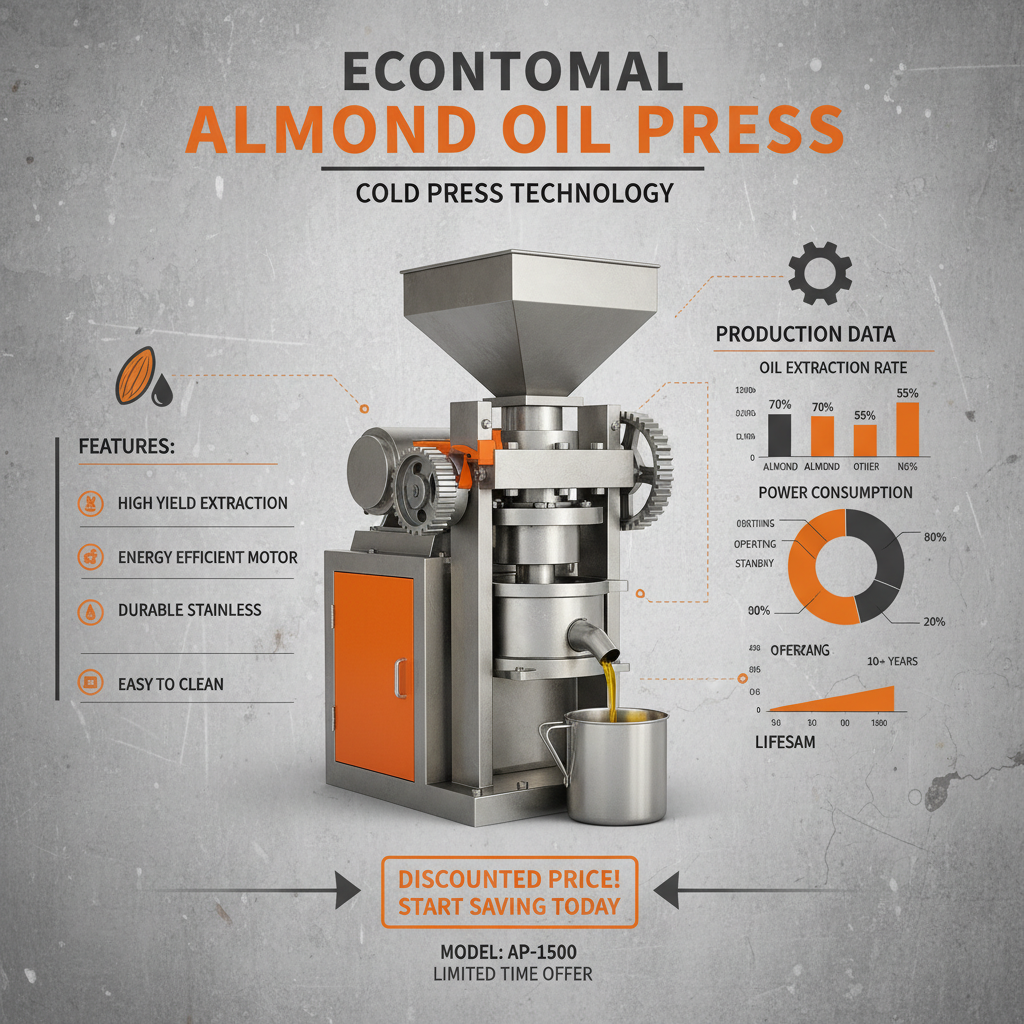
Cold pressing extracts oil at lower temperatures (typically below 120°F/49°C), preserving more of the oil’s natural flavor, aroma, and nutritional value. However, it generally yields less oil than hot pressing. Hot pressing, which involves heating the soybeans before pressing, increases oil yield but can degrade some of the oil’s quality. The choice between cold and hot pressing depends on the desired oil characteristics and the overall processing goals. Soybean oil press machines are often capable of both methods.
Soybean meal is a valuable byproduct rich in protein, making it an excellent feed ingredient for livestock and poultry. It can be directly fed to animals, incorporated into animal feed formulations, or further processed into soybean meal pellets for easier handling and storage. In some cases, soybean meal can also be used as a fertilizer or as a component in various industrial products. Proper storage and handling are crucial to prevent spoilage and maintain its nutritional value.
Operating a soybean oil press involves several safety considerations. Always wear appropriate personal protective equipment (PPE), including safety glasses, gloves, and hearing protection. Ensure the press is properly grounded to prevent electrical hazards. Never attempt to repair or maintain the press while it’s running. Be aware of pinch points and moving parts. Follow the manufacturer’s safety guidelines and provide adequate training to all operators. A well-maintained and properly operated soybean oil press is essential for safe operation.
Conclusion
In conclusion, the soybean oil press is an indispensable component of the global food system, playing a critical role in the production of edible oil and animal feed. From its historical evolution to its modern innovations, the technology has continually adapted to meet the growing demands of a changing world. Understanding the key factors influencing its efficiency, scalability, and sustainability is paramount for professionals in the agricultural sector and beyond.
Looking ahead, continued advancements in automation, digitalization, and green energy integration will shape the future of soybean oil press technology. Investing in research and development, embracing sustainable practices, and prioritizing operator safety are essential to unlock the full potential of this vital technology and ensure a secure and sustainable food supply for generations to come. Visit our website at www.oilmillchina.com to learn more about our comprehensive range of soybean oil press solutions.