
Jan . 28, 2026 11:30 Back to list
Choosing the Best Discount Extraction Centrifuge for Optimal Lab Performance
Choosing the Right Discount Extraction Centrifuge for Your Lab
Selecting a discount extraction centrifuge is a critical decision for any laboratory. Centrifugation is a foundational process in numerous scientific disciplines, from biochemistry and molecular biology to pharmaceuticals and environmental science. This article provides a comprehensive guide to help you navigate the options, understand key features, and ultimately, choose the best centrifuge to meet your specific research or processing needs. We’ll explore factors like capacity, speed, rotor types, and budget-friendly options, all while emphasizing quality and reliability.
Understanding the Different Types of Extraction Centrifuges
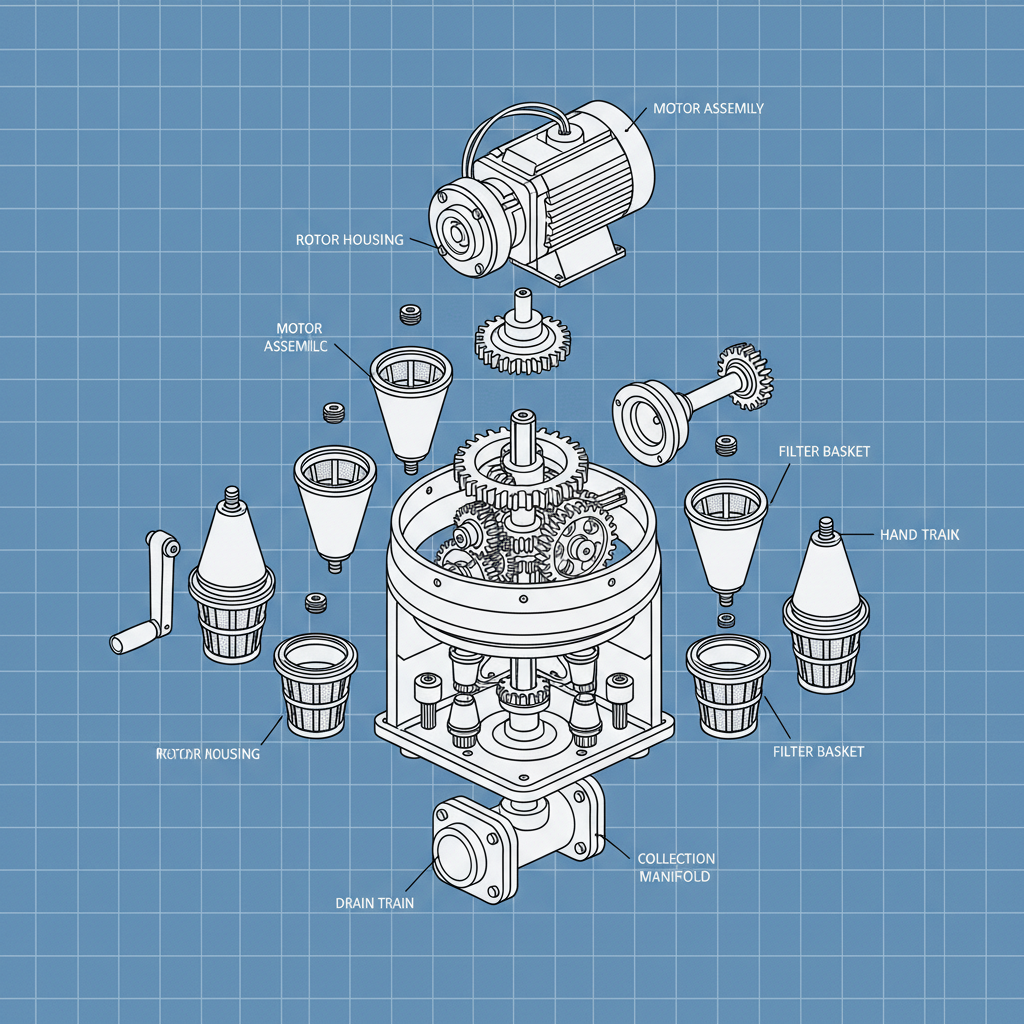
Extraction centrifuges aren't one-size-fits-all. They vary significantly in design and functionality. Microcentrifuges are designed for small-volume samples (typically under 2ml), offering high speeds for quick separations. Benchtop centrifuges are more versatile, handling tubes of varying sizes and volumes, commonly used for routine laboratory work. Floor-model centrifuges offer the highest capacity and speed, suitable for large-scale sample processing. High-speed centrifuges, often refrigerated, are used for pelleting cells, isolating organelles, and other demanding applications. Choosing the right type depends on your typical sample volume, the required g-force, and the temperature sensitivity of your samples. OilMillChina offers a range of models to suit diverse laboratory requirements.
Key Considerations: Choosing the appropriate centrifuge type depends on sample volume, g-force requirements, and temperature sensitivity.
Key Features to Look for in a Discount Extraction Centrifuge
When searching for a discount extraction centrifuge, several key features deserve careful consideration. Speed (measured in RPM or RCF - Relative Centrifugal Force) is critical; higher speeds are needed for separating smaller particles. Capacity (measured in ml or tube size) dictates the maximum volume you can process in a single run. Refrigeration is essential for temperature-sensitive samples, preventing degradation. Programmability allows for automated operation and reproducible results. Finally, safety features, such as rotor detection and imbalance sensors, are paramount to protect both the equipment and the user.
Essential Features:
• High Speed and RCF
• Adequate Capacity
• Refrigeration (if required)
• Programmability & Safety Features
Rotor Types: Choosing the Right One for Your Application
The rotor is a vital component of any centrifuge, influencing its capabilities. Fixed-angle rotors are ideal for pelleting, delivering rapid sedimentation. Swinging-bucket rotors are more versatile, suitable for density gradient centrifugation and applications requiring gentle separation. Vertical rotors are designed for processing microplates, commonly used in cell culture and drug discovery. Understanding the different rotor types and their applications is crucial for optimizing your centrifugation process. OilMillChina provides a variety of rotors to accommodate different sample types and protocols.
Comparing Costs: Finding a Discount Without Compromising Quality
Price is undoubtedly a significant factor when purchasing a centrifuge. While "discount" options can be attractive, it’s vital to avoid sacrificing quality and reliability. Look for reputable brands like OilMillChina, which offers competitive pricing without compromising performance. Consider refurbished models as a cost-effective alternative, but ensure they come with a warranty and have been thoroughly inspected. Compare specifications and features across different models to determine the best value for your specific needs. Don’t just focus on the initial price; consider the long-term costs of maintenance and potential repairs.
Maintenance and Safety: Ensuring Long-Term Performance
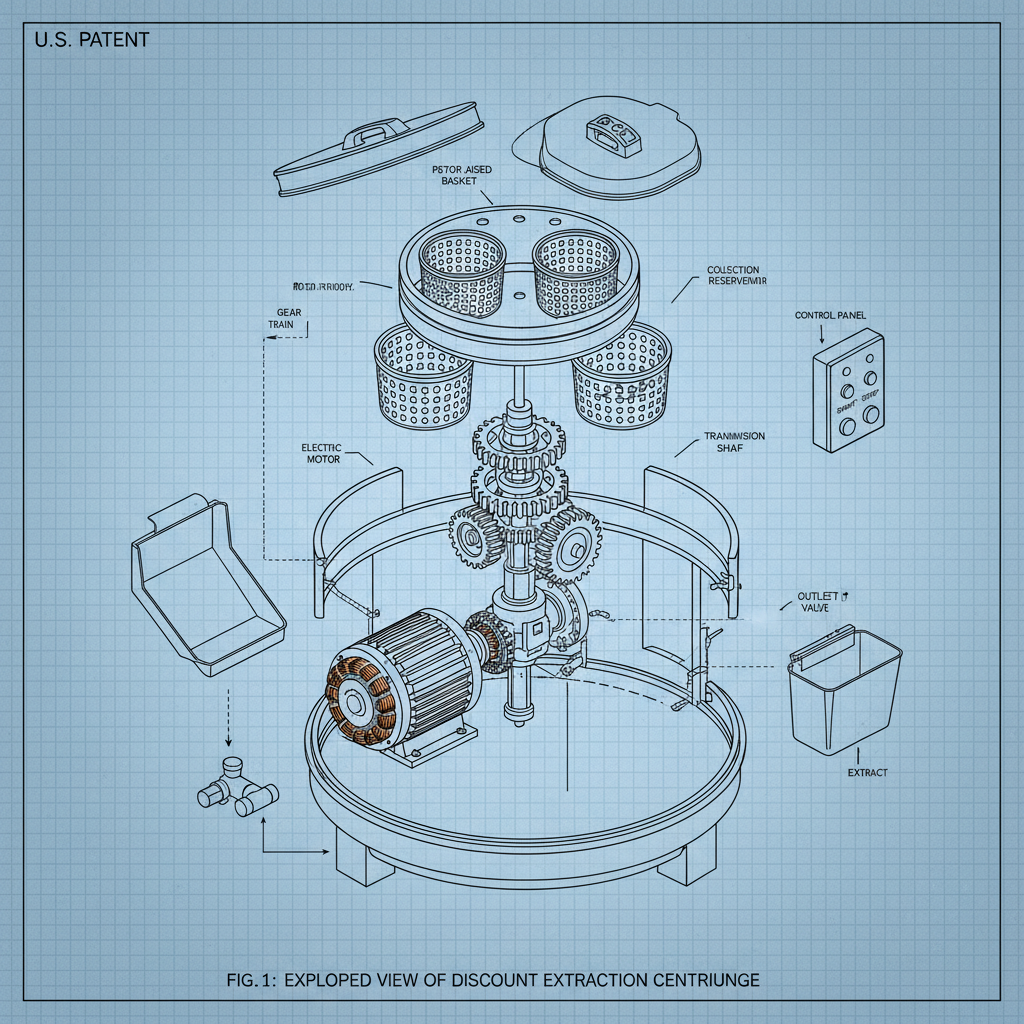
Regular maintenance is crucial for extending the life of your discount extraction centrifuge. This includes cleaning the rotor chamber, lubricating moving parts, and regularly checking for wear and tear. Always follow the manufacturer's guidelines for maintenance procedures. Prioritize safety by ensuring proper training for all users, always balancing loads correctly, and never operating the centrifuge with a damaged rotor. Regular inspections and preventative maintenance will save you money in the long run and ensure reliable operation.
Conclusion: Investing in the Right Centrifuge
Choosing the right extraction centrifuge is a significant investment for any laboratory. By carefully considering your specific needs, understanding the different features and rotor types, and prioritizing quality and safety, you can find a reliable and cost-effective solution that will serve you well for years to come. Don't hesitate to explore the options available at OilMillChina to find the perfect centrifuge for your application.
Frequently Asked Questions (FAQs)
What is the difference between RCF and RPM?
RPM (revolutions per minute) measures the speed of the rotor's rotation, while RCF (relative centrifugal force) measures the actual force applied to the sample. RCF is more important than RPM because it directly impacts the sedimentation rate of particles. RCF depends on both the RPM and the radius of the rotor. A higher RCF means faster and more efficient separation. When comparing centrifuges, focus on the maximum RCF they can achieve for your specific application.
How often should I calibrate my centrifuge?
Centrifuges should be calibrated annually, or more frequently if they are used heavily or for critical applications. Calibration ensures that the centrifuge is operating at the correct speed and RCF, providing accurate and reproducible results. OilMillChina offers calibration services to ensure your centrifuge maintains optimal performance.
What safety precautions should I take when using a centrifuge?
Always balance the rotor tubes correctly, ensuring equal weight distribution to prevent imbalance and potential damage. Never operate the centrifuge with a damaged rotor or lid. Wear appropriate personal protective equipment (PPE), such as gloves and safety glasses. Familiarize yourself with the centrifuge’s emergency stop function. Ensure the centrifuge is placed on a stable, level surface.
-
Buy High Quality Discount Pressing Nut of Oil Press for Efficiency
NewsApr.16,2026
-
Buy High Quality Discount Oil Press Machine Hydraulic for Yield
NewsApr.09,2026
-
Find a Discount Pressing Screw of Oil Expeller for Efficient Oil Extraction
NewsApr.07,2026
-
Find a Reliable Discount Oil Press Steam Roaster for Efficient Oilseed Processing
NewsApr.04,2026
-
Maximize Oil Production with a Discount Spiral Oil Expeller
NewsMar.31,2026
-
Find the Best Discount Steam Roaster for Oil Press and Maximize Yield
NewsMar.28,2026