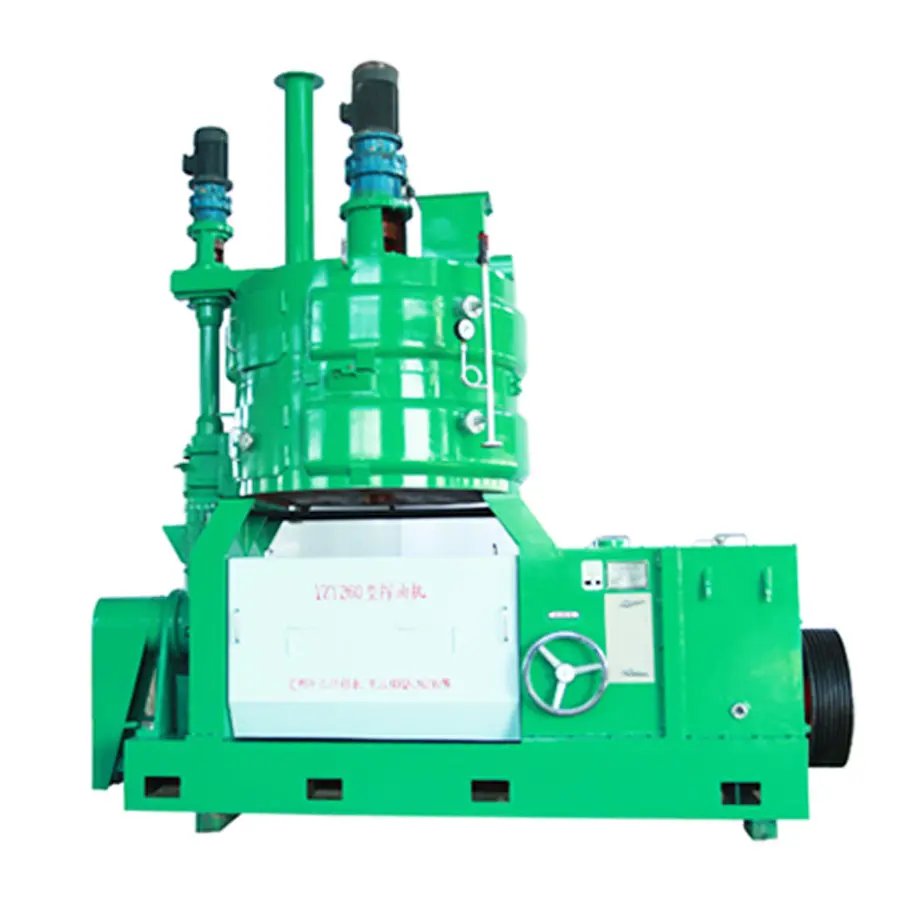
High-Efficiency oil expeller Solutions for Peru's Agri-Industry

Empowering Peruvian oilseed processors with industrial-grade extraction technology to maximize yield and purity in the heart of South America.

High-Efficiency oil expeller Solutions for Peru's Agri-Industry

Our advanced extraction systems are engineered to handle the diverse oilseed profiles found in Peru, ensuring maximum recovery and sustainable production for local manufacturers.

The Current Landscape of Oil Extraction in Peru

Analyzing the intersection of Andean biodiversity and industrial processing needs.

Peru possesses a rich variety of oil-bearing crops, from palm oil in the Amazonian regions to specialty seeds in the highlands. Currently, many local producers rely on a mix of artisanal methods and aging machinery, which often results in high residual oil content in the cakes and inconsistent quality. The demand for a robust oil press machine has surged as the country shifts toward value-added agricultural exports.

Geographically, the extreme variations in humidity between the coastal deserts and the rainforest present significant challenges for machinery durability. Peruvian operators require equipment that can withstand corrosive environments while maintaining the precision necessary for high-grade vegetable oils. This has led to a transition toward stainless steel components and reinforced gearing in modern extraction plants.

Economically, the rise of the "superfood" trend globally has put pressure on Peruvian processors to adopt a cold press oil machine to preserve the nutritional integrity and bioactive compounds of indigenous seeds. The market is moving away from chemical solvent extraction toward mechanical pressing to meet organic certification standards for the EU and US markets.
Technological Evolution and Growth Trajectory

From traditional screw presses to intelligent automated extraction systems.

Market Development History

Prior to 2010, the Peruvian market was dominated by basic hydraulic presses and imported second-hand equipment. These systems lacked temperature control, often leading to the degradation of oil quality during the heating process, limiting the export potential of Peruvian oils.

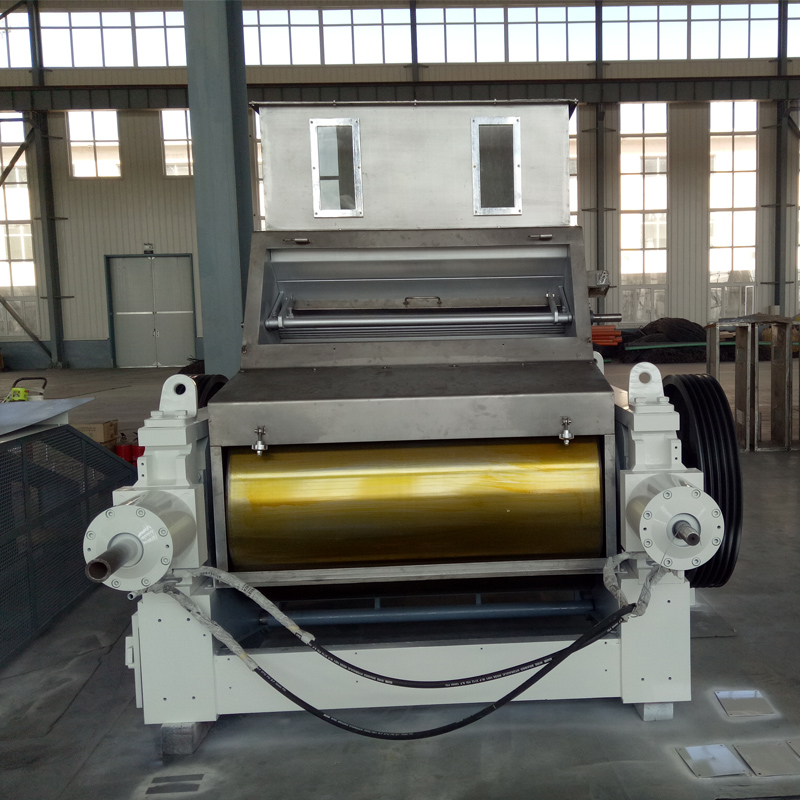
Between 2011 and 2020, the introduction of the industrial oil pressing machine with adjustable pressure settings allowed processors to handle multiple seed types on a single line. This period marked the professionalization of the industry, with a focus on increasing the throughput for soy and sunflower seeds.

Since 2021, the focus has shifted toward "Smart Pressing." The integration of PLC controls and real-time sensors has enabled Peruvian factories to optimize oil yields based on the moisture content of the raw material, reducing energy consumption by up to 15%.

Future Development Trends

Precision Temperature Control

Future systems will incorporate AI-driven thermal monitoring to prevent overheating, ensuring that the cold-pressed nature of specialty oils is maintained throughout the cycle.

Modular Scalability

We anticipate a trend toward modular oil press units that allow small-scale Peruvian farmers to expand their capacity incrementally without replacing their entire infrastructure.

Zero-Waste Integration

Integration with advanced cake-processing systems will become standard, turning the byproduct of oil extraction into high-protein animal feed for Peru's growing livestock sector.

Strategic Trends and Future Outlook for Peru

Forecasting the next 5 years of mechanical oil extraction technology.

Eco-Friendly Extraction
Shift towards solvent-free mechanical pressing to meet stringent EU organic import regulations.
IoT Integration
Implementation of remote monitoring for equipment health and oil yield analytics across rural sites.
Energy Efficiency
Adoption of high-torque, low-energy motors to reduce operational costs in energy-expensive regions.
Material Specialization
Development of specialized screws for high-viscosity tropical oils and hard-shell seeds.

Industry Outlook

Based on current Google search trends for "sustainable oil production" and "organic pressing" in South America, we predict a significant shift toward decentralized processing. Small to medium enterprises in Peru will increasingly invest in mid-sized, high-efficiency plants that can be located closer to the farms to reduce transport costs and raw material spoilage.

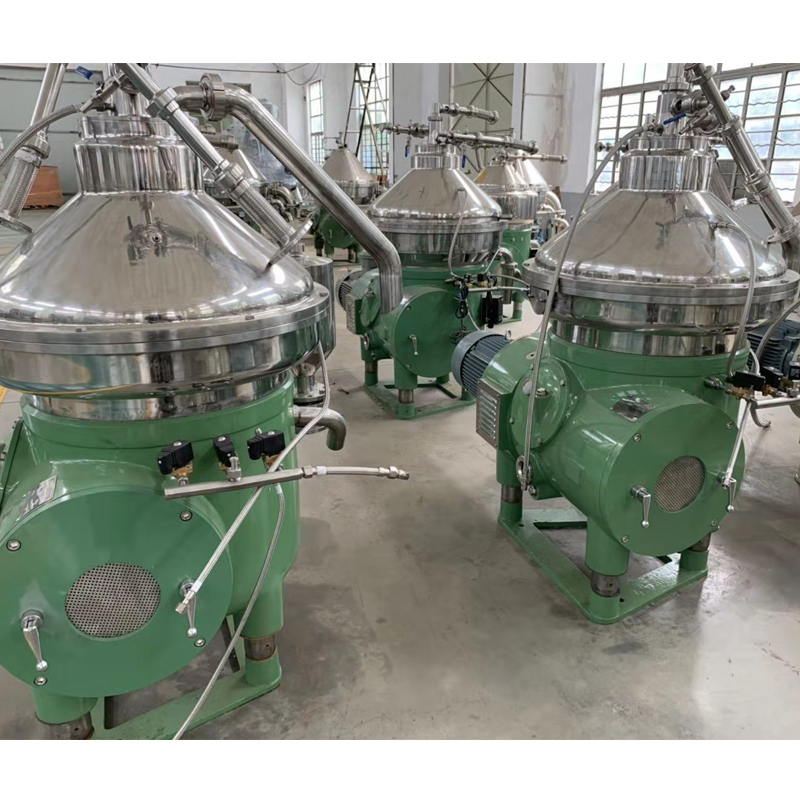
Furthermore, the convergence of food security initiatives and industrialization will drive the adoption of hybrid systems—combining mechanical pressing with refined filtration—to create a "factory-to-bottle" streamlined process that increases the profit margin for Peruvian exporters.

Localized Application Scenarios in Peru

Tailored extraction solutions for Peru's diverse agricultural landscape.

1. Amazonian Palm Oil Processing

Utilizing high-capacity industrial expellers to process fresh palm fruit in the Loreto region, focusing on high throughput and heat stability to prevent oxidation of the tropical oil.

2. Andean Specialty Seed Extraction

Implementing small-scale cold press systems for high-value seeds like Quinoa and Sacha Inchi, preserving essential omega fatty acids for the pharmaceutical and health-food markets.

3. Coastal Sunflower and Soy Hubs

Deploying large-scale continuous pressing lines in coastal industrial zones to meet the domestic demand for cooking oils, optimizing for maximum residue dryness.

4. Artisanal Olive Oil Cooperatives

Providing precision-controlled pressing equipment for the Ica region's olive groves, ensuring the delicate flavor profiles are maintained through controlled pressure application.

5. Peanut Oil Production for Local Markets

Integrating compact extraction units for community-based peanut processing, enabling local farmers to sell refined oil rather than raw nuts, increasing local income.

Brand Story

Global Development Journey of Hebei Huipin Machinery Equipment Co., Ltd.

Industrial Foundations

Established with a focus on heavy-duty mechanical engineering, we began by solving the most basic pain point of the industry: equipment wear and tear during high-pressure extraction.

Technological Breakthrough

We pioneered the heat-treated alloy screw design, which significantly extended the lifespan of the press and reduced downtime for our global clients.

Global Market Expansion

Expanding into South America, we adapted our machinery to handle the unique oilseed profiles of regions like Peru, ensuring versatility across different crop types.

Commitment to Sustainability

Our mission evolved to promote solvent-free extraction, helping thousands of factories transition to eco-friendly mechanical pressing methods.

Industry Leadership

Today, we stand as a leading provider of food-grade processing equipment, dedicated to bridging the gap between agricultural harvest and industrial value.

Complete Product Portfolio for the Peruvian Market

From compact home-business units to full-scale industrial extraction lines.

Common Questions for Oil Processing in Peru

Expert answers to technical and operational queries.

Which oil press machine is best for Sacha Inchi seeds in Peru?

For Sacha Inchi, we highly recommend a cold press oil machine. This ensures that the delicate omega-3 and omega-6 fatty acids are not destroyed by heat, maintaining the seed's premium pharmaceutical value.

How to increase the yield of a screw oil expeller?

Increasing yield depends on raw material preparation. We suggest optimizing the moisture content to 7-10% and using a pre-heating system to reduce the viscosity of the oil before it enters the expeller.

What is the maintenance cycle for an industrial oil pressing machine?

For high-intensity use in Peru's industrial hubs, we recommend a daily check of the heating elements and a comprehensive wear-analysis of the screw and barrel every 1,000 operating hours.

Can one oil press handle both sunflower and peanut seeds?

Yes, our versatile machines allow for adjustable pressure and temperature, making them suitable for various oilseeds, provided the screw profile is compatible with both seed sizes.

How does humidity in the Amazon affect the oil press performance?

High humidity can increase the moisture of seeds, leading to "wet cakes" and lower oil recovery. We recommend installing a dryer before the pressing stage to stabilize raw material moisture.

What is the energy consumption of a commercial cold press oil machine?

Energy consumption varies by capacity, but our latest generation of motors is designed for high torque with low amperage, significantly reducing the cost per liter of oil produced.

Ready to Optimize Your Oil Production?

Our technical team is ready to provide customized extraction layouts and machinery selection for your project in Peru.

Contact Us Now

You have selected 0 products