
Apr . 07, 2026 01:55 Back to list
Find a Discount Pressing Screw of Oil Expeller for Efficient Oil Extraction
The Ultimate Guide to a Discount Pressing Screw of Oil Expeller
Investing in an oil expeller is a crucial step for businesses looking to process oilseeds efficiently and sustainably. However, the cost of replacement parts, particularly the pressing screw, can be significant. This article explores how to find a discount pressing screw of oil expeller, factors to consider when purchasing, and ensuring compatibility with your existing equipment. A reliable pressing screw is vital for optimal oil extraction and consistent performance. We’ll guide you through the process of finding a cost-effective and high-quality solution for your oil processing needs.
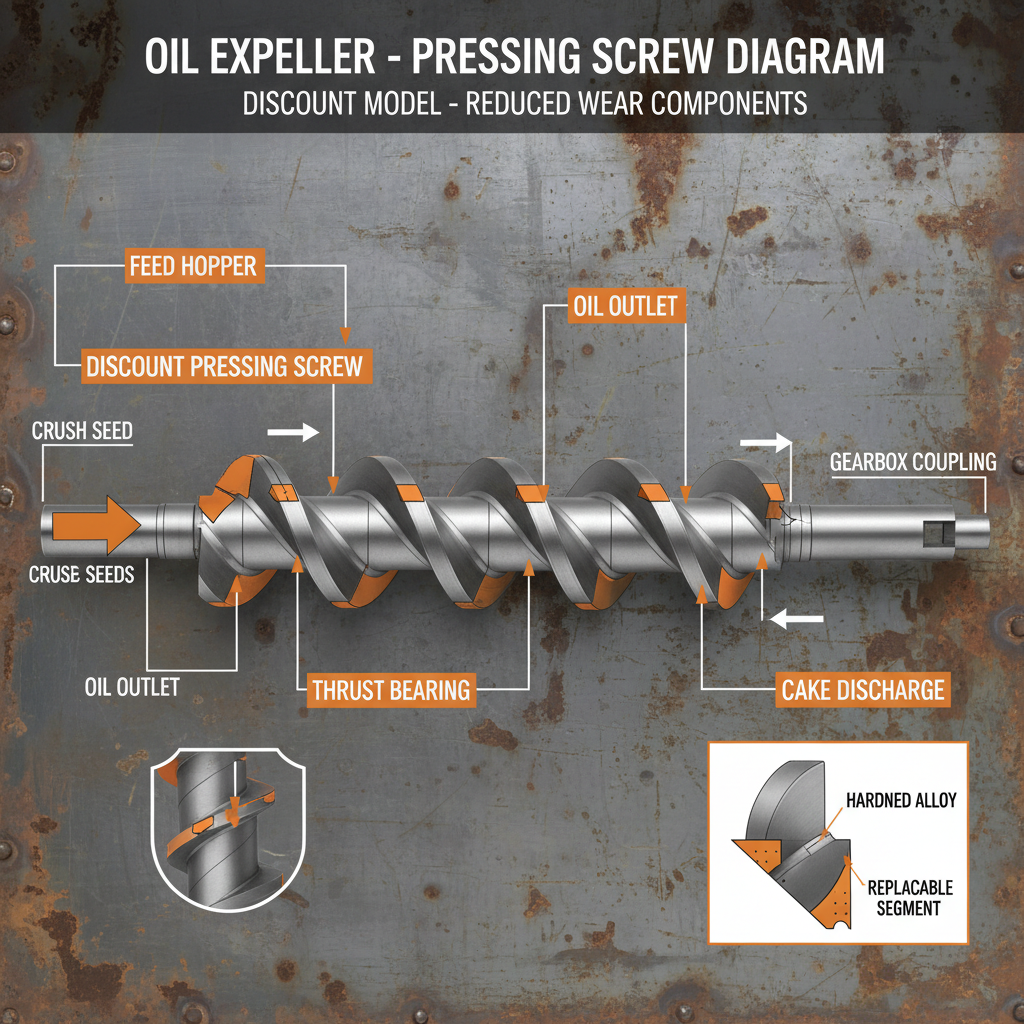
Understanding the Importance of the Pressing Screw
The pressing screw is the heart of any oil expeller. It's responsible for applying the necessary pressure to crush oilseeds and extract the oil. Over time, the constant friction and pressure cause wear and tear on the screw, reducing its efficiency. A worn pressing screw can lead to lower oil yields, increased energy consumption, and even damage to the expeller itself. Regular replacement of the screw is therefore essential for maintaining optimal performance. Choosing a discount pressing screw doesn't mean compromising quality; it means smart sourcing.
Key Takeaway: A high-quality pressing screw is fundamental to efficient oil extraction and long-term expeller performance.
Factors Affecting the Cost of a Pressing Screw
Several factors influence the price of an oil expeller pressing screw. These include the material used (typically hardened steel), the manufacturing process, the size and complexity of the screw, and the supplier. Higher-quality materials and more precise manufacturing techniques generally result in a more expensive screw, but also a longer lifespan and better performance. However, it’s possible to find a discount pressing screw without sacrificing durability.
Cost Influencing Factors:
• Material Quality (Hardened Steel)
• Manufacturing Precision
• Screw Size and Complexity
• Supplier Reputation
Finding a Discount Pressing Screw of Oil Expeller: Strategies and Sources
Securing a discount pressing screw of oil expeller requires a strategic approach. Here are a few effective methods: Directly contacting manufacturers like OilMillChina often yields better pricing than distributors. Comparing quotes from multiple suppliers is essential. Looking for seasonal sales or promotions can lead to significant savings. Considering refurbished or used screws (from reputable sources) is another option, but ensure they’ve been thoroughly inspected and meet quality standards. Finally, bulk purchasing, if feasible, can unlock substantial discounts.
Ensuring Compatibility and Quality
Before purchasing a discount pressing screw, it’s crucial to verify its compatibility with your specific oil expeller model. Incorrectly sized or designed screws can damage the equipment or lead to inefficient oil extraction. Always provide the manufacturer or supplier with the model number and specifications of your expeller. Furthermore, inspect the screw for any visible defects, such as cracks, wear, or corrosion. Choose a supplier with a solid reputation for quality and customer service.
Long-Term Cost Savings and Maintenance Tips
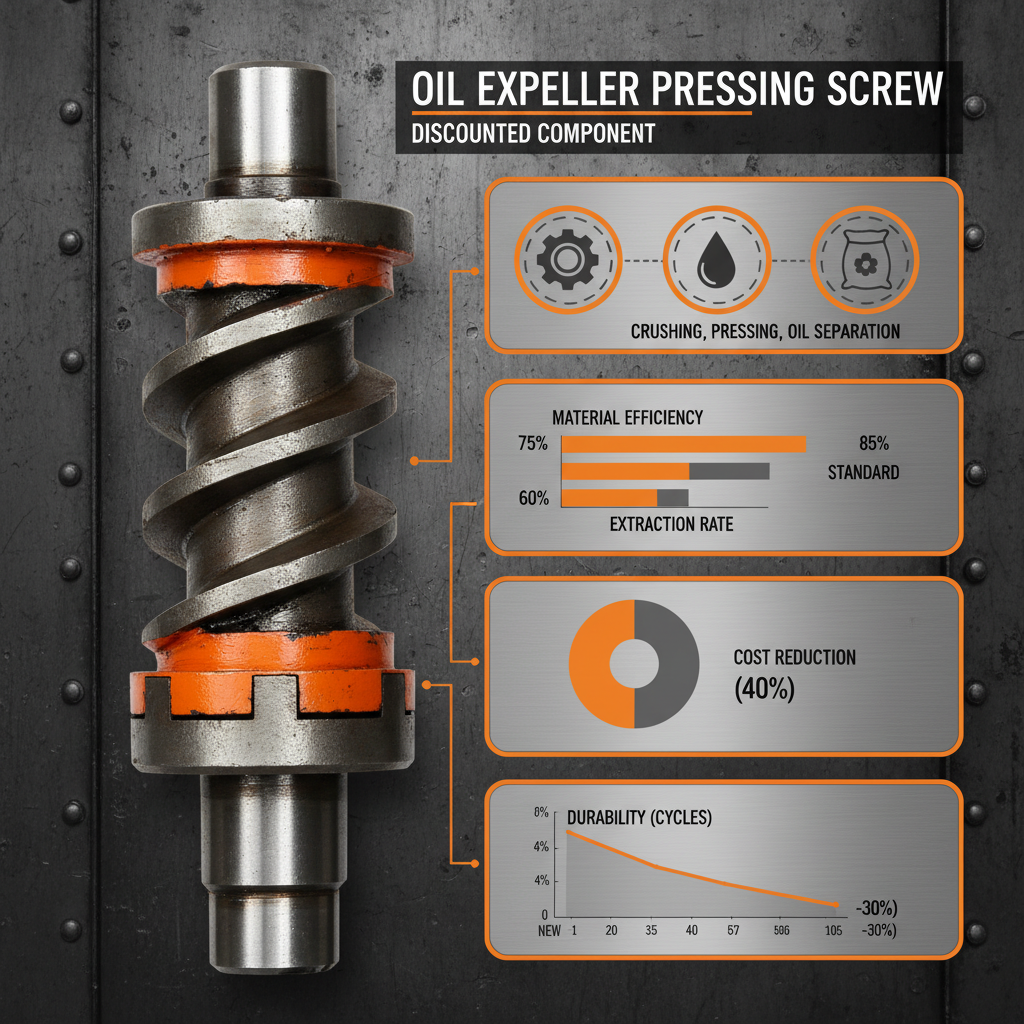
Investing in a quality, even if discount pressing screw, paired with proper maintenance, translates to long-term cost savings. Regularly clean the screw after each use to remove oilseed residue. Lubricate the screw according to the manufacturer’s recommendations. Periodically inspect the screw for wear and tear and replace it proactively to prevent more significant damage. These simple maintenance practices will maximize the lifespan of the screw and ensure consistent oil extraction efficiency.
Conclusion: Smart Sourcing for Optimal Oil Extraction
Finding a discount pressing screw of oil expeller is achievable through strategic sourcing, careful consideration of quality and compatibility, and consistent maintenance. By following the guidelines outlined in this article, you can ensure efficient oil extraction and maximize the return on your investment. Don’t compromise on the heart of your oil expeller – choose wisely and maintain diligently.
Frequently Asked Questions (FAQs)
How often should I replace my oil expeller pressing screw?
The replacement frequency depends on your usage and the types of oilseeds processed. Generally, a screw should be inspected every 6-12 months. Heavier usage or processing abrasive seeds (like sunflower) will necessitate more frequent inspection and potential replacement. Signs of wear include reduced oil yield, increased noise during operation, and visible damage to the screw's threads. Proactive replacement is crucial to avoid damage to the expeller itself.
What materials are pressing screws typically made of?
Pressing screws are almost exclusively made from hardened steel alloys. The specific alloy used varies, but common choices include tool steel and alloy steel, chosen for their high strength, wear resistance, and ability to withstand the immense pressures involved in oil extraction. The hardening process further enhances the screw’s durability. The quality of the steel is a major factor in determining the screw’s lifespan.
What should I look for when inspecting a used pressing screw?
When considering a used screw, meticulously inspect it for any signs of damage. Look for cracks, particularly around the threads. Check for excessive wear on the threads, which can indicate reduced efficiency. Inspect for corrosion or pitting, which can weaken the screw. Also, ensure the screw is complete and hasn’t been modified or repaired in a way that compromises its integrity. If possible, obtain a history of the screw's usage.
-
Buy High Quality Discount Pressing Nut of Oil Press for Efficiency
NewsApr.16,2026
-
Buy High Quality Discount Oil Press Machine Hydraulic for Yield
NewsApr.09,2026
-
Find a Discount Pressing Screw of Oil Expeller for Efficient Oil Extraction
NewsApr.07,2026
-
Find a Reliable Discount Oil Press Steam Roaster for Efficient Oilseed Processing
NewsApr.04,2026
-
Maximize Oil Production with a Discount Spiral Oil Expeller
NewsMar.31,2026
-
Find the Best Discount Steam Roaster for Oil Press and Maximize Yield
NewsMar.28,2026