
Mar . 21, 2026 01:55 Back to list
Investing in a Discount Flaxseed Oil Refinery Unit for Optimal Production
Investing in a Discount Flaxseed Oil Refinery Unit: A Comprehensive Guide
The demand for high-quality flaxseed oil is steadily increasing due to its health benefits and versatile applications in food, cosmetics, and industrial sectors. For entrepreneurs and businesses looking to enter or expand within this market, procuring a discount flaxseed oil refinery unit represents a significant opportunity. This article provides a detailed overview of factors to consider when investing, benefits of choosing the right unit, and how to maximize your return on investment. We'll explore everything from initial costs to long-term operational efficiency, helping you make an informed decision.
Understanding Flaxseed Oil Refining Processes
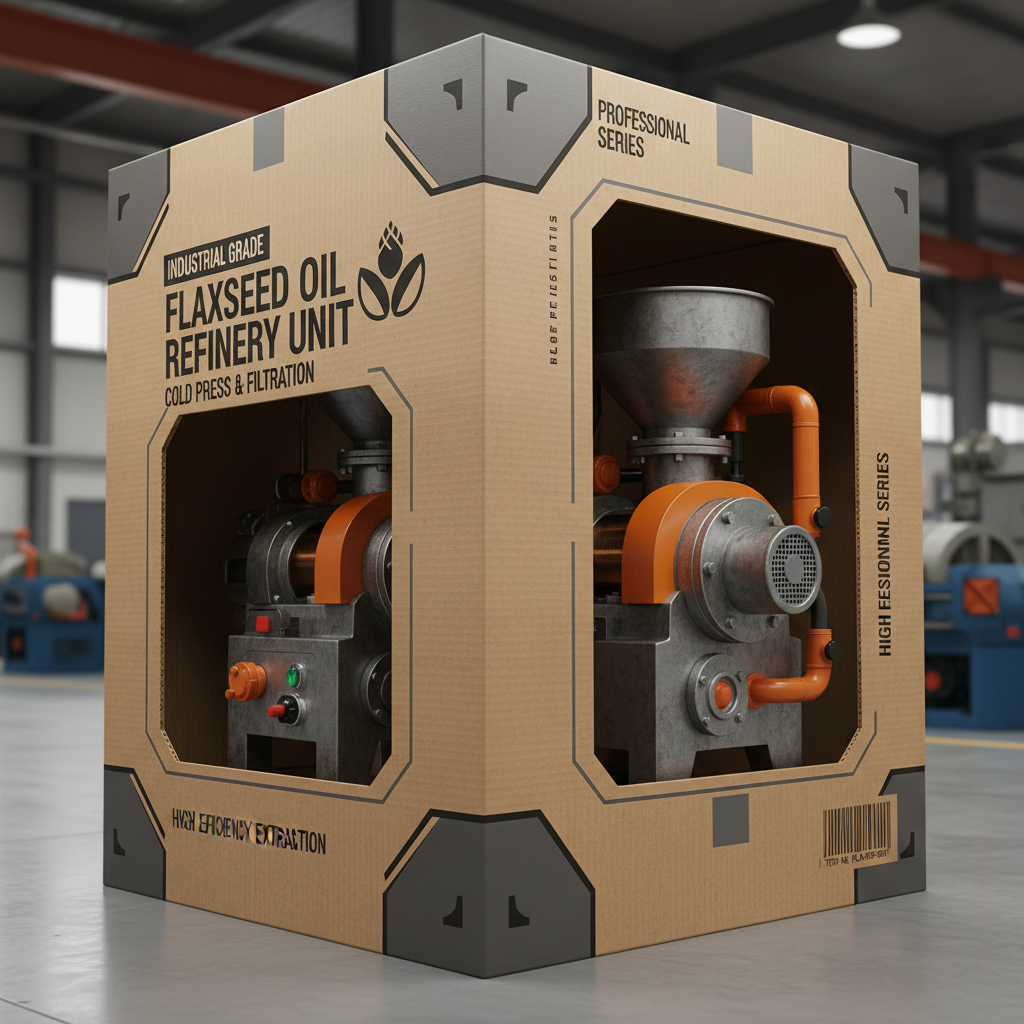
Flaxseed oil refining is a multi-stage process designed to remove impurities and enhance the oil's quality, stability, and shelf life. The common stages include degumming, neutralization, bleaching, and deodorization. Degumming removes phospholipids, neutralization eliminates free fatty acids, bleaching removes color pigments, and deodorization removes unwanted odors and flavors. A comprehensive flaxseed oil refinery unit will incorporate all these stages for optimal results. The efficiency and effectiveness of each stage significantly impact the final product's quality and market value.
Key Benefits of Investing in a Refinery Unit: Enhanced oil quality, Increased shelf life, Improved oil clarity, Wider market applicability, Reduced processing costs.
Key Considerations When Choosing a Discount Flaxseed Oil Refinery Unit
Finding a ‘discount’ doesn’t mean sacrificing quality. Several factors are crucial when selecting a suitable unit. Capacity is paramount – determine your production volume requirements to avoid over or under-investment. Automation levels impact labor costs and efficiency; more automated units require less manual intervention. Energy efficiency is vital for minimizing operational costs and environmental impact. Furthermore, consider the manufacturer’s reputation, after-sales service, and availability of spare parts. Thorough research and due diligence are essential.
Essential Selection Criteria:
• Production Capacity
• Automation Level
• Energy Efficiency
• Manufacturer Reputation & Support
Comparing Different Types of Flaxseed Oil Refinery Units
Flaxseed oil refinery units come in various configurations, each suited to different production scales and budgets. Batch refinery units are ideal for smaller operations, offering flexibility and lower initial investment. Continuous refinery units are designed for large-scale production, providing higher efficiency and automation. Semi-continuous units offer a compromise between the two. The best choice depends on your specific needs and long-term goals. OilMillChina offers a range of both batch and continuous systems.
Maximizing ROI with a Discount Flaxseed Oil Refinery Unit
Securing a discount flaxseed oil refinery unit is only the first step. Maximizing your return on investment requires a strategic approach. Focus on optimizing production efficiency, minimizing waste, and securing reliable sourcing of flaxseed. Developing strong relationships with buyers and exploring niche markets for specialty flaxseed oil products can also boost profitability. Regular maintenance and prompt repair of your unit are critical to avoid costly downtime.
Essential Components and Their Costs
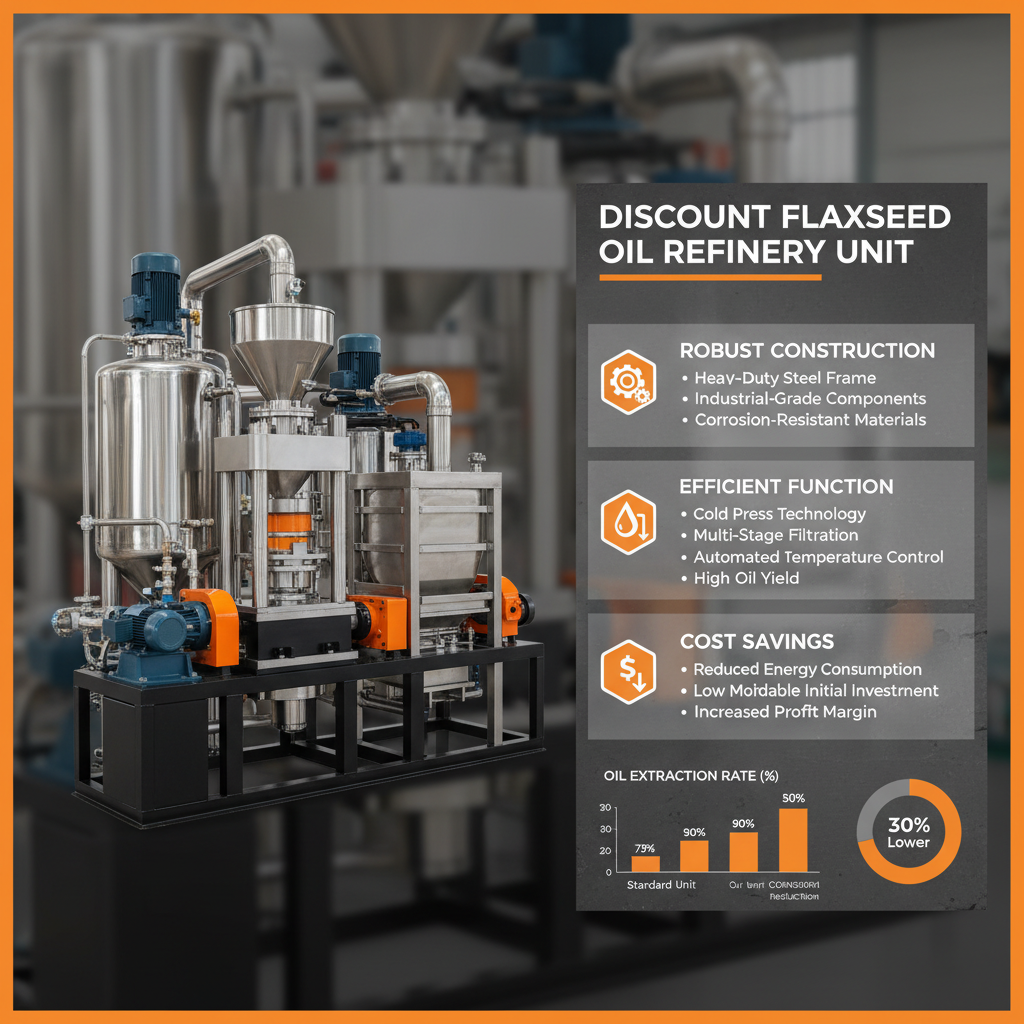
Understanding the cost breakdown of a flaxseed oil refinery unit is vital for budgeting. Here's an approximate cost structure. The following is an estimated cost structure: Degumming system ($5,000-$15,000), Neutralization system ($8,000 - $20,000), Bleaching system ($10,000 - $25,000), Deodorization system ($15,000 - $40,000), Filtration system ($3,000 - $8,000), Control system ($2,000 - $6,000). This does not include installation, shipping, or auxiliary equipment. The total cost can vary depending on the scale, automation, and specific features of the unit.
Conclusion: Empowering Your Flaxseed Oil Business
Investing in a discount flaxseed oil refinery unit can be a game-changer for your business. By carefully considering your needs, choosing a reputable supplier like OilMillChina, and implementing efficient operational practices, you can unlock significant profitability and establish a strong presence in the growing flaxseed oil market.
Frequently Asked Questions (FAQs)
What is the typical lead time for a flaxseed oil refinery unit?
Lead times can vary significantly based on the complexity of the unit and the manufacturer’s production schedule. Generally, standard units may have a lead time of 4-8 weeks, while customized units can take 8-12 weeks or longer. It's crucial to confirm lead times with the supplier during the quoting process to ensure it aligns with your project timeline. Factors like component availability and shipping distances can also impact delivery times.
What kind of after-sales support does OilMillChina provide?
OilMillChina offers comprehensive after-sales support, including installation guidance, operator training, technical assistance, and spare parts availability. They provide detailed manuals and online resources to help customers operate and maintain their equipment effectively. Their technical support team is available to address any issues or concerns promptly. They also offer on-site maintenance services for specific requirements.
What are the typical energy consumption rates for a flaxseed oil refinery unit?
Energy consumption rates vary depending on the unit's capacity, automation level, and the efficiency of its components. Generally, a small-scale batch unit may consume around 5-10 kWh per hour, while a large-scale continuous unit could consume 20-50 kWh per hour or more. Investing in energy-efficient models and implementing energy-saving practices can significantly reduce operational costs.
What safety features should I look for in a refinery unit?
Safety is paramount. Essential safety features include emergency shutdown systems, temperature and pressure control mechanisms, safety valves, and proper grounding. The unit should also comply with relevant safety standards and regulations. It’s crucial to provide adequate training to operators on safe operating procedures and emergency protocols.
-
Buy High Quality Discount Pressing Nut of Oil Press for Efficiency
NewsApr.16,2026
-
Buy High Quality Discount Oil Press Machine Hydraulic for Yield
NewsApr.09,2026
-
Find a Discount Pressing Screw of Oil Expeller for Efficient Oil Extraction
NewsApr.07,2026
-
Find a Reliable Discount Oil Press Steam Roaster for Efficient Oilseed Processing
NewsApr.04,2026
-
Maximize Oil Production with a Discount Spiral Oil Expeller
NewsMar.31,2026
-
Find the Best Discount Steam Roaster for Oil Press and Maximize Yield
NewsMar.28,2026