High Efficiency Equipment for Modern Vegetable Oil Factory
Establishing a high-efficiency oil processing facility requires more than just machinery; it demands a precise integration of extraction technology and refining chemistry. For operators looking to process seeds such as sunflower, rapeseed, or soybean, the transition from crude extract to a marketable edible oil involves complex stages of degumming, neutralization, and deodorization. Achieving high purity while minimizing yield loss is the primary challenge for any modern vegetable oil factory.
Huipin provides comprehensive engineering solutions that scale from 1 to 1000 tons per 24 hours. By combining advanced physical crushing techniques with rigorous chemical refining processes, we ensure that the final product meets international food safety standards. Our approach focuses on optimizing the recovery of fatty acids and removing impurities without compromising the nutritional profile of the oil.

Comprehensive Oil Extraction and Physical Pressing Capabilities
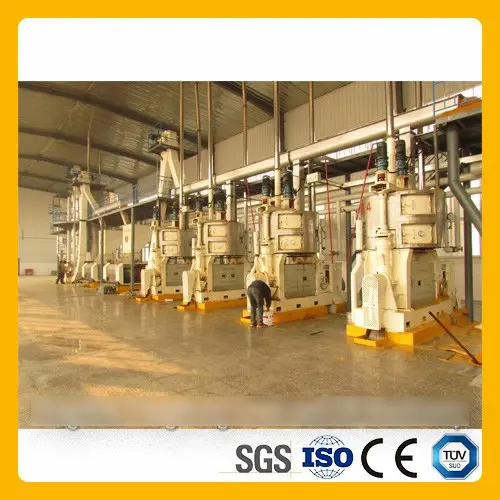
The foundation of quality edible oil begins with the precision of the initial press. Our equipment is engineered for the physical crushing of a wide array of raw materials, including peanut, cottonseed, corn germ, and palm oil. The core objective is to maximize the extraction rate while maintaining the structural integrity of the oil molecules.
We employ foreign advanced technology to ensure processing accuracy, which directly impacts the efficiency of the entire production line. Depending on the seed type, our systems can be customized for different pressure levels and temperature controls. This flexibility allows operators to handle diverse oilseeds—from the high-oil content of sunflower seeds to the specific requirements of cashew nut shell oil—within a single operational framework.
- High-Capacity Throughput: Systems designed for 1 to 1000 tons per day.
- Multi-Seed Compatibility: Optimized for soybean, rapeseed, and animal oils.
- Precision Engineering: Reduced wear on pressing components for longer service life.

Technical Breakdown of the Crude Oil Refining Process
Refining is the critical phase where crude oil is purified to remove gums, free fatty acids (FFAs), and pigments. The process generally follows a sequence of Degumming → Neutralization → Bleaching → Deodorization. Each step serves a specific chemical purpose to ensure the oil is bland, tasteless, and stable for long-term storage.
Degumming removes hydratable and non-hydratable gums, often using water or acid treatments. In the neutralization phase, caustic soda (NaOH) is typically used to remove FFAs, though many modern plants are shifting toward physical refining. Physical refining is often preferred because it avoids soap production, recovers fatty acids for better cost efficiency, and is a chemical-free process that reduces overall yield loss.
Finally, bleaching clays are used to adsorb color pigments, followed by steam distillation under high vacuum and temperature during deodorization. This removes volatile odor substances, resulting in a high-quality, clear edible oil suitable for consumer markets.
Engineering Layout and Customization for Oil Plants
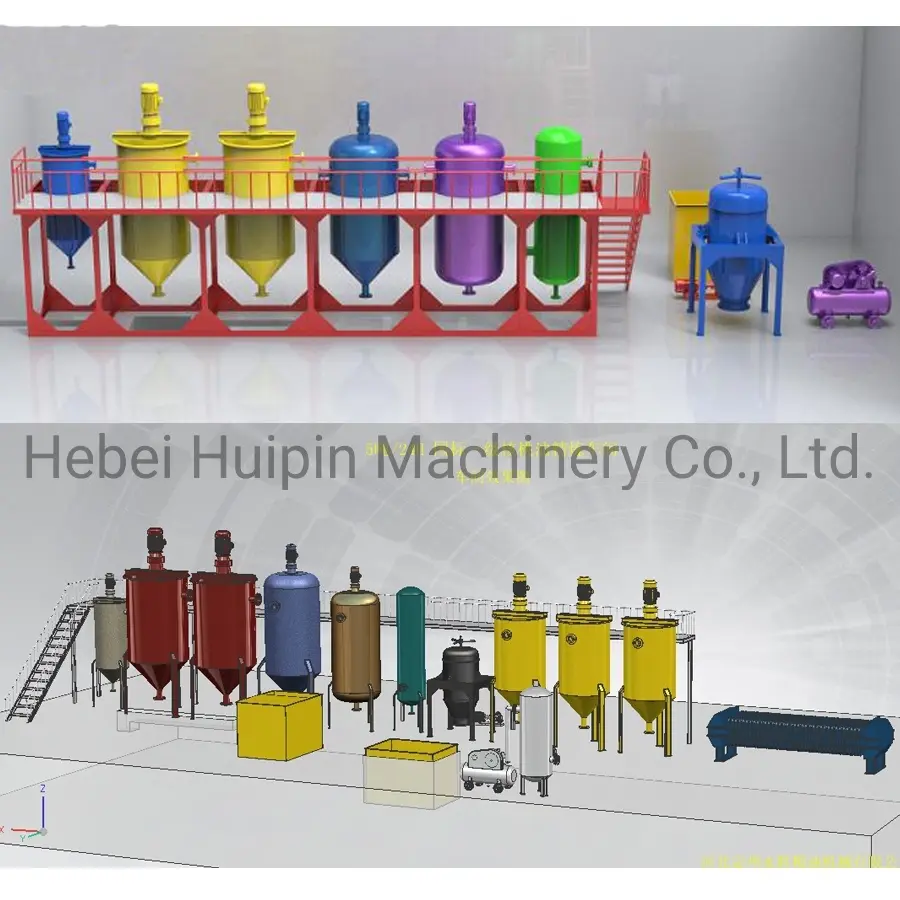
A successful production facility requires a logical flow from raw material cleaning to final filling. We provide complete sets of equipment covering pretreatment, leaching, and byproduct processing. This includes specialized phospholipid and protein engineering, allowing factories to turn waste streams into valuable secondary products.
Customization is central to our engineering approach. We evaluate the specific requirements of the client—such as the available floor space, the intended capacity, and the specific type of seed being processed—to design an optimal factory layout. This is particularly crucial for old plant transformations, where new technology must be integrated into existing infrastructure to solve bottlenecks in production.
Our professional technical engineers guide the entire lifecycle, from initial planning and quotation to the final commissioning and training of workshop operators. This ensures that the equipment runs at peak efficiency from day one.
Refining Method Comparison: Physical vs. Chemical
| Comparison Factor | Chemical Refining | Physical Refining | Impact on Yield |
|---|---|---|---|
| FFA Removal | Caustic Soda (NaOH) | High Temp Vacuum | Lower in Chemical |
| By-product | Soapstock produced | Recovered Fatty Acids | Higher Recovery in Physical |
| Chemical Usage | High (Acids/Bases) | Minimal/Chemical-free | Reduced OpEx in Physical |
| Process Complexity | Multi-stage washing | Integrated distillation | Simplified Workflow |
| Suitability | Low FFA oils | High FFA oils | Application-dependent |
Quality Assurance and After-Sales Support Framework
Reliability in the grain and oil industry is measured by consistency. Huipin adheres to a "reputation first" concept, ensuring that all grease equipment and accessories are produced independently in a first-class production base. By controlling the entire manufacturing process, we guarantee that the machinery can withstand the rigorous demands of continuous 24-hour operation.
Our commitment extends beyond the sale. We provide a 12-month warranty on all non-wearing parts and issue detailed English user manuals to facilitate smooth operation. Technical problems are addressed with timely responses, and replacement parts for quality issues are provided free of charge, ensuring that downtime is kept to an absolute minimum.
Pre-sale transparency is also a priority. We maintain 24-hour online availability to guide customers in choosing the most suitable model based on their specific raw materials and desired output, providing detailed specifications and factory pricing upfront.
Strategic Considerations for Scaling Oil Production
As the global demand for healthy edible oils grows, producers must focus on two main areas: energy efficiency and byproduct valorization. Reducing the steam and electricity consumption during the deodorization phase can significantly lower the cost per liter of oil produced.
Furthermore, integrating protein and phospholipid engineering allows a factory to diversify its revenue streams. Instead of treating the residue as waste, these systems extract high-value components that can be sold to the food additive or pharmaceutical industries. This holistic approach transforms a simple pressing operation into a sophisticated biorefinery.
For buyers, the key is to select equipment that is not only efficient today but adaptable for tomorrow. Modular designs that allow for the addition of new refining stages or increased capacity ensure that the investment remains viable as the business grows.
Technical FAQ on Oil Production and Refining
What is the difference between physical and chemical refining in an oil plant?
Chemical refining uses caustic soda to neutralize free fatty acids, creating soap as a byproduct. Physical refining uses high temperatures and vacuum distillation to evaporate fatty acids, which prevents soap formation and typically offers better yield recovery.
Which oilseeds can be processed using Huipin's pressing equipment?
Our equipment is compatible with a wide range of seeds, including sunflower, peanut, rapeseed, soybean, cottonseed, corn germ, coconut, safflower, palm, and cashew nut shell, as well as various animal oils.
How do you handle the removal of gums from crude vegetable oil?
We utilize two primary methods: Water Degumming for hydratable gums and Acid Degumming for non-hydratable gums. These processes ensure the oil is stable and clear before it moves to the bleaching and deodorization stages.
What is the typical capacity range for your oil production lines?
We can design and manufacture production lines ranging from small-scale operations of 1 ton per 24 hours up to large-scale industrial plants processing 1000 tons per 24 hours.
Does Huipin provide installation and operator training?
Yes, our engineers are responsible for guiding the installation and commissioning of the equipment. We also provide comprehensive training for workshop operators to ensure the system is run optimally.
What warranty is provided for the oil press machinery?
We provide a 12-month warranty on all equipment, excluding wearing parts. Any parts found to have quality issues during this period (except wearing parts) are replaced free of charge.
Technical Industry References
- FAO - Food and Agriculture Organization of the United Nations
- WHO - Food Safety Guidelines
- ISO - International Organization for Standardization
- Codex Alimentarius - International Food Standards
Investing in a professional vegetable oil factory requires a balance of high-performance hardware and expert engineering. From initial seed pressing to the final deodorized drop, Huipin provides the technology and support necessary to ensure purity, efficiency, and long-term profitability.
Related Engineering Solutions