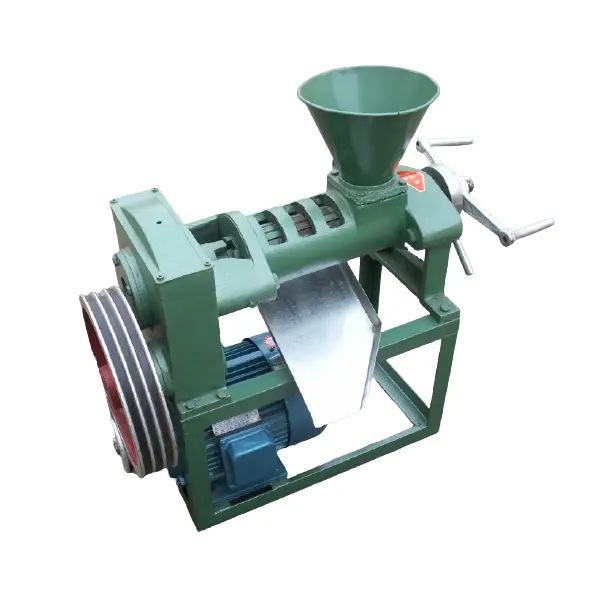
Efficient Cashew Shell Oil Production Line Filtration System
Optimizing the extraction of CNSL (Cashew Nut Shell Liquid) requires a precise balance of thermal treatment and efficient separation. For industrial operators, the challenge lies in maintaining an airtight environment to prevent the loss of volatile compounds while ensuring the final oil is free of suspended particulates. High-performance filtration is the cornerstone of a professional cashew shell oil production line, transforming raw liquid into a clarified, commercial-grade product. By utilizing advanced vibration technology and hydraulic control, processors can significantly reduce manual labor and increase the purity of their yield, meeting strict chemical and industrial standards for downstream applications.

Engineering the Horizontal Vibration Filter for High-Efficiency Clarification
The horizontal vibration filter is engineered as an automatic, airtight precision clarification system designed to handle the rigorous demands of oil and chemical processing. Unlike traditional open-air filters, this equipment utilizes a completely sealed filtration mechanism. This design is critical for processing sensitive liquids where leakage could lead to environmental pollution or the contamination of the final product. The system employs a double-sided filtration approach, which drastically expands the available filtration area, allowing for a higher volume of slag to be processed without frequent shutdowns.
At its core, the equipment focuses on energy efficiency and operational autonomy. The hydraulic control system manages the entire sequence of operation, from the initial filling of the tank to the final discharge of the filter cake. For maintenance teams, the screen plate features an automatic pull-out structure. This enables rapid observation and cleaning of the filter medium, ensuring that the system maintains peak throughput without requiring extensive disassembly or long periods of downtime.

Technical Mechanism and the Filtration Cycle
The operation of the vibration filter follows a sophisticated pressure-driven cycle. A filter pump delivers the raw filtrate into the main tank; under regulated pressure, solid impurities are intercepted by the specialized filter net, resulting in the gradual formation of a filter cake. As this cake thickens, the resistance increases and the internal tank pressure rises. Once a predefined pressure threshold is reached, the system triggers the slag discharge sequence to restore efficiency.
To ensure the recovery of dry or semi-dry filter cakes, the system integrates compressed air. When filtration stops, air is blown into the tank via an overflow pipe, effectively drying the cake before discharge. The final stage involves the activation of the vibrator; the resulting high-frequency oscillation causes the filter blade to shake, discharging the accumulated solids through the bottom outlet. This automated process eliminates the need for manual scraping, reducing labor intensity and increasing workplace safety.
Industrial Applications and Processing Versatility
While highly effective for oil processing, the versatility of this filtration technology extends across several high-stakes industries. In the food sector, it is indispensable for the clarification of juices and the dewaxing or degreasing of various edible oils. By removing micro-impurities, it ensures a crystal-clear final product that meets consumer expectations for purity and shelf-life.
Beyond food, the chemical and petroleum industries rely on this equipment for the recovery of additives and the processing of compound compounds. Specific applications include:
- Chemical Synthesis: Processing of sulfur, aluminum sulfate, and dye intermediates.
- Polymer Industry: Filtration of polyethylene and various plastic precursors.
- Lubrication: Refining lubricating oil additives to remove metallic fines and carbon deposits.
- Pharmaceuticals: Precision clarification of liquid medicinal bases.
Technical Specifications and Capacity Parameters
| Area Series (㎡) | Cylinder Diameter (mm) | Working Temp (℃) | Processing Capacity (T/h.㎡) |
|---|---|---|---|
| 25 - 50 | 1200 - 1700 | Up to 150 | Oil: 0.2 |
| 60 - 100 | 1800 - 2000 | Up to 150 | Drinks: 0.8 |
| 120 - 200 | Customized | Up to 150 | Application-dependent |
| High Capacity | Customized | Up to 150 | High Efficiency |
| Special Series | User Requirement | Customizable | Optimized Flow |
Strategic Procurement and Equipment Selection
Selecting the right filtration system requires a deep analysis of the slurry characteristics and the desired filtrate clarity. Buyers should prioritize the filtration area based on their hourly throughput requirements. For instance, larger area series (up to 200㎡) are recommended for large-scale plants to minimize the frequency of discharge cycles. It is also vital to consider the nature of the slag; highly viscous materials may require specific vibration frequencies and screen mesh sizes to prevent clogging.
From a supplier perspective, the ability to provide integrated engineering is paramount. A complete solution should not only include the filter itself but also the pump coordination, hydraulic integration, and the installation of the compressed air system. Evaluating the manufacturer's capacity for customization ensures that the equipment can be adapted to specific temperature requirements or corrosive chemical environments, thereby extending the lifespan of the machinery and reducing long-term operational costs.
Future Trends in Automated Oil Filtration
The trajectory of industrial filtration is moving toward fully integrated, smart systems that utilize real-time sensor data to optimize the discharge cycle. Instead of relying solely on pressure thresholds, future iterations are incorporating turbidity sensors and flow meters to adjust vibration intensity and air-blow durations dynamically. This transition toward "Industry 4.0" reduces waste and ensures that the filtrate quality remains consistent regardless of variations in the raw material input.
Furthermore, there is a growing emphasis on sustainable manufacturing. The shift toward energy-saving hydraulic systems and the use of high-durability, corrosion-resistant alloys in the construction of the filter tanks are reducing the environmental footprint of oil processing plants. For operators, investing in airtight, automated systems is no longer just about efficiency—it is about compliance with increasingly stringent global environmental and safety regulations.
Technical FAQ and Operational Guidance
What is the primary advantage of a vibration filter over a static filter?
The primary advantage is the automated slag discharge. While static filters require manual cleaning or replacement of filter media, the vibration filter uses high-frequency oscillation to shed the filter cake, drastically reducing downtime and labor costs.
Can the equipment handle high-temperature liquids?
Yes, the system is designed to operate at working temperatures up to 150℃, making it suitable for thermal oil processing and various chemical reactions that occur at elevated temperatures.
How does the airtight design benefit the production process?
The sealed structure prevents the leakage of volatile organic compounds (VOCs) and protects the filtrate from external contaminants, ensuring a higher purity level and a safer working environment.
What determines the processing capacity of the filter?
Capacity is primarily determined by the filtration area (㎡), the viscosity of the liquid, and the concentration of solids in the filtrate. For example, the processing capacity for drinks (0.8 T/h.㎡) differs from that of oils (0.2 T/h.㎡).
Is customization available for specific industrial needs?
Yes, improvements and modifications can be made to the equipment's capacity, materials, and control systems based on the specific technical requirements of the user.
What is the purpose of the compressed air in the filtration cycle?
Compressed air is used to blow-dry the filter cake before it is discharged, which helps in the recovery of dry or semi-dry cake and ensures more efficient slag removal.
Technical References and Industry Standards
- ISO Standards for Industrial Filtration Equipment
- Research on Solid-Liquid Separation in Oil Processing
- Guidelines for VOC Emission Control in Chemical Plants
- Standard Requirements for Food-Grade Oil Filtration
For professional guidance on integrating high-efficiency filtration into your plant layout, our technical team is available to provide customized design plans and comprehensive engineering support to ensure optimal production outcomes.
Industry Insights and Equipment News