
Mar . 10, 2026 01:55 Back to list
Find the Best Discount Camellia Oil Mill Machine for Your Business Needs
Finding the Best Discount Camellia Oil Mill Machine
The demand for high-quality camellia oil is rising globally, driven by its health benefits and culinary uses. This increased demand necessitates efficient and cost-effective oil extraction methods. For businesses looking to enter or expand in the camellia oil market, investing in a discount camellia oil mill machine is a strategic move. This article will explore the factors to consider when purchasing a camellia oil mill machine, different types available, and where to find reliable suppliers. We’ll focus on maximizing value while ensuring quality and efficiency.
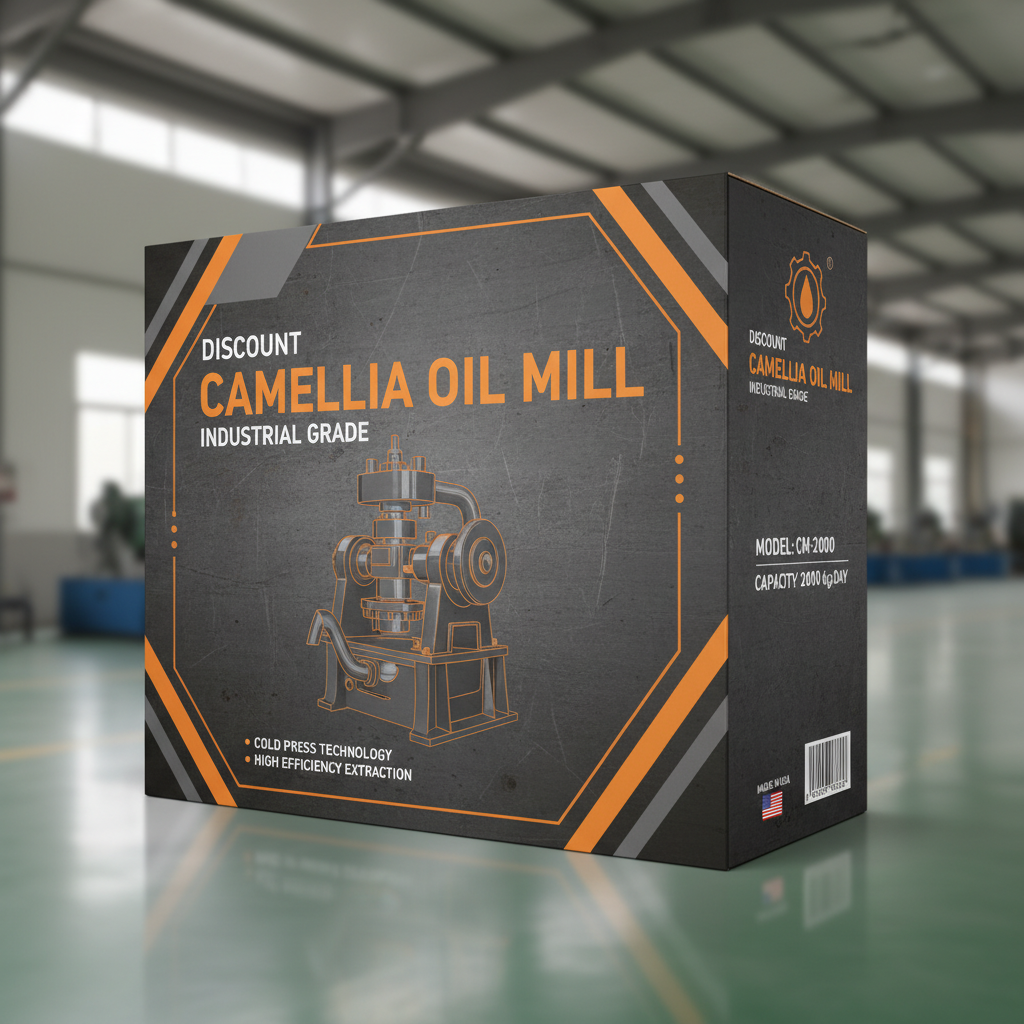
Understanding Camellia Oil Mill Machine Types
Camellia oil mill machines come in various configurations, each suited for different production scales and budgets. The main types include hydraulic press machines, screw press machines, and combined press and filtration systems. Hydraulic presses are known for their high oil yield and relatively lower initial cost, but are slower and require more manual labor. Screw press machines offer continuous operation and higher efficiency, making them ideal for large-scale production. Combined systems integrate pressing and filtration for a more streamlined process and higher oil purity. Choosing the right type depends on your production volume, budget, and desired oil quality.
Key Considerations: Production scale, budget, desired oil quality, labor availability, and maintenance requirements.
Factors Affecting the Price of a Discount Camellia Oil Mill Machine
Several factors influence the price of a camellia oil mill machine. The capacity of the machine is a primary determinant – larger capacity machines naturally cost more. The level of automation also plays a significant role, with fully automated systems commanding a higher price tag than semi-automatic or manual machines. The materials used in construction, such as stainless steel versus carbon steel, affect both the price and the machine's durability. Finally, the brand reputation and after-sales service offered by the supplier can also impact the cost. A reliable supplier often justifies a slightly higher price with better quality and support.
Price Influencing Factors:
• Capacity
• Automation Level
• Material Quality
• Brand Reputation & Service
Comparing Popular Camellia Oil Mill Machine Options
Selecting the optimal machine involves comparing different models based on performance, cost, and features. Here’s a comparison of three popular options. Each machine has its own strengths and weaknesses, making it suitable for different operational needs. We’ve highlighted key specs and estimated pricing to help you make an informed decision. Finding a discount camellia oil mill machine doesn't mean sacrificing quality; it means finding a supplier offering competitive pricing.
Sourcing a Reliable Supplier for Your Camellia Oil Mill Machine
Choosing the right supplier is just as important as selecting the machine itself. Look for suppliers with a proven track record, positive customer reviews, and comprehensive after-sales service. Verify their certifications and ensure they offer warranties on their products. A reputable supplier like OilMillChina provides not only quality machines but also technical support and guidance throughout the entire process. It's crucial to check their experience in exporting to your country and their ability to handle logistics and customs clearance.
Maintenance and Operational Tips for Longevity
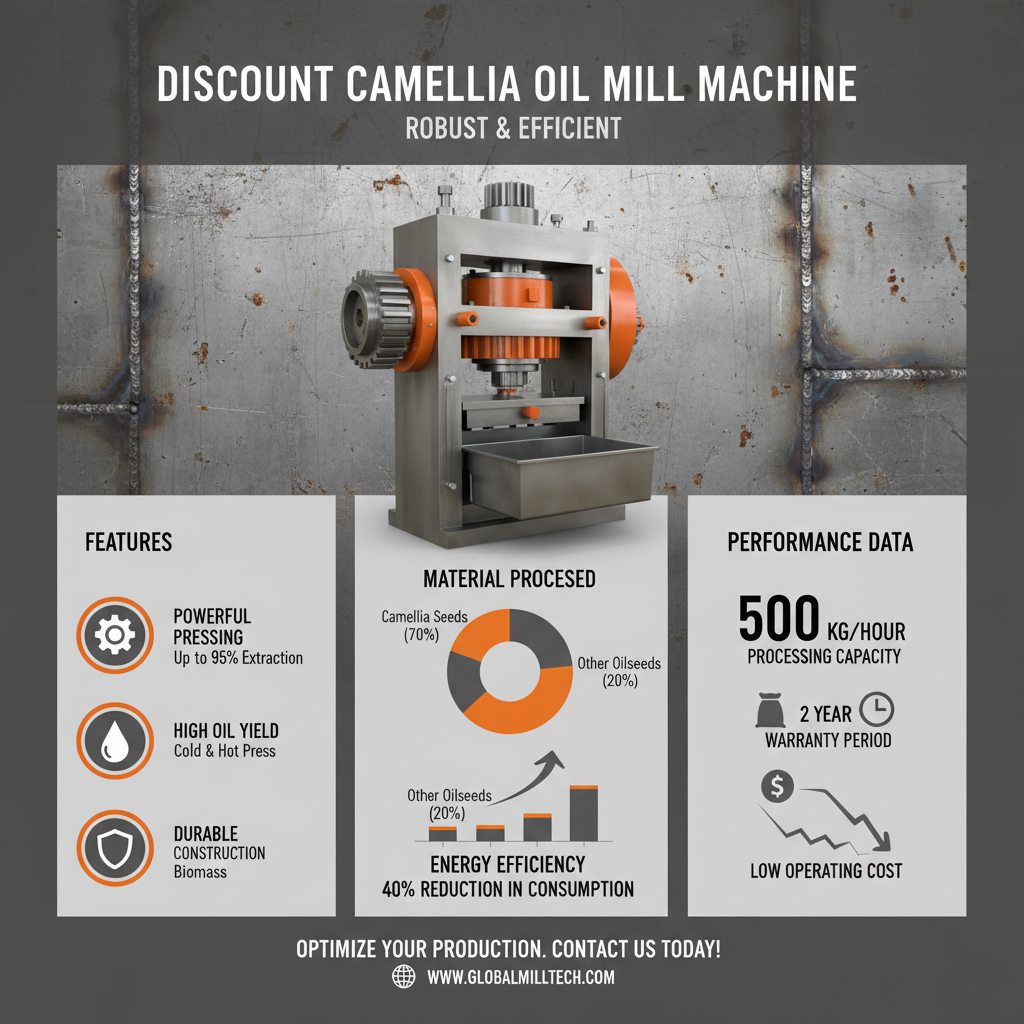
To maximize the lifespan and efficiency of your camellia oil mill machine, regular maintenance is essential. This includes cleaning the machine thoroughly after each use, lubricating moving parts, and checking for wear and tear on critical components. Following the manufacturer's recommended maintenance schedule is crucial. Proper operation, avoiding overloading, and using high-quality camellia seeds will also contribute to the machine's longevity. Investing in preventative maintenance can save you significant costs in the long run.
Conclusion: Maximizing Value with a Discount Camellia Oil Mill Machine
Securing a discount camellia oil mill machine is a smart investment for businesses looking to capitalize on the growing demand for this valuable oil. By carefully considering your production needs, comparing different machine types, and choosing a reliable supplier, you can achieve optimal results. Remember to prioritize quality, maintenance, and after-sales support to ensure a long-term return on your investment.
Frequently Asked Questions (FAQs)
What is the typical oil yield from a camellia oil mill machine?
The oil yield varies depending on the quality of the camellia seeds, the type of machine used, and the efficiency of the extraction process. Generally, a well-maintained screw press machine can achieve an oil yield of 85-95%. Hydraulic presses may yield slightly less, around 75-85%. Proper seed preparation, including cleaning and drying, is crucial for maximizing oil extraction. Investing in a machine with a robust filtration system can also improve the clarity and quality of the extracted oil, indirectly increasing the effective yield by reducing waste.
What kind of after-sales service should I expect from a supplier?
Reliable after-sales service is vital. You should expect technical support, including troubleshooting assistance and spare parts availability. A good supplier will offer online support, phone support, and potentially on-site service for more complex issues. Training on machine operation and maintenance is also essential. A comprehensive warranty is a must, covering defects in materials and workmanship. Check if the supplier has a dedicated customer service team and positive reviews regarding their responsiveness and support quality.
What are the essential safety precautions to follow when operating a camellia oil mill machine?
Safety is paramount. Always wear appropriate personal protective equipment (PPE), including safety glasses and gloves. Ensure the machine is properly grounded to prevent electrical hazards. Never operate the machine with missing or damaged safety guards. Follow the manufacturer's operating instructions carefully. Regularly inspect the machine for any signs of wear and tear. Keep the work area clean and free of obstructions. Ensure all personnel are properly trained on safe operating procedures. Emergency stop mechanisms should be readily accessible and functional.
How long does it typically take to receive a camellia oil mill machine after placing an order?
Delivery time depends on several factors, including the machine's complexity, the supplier's production schedule, and shipping distance. Typically, it takes 4-8 weeks for a standard camellia oil mill machine to be manufactured and delivered internationally. Customized machines or large orders may require longer lead times. Discuss delivery timelines with the supplier upfront and factor in potential delays due to customs clearance and shipping logistics. A reputable supplier will provide tracking information and keep you informed throughout the shipping process.
-
Buy High Quality Discount Pressing Nut of Oil Press for Efficiency
NewsApr.16,2026
-
Buy High Quality Discount Oil Press Machine Hydraulic for Yield
NewsApr.09,2026
-
Find a Discount Pressing Screw of Oil Expeller for Efficient Oil Extraction
NewsApr.07,2026
-
Find a Reliable Discount Oil Press Steam Roaster for Efficient Oilseed Processing
NewsApr.04,2026
-
Maximize Oil Production with a Discount Spiral Oil Expeller
NewsMar.31,2026
-
Find the Best Discount Steam Roaster for Oil Press and Maximize Yield
NewsMar.28,2026